


Finding the right path to stronger bones and radiant skin often feels confusing. For British women balancing family, career, and self-care, genuine progress starts with knowing your individual risk factors and choosing solutions proven to work. This guide uncovers how to approach bone health and beauty confidently by focusing on personalised assessment and high-quality collagen, so every step you take is tailored to your unique needs.
Table of Contents
- Step 1: Assess Personal Bone Health Needs
- Step 2: Select High-Quality Collagen Supplements
- Step 3: Implement Daily Supplement Routine
- Step 4: Verify Supplement Effectiveness And Quality
Quick Summary
| Key Point | Explanation |
|---|---|
| 1. Assess Your Bone Health Needs | Understand personal risk factors like age, family history, and lifestyle choices before starting any supplement. |
| 2. Choose High-Quality Collagen Supplements | Select hydrolysed collagen with types I and III, ensuring it has verified purity and contains essential cofactors for absorption. |
| 3. Establish a Consistent Daily Routine | Take your supplements at the same time daily, ideally with food, to improve absorption and make it a habitual practice. |
| 4. Monitor Supplement Effectiveness | After 3-6 months, evaluate improvements in bone density, joint mobility, and overall health to determine if the supplement is working. |
| 5. Consult Your GP for Guidance | Engage your GP about your bone health and potential testing, particularly after long-term supplementation and lifestyle changes. |
Step 1: Assess Personal Bone Health Needs
Understanding your individual bone health is the foundation of any effective supplement strategy. Before you start taking anything, you need to know where you actually stand—not just guess based on general health trends.
Start by gathering information about your personal risk factors. Your age, sex, and family history all matter significantly here. If your mother or grandmother experienced osteoporosis or fractures, that’s a strong signal worth noting. Similarly, past injuries, particularly around the wrist, hip, or spine, can indicate weaker bone density.
Look at your lifestyle choices honestly:
- Smoking and alcohol consumption dramatically affect bone strength
- Physical activity levels directly influence bone density (sedentary living weakens bones)
- Dietary habits, especially calcium and vitamin D intake, shape your foundation
- Medication use can impact bone health, particularly long-term corticosteroids
Consider booking a conversation with your GP about your specific risk profile. They can evaluate clinical risk factors for osteoporosis and recommend whether bone density testing would be helpful for you.
If your GP suggests further assessment, they might refer you to FRAX scoring tools, which calculate your fracture risk based on age, sex, weight, and medical history. This isn’t complicated—it’s just a straightforward way to measure where you stand.
Writing down your findings helps. Note any family history, current symptoms (joint pain, height loss), previous fractures, and lifestyle factors. This becomes your baseline.
Knowing your actual bone health status—rather than assuming—means you can choose supplements that genuinely address your needs instead of guessing.
Pro tip: Request a baseline bone mineral density scan if you’re over 40 with multiple risk factors; this gives you concrete numbers to compare against after six months of consistent supplementation.
Step 2: Select High-Quality Collagen Supplements
Not all collagen supplements are created equal. The difference between a mediocre product and a genuinely effective one comes down to specific ingredient choices, processing methods, and quality standards.
Start by looking for hydrolysed collagen peptides. This form has been broken down into smaller molecules, which means your body can actually absorb and utilise it effectively. When collagen is hydrolysed, bioavailability increases dramatically compared to whole collagen proteins.
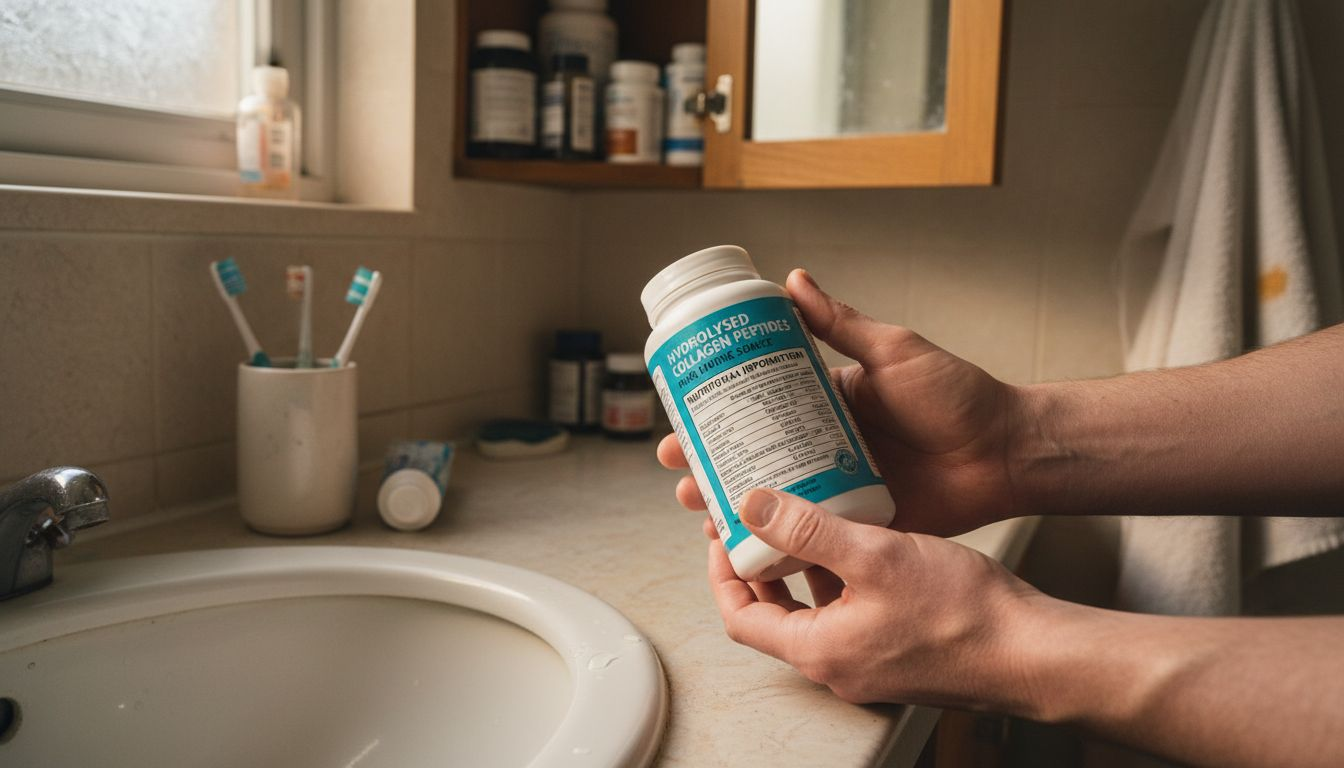
Check the collagen type included in the product. Most effective bone health supplements contain type I and III collagen, which directly support bone structure and strength. Type II is primarily for joint cartilage, so it matters less for your bone health goals.
Look for these quality markers in any product you consider:
- Ingredient transparency showing exact collagen content per serving
- Third-party certifications like Informed Sport, which verifies purity and banned substances
- Added cofactors such as vitamin C, which enhances collagen absorption and function
- Source disclosure indicating whether collagen comes from grass-fed bovine or wild-caught fish
- Minimal additives avoiding unnecessary fillers, artificial sweeteners, or colours
Don’t rely on flashy marketing claims alone. Read the actual nutrition label and ingredients list. A truly high-quality product will clearly state the milligrams of collagen per serving and list supporting nutrients upfront.
Liquid collagen formats offer advantages over powders. They’re already hydrolysed, require no mixing, and are often formulated with cofactors already included for optimal absorption.
Here’s a quick comparison of the different collagen supplement formats for bone health:
| Format | Absorption Rate | Convenience | Typical Cofactors Included |
|---|---|---|---|
| Liquid | Highly bioavailable | No mixing required | Often includes vitamin C |
| Powder | Moderate absorption | Mix with water/food | Sometimes added, sometimes not |
| Capsule | Lower absorption | Easiest to take | Rarely included |
Quality collagen supplements deliver consistent dosing and proven bioavailability, meaning your body can actually use what you’re taking.
Pro tip: Start with a product containing at least 10 grams of hydrolysed collagen peptides per serving, and verify it’s undergone third-party testing before making your purchase.
Step 3: Implement Daily Supplement Routine
Establishing a consistent daily routine is what transforms a supplement from a random purchase into an actual tool for bone health improvement. Your body responds best to regularity, so building this into your daily habits matters significantly.
Start by choosing a specific time each day for your supplement. Morning works well for most people since it’s easier to remember and pairs naturally with breakfast. Consistency matters more than the exact time, so pick whatever you’ll actually stick with.
Understand the daily nutrient targets you’re aiming for. The NHS recommends 700 milligrams of calcium daily for adults, along with 10 micrograms of vitamin D. Your collagen supplement contributes to bone health, but you may also need these specific nutrients depending on your dietary intake.
Build your routine strategically:
- Take your collagen supplement with a meal to enhance absorption and reduce stomach sensitivity
- Pair it with vitamin C if your supplement doesn’t already contain it, as this improves collagen utilisation
- Track your intake using a simple calendar or phone reminder for the first month until it becomes automatic
- Combine with calcium and vitamin D sources, whether through food or additional supplements as needed
Timing consistency matters. Taking your supplement at the same time daily helps your body establish a rhythm and makes you less likely to forget doses.
During autumn and winter months, supplement your vitamin D intake since British sunlight exposure naturally decreases. This becomes especially important for bone health maintenance.
A daily routine you actually follow beats a perfect routine you abandon after two weeks.
Pro tip: Set a phone alarm or link your supplement to an existing habit like morning coffee, and use a pill organiser to lay out the entire week so skipped doses become immediately obvious.
Step 4: Verify Supplement Effectiveness and Quality
Taking a supplement is only worthwhile if it actually delivers results. You need concrete ways to verify that your chosen product is both effective and genuinely high-quality, not just marketing hype.
Start by checking for regulatory approvals and certifications. Look for products that comply with UK regulations and carry third-party testing badges like Informed Sport or NSF Certified. These indicate the product has been independently verified for safety and purity.
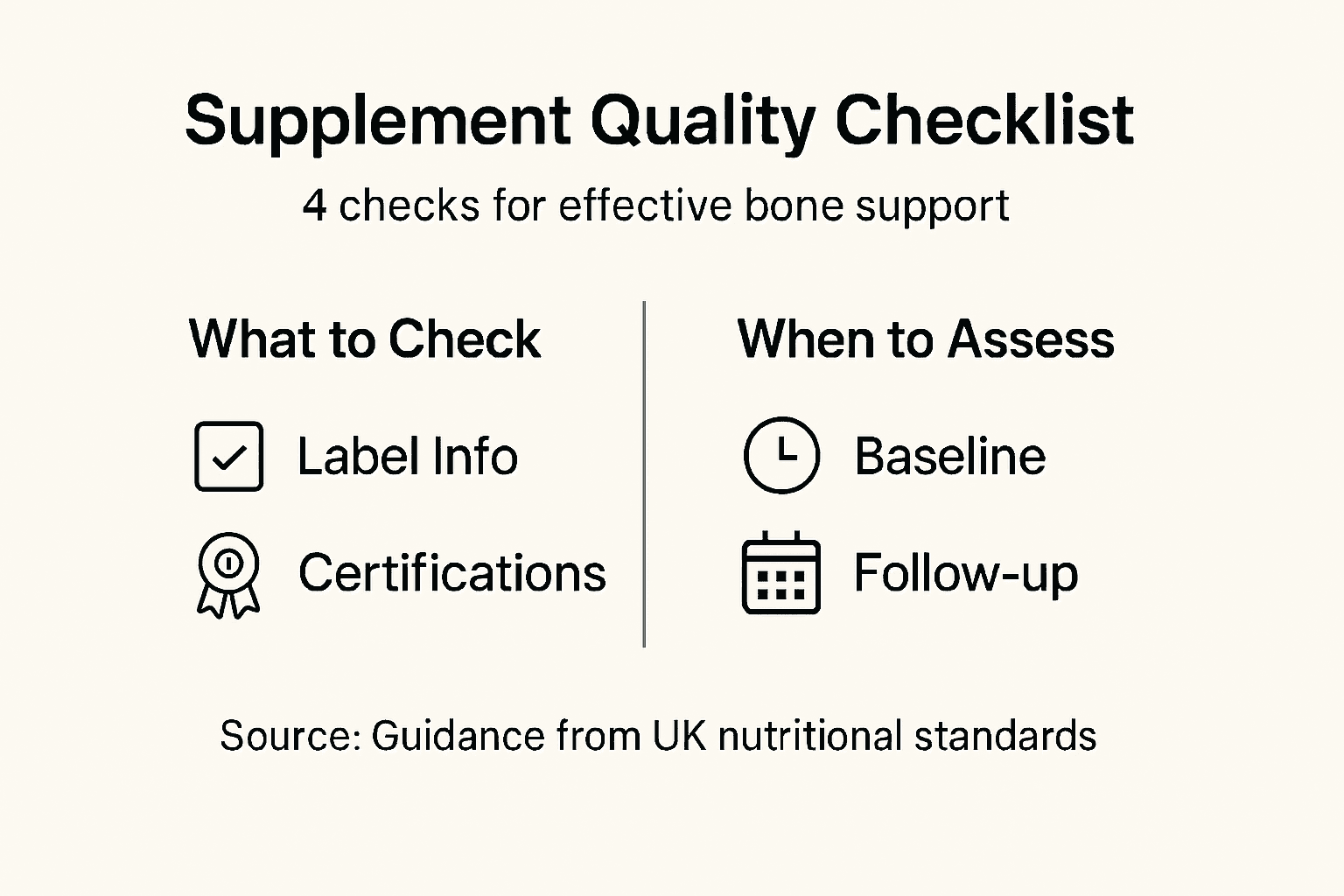
Review the clinical evidence backing your supplement. Supplements meeting clinical efficacy standards typically have published research supporting their bone health claims. Legitimate manufacturers provide links to studies or summaries of scientific support.
Establish baseline measurements before starting:
- Current bone density if you’ve had a DEXA scan previously
- Baseline symptoms like joint discomfort, mobility issues, or fracture history
- Skin quality metrics such as elasticity, hydration, or visible improvements
- Energy and recovery levels from physical activity
After three to six months of consistent use, reassess these same areas. Did your skin texture improve? Has joint mobility changed? Do you feel stronger during exercise? These subjective measures matter alongside any formal testing.
For reference, these are common baseline and progress measurements to track supplement effectiveness:
| Metric | Baseline Assessment | Follow-up (3-6 Months) |
|---|---|---|
| Bone Density | DEXA scan if available | Repeat scan to check improvement |
| Joint Mobility | Self-rate discomfort/motion | Note changes in flexibility |
| Skin Quality | Photograph and observe | Look for visible differences |
| Energy Levels | Journal current feelings | Compare activity performance |
Request bioavailability data from manufacturers. Supplements with proven bioavailability and safety profiles ensure your body actually absorbs and utilises what you’re taking, not just processing it as waste.
If bone health is your primary goal, discuss formal bone density retesting with your GP after 12 months of supplementation combined with exercise and proper nutrition.
Real effectiveness shows up in how you feel, move, and perform, not just in marketing claims.
Pro tip: Take photos of your skin and journal subjective improvements like energy levels and mobility weekly, creating a personal evidence trail that proves whether your specific supplement is actually working for your body.
Strengthen Your Bone Health Journey with Trusted Collagen Support
Optimising bone health requires more than guesswork. This article highlights the importance of assessing your personal risk factors and choosing high-quality, bioavailable collagen supplements combined with consistent daily routines. If you want to truly support your bone strength and experience lasting results from collagen supplementation, transparency, potency, and proven quality are essential.
KUDU Nutrition understands these critical needs. Our 20g Collagen Protein Supplements provide a potent 20 gram dose of hydrolysed collagen peptides, specifically formulated to enhance bone, joint, and skin health. Certified by Informed Sport and crafted with ingredient transparency, this supplement aligns perfectly with the evidence-based strategies discussed in the article.
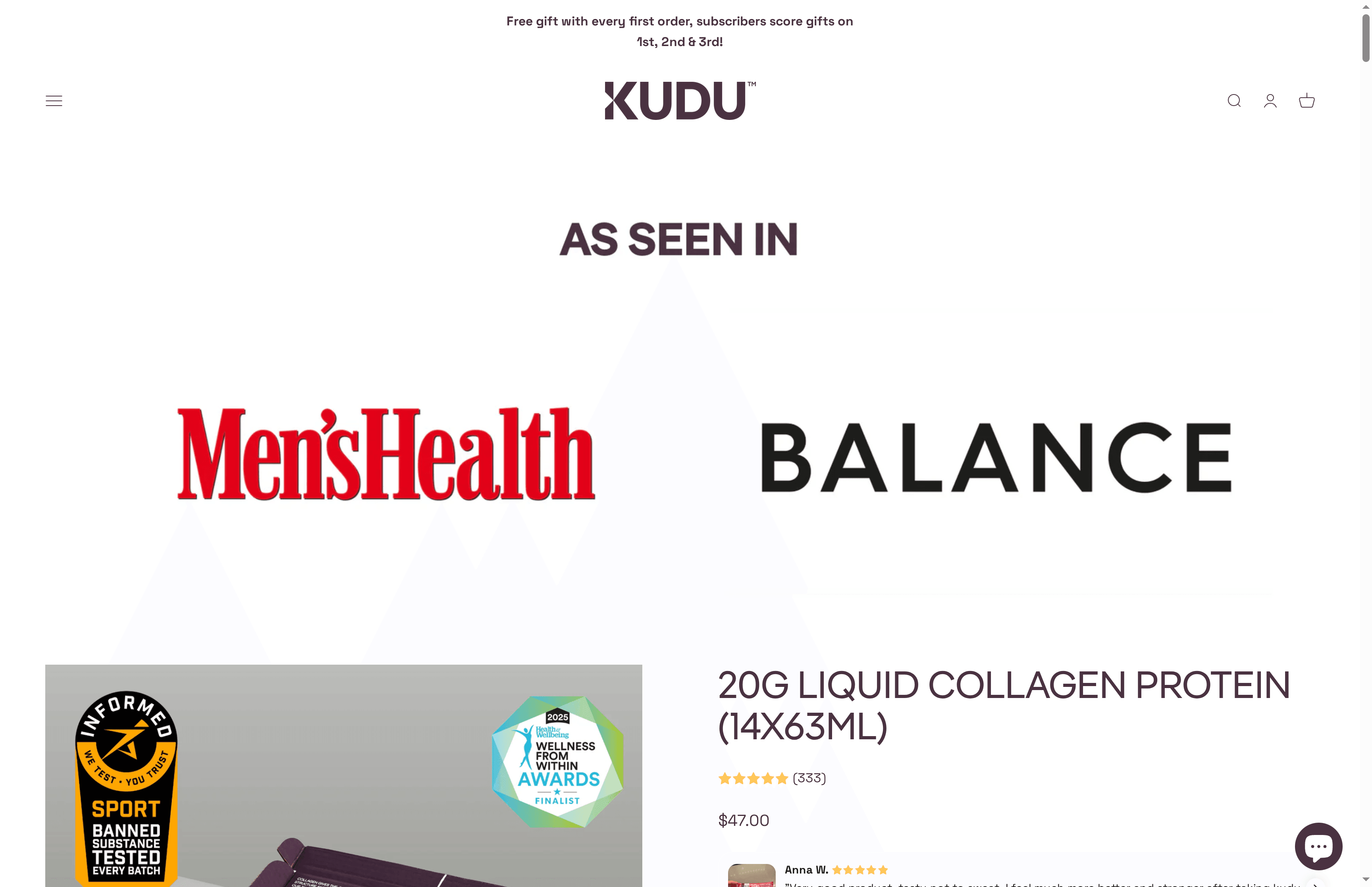
Discover how easy it is to integrate a premium collagen option into your daily routine by visiting our KUDU Nutrition | 20g Collagen Protein for Performance & Recovery collection. Take control of your bone health now with a supplement designed for bioavailability, purity, and real results. Start your journey today at KUDU Nutrition 20g Collagen Protein Pack and build a stronger foundation for tomorrow.
Frequently Asked Questions
How can I assess my personal bone health needs before starting supplements?
Understanding your personal bone health needs is crucial. Gather information about your age, sex, family history, and lifestyle factors such as diet and physical activity. Consider visiting your GP to discuss your risk profile and to determine if bone density testing is necessary.
What should I look for when selecting high-quality collagen supplements?
When choosing collagen supplements, ensure they contain hydrolysed collagen peptides, which are more easily absorbed by the body. Check for transparency in ingredient listing, third-party certifications, and the presence of beneficial cofactors like vitamin C to enhance absorption. Verifying that the product contains at least 10 grams of collagen per serving is also recommended.
How can I create a consistent daily routine for taking bone health supplements?
To establish a daily routine, select a specific time, ideally in the morning, to take your supplements. Pair your collagen intake with meals to enhance absorption and track your consumption using reminders or a calendar until it becomes a habit.
What metrics should I track to verify the effectiveness of my bone health supplements?
Track metrics such as bone density, joint mobility, skin quality, and overall energy levels. Assess these areas before beginning supplementation and then re-evaluate them after three to six months of consistent use to determine any improvements.
How often should I reassess my bone health after starting supplementation?
It’s recommended to reassess your bone health after three to six months of consistent supplementation. This can include repeating any available bone density tests and evaluating subjective improvements in areas like joint mobility and energy levels for a comprehensive view of your progress.
What role does vitamin D play in bone health supplementation?
Vitamin D is vital for calcium absorption, which is essential for maintaining strong bones. During the autumn and winter months, consider increasing your vitamin D intake through supplementation, especially if you have limited sunlight exposure, to support your bone health goals.


