


Finding the right supplement for smoother skin, flexible joints, and faster recovery can feel overwhelming as daily routines fill up and choices expand. Collagen is the body’s most abundant protein, yet after age 25, your natural production begins to dip—a change you may notice in your skin and joints. With options like hydrolysed collagen peptides and convenient liquid sachets, 2025 brings smarter ways to nourish your body from within for visible, reliable results.
Table of Contents
- What Collagen Supplements Offer in 2025
- Emerging Types and Key Ingredients
- Innovation in Formulation and Delivery Systems
- Consumer Demand for Clean Label and Transparency
- Science, Safety and Regulatory Developments
- Comparing Alternative Beauty and Recovery Solutions
Key Takeaways
| Point | Details |
|---|---|
| Targeted Collagen Types | Different collagen types provide specific benefits: Type I for skin, Type II for joints, and Type III for muscle recovery. Choose formulations that best suit your health goals. |
| Advanced Delivery Systems | Liquid collagen supplements offer superior absorption compared to traditional powders or capsules, enhancing efficacy. Opt for products with innovative delivery methods for better results. |
| Clean Label Expectations | Consumers prioritise transparency; seek products with clear ingredient lists, ethical sourcing, and third-party testing certifications. This ensures quality and aligns with health and environmental standards. |
| Combination Approaches | Pair collagen with complementary ingredients like vitamin C and hyaluronic acid for enhanced effectiveness. A holistic approach can yield better overall health outcomes than relying on collagen alone. |
What Collagen Supplements Offer in 2025
Collagen supplements have evolved significantly, and in 2025 they deliver targeted benefits across multiple areas of health and aesthetics. Unlike generic multivitamins, collagen works because it addresses what your body actually needs as you age. After age 25, your natural collagen production declines steadily, which is why many women in your situation turn to supplementation to maintain the skin elasticity, joint function, and connective tissue integrity they had in their twenties. The market now focuses heavily on hydrolysed collagen peptides, which offer superior absorption compared to standard collagen sources. This means your body can actually use what you’re consuming rather than simply processing it through your system.
What makes 2025 different is the specificity of collagen types available. Rather than taking a one-size-fits-all product, you can now choose formulations matched to your exact health goals. Type I collagen targets skin health, hair strength, and nail quality, making it the primary choice for women focused on beauty from within. Type II collagen concentrates on joint support and cartilage maintenance, ideal if you’re dealing with post-workout recovery or joint stiffness. Type III collagen supports connective tissue and muscle recovery, which pairs perfectly with fitness routines. The most effective supplements combine multiple types, so when you’re evaluating options, look for products that address your specific priorities rather than assuming all collagen supplements are identical.
Beyond the collagen itself, 2025 products emphasise clean formulations and bioavailable liquid formats over traditional capsules or powders. Liquid collagen sachets offer faster absorption and greater convenience, particularly for women managing busy schedules. You’re also seeing products that combine collagen with complementary ingredients like vitamin C, hyaluronic acid, and biotin, which enhance collagen’s effectiveness rather than acting as mere fillers. The trend toward transparency means reputable suppliers now provide detailed nutritional data and quality certifications, allowing you to make informed choices based on actual ingredient content rather than marketing claims.
When selecting a collagen supplement, consider whether your primary goal is skin rejuvenation, joint support, or fitness recovery, as this will guide which type and formulation suits you best. Quality matters significantly here because poorly formulated collagen supplements won’t deliver the results you’re expecting. Look for hydrolysed peptides, transparent ingredient lists, and third-party testing certifications such as Informed Sport, which confirms the product contains exactly what the label claims and no unwanted contaminants.
To help you choose the most suitable collagen supplement, here’s a summary comparing the main collagen types and their targeted benefits:
| Collagen Type | Primary Benefit Area | Best For |
|---|---|---|
| Type I | Skin, hair, nails support | Beauty and ageing concerns |
| Type II | Joint and cartilage health | Mobility, recovery, joint stiffness |
| Type III | Connective tissues and muscle | Fitness routines, muscle repair |
| Vegan (biomimetic) | Mimics traditional collagen | Ethical and environmental preference |
Pro tip: Start with a consistent 4-week trial before expecting visible results in skin texture or joint comfort, as collagen benefits develop gradually as your body integrates the supplement into its natural repair cycles.
Emerging Types and Key Ingredients
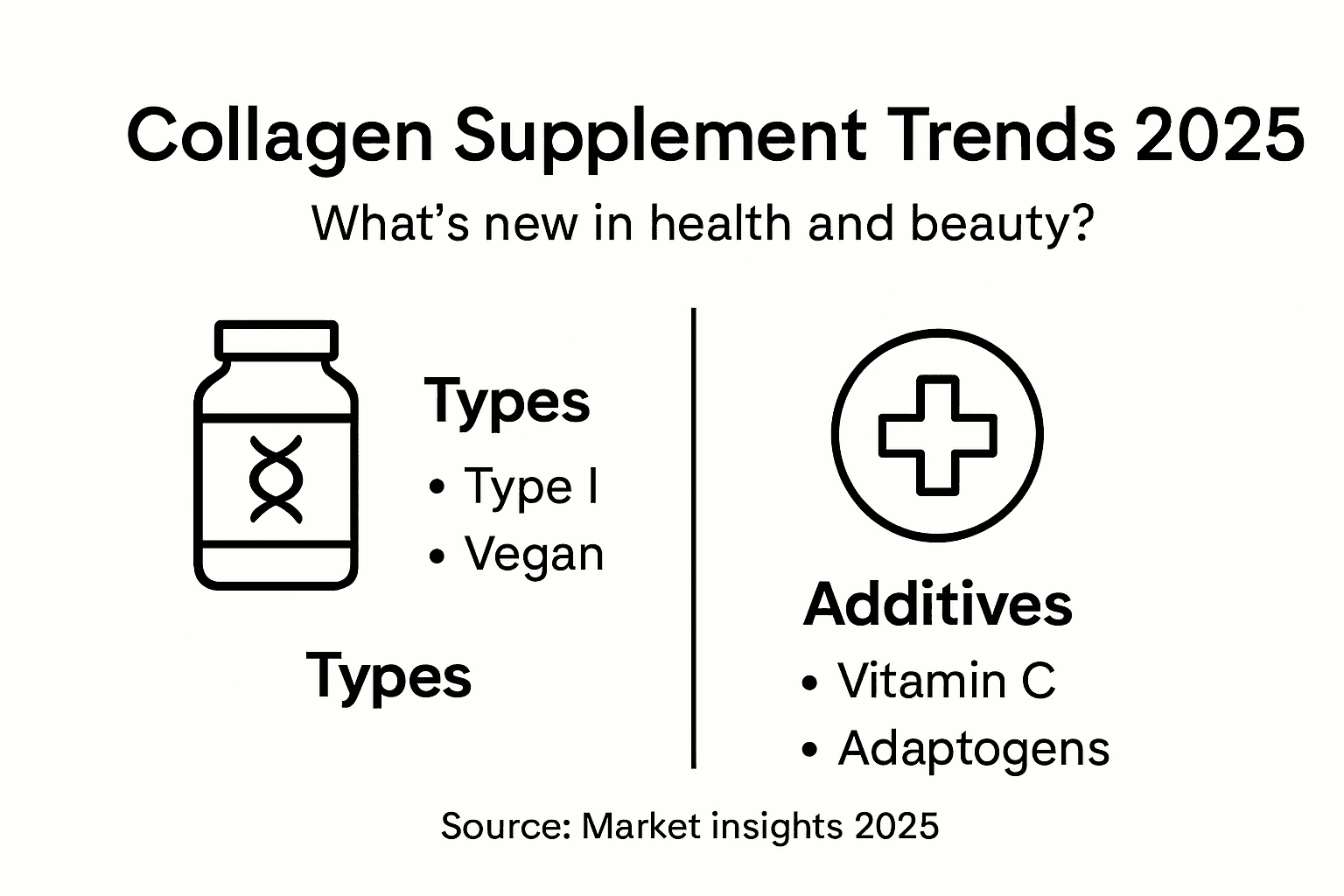
The collagen supplement market in 2025 has expanded far beyond simple bovine or marine extracts. What’s changed is both the source material and what manufacturers add to make collagen work harder for your specific health goals. Hydrolysed collagen peptides remain the foundation because they break down into amino acids small enough for your digestive system to absorb efficiently. But the real innovation lies in what happens next. Enhanced formulations now combine collagen with vitamin C, silica, and resveratrol to amplify skin elasticity and joint function. Vitamin C is particularly clever here because it stabilises collagen molecules and supports your body’s natural collagen synthesis. Silica strengthens connective tissue from within, whilst resveratrol acts as an antioxidant to protect the collagen you’re building from oxidative damage.
One of the most significant shifts you’ll notice is the rise of vegan collagen biomimetics. These are plant-derived or fermentation-based alternatives that replicate the amino acid profiles of animal collagen without the ethical or environmental concerns. Using microbial fermentation technology, manufacturers can now produce collagen-like proteins that your body recognises and utilises similarly to traditional collagen. Many vegan options incorporate plant polyphenols from sources like grape seed or green tea extract, which don’t just support the collagen you’re consuming but actively stimulate your body’s own collagen production. For women uncomfortable with animal-derived supplements, this represents a genuine breakthrough rather than a compromised alternative.
Beyond collagen and its direct supporting nutrients, functional additives like prebiotic fibres, antioxidants, and adaptogenic botanicals are becoming standard in premium formulations. Prebiotic fibres improve gut health, which directly impacts how effectively you absorb all nutrients in the supplement. Adaptogenic botanicals such as ashwagandha or rhodiola address stress and recovery, recognising that collagen benefits work best when your body isn’t in a constant state of stress. This layered approach means you’re not just taking collagen in isolation but supporting the wider biological systems that determine whether that collagen actually reaches your skin, joints, and connective tissue.
When evaluating new products, read ingredient lists carefully. The most effective supplements in 2025 feature transparent sourcing information and specify which collagen types they contain alongside their supporting ingredients. Avoid products listing collagen as the sole ingredient, as this misses the opportunity to enhance absorption and efficacy. Pay attention to the order of ingredients on the label; whichever appears first is most abundant, so ensure collagen is listed first or second rather than buried deeper in the formulation.
Pro tip: If you’re new to collagen supplements, start with a formulation containing vitamin C and hydrolysed peptides, as this combination offers the clearest results for skin health within 4 to 8 weeks.
Below is a comparison of key supporting ingredients commonly paired with collagen in advanced 2025 formulations:
| Ingredient | Role in Supplement | Typical Added Benefit |
|---|---|---|
| Vitamin C | Stabilises collagen, supports synthesis | Enhanced skin elasticity, better absorption |
| Silica | Strengthens connective tissue | Improved tissue resilience |
| Resveratrol | Antioxidant protection | Guards collagen from damage |
| Hyaluronic Acid | Promotes hydration | Plumper, more moisturised skin |
| Biotin | Supports keratin production | Healthier hair and nails |
Innovation in Formulation and Delivery Systems
The way collagen supplements reach your bloodstream has changed dramatically. In 2025, it’s no longer about simply mixing collagen powder into water and hoping your body absorbs it effectively. Manufacturers now employ advanced delivery systems that fundamentally alter how your digestive system processes and utilises collagen. Collagen-based hydrogels, nanoparticles, and electroresponsive scaffolds represent the cutting edge of this innovation, designed to release collagen gradually and precisely where your body needs it most. Nanoparticles are particularly effective because they’re small enough to cross the intestinal barrier more easily, whilst hydrogels create a protective coating that keeps collagen stable during digestion. This precision matters enormously for women seeking visible results; poor delivery means collagen fragments pass through your system unused, whereas optimised delivery ensures maximum bioavailability.
Liquid formats have emerged as the practical winner for everyday use. Rather than wrestling with powder that needs mixing or swallowing multiple capsules, liquid collagen sachets offer convenience without sacrificing efficacy. The liquid state actually supports absorption because collagen is already partially broken down and ready for your body to process. Beyond traditional supplements, new functional food and beverage formats including gummies, powders, and ready-to-drink beverages have transformed how women integrate collagen into their daily routines. A gummy you enjoy taking feels less like medication and more like self-care, which means you’re more likely to maintain consistency over the months required to see skin and joint improvements.
Fermentation technology deserves specific attention here because it’s genuinely revolutionising what’s possible. Rather than extracting collagen from animal sources, manufacturers can now cultivate collagen through fermentation processes using microorganisms. This approach produces clean-label products with transparent sourcing that appeals to environmentally conscious consumers. The fermented collagen peptides undergo advanced processing techniques that increase their absorption rate compared to conventional methods, meaning smaller doses deliver comparable results. When you combine fermentation-derived collagen with complementary bioactives already discussed like vitamin C or plant polyphenols, you’re working with a supplement system rather than an isolated ingredient.
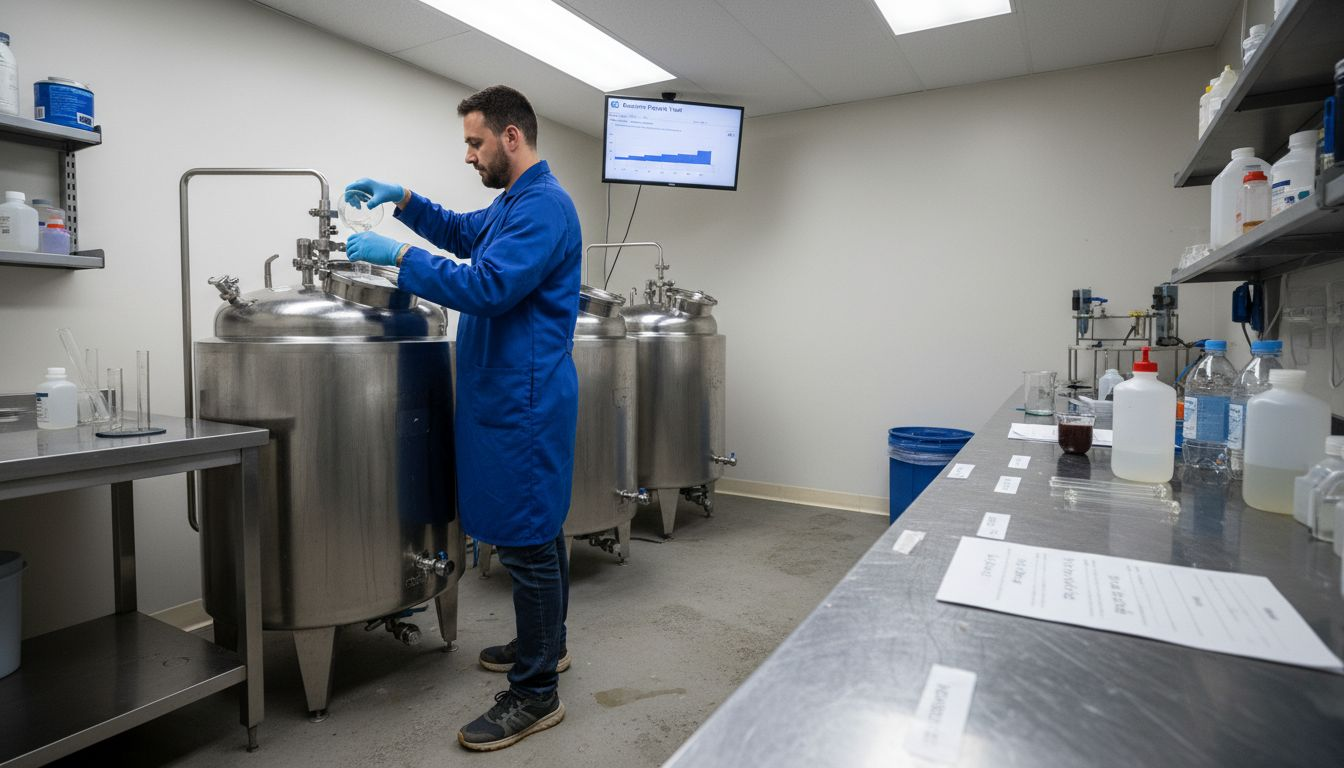
Advanced collagen peptide processing has also improved multifunctionality, meaning individual collagen molecules are engineered to serve multiple roles within your body simultaneously. You’re no longer choosing between skin support and joint support; modern formulations target both effectively. Pay attention to whether products specify their delivery technology or simply claim “advanced absorption” without explanation. Genuine innovation is transparent about how it works.
Pro tip: Liquid collagen sachets work best consumed first thing in the morning on an empty stomach, as this minimises competition with other proteins and allows maximum absorption before food enters your digestive system.
Consumer Demand for Clean Label and Transparency
You’ve probably noticed yourself becoming more scrutinising about what goes into your body. This shift from casual consumption to informed decision-making defines the collagen supplement market in 2025. Clean-label products have moved from niche preference to mainstream expectation, and manufacturers know it. Consumers now demand full visibility into sourcing, processing methods, and every ingredient included. Gone are the days of accepting vague marketing claims like “collagen complex” without knowing exactly what that means. UK consumers show rising demand for clear, standardised labelling with comprehensive information about processing, allergens, and sustainability. More than three-quarters of British shoppers read supplement labels carefully, and many are willing to pay premium prices for products that demonstrate genuine transparency. This isn’t just preference; it’s become a purchasing criterion that separates trusted brands from those still relying on opaque marketing.
Ethical sourcing has become inseparable from quality in 2025. When you’re choosing a collagen supplement, you’re implicitly asking where the collagen comes from and how it was obtained. Grass-fed bovine collagen assures you the animals weren’t fed grain-based diets laden with antibiotics and hormones. Non-GMO certifications confirm the source materials weren’t genetically modified. Marine collagen appeals to those wanting sustainable ocean sourcing from responsibly managed fisheries. Vegan collagen alternatives derived from fermentation address concerns about animal welfare entirely. Clean-label collagen supplements prioritise ethical sourcing including grass-fed, non-GMO, and marine options aligned with consumer sustainability values. What matters to you personally determines which sourcing method resonates, but the availability of choice itself represents a major shift. Five years ago, you’d have struggled to find these options; today, they’re standard among reputable suppliers.
Transparency extends beyond sourcing to actual lab testing and certification. Reputable manufacturers now publish third-party testing results showing exactly what concentrations of each ingredient their product contains. Certifications like Informed Sport verify that products contain no banned substances and match their labelling claims. Eco-friendly packaging demonstrates commitment beyond the product itself; choosing recyclable or compostable sachets shows the brand cares about environmental impact throughout the product lifecycle. When you read a label and see specific peptide molecular weights, bioavailability percentages, or clinical study references, you’re looking at genuine transparency. Conversely, vague health claims without supporting evidence or hidden ingredient lists signal a brand prioritising marketing over substance. This transparency extends into how brands communicate processing methods; understanding whether collagen was hydrolysed enzymatically or through other means gives you insight into bioavailability and efficacy.
The financial commitment you make to a collagen supplement is significant enough to warrant this scrutiny. You’re investing money and time, expecting results. Transparent brands respect this by providing detailed product information, accessible customer service, and willingness to discuss their formulation choices. If a supplier can’t answer basic questions about sourcing or testing, that’s your signal to look elsewhere.
Pro tip: Before purchasing, request the product’s third-party testing certificate or lab report directly from the supplier; legitimate brands provide this readily as evidence of their transparency claims.
Science, Safety and Regulatory Developments
The scientific understanding of collagen supplements has advanced considerably, and 2025 brings more rigorous testing standards than ever before. Manufacturers now employ sophisticated analytical methods to verify exactly what’s in their products and confirm efficacy claims. Advanced analytical methods including ELISA and HPLC enable precise collagen source verification and quantification, ensuring the collagen bovine, marine, poultry, or porcine source matches the label claim. This matters directly to you because these tests confirm that a product claiming “marine collagen” actually contains marine collagen rather than cheaper bovine alternatives. Beyond simple identification, these analytical techniques measure collagen peptide molecular weights, amino acid profiles, and bioavailability markers. Quality control now includes safety monitoring for contaminants, heavy metals, and microbial presence that could compromise your health. This scientific rigour transforms collagen from a trendy supplement into a verifiable health intervention backed by measurable data.
UK regulatory requirements in 2025 reflect both post-Brexit adaptations and heightened consumer protection standards. The Food Safety Act 1990 remains the foundational legislation governing supplement safety, with the Food Standards Agency (FSA) holding primary responsibility for enforcement. The FSA regulates supplement safety, ingredient approvals, labelling, and health claims enforcement within strict UK frameworks. This means every collagen supplement sold in the United Kingdom must undergo FSA scrutiny before reaching retailers. Manufacturers must verify that each ingredient has been approved, meets safety thresholds, and accurately represents what the label claims. Northern Ireland operates under slightly different rules, maintaining certain European Union regulations, which creates a more complex landscape if you’re ordering from suppliers serving both regions. Updated mandates emphasise accurate labelling with no exaggerated health claims, approved additives only, and safety assessments based on current scientific evidence. Novel food authorisations apply to emerging ingredients like fermentation-derived vegan collagen, requiring additional approval pathways before they can legally enter the UK market.
What this means practically is that reputable UK collagen suppliers have invested significantly in compliance infrastructure. They maintain detailed documentation of ingredient sourcing, manufacturing processes, quality testing results, and FSA approval records. When you purchase from a supplier operating transparently within these regulations, you’re protected by multiple layers of oversight. Conversely, suppliers making extravagant health claims or refusing to provide testing documentation are likely operating outside regulatory boundaries. The scientific developments also extend to understanding collagen’s immunomodulatory effects, meaning researchers now examine how collagen supplements interact with your immune system rather than just assuming passive absorption. This evolving science informs how regulatory bodies update safety guidance and which health claims manufacturers can legitimately make.
Pro tip: Check whether your chosen collagen supplier displays FSA registration or certification clearly on their website; legitimate UK operators proudly advertise their regulatory compliance rather than obscuring it.
Comparing Alternative Beauty and Recovery Solutions
Collagen supplements dominate the beauty and recovery market in 2025, yet they exist within a landscape of complementary products, each addressing specific health goals. Understanding how collagen compares to alternatives helps you make informed decisions about what actually belongs in your routine. Hyaluronic acid works differently from collagen, functioning as a hydration powerhouse that draws moisture into your skin at the cellular level. Whilst collagen builds structural support from within, hyaluronic acid ensures your skin retains that moisture, making them complementary rather than competitive. Biotin targets hair and nail strength specifically, whereas collagen addresses these plus skin elasticity and joint function simultaneously. Antioxidants like resveratrol and vitamin C protect your cells from oxidative damage, preventing collagen breakdown rather than building new collagen. This distinction matters because it explains why the most effective routines combine multiple approaches rather than relying solely on collagen.
The broader beauty and wellness market in 2025 reveals shifting consumer priorities. Collagen maintains dominance for inside-out beauty combined with growing interest in hydration products like electrolytes, gut health supports, and adaptogens for mood and recovery. This suggests that women like you recognise collagen as foundational whilst seeking additional support for specific concerns. Marine collagen has achieved particular sales momentum, partly because it absorbs more efficiently than bovine alternatives and appeals to sustainability-conscious consumers. Beyond topical appearance, the trend shows consumers increasingly value holistic approaches combining beauty, wellness, and recovery formulations in convenient daily products. This means your collagen supplement might be part of a wider strategy that includes prebiotic fibre for gut health, electrolytes for hydration, and adaptogens like ashwagandha for stress management.
Collagen peptides are preferred for their broad benefits on skin elasticity and joint function, whilst alternative supplements may target more specific niches like hydration or metabolic wellness. The key distinction is breadth versus depth. Collagen delivers moderate benefits across multiple areas, making it excellent if you want a single supplement addressing several concerns. Specialist alternatives offer deeper efficacy for narrower goals. For example, if your primary concern is joint recovery after fitness sessions, collagen works adequately, but combining it with specific joint support compounds creates superior results. If skin hydration is your main focus, collagen plus hyaluronic acid outperforms either alone. The growing market for ways to boost beauty with collagen for radiant skin naturally reflects recognition that collagen works best as part of a comprehensive approach rather than a standalone solution. Clean-label, scientifically supported products remain non-negotiable across all categories, meaning regardless of which solution you choose, verify third-party testing and transparent sourcing.
Your budget and time commitments shape which combination makes sense. A single collagen sachet daily requires minimal effort but addresses multiple areas moderately. A collagen plus targeted supplements routine demands more investment but delivers stronger results for specific priorities. Neither approach is superior; the better choice depends on your personal health objectives and how much complexity you’re willing to manage.
Pro tip: Start with quality collagen as your foundation, then add specialist supplements addressing your specific secondary concerns rather than adopting multiple products simultaneously, which prevents you from identifying what actually works.
Discover Targeted Collagen Solutions for Your Health and Beauty Goals
If you are concerned about declining collagen levels affecting your skin, joints, or fitness recovery, you need a supplement designed for maximum absorption and proven benefits. The challenges outlined in “Trends in Collagen Supplements 2025” highlight the importance of hydrolysed collagen peptides combined with key nutrients like vitamin C to truly support your body’s natural repair processes. Many supplements lack transparency or the high collagen content necessary to deliver real results in skin elasticity, joint comfort, and muscle recovery.
KUDU Nutrition offers a premium solution that aligns perfectly with these 2025 trends. Our 20g Collagen Protein Supplements provide a clean, liquid collagen format renowned for superior bioavailability. Backed by transparent ingredient sourcing and quality certifications including Informed Sport, our collagen sachets support your beauty and fitness goals with science you can trust.
Take control of your collagen health today by choosing products designed with your needs in mind. Experience the difference a high-quality, well-formulated collagen supplement can make by visiting the KUDU Nutrition | 20g Collagen Protein for Performance & Recovery collection and ordering your supply now at https://kudunutrition.com/products/20g-collagen-protein-14-pack. Your skin, joints and muscles deserve the best support available.
Frequently Asked Questions
What are the benefits of collagen supplements in 2025?
Collagen supplements in 2025 offer targeted benefits for skin elasticity, joint health, and muscle recovery. Hydrolysed collagen peptides provide superior absorption, allowing your body to effectively utilise the nutrients for beauty and overall health.
How do I choose the right type of collagen supplement for my needs?
Selecting the right collagen supplement depends on your health goals. Type I collagen focuses on skin, hair, and nails; Type II collagen supports joint health; and Type III collagen aids in connective tissue and muscle recovery. It’s best to choose a formulation that aligns with your specific concerns.
What additional ingredients should I look for in collagen supplements?
Look for collagen supplements that include complementary ingredients such as vitamin C, hyaluronic acid, and biotin. These additions can enhance the efficacy of collagen and support overall skin, hair, and joint health.
How long should I take collagen supplements to see results?
It’s recommended to commit to a consistent intake for at least four weeks to start noticing visible results in skin texture or joint comfort, as collagen benefits develop gradually within your body.