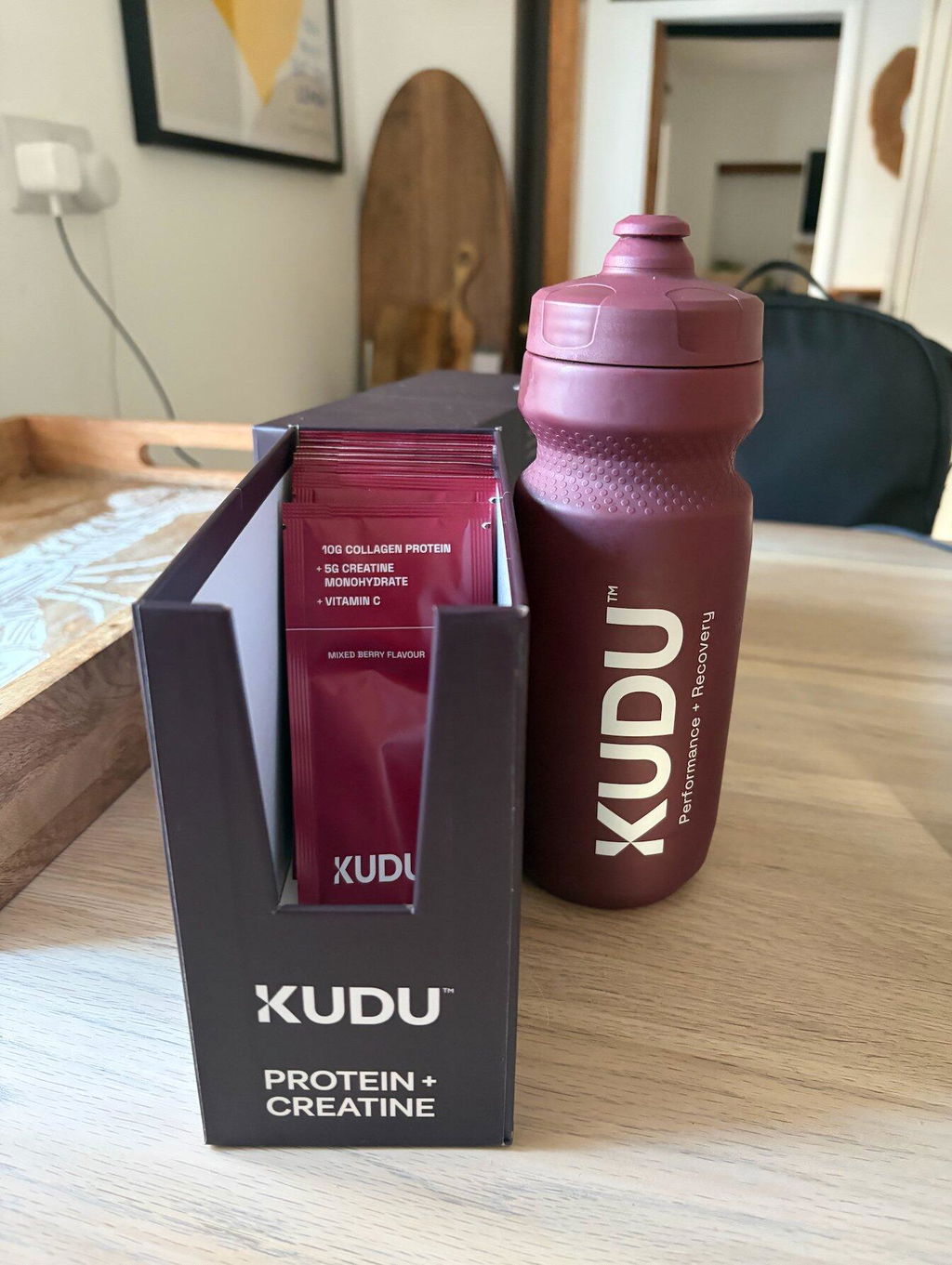


Finding reliable ways to support glowing skin and faster recovery after workouts often starts with a closer look at your daily diet. Protein is much more than just a fitness buzzword, it’s the foundation for muscle repair, hormone production, and vibrant skin. Whether your meals feature chicken, lentils, or a favourite collagen supplement, discovering how to get the most from variety and quality in your protein sources can make a noticeable difference in your wellbeing and results.
Table of Contents
- Step 1: Assess Current Diet And Protein Sources
- Step 2: Optimise Timing Of Protein Intake
- Step 3: Include Complementary Nutrients For Absorption
- Step 4: Choose High-Quality Collagen Protein Supplements
- Step 5: Track Progress And Refine Your Approach
Quick Summary
| Key Insight | Explanation |
|---|---|
| 1. Assess your protein intake | Track daily protein consumption to identify sources and amounts. This helps optimise overall health and fitness goals. |
| 2. Distribute protein throughout the day | Spread protein intake evenly across meals and snacks to support muscle synthesis and recovery. |
| 3. Combine nutrients for better absorption | Pair proteins with vitamins and minerals to enhance metabolism and utilisation, improving skin and muscle health. |
| 4. Choose high-quality supplements | Select collagen supplements with hydrolysed peptides and third-party certifications for better results in skin health and recovery. |
| 5. Monitor progress regularly | Keep track of your nutritional intake and physical indicators to adjust your strategy for optimum results. |
Step 1: Assess current diet and protein sources
Understanding your current protein intake is crucial for optimising absorption and supporting both skin health and fitness goals. Before making any significant dietary changes, you’ll want to conduct a comprehensive evaluation of your existing protein sources and consumption patterns.
Start by tracking your daily protein intake using a food diary or nutrition app. Pay close attention to the types of protein sources you currently consume, categorising them into animal and plant-based proteins. Key protein sources include:
- Lean meats (chicken, turkey)
- Fish and seafood
- Eggs
- Dairy products (milk, yoghurt, cheese)
- Legumes (beans, lentils, chickpeas)
- Nuts and seeds
- Plant-based protein powders
Calculate your daily protein requirements by using the UK guideline of 1.2-1.6 grams per kg of body weight, particularly if you’re actively engaged in fitness activities. Remember that protein isn’t just about quantity - variety and quality matter significantly.
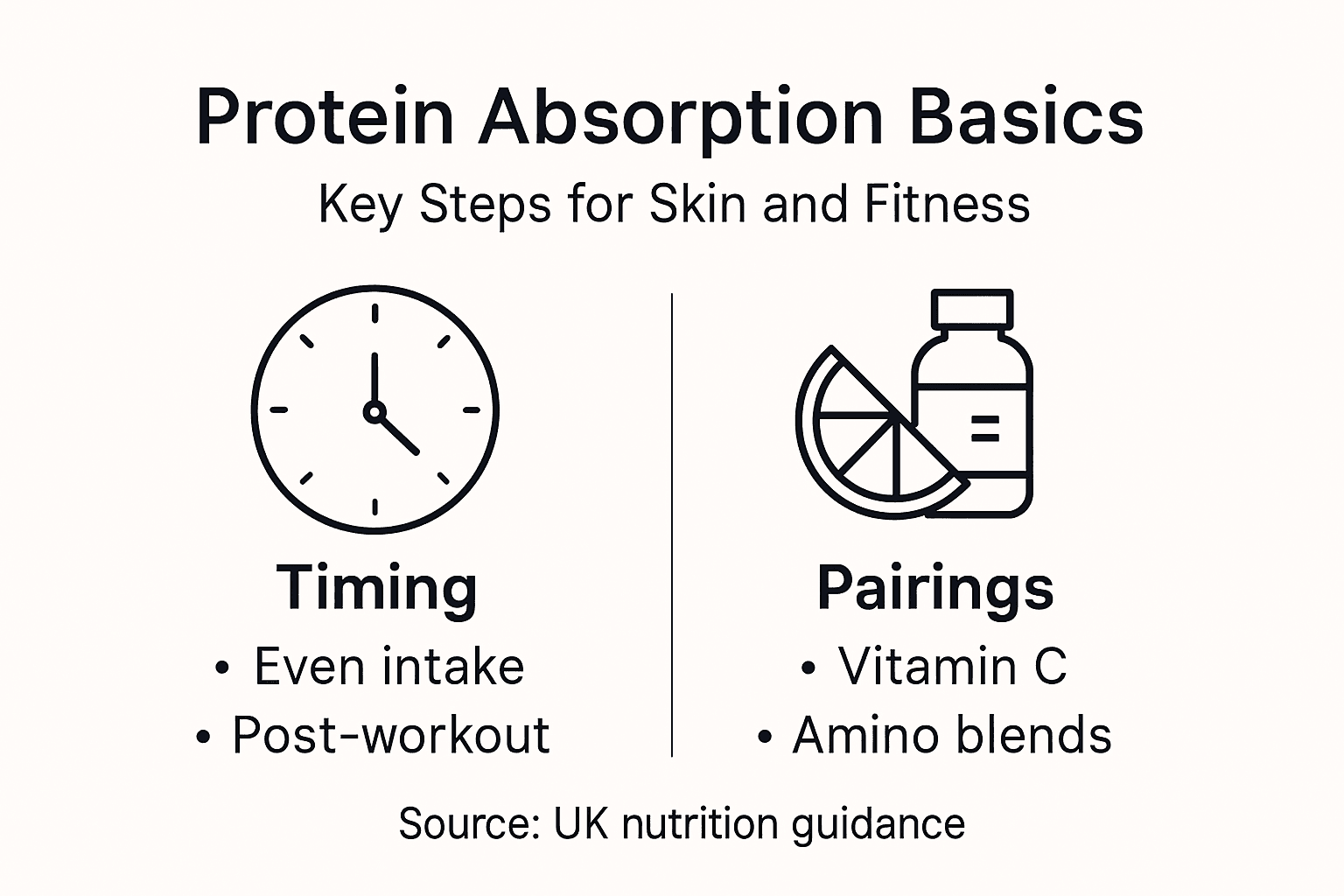
Here’s a concise comparison of animal-based and plant-based protein sources, focusing on their unique features and considerations:
| Source Type | Amino Acid Profile | Typical Absorption Rate | Environmental Impact |
|---|---|---|---|
| Animal-based | Complete (all essential) | Rapid to moderate | Higher carbon footprint |
| Plant-based | Often incomplete | Slower for some foods | Lower carbon footprint |
Balanced protein intake from diverse sources ensures you receive all essential amino acids for optimal muscle repair and overall health.
Pro tip: Consider consulting a registered nutritionist to perform a precise dietary analysis and personalise your protein strategy based on your specific fitness and skin health goals.
Step 2: Optimise timing of protein intake
Strategically timing your protein intake can significantly enhance muscle recovery, skin health, and overall nutritional absorption. The key is understanding how to distribute protein consumption throughout your day to maximise its benefits.
Start by spreading your protein intake evenly across meals, following the protein consumption recommendations from the British Heart Foundation. This approach ensures consistent amino acid availability and supports muscle synthesis. Your protein intake strategy should include:
- Consuming protein at breakfast
- Adding protein to mid-morning and afternoon snacks
- Including protein with each main meal
- Targeting protein intake before and after workouts
Workout-specific protein timing is crucial. Aim to consume protein within 30-45 minutes post-exercise to support muscle repair and growth. For most active individuals, this means approximately 20-30 grams of protein that includes both fast and slow-releasing protein sources.
Balanced protein distribution throughout the day helps maintain muscle mass, supports metabolic health, and contributes to skin tissue maintenance.
Pro tip: Consider using a protein tracking app to monitor your daily intake and ensure consistent distribution across meals and snack times.
Step 3: Include complementary nutrients for absorption
Maximising protein absorption isn’t just about consuming protein - it’s about creating an optimal nutritional environment that enhances nutrient utilisation and supports your overall health goals. Understanding how different nutrients interact can dramatically improve your body’s protein metabolism and skin health.
Focus on incorporating nutrient-rich food combinations that support protein absorption and utilisation. Specific vitamins and minerals play critical roles in enhancing protein metabolism:
- Vitamin C: Improves iron absorption from plant proteins
- Vitamin D: Supports musculoskeletal health
- Calcium: Enhances protein metabolism
- Iron: Supports protein utilisation and muscle function
Strategic nutrient pairing can significantly boost your body’s ability to process proteins effectively. For instance, combining plant-based proteins with vitamin C-rich foods like citrus fruits or bell peppers can enhance iron absorption and support collagen synthesis.

Below is a summary of supportive nutrients and their specific roles in optimising protein absorption:
| Nutrient | Key Role in Protein Absorption | Example Food Pairings |
|---|---|---|
| Vitamin C | Enhances iron uptake from plant proteins | Red peppers with lentils |
| Vitamin D | Promotes musculoskeletal health | Salmon with eggs |
| Calcium | Supports metabolism and utilisation | Tofu with leafy greens |
| Iron | Enables muscle growth and function | Beans with citrus fruits |
Consuming a balanced diet with diverse micronutrients ensures optimal protein metabolism and supports skin integrity.
Pro tip: Create meal combinations that naturally pair proteins with complementary nutrients to maximise absorption and nutritional benefits.
Step 4: Choose high-quality collagen protein supplements
Selecting the right collagen protein supplement requires careful consideration to ensure you’re investing in a product that genuinely supports your skin health and fitness goals. Not all supplements are created equal, and understanding what distinguishes a high-quality option can make a significant difference in your results.
When evaluating collagen supplements, look for specific quality markers that indicate superior product effectiveness. Key considerations include:
- Hydrolyzed collagen peptides for better absorption
- Third-party certifications
- Combination with vitamin C for enhanced utilisation
- Transparent ingredient sourcing
- Scientifically validated formulations
Bioavailability is crucial in collagen supplementation. Hydrolyzed collagen peptides break down more efficiently, allowing your body to absorb and utilise the protein more effectively. This means faster potential improvements in skin elasticity, muscle recovery, and overall protein metabolism.
High-quality collagen supplements can improve skin hydration and reduce visible signs of ageing when used consistently over three months.
Pro tip: Always verify supplement credentials by checking manufacturing standards and consulting with healthcare professionals before starting any new nutritional regimen.
Step 5: Track progress and refine your approach
Successfully maximising protein absorption requires ongoing monitoring and strategic adjustments. By systematically tracking your nutritional progress, you can fine-tune your approach to achieve optimal skin health and fitness results.
Utilise the NHS recommended tracking methods to monitor your nutritional journey effectively. Key metrics to track include:
- Muscle mass and definition
- Skin elasticity and hydration
- Energy levels and recovery time
- Protein portion sizes and meal distribution
- Physical performance indicators
Quantitative and qualitative measurements are essential for understanding your body’s response. Take monthly progress photos, record body measurements, and note subjective changes like skin appearance and overall well-being. Consider using fitness apps or nutrition journals to maintain consistent tracking.
Regular review of your protein intake and physical markers allows for precise nutritional strategy refinement.
Pro tip: Schedule quarterly check-ins with a nutritionist to professionally assess your progress and make data-driven nutritional adjustments.
Elevate Your Protein Absorption with Targeted Collagen Support
Struggling to maximise protein absorption for glowing skin and effective fitness recovery? The article highlights the challenge many face in balancing protein quality, timing, and nutrient synergy to truly support muscle repair and skin health. If you want to overcome these hurdles and experience noticeable improvements in skin elasticity, joint comfort, and muscle performance, focusing on high-quality collagen supplementation is essential.
Discover our premium range of 20g Collagen Protein Supplements designed to deliver superior hydrolysed collagen peptides with certified quality.
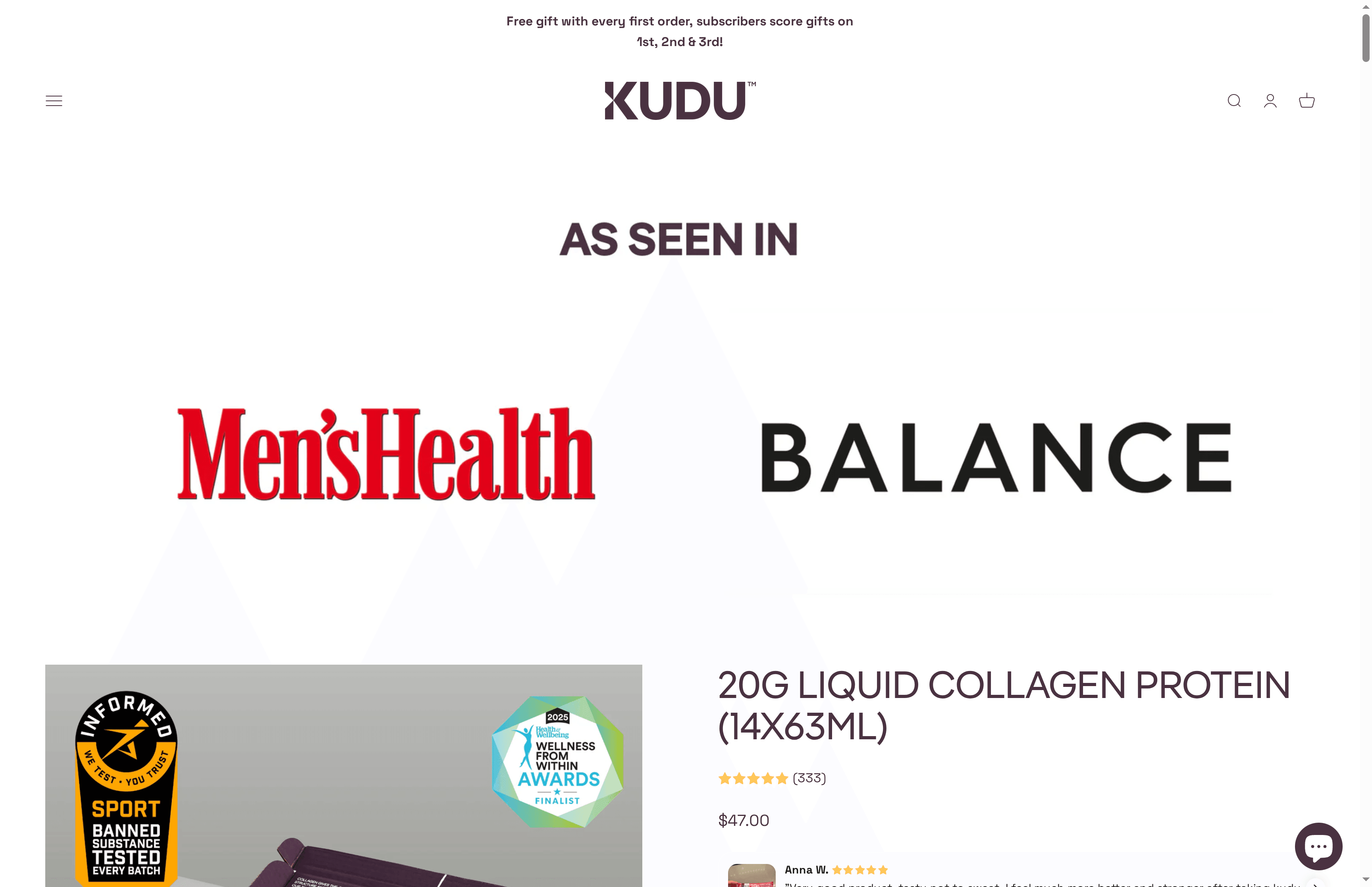
Take control of your nutrition today with KUDU Nutrition’s scientifically formulated collagen sachets trusted by athletes and health-conscious individuals alike. Visit our product page to start enhancing protein absorption the effective way and explore how KUDU Nutrition | 20g Collagen Protein for Performance & Recovery can transform your skin and fitness journey. Act now and invest in your body’s recovery and radiance with proven nutritional support.
Frequently Asked Questions
How can I assess my current protein intake for optimal absorption?
To assess your current protein intake, use a food diary or nutrition app to track daily consumption. Focus on categorising protein sources into animal and plant-based options to understand your dietary patterns better.
What is the best timing for protein intake to support muscle recovery?
Aim to consume protein evenly throughout the day, including at breakfast and after workouts. Consuming 20-30 grams of protein within 30-45 minutes post-exercise can significantly enhance muscle recovery.
Which nutrients should I combine with protein to maximise absorption?
Incorporate vitamins and minerals that support protein absorption, such as Vitamin C with plant proteins for better iron uptake. Pair foods like red peppers with beans to optimise your diet for protein metabolism.
What should I look for in collagen protein supplements?
When selecting collagen protein supplements, choose hydrolysed collagen peptides for better absorption and check for third-party certifications. Ensure the product includes Vitamin C to enhance utilisation of the collagen.
How can I effectively track my progress in maximising protein absorption?
Monitor key metrics like muscle mass, skin hydration, and energy levels regularly. Use monthly progress photos and journaling to refine your approach based on your body’s responses, making adjustments as needed.