


Around one in three British adults experience joint pain that can limit active lifestyles and slow down post-exercise recovery. For dedicated athletes and fitness enthusiasts across the UK, understanding your current joint health is more than a fitness checklist—it is a strategic move toward long term wellness. This guide uncovers practical steps for assessing joint mobility and highlights science-backed collagen solutions that empower you to recover faster and move with confidence.
Table of Contents
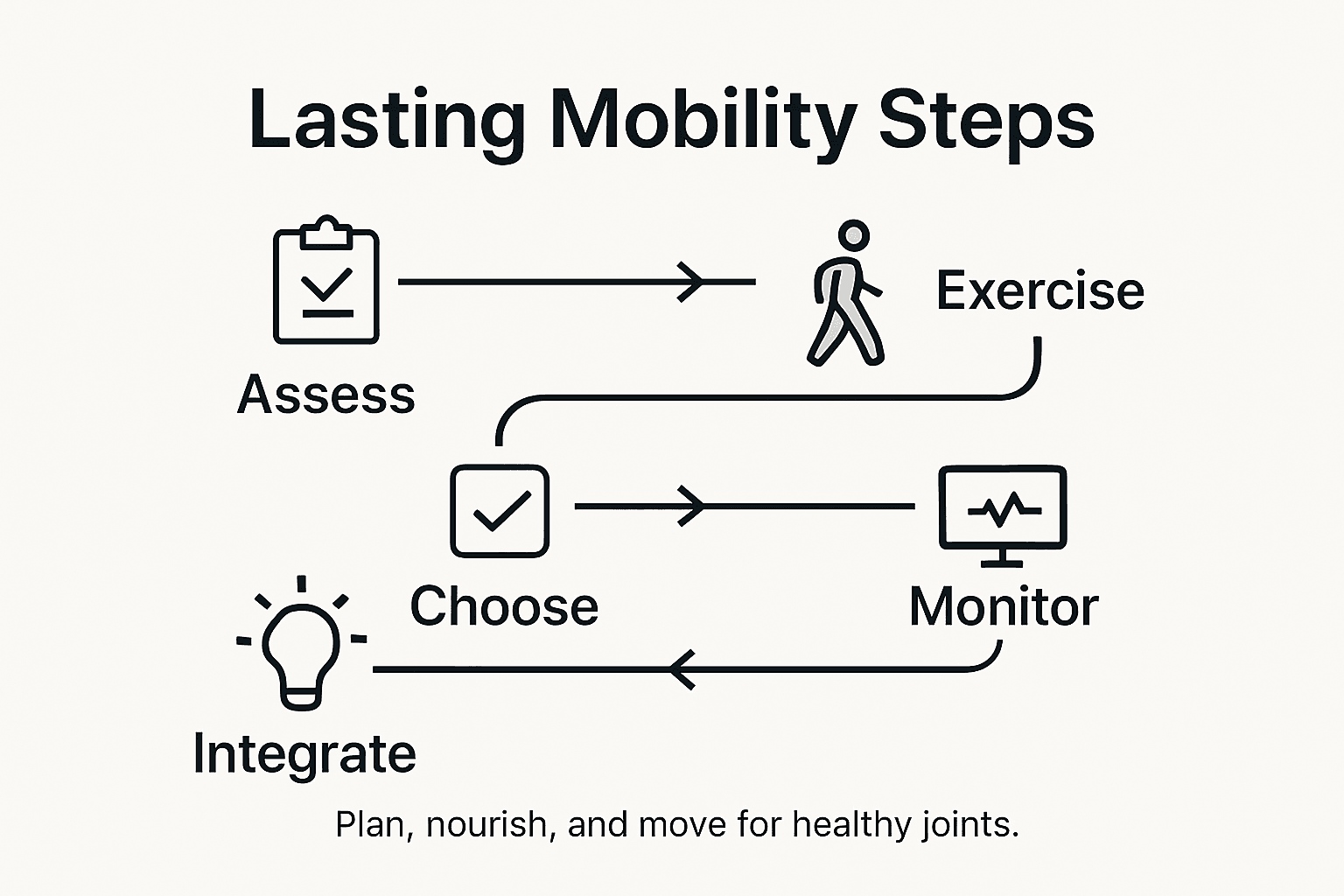
- Step 1: Assess Current Joint Health And Mobility
- Step 2: Choose Effective Collagen-Based Supplements
- Step 3: Integrate Targeted Nutrition Into Your Daily Routine
- Step 4: Adopt Supportive Exercise And Recovery Habits
- Step 5: Monitor Progress And Adjust Your Approach
Quick Summary
| Key Message | Explanation |
|---|---|
| 1. Assess joint health regularly | Conduct mobility screenings to understand your joint function and track changes in health over time. |
| 2. Choose high-quality collagen supplements | Prioritise type II collagen and other supportive nutrients for optimal joint health benefits. |
| 3. Integrate anti-inflammatory foods | Focus on a diet rich in omega-3 fatty acids, vitamins, and minerals to reduce joint inflammation. |
| 4. Engage in low-impact exercise | Select gentle workouts like swimming or walking to maintain joint health without stressing them. |
| 5. Monitor and adjust health strategies | Keep track of your joint health progress, making evidence-based adjustments as needed for improvement. |
Step 1: Assess current joint health and mobility
Understanding your baseline joint health is crucial for creating an effective mobility strategy. By carefully evaluating your current physical condition, you can design targeted interventions that prevent future complications and support long term joint wellness.
To conduct a comprehensive joint health assessment, start by performing a series of mobility screenings that measure your current range of motion, flexibility, and potential discomfort. The UK government guide on musculoskeletal health recommends examining key indicators such as joint stiffness, pain levels, and functional movement capabilities. Begin with simple self evaluations like tracking your ability to perform everyday activities without strain tracking your walking speed, climbing stairs, or lifting moderate weights.
Professional mobility assessments provide deeper insights into your joint health. Consider consulting a physiotherapist or sports medicine professional who can perform standardised tests measuring joint strength, flexibility, and potential areas of weakness. These assessments typically involve range of motion tests, strength evaluations, and functional movement screenings that provide a comprehensive picture of your musculoskeletal condition. By understanding your current mobility baseline, you can develop personalised strategies to maintain and improve joint health.
Expert Advice: Schedule a professional mobility assessment annually to track your joint health progression and catch potential issues early.
Here is a summary of common mobility assessment methods and their unique benefits:
| Assessment Method | Focus Area | Best For |
|---|---|---|
| Self-Evaluation | Daily activity performance | Quick home screening |
| Professional Screening | Strength and flexibility tests | Identifying underlying weaknesses |
| Digital Tracking Tools | Progress over time | Monitoring trends and changes |
Step 2: Choose effective collagen-based supplements
Navigating the world of collagen supplements requires a strategic approach to ensure you select the most beneficial product for your joint health. Your goal is to find a high quality supplement that provides meaningful support for your mobility and overall joint wellness.
When selecting a collagen supplement, focus on specific quality markers that indicate effectiveness. Clinical research on collagen’s joint health benefits suggests prioritising type II collagen formulations specifically designed for joint cartilage repair. Look for supplements that offer hydrolysed peptides which improve absorption and include complementary nutrients like vitamin C to enhance collagen synthesis. Professional guidance recommends checking for third-party testing, clear ingredient transparency, and scientific validation of the supplement’s manufacturing process.

Key considerations when choosing your collagen supplement include verifying the protein source, understanding the specific collagen type, and examining the overall nutritional profile. Opt for supplements that provide detailed information about their collagen extraction method, molecular weight, and bioavailability. Consider consulting with a healthcare professional who can provide personalised recommendations based on your specific joint health requirements and medical history.
Expert Advice: Choose collagen supplements with independently verified testing and transparent ingredient sourcing to ensure maximum joint health benefits.
Step 3: Integrate targeted nutrition into your daily routine
Transforming your diet to support joint health requires a strategic approach that goes beyond simple eating habits. Your nutritional choices can significantly impact joint inflammation, mobility, and overall musculoskeletal wellness.
National nutritional guidelines highlight the importance of targeted dietary strategies for managing joint health. Focus on incorporating anti-inflammatory foods rich in omega-3 fatty acids, such as fatty fish, walnuts, and flaxseeds. Prioritise whole grains, lean proteins, and colourful vegetables that provide essential vitamins and minerals supporting joint function. Aim to include vitamin D and calcium rich foods like dairy products, fortified plant milks, and leafy greens to strengthen bone and joint structures.
Building a joint supportive diet involves careful meal planning and understanding how specific nutrients interact with your body. Reduce processed foods high in refined sugars and saturated fats, which can increase systemic inflammation. Consider introducing nutrient dense foods like turmeric, ginger, and berries that offer natural anti inflammatory properties. Staying hydrated and maintaining a balanced diet that supports a healthy body weight will further contribute to long term joint health and mobility.
Expert Advice: Prepare weekly meal plans that intentionally include joint supportive nutrients to make healthy eating consistent and effortless.
This table highlights nutrients and foods that provide targeted support for joint health:
| Nutrient | Example Foods | Benefit for Joints |
|---|---|---|
| Omega-3 fatty acids | Salmon, flaxseeds, walnuts | Reduces inflammation |
| Vitamin D | Fortified milks, eggs | Supports bone strength |
| Calcium | Dairy, leafy greens | Maintains cartilage and bone |
| Antioxidants | Berries, turmeric, ginger | Limits oxidative joint damage |
Step 4: Adopt supportive exercise and recovery habits
Developing a strategic approach to exercise and recovery is crucial for maintaining long term joint health and preventing potential mobility restrictions. Your physical activity programme should be thoughtfully designed to support joint function while minimising potential strain or injury.
Official government health recommendations emphasise tailored physical activities that match individual fitness levels and joint capabilities. Begin with low impact exercises like swimming, walking, or gentle cycling that provide cardiovascular benefits without excessive joint stress. Incorporate strength training focused on supporting muscle groups around key joints, using lighter weights and higher repetitions to build resilience. Include regular stretching and range of motion exercises to maintain flexibility and reduce stiffness.
Recovery is equally important as the exercise itself. Implement proper warm up and cool down routines, allowing adequate rest between intense workout sessions. Consider techniques like gentle yoga, foam rolling, and targeted mobility exercises that support joint health and prevent potential injuries. Monitor your body’s response to exercise, adjusting intensity and type of activity as needed to maintain consistent progress without overexertion.
Expert Advice: Rotate different low impact exercise types to prevent repetitive strain and maintain overall joint mobility.
Step 5: Monitor progress and adjust your approach
Successful joint health management requires consistent tracking and strategic adaptation. By establishing a systematic approach to monitoring your progress, you can ensure your efforts remain effective and responsive to your body’s changing needs.
Health authorities recommend implementing comprehensive evaluation frameworks that track multiple dimensions of joint health and mobility. Start by establishing clear baseline measurements including range of motion, pain levels, and functional capacity. Document your progress through regular self assessments, tracking metrics like exercise performance, flexibility improvements, and any changes in joint comfort. Use a dedicated journal or digital tracking tool to record key indicators such as workout intensity, recovery times, nutritional intake, and subjective experiences of joint function.
Be prepared to make informed adjustments based on your documented findings. If certain strategies are not delivering expected results, modify your approach gradually and systematically. Consider consulting healthcare professionals who can provide objective insights and help interpret your progress data. Pay attention to subtle changes in your body signals, understanding that joint health is a dynamic process requiring ongoing refinement and personalised strategies.
Expert Advice: Create a monthly review schedule to critically analyse your joint health progress and make evidence based adjustments.
Support Your Joint Health Naturally with High Quality Collagen Solutions
Maintaining lasting mobility requires more than just exercise and diet. The article highlights the importance of targeted nutrition and selecting effective collagen supplements that support joint repair and reduce stiffness. Many people struggle with finding collagen products that truly deliver on absorption and quality while providing clear ingredient transparency and scientific validation. If you are aiming to enhance your joint flexibility and promote cartilage health, choosing the right supplement is key to feeling the difference.
Experience the benefits of our premium 20g Collagen Protein Supplements designed specifically for joint, skin, and bone support.

Take control of your joint health today by exploring KUDU Nutrition | 20g Collagen Protein for Performance & Recovery and invest in a supplement trusted for quality certification and enhanced bioavailability. Visit the product page at https://kudunutrition.com/products/20g-collagen-protein-14-pack now and start supporting your mobility naturally with every sachet.
Frequently Asked Questions
How can I assess my current joint health?
To assess your current joint health, perform mobility screenings that measure your range of motion, flexibility, and discomfort levels. Track how easily you can perform everyday activities like walking or climbing stairs to establish a baseline.
What type of collagen supplements should I choose for joint health?
Opt for collagen supplements that contain type II collagen specifically formulated for joint cartilage repair. Look for products with hydrolysed peptides and beneficial additives like vitamin C for better absorption and effectiveness.
What dietary changes can I make to support my joint health?
Incorporate anti-inflammatory foods rich in omega-3 fatty acids, such as fatty fish and walnuts, into your meals. Aim to prepare weekly meal plans that include nutrient-dense options like colourful vegetables and whole grains to maintain joint wellness.
What types of exercise are best for maintaining joint mobility?
Engage in low-impact exercises like swimming or cycling that minimise stress on your joints while providing cardiovascular benefits. Include strength training with lighter weights and regular stretching to enhance flexibility and reduce stiffness.
How can I monitor my joint health progress effectively?
Establish clear baseline measurements, such as range of motion and pain levels, and document your progress regularly. Use a journal or digital tracker to log your activities and make adjustments to your routine based on your findings at least once a month.
How often should I consult a healthcare professional about my joint health?
Schedule a professional mobility assessment at least once a year to evaluate your joint health and catch any potential issues early. This proactive approach will help you tailor your strategies for optimal long-term mobility.