

Finding reliable collagen solutions is a top priority for many british athletes and beauty enthusiasts, especially when research shows that nearly 40 percent of adults experience age-related collagen decline before turning 45. Whether you want to support joint health, enhance skin elasticity, or optimise fitness recovery, understanding hydrolysed collagen can make all the difference. This guide clarifies the science, benefits, and best practices behind collagen supplements to help you make choices that fit your active lifestyle.
Table of Contents
- What Hydrolysed Collagen Really Is
- Sourcing And Types Of Hydrolysed Collagen
- How Hydrolysed Collagen Supports Health
- Essential Nutritional And Absorption Benefits
- Risks, Myths, And What To Avoid
Key Takeaways
| Point | Details |
|---|---|
| Hydrolysed Collagen Definition | Hydrolysed collagen is a specialised protein supplement that provides smaller, more absorbable peptides, enhancing bioavailability compared to standard collagen. |
| Source Variability | Hydrolysed collagen can be sourced from bovine, porcine, marine, and chicken, each offering different amino acid profiles and benefits. |
| Health Benefits | It supports skin elasticity, joint mobility, and muscle recovery, making it particularly beneficial for athletes and those seeking overall wellness. |
| Consumption Tips | To maximise absorption, consume hydrolysed collagen on an empty stomach and pair it with vitamin C rich foods. |
What Hydrolysed Collagen Really Is
Hydrolysed collagen represents a sophisticated protein supplement engineered through precise biochemical processing. Unlike standard collagen, this variant undergoes specialised enzymatic breakdown, transforming complex protein structures into smaller, highly absorbable peptides. Collagen peptides from enzymatic hydrolysis are scientifically designed to enhance bioavailability and cellular uptake.
The molecular magic happens through a meticulous process called enzymatic hydrolysis, where large collagen molecules are strategically fragmented into shorter amino acid chains. These microscopic protein segments possess remarkable characteristics: they’re lightweight, exceptionally easy to digest, and capable of rapid absorption through the digestive system. By reducing molecular size, manufacturers create a supplement that can penetrate bodily tissues more efficiently than traditional collagen sources.
At its core, hydrolysed collagen represents a precision-engineered nutritional intervention. Athletes, fitness enthusiasts, and individuals seeking targeted tissue support appreciate its streamlined molecular structure. Unlike whole protein molecules that require extensive breakdown, these pre-processed peptides can directly stimulate the body’s natural collagen production mechanisms, potentially supporting skin elasticity, joint mobility, and muscle recovery.
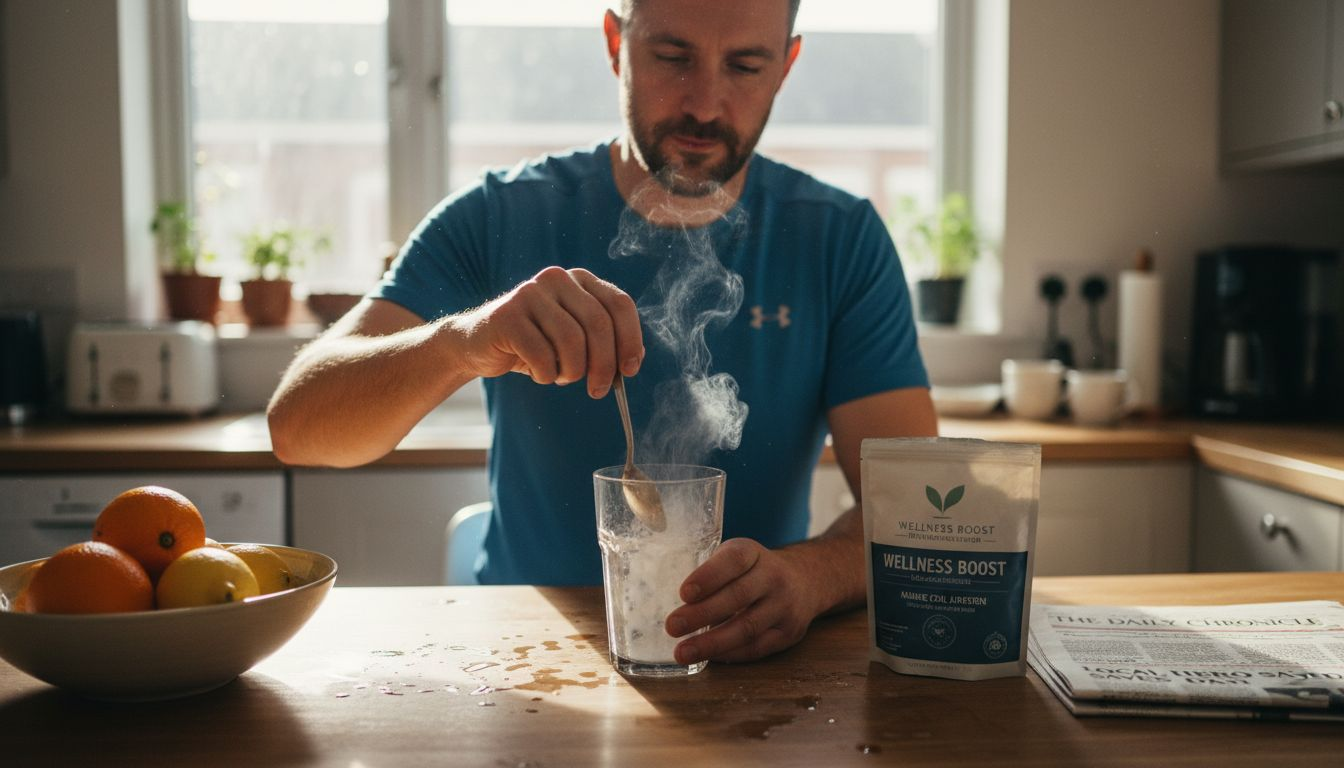
Pro Tip: Absorption Optimisation: When consuming hydrolysed collagen, pair it with vitamin C rich foods like citrus or berries to enhance peptide integration and support your body’s natural collagen synthesis process.
Sourcing And Types Of Hydrolysed Collagen
Hydrolysed collagen comes from diverse biological sources, each offering unique nutritional profiles tailored to specific health requirements. The primary sources include bovine (cattle), porcine (pig), marine (fish), and chicken-derived collagen. Bovine collagen sources remain particularly popular due to their comprehensive amino acid composition and widespread availability across the United Kingdom.
The primary classification of hydrolysed collagen centres around its protein origin and processing methodology. Bovine collagen typically derives from cattle hide and bones, rich in Type I and Type III collagen proteins crucial for skin, bone, and muscle tissue support. Marine collagen, extracted from fish scales and skin, offers higher bioavailability and contains predominantly Type I collagen, making it especially beneficial for skin health and wound healing. Chicken collagen, predominantly featuring Type II collagen, shows particular promise for joint and cartilage support.
Manufacturers employ sophisticated enzymatic hydrolysis techniques to break down these protein sources into smaller, more digestible peptides. This process involves carefully selected proteolytic enzymes that strategically fragment collagen molecules, creating low molecular weight peptides that can be rapidly absorbed by the human body. The hydrolysis method significantly enhances the supplement’s digestibility, ensuring that athletes, fitness enthusiasts, and individuals seeking targeted nutritional support can efficiently utilise these protein compounds.
To better understand the differences and best uses of hydrolysed collagen sources, see this comparison table:
| Collagen Source | Predominant Type | Main Benefit Area | Bioavailability |
|---|---|---|---|
| Bovine (cattle) | Types I & III | Skin, bones, muscle support | Moderate |
| Marine (fish) | Type I | Skin health, wound healing | High |
| Chicken | Type II | Joint and cartilage support | Moderate |
| Porcine (pig) | Types I & III | General tissue support | Moderate |
Pro Tip: Source Selection: When choosing a hydrolysed collagen supplement, prioritise products that clearly specify their collagen source, extraction method, and protein type to ensure you’re getting the most targeted nutritional support for your specific health goals.
How Hydrolysed Collagen Supports Health
Hydrolysed collagen emerges as a powerful nutritional intervention with comprehensive health benefits spanning multiple physiological systems. Type I collagen hydrolysate demonstrates remarkable potential for musculoskeletal health, particularly in supporting joint function, muscle recovery, and connective tissue maintenance. By delivering precisely engineered protein peptides, this supplement offers targeted support for athletes, fitness enthusiasts, and individuals seeking holistic wellness strategies.
The biological mechanisms of hydrolysed collagen are particularly intriguing for health-conscious individuals. Collagen supplementation triggers a cascade of physiological responses, stimulating the body’s intrinsic collagen production mechanisms. Scientific studies indicate that collagen hydrolysate can effectively increase the body’s natural collagen synthesis, contributing to improved bone density, enhanced skin elasticity, and more robust connective tissue structures. This process is especially beneficial for individuals experiencing age-related collagen decline or those subjected to intense physical training.

Beyond structural support, hydrolysed collagen plays a nuanced role in metabolic and recovery processes. Athletes and active individuals can experience significant benefits, with research suggesting improved joint mobility, reduced inflammation, and accelerated muscle repair. The low molecular weight peptides in hydrolysed collagen enable rapid absorption, ensuring that essential amino acids are quickly distributed to targeted tissue systems. This efficient delivery mechanism makes it a superior nutritional strategy compared to traditional protein supplements.
Here is a summary of the main physiological benefits provided by hydrolysed collagen:
| Health Benefit | Supported System | Typical User | Mechanism |
|---|---|---|---|
| Increased skin elasticity | Dermatological | Ageing individuals | Collagen synthesis boost |
| Improved joint mobility | Musculoskeletal | Athletes, elderly | Tissue repair support |
| Accelerated muscle repair | Muscular | Active individuals | Fast amino acid delivery |
| Reduced inflammation | Connective tissue | Fitness enthusiasts | Metabolic regulation |
Pro Tip: Absorption Optimisation: Consume hydrolysed collagen supplements on an empty stomach and combine with vitamin C rich foods to maximise peptide absorption and enhance your body’s natural collagen synthesis process.
Essential Nutritional And Absorption Benefits
Nutritional absorption represents a critical consideration in supplement effectiveness, and hydrolysed collagen stands out as a remarkably advanced nutritional solution. Hydrolysis produces peptides with superior bioavailability, transforming complex protein structures into easily digestible molecular fragments that the human body can rapidly integrate. This sophisticated processing technique ensures that athletes and health-conscious individuals receive maximum nutritional benefits with minimal digestive effort.
Protein peptide absorption occurs through an intricate cellular mechanism that distinguishes hydrolysed collagen from traditional protein supplements. The low molecular weight peptides enable rapid intestinal absorption, bypassing complex breakdown processes typical of standard protein sources. These microscopic protein fragments can directly penetrate the intestinal wall, facilitating swift transportation of essential amino acids to targeted tissue systems such as muscles, skin, and connective tissues. Why collagen matters for skin, joints, and fitness becomes particularly evident when understanding these advanced absorption pathways.
Nutritional benefits extend beyond simple protein delivery, encompassing a holistic approach to cellular health and regeneration. Hydrolysed collagen provides a comprehensive amino acid profile that supports muscle protein synthesis, joint tissue repair, and skin elasticity maintenance. The strategic combination of glycine, proline, and hydroxyproline creates a unique nutritional signature that actively promotes tissue regeneration, reduces inflammation, and supports metabolic processes essential for peak physical performance.
Pro Tip: Absorption Enhancement: Consume hydrolysed collagen supplements with vitamin C and avoid consuming simultaneously with other protein sources to maximise peptide uptake and minimise potential competitive absorption mechanisms.
Risks, Myths, And What To Avoid
Hydrolysed collagen supplementation requires nuanced understanding, with important considerations regarding safety, effectiveness, and potential misconceptions. While generally well-tolerated, individuals must approach supplementation with informed caution. Research indicates that individual responses can vary significantly, and blanket assumptions about universal benefits are misleading. Health-conscious consumers should recognise that collagen supplements are not a magical solution but a targeted nutritional intervention.
Several persistent myths surround collagen supplementation that demand critical examination. Quality control and evidence-based claims are paramount in evaluating collagen products, with many manufacturers making exaggerated anti-aging and performance enhancement promises. Common misconceptions include believing that all collagen supplements are identical, that more is always better, and that results are instantaneous. Scientific evidence suggests that absorption, source quality, and individual metabolic factors play crucial roles in determining supplement efficacy.
Potential risks associated with hydrolysed collagen are generally minor but warrant attention. Some individuals might experience mild digestive discomfort, allergic reactions, or interactions with existing medications. People with specific health conditions, such as kidney disorders or metabolic issues, should consult healthcare professionals before beginning supplementation. Additionally, individuals with known allergies to specific protein sources like fish or bovine products must carefully review supplement ingredients and potential cross-reactivity.
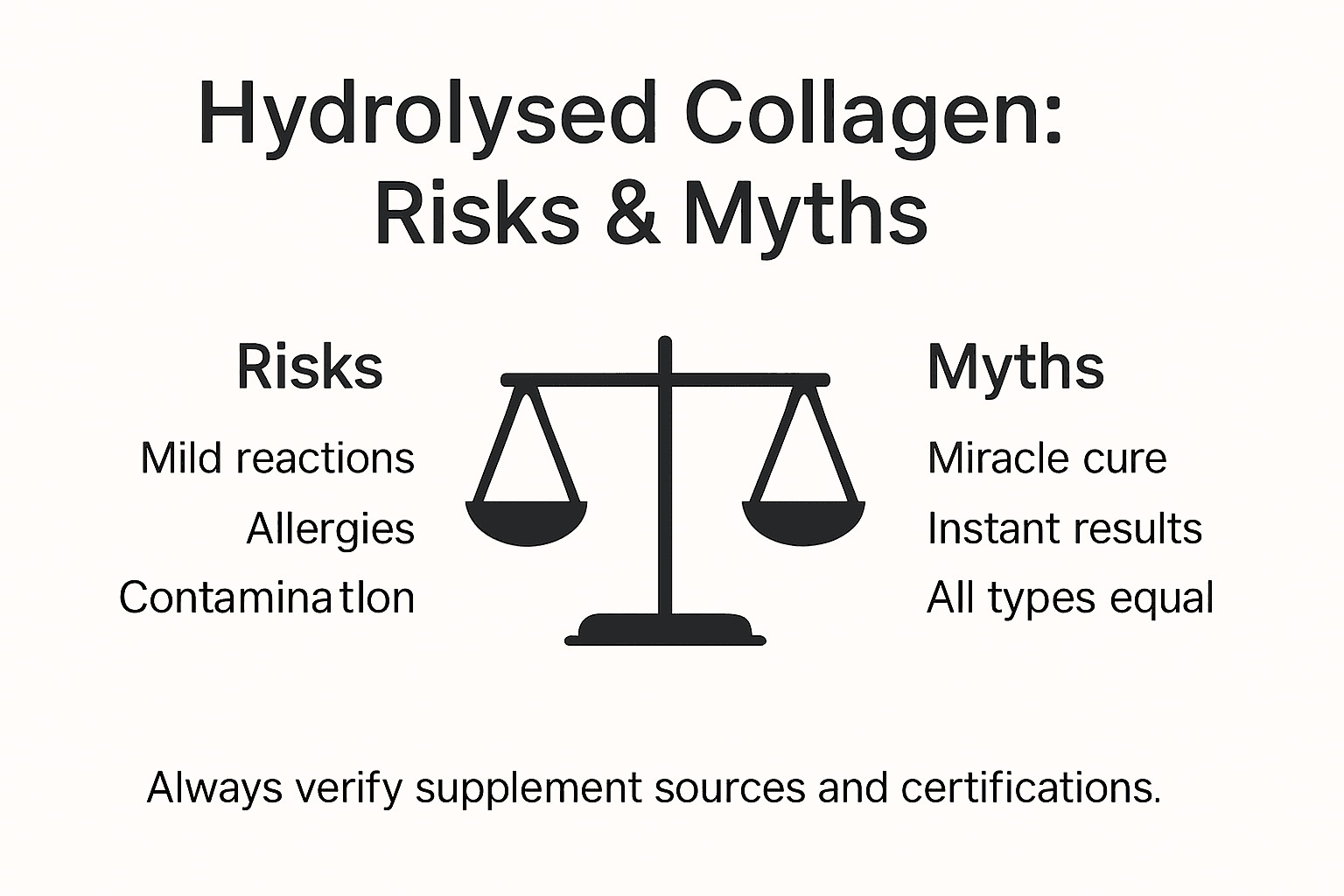
Pro Tip: Supplement Scrutiny: Always verify supplement ingredient sources, check for third-party testing certifications, and start with recommended dosages while monitoring your body’s individual response.
Unlock the Full Potential of Hydrolysed Collagen with KUDU Nutrition
The article highlights common challenges like poor collagen absorption, the need for targeted support for skin, joints and fitness recovery, and the importance of high-quality sources with proven bioavailability. If you seek to combat age-related collagen decline, improve joint mobility or accelerate muscle repair with a reliable supplement, understanding the power of enzymatic hydrolysis and nutrient synergy is key. Our specially formulated liquid collagen protein sachets deliver a high collagen content combined with superior digestibility to support your body’s natural collagen synthesis.
Experience the benefits of expertly sourced collagen with transparency around protein types and ingredient quality. Designed for athletes, health-conscious individuals and those invested in beauty and performance, KUDU Nutrition offers a premium solution that stands apart through certified quality and palatable taste. Discover how easy it is to integrate enhanced collagen peptides into your daily routine with our 20g Collagen Protein Supplements range.
Don’t let collagen decline slow you down. Take the next step towards healthier skin, stronger joints, and faster recovery by exploring our KUDU Nutrition | 20g Collagen Protein for Performance & Recovery. For detailed product information and to secure your pack, visit our main page at https://kudunutrition.com/products/20g-collagen-protein-14-pack today. Start supporting your body’s collagen needs now and feel the difference.
Frequently Asked Questions
What is hydrolysed collagen and how is it different from standard collagen?
Hydrolysed collagen is a protein supplement that has undergone enzymatic hydrolysis, breaking down complex collagen structures into smaller, easily absorbable peptides. This process enhances its bioavailability, allowing for better absorption compared to standard collagen supplements.
How does hydrolysed collagen support skin health?
Hydrolysed collagen primarily supports skin health by boosting the body’s natural collagen production, which improves skin elasticity, hydration, and overall appearance. Peptides from hydrolysed collagen stimulate fibroblasts, the cells responsible for collagen synthesis in the skin.
Can hydrolysed collagen benefit joint health?
Yes, hydrolysed collagen can benefit joint health, particularly through its Type II collagen content, which is believed to support cartilage repair and improve joint mobility. Regular supplementation may assist in reducing joint pain and enhancing overall function, especially for athletes and active individuals.
What are the best practices for taking hydrolysed collagen?
To maximise absorption of hydrolysed collagen, it’s recommended to take it on an empty stomach and combine it with vitamin C-rich foods, such as citrus fruits. Avoid taking it with other protein sources to enhance peptide uptake and reduce competitive absorption mechanisms.