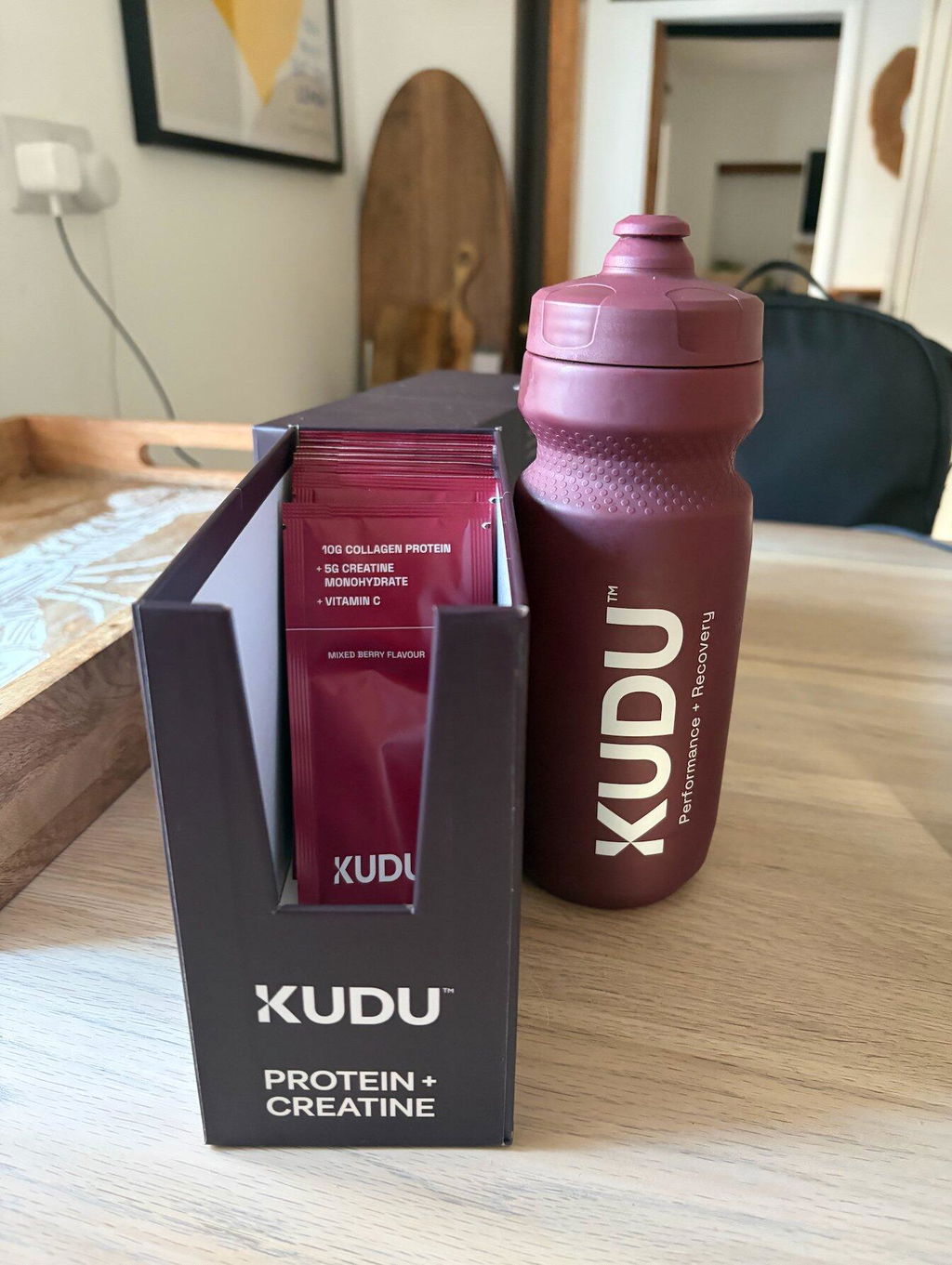

Most British athletes know that choosing the right supplement can make or break their training results. With the sports nutrition market growing rapidly, quality concerns are on the rise—in fact, over 40 percent of supplements tested in the United Kingdom show issues with mislabeling or contamination. Understanding what sets a trustworthy collagen product apart is more than a preference, it is a safeguard for your health and performance. Discover how to identify the best features and certifications for collagen supplements that support your athletic goals.
Table of Contents
- Choose Verified Collagen For Quality Assurance
- Check Collagen Type Suited For Athletes’ Needs
- Assess Protein Content Per Serving For Results
- Review Ingredient Transparency And Allergens
- Consider Digestibility And Taste Preferences
- Plan Optimal Timing For Collagen Supplementation
- Monitor Benefits For Skin, Joints, And Recovery
Quick Summary
| Takeaway | Explanation |
|---|---|
| 1. Choose Verified Collagen | Select high-quality, certified collagen to ensure safety and efficacy, avoiding contamination risks and maximising benefits. |
| 2. Know Your Collagen Types | Identify collagen types that support your specific athletic needs for optimal recovery and performance, ensuring the right nutrition strategy. |
| 3. Assess Protein Content | Aim for 15-25 grams of collagen protein per serving to enhance muscle recovery and tissue repair, aligning intake with your training goals. |
| 4. Check Ingredient Transparency | Prioritise supplements with clear ingredient lists to avoid allergens and ensure you know what you’re consuming for better health. |
| 5. Plan Supplement Timing | Take collagen strategically before workouts, preferably with vitamin C, to enhance absorption and support muscle recovery effectively. |
1. Choose Verified Collagen for Quality Assurance
Athletes seeking optimal performance understand that not all collagen supplements are created equal. Selecting a high quality, verified collagen product is crucial for ensuring maximum nutritional benefit and avoiding potential contamination.
Quality assurance goes beyond marketing claims. You need to look for specific third party certifications that validate a supplement’s purity and effectiveness. Sports Research’s Collagen Peptides demonstrate an excellent example of rigorous testing standards, holding both NSF Gluten-Free and Informed Choice certifications.
Key Verification Criteria for Athletes:
- Third Party Testing: Seek supplements independently verified by recognised laboratories
- Manufacturing Standards: Prioritise products produced in cGMP (Current Good Manufacturing Practice) certified facilities
- Certification Marks: Look for credible certifications like NSF, Informed Sport, or Informed Choice
- Ingredient Transparency: Choose brands providing complete ingredient lists and sourcing information
By prioritising verified collagen supplements, you protect your health, ensure nutritional quality, and support your athletic performance with confidence. Athletes cannot afford to compromise on supplement integrity.
2. Check Collagen Type Suited for Athletes’ Needs
Athletes require specific collagen types to support their unique physical demands and recovery needs. Understanding the different collagen varieties can dramatically impact your nutritional strategy and performance outcomes.
Four Primary Collagen Types Critical for Athletic Performance:
- Type I Collagen: Predominant in skin, tendons, and ligaments. Essential for overall structural integrity and injury prevention
- Type II Collagen: Crucial for joint health and cartilage maintenance. Particularly beneficial for high impact athletes
- Type III Collagen: Supports muscle structure and cardiovascular system recovery
- Type V Collagen: Supports muscle, tendon, and ligament regeneration
Selecting the right collagen for active lifestyles means understanding how each type contributes to your body’s specific recovery and performance requirements. Not all collagen supplements are identical athletes must strategically choose formulations addressing their individual training stress and physiological needs.
Consider your specific athletic discipline when selecting collagen. Endurance runners might prioritise different collagen types compared to strength training athletes. The goal is creating a personalised nutritional approach that supports your unique physiological demands and athletic performance targets.
3. Assess Protein Content Per Serving for Results
Optimal athletic performance hinges on precise nutritional intake, and collagen protein serves as a critical component in muscle recovery and tissue repair. Understanding the protein content per serving becomes a strategic decision for athletes seeking maximum physiological benefits.
Key Protein Content Considerations for Athletes:
- Recommended Daily Intake: Aim for 15 to 25 grams of collagen protein per serving
- Absorption Rate: Higher protein concentrations support faster muscle recovery
- Performance Metrics: Protein quantity directly correlates with tissue regeneration potential
- Individual Variations: Adjust intake based on body weight, training intensity, and specific athletic goals
Protein sources for muscle recovery demonstrate significant variations in effectiveness. Professional athletes recognise that brands like Sports Research offer robust options, with their collagen peptides providing an impressive 20 grams of protein per serving.
Comparing supplement brands becomes crucial. For instance, Primabiotic Collagen Sport delivers 10,000 mg of collagen peptides per 30 ml serving, highlighting the importance of carefully examining nutritional labels. Your chosen collagen supplement should align precisely with your body’s unique physiological demands and performance objectives.
4. Review Ingredient Transparency and Allergens
Ingredient transparency represents a critical factor in selecting high quality collagen supplements for athletes. Understanding exactly what goes into your nutritional support can prevent potential adverse reactions and ensure optimal performance.
Critical Allergen and Ingredient Assessment Factors:
- Common Allergen Screening: Identify potential wheat, dairy, soy, and egg protein triggers
- Sourcing Verification: Confirm animal protein origins and processing methods
- Chemical Additive Checks: Evaluate presence of artificial colours, preservatives, or unnecessary fillers
- Manufacturing Standards: Prioritise supplements produced in certified facilities
Athletes with specific dietary requirements should pay particular attention to comprehensive ingredient profiles. Sports Research’s Collagen Peptides demonstrate an excellent model of transparency, offering non-GMO, gluten-free, and dairy-free options with clear third-party testing documentation.
Your individual physiological response matters more than marketing claims. Carefully reading ingredient lists, understanding potential allergen interactions, and selecting supplements with transparent sourcing can significantly impact your nutritional strategy and overall athletic performance.
5. Consider Digestibility and Taste Preferences
Not all collagen supplements are created equal when it comes to digestibility and palatability. Athletes require nutritional solutions that seamlessly integrate into their dietary routines without compromising taste or absorption.
Key Digestibility and Taste Considerations:
- Absorption Rate: Select hydrolysed collagen peptides for faster digestion
- Mixing Capability: Prioritise supplements that dissolve easily in various liquids
- Flavour Profile: Choose options complementing your current nutritional strategy
- Sensory Experience: Evaluate texture and immediate palatability
Sports Research’s Collagen Peptides demonstrate an excellent approach by offering an unflavoured formula that dissolves effortlessly in liquids. Similarly, Primabiotic Collagen Sport provides a refreshing pineapple flavour, showcasing how manufacturers are developing more consumer friendly options.
Your supplement should feel like a natural addition to your nutrition plan rather than a chore. Experiment with different formats liquid, powder, flavoured or unflavoured to discover what best supports your athletic performance and personal taste preferences.
6. Plan Optimal Timing for Collagen Supplementation
Timing is everything when it comes to maximising the physiological benefits of collagen supplementation for athletes. Strategic consumption can dramatically enhance absorption and support muscle recovery processes.
Strategic Supplementation Windows:
- Pre Training: Consume 15 to 20 grams of collagen 45 to 60 minutes before exercise
- Vitamin C Synergy: Pair collagen with 50 mg of vitamin C to boost absorption
Understanding the intricate relationship between collagen intake and fitness performance becomes crucial for serious athletes. Athleats Nutrition research suggests precise timing can significantly improve protein synthesis and tissue repair potential.
Your individual training schedule will dictate the most appropriate supplementation strategy. Some athletes prefer morning consumption, while others integrate collagen directly into post workout nutrition. The key is consistency and understanding how your body responds to different timing protocols.
7. Monitor Benefits for Skin, Joints, and Recovery
Tracking the multifaceted benefits of collagen supplementation provides athletes with critical insights into their holistic physiological improvements. Understanding how collagen impacts different body systems allows for more targeted nutritional strategies.
Key Performance Tracking Metrics:
- Joint Flexibility: Measure range of motion and reduction in post exercise stiffness
- Recovery Speed: Monitor time required to return to peak performance after intense training
- Skin Elasticity: Observe improvements in skin texture and hydration
- Injury Prevention: Track frequency and severity of potential muscle or tendon strain
Research demonstrates that collagen supports joint health and performance through multiple mechanisms. Athletes can expect decreased post workout pain, improved tendon and ligament strength, and enhanced overall mobility.
Consistent monitoring requires maintaining a detailed training journal documenting supplement intake, physical sensations, performance metrics, and observable changes. Your body provides nuanced feedback signals that reveal the profound impact of strategic collagen supplementation.
Below is a comprehensive table summarising the key points for athletes regarding collagen supplementation as discussed in the article.
| Aspect | Details | Benefits/Outcomes |
|---|---|---|
| Verified Collagen | Look for third party certifications, cGMP standards, and ingredient transparency. | Ensures quality, purity, and effectiveness. |
| Collagen Types | Type I, II, III, and V support different body needs. | Addresses structural integrity, joint health, muscle support. |
| Protein Content | Aim for 15-25 grams per serving, consider absorption rate. | Enhances muscle recovery and tissue repair. |
| Ingredient Transparency | Check for allergens, sourcing verification, and absence of additives. | Prevents adverse reactions and ensures optimal nutrition. |
| Digestibility & Taste | Choose hydrolysed options and consider flavour preferences. | Integrates smoothly into dietary routines. |
| Supplementation Timing | Pre-training intake with vitamin C can boost absorption. | Improves protein synthesis and recovery. |
| Performance Monitoring | Track joint flexibility, recovery speed, skin elasticity. | Provides insights into body improvements and adjust strategies. |
Unlock Your Peak Athletic Potential with the Right Collagen Support
Athletes face unique challenges such as optimising recovery, maintaining joint health, and achieving consistent performance gains. The article emphasises the importance of choosing verified collagen with precise types and protein content to address these goals. If you want a supplement that offers high collagen content, taste quality, and trusted certification, you need a solution designed specifically to meet those demands.
Discover how 20g Collagen Protein Supplements from KUDU Nutrition deliver exactly what the article advises: premium collagen for enhanced skin, joint, and bone health with clean ingredients and perfect digestibility.
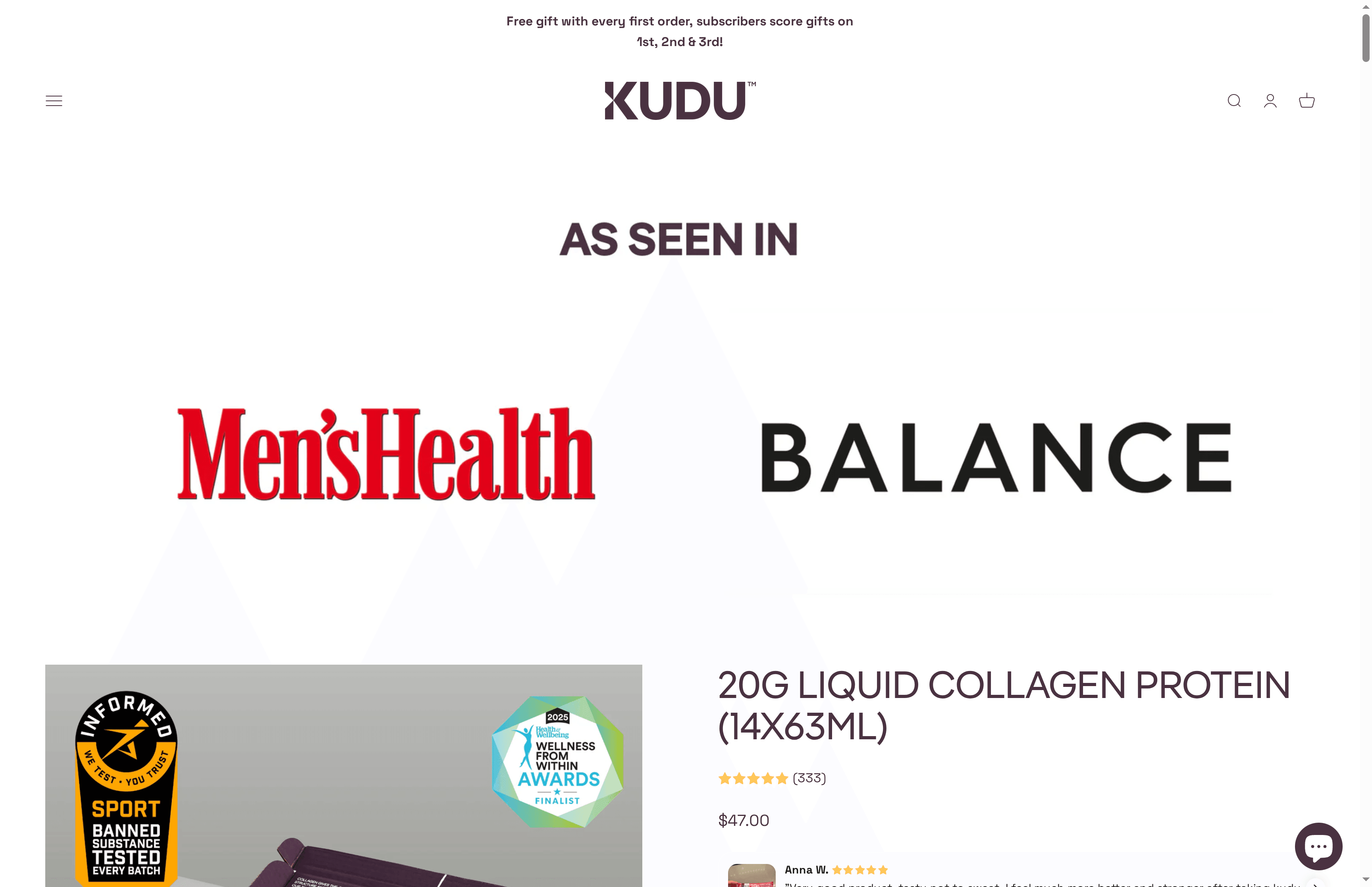
Take control of your training recovery and unlock better performance today. Visit our product landing page at KUDU Nutrition | 20g Collagen Protein for Performance & Recovery and explore our complete front page collection to find personalised collagen solutions that fit your athletic lifestyle. Don’t wait to experience the benefits of collagen done right.
Frequently Asked Questions
What should I look for in a collagen supplement as an athlete?
To select a high-quality collagen supplement, focus on third-party certifications, manufacturing standards, and ingredient transparency. Prioritise products with cGMP certifications and clean ingredient lists, as these will maximise your nutritional benefits.
How do I know which type of collagen is best for my athletic needs?
Consider your sport when choosing a collagen type. For joint health, Type II collagen is ideal, while Type I supports skin and tendons. Identify which collagen type aligns with your specific performance requirements to enhance your training outcomes.
How much collagen protein should I consume per serving?
Aim for 15 to 25 grams of collagen protein per serving to optimally support muscle recovery and tissue repair. Monitor your intake according to your body weight and training intensity to ensure you are meeting your specific needs.
What should I consider regarding allergens in collagen supplements?
It is essential to assess common allergens, sourcing, and the presence of chemical additives in collagen products. Read the ingredient label carefully and choose supplements free from wheat, dairy, soy, and artificial preservatives to avoid any adverse reactions.
When is the best time to take collagen for my training?
The optimal time to consume collagen is 45 to 60 minutes before training or during your post-workout recovery. Pair it with a source of Vitamin C to enhance absorption and support your muscle recovery process effectively.
How can I monitor the benefits of collagen supplementation?
Track improvements in joint flexibility, recovery speed, skin elasticity, and injury prevention. Keeping a training journal can help you document changes and evaluate the effectiveness of collagen in supporting your athletic performance.