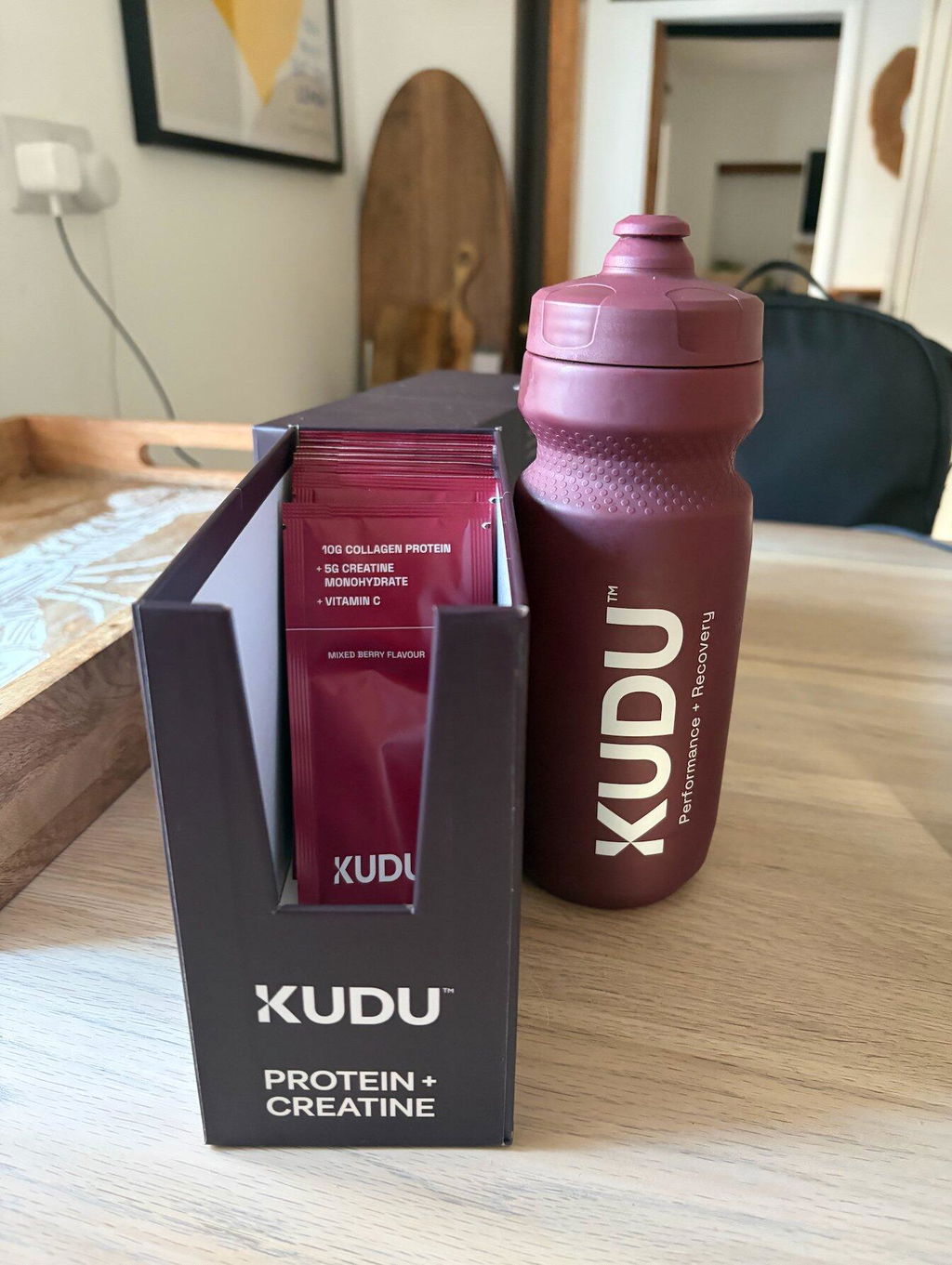


Over one third of British adults take some form of dietary supplement, yet few truly understand how collagen supports the body from the inside out. As the most abundant protein in the animal kingdom, collagen is critical for skin elasticity, joint strength, and muscle recovery. Athletes and health enthusiasts alike benefit from learning how this powerhouse protein influences everyday performance and long-term wellbeing.
Table of Contents
- What Is Collagen and How Does It Work?
- Types of Collagen Used in Sport
- Collagen’s Impact on Joint and Muscle Health
- How Collagen Aids Athletic Recovery
- Choosing and Using Collagen Supplements
Key Takeaways
| Point | Details |
|---|---|
| Collagen as a Structural Protein | Collagen is the most abundant protein in the animal kingdom, providing crucial structural support to skin, tendons, ligaments, and other tissues. Its unique triple-helix structure grants strength and elasticity necessary for bodily integrity. |
| Types of Collagen in Athletic Performance | Types I and II collagen are vital for muscle and joint health, aiding in recovery and performance, while hydrolysed collagen peptides promote efficient absorption and collagen synthesis in the body. |
| Collagen’s Role in Recovery | Collagen supplementation reduces muscle damage and inflammation, enhancing post-exercise recovery and joint resilience, particularly beneficial for athletes undergoing high-intensity training. |
| Personalised Supplement Strategies | Individual needs for collagen supplementation vary; athletes should consult sports nutrition professionals to create tailored intake protocols that maximise benefits according to their specific goals and conditions. |
What Is Collagen and How Does It Work?
Collagen is the fundamental protein responsible for providing structural integrity throughout the human body. As the most abundant protein in the animal kingdom, collagen acts like a biological scaffold, supporting critical tissues including skin, tendons, ligaments, and connective structures.
At its core, collagen consists of complex protein molecules arranged in a distinctive triple-helix structure that delivers remarkable strength and elasticity. Different collagen types serve specific biological functions, with Type I prevalent in skin and bone, while Type II concentrates in cartilage. This protein’s unique molecular configuration enables it to provide tensile strength that maintains tissue resilience and functionality.
Athletes and fitness enthusiasts particularly benefit from understanding collagen’s role in bodily recovery and performance. The protein supports joint health, muscle repair, and helps maintain the structural integrity of connective tissues. Its amino acid profile promotes tissue regeneration, making it a crucial component for athletes seeking optimal physical recovery and long-term musculoskeletal wellness.
Collagen production naturally declines with age, which can impact athletic performance and recovery rates. By supplementing with high-quality collagen protein, individuals can potentially support their body’s structural proteins, enhance joint mobility, and promote faster muscle and tissue repair. Understanding how this foundational protein works provides insights into maintaining peak physical condition throughout an athletic career.
Types of Collagen Used in Sport
Different collagen types play crucial roles in supporting athletic performance and recovery. Primarily, athletes focus on Type I and Type II collagens, each offering unique benefits for muscular and joint health. Type I collagen, abundantly found in skin, bone, and tendons, provides essential structural support critical for maintaining physical resilience during intense training.
Type II collagen emerges as particularly significant for joint health, concentrating primarily in cartilage tissues. Sports nutrition specialists often recommend targeted collagen supplementation to support joint functionality and reduce potential inflammation. Hydrolyzed collagen peptides, derived from sources like bovine and marine proteins, contain concentrated amino acids such as glycine and proline that directly contribute to collagen synthesis within the body.
Athletes across various disciplines benefit from understanding these specific collagen types. Type III collagen, which supports muscle and blood vessel elasticity, complements the structural roles of Type I and Type II. These protein variations work synergistically to enhance tissue repair, muscle recovery, and overall physical performance. Regular intake of targeted collagen supplements can potentially mitigate joint discomfort and improve mobility for professional and amateur athletes alike.
The strategic selection of collagen supplements depends on individual athletic needs and specific performance goals. While Type I and Type II collagens remain most prominent in sports nutrition, emerging research continues to explore the nuanced roles of additional collagen variants. Athletes seeking optimal recovery and joint support should consult sports nutrition professionals to develop personalised supplementation strategies that align with their unique physiological requirements.
Collagen’s Impact on Joint and Muscle Health
Athletes face unique physiological challenges that demand comprehensive nutritional support, and collagen plays a pivotal role in maintaining optimal muscular and joint performance. Preventing injuries and supporting muscle recovery are critical aspects of an athlete’s nutritional strategy, with collagen supplementation emerging as a powerful intervention for musculoskeletal health.
The mechanism of collagen’s impact on muscle and joint tissues involves complex biochemical interactions. Collagen provides essential amino acids that support connective tissue regeneration, helping athletes maintain joint flexibility and reduce inflammation. By promoting protein synthesis and supporting tendon strength, collagen helps mitigate the risk of sports-related injuries and accelerates post-exercise recovery.
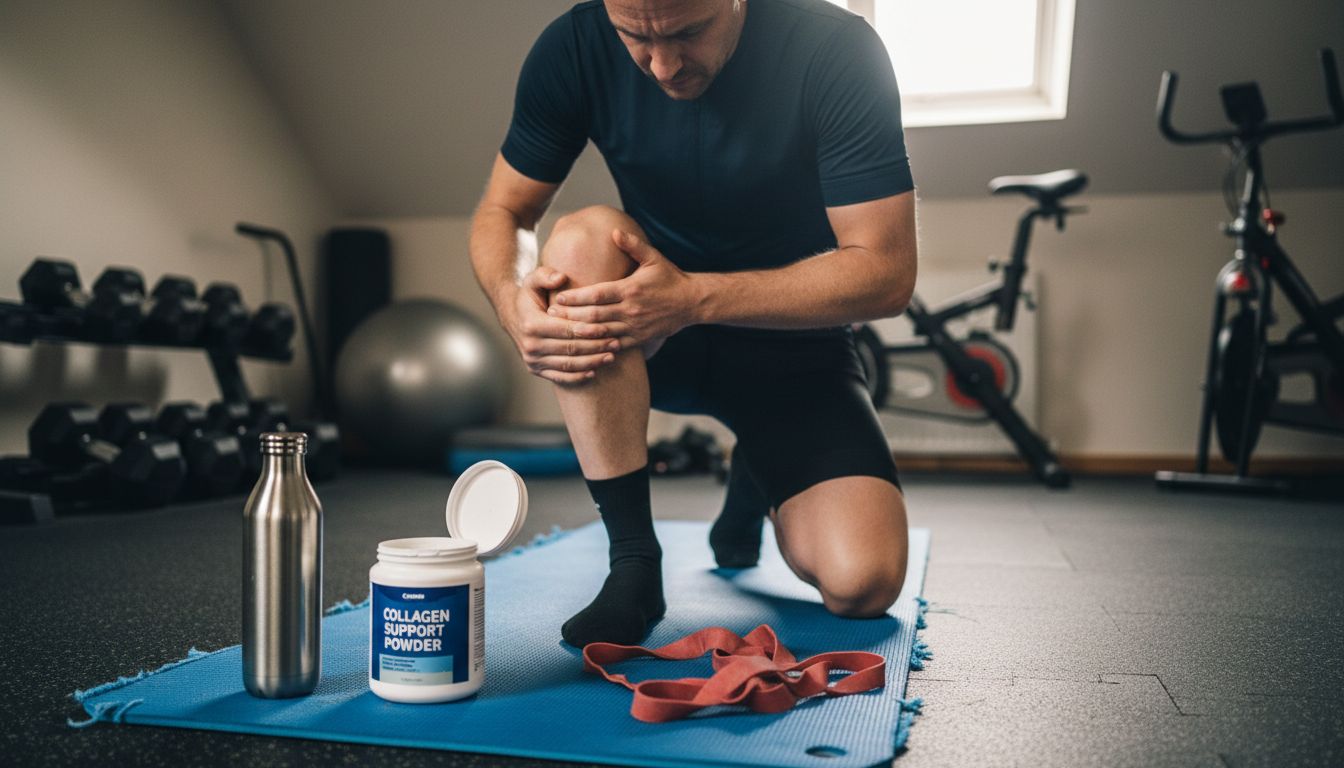
Muscle growth and joint resilience are intricately connected to collagen’s structural properties. Muscle development relies on robust connective tissue support, with collagen playing a crucial role in maintaining the integrity of muscle fibres and joint cartilage. Regular collagen intake can potentially enhance muscle protein synthesis, improve joint mobility, and support the body’s natural repair mechanisms during intense training periods.
Understanding individual physiological needs remains paramount when considering collagen supplementation. Athletes should recognise that while collagen offers significant benefits, its effectiveness varies based on factors such as age, training intensity, and overall nutritional status. Consulting sports nutrition professionals can help develop personalised strategies that maximise collagen’s potential for improving joint function, muscle recovery, and long-term athletic performance.
How Collagen Aids Athletic Recovery
Hydrolyzed collagen supplementation plays a critical role in enhancing skeletal muscle health and accelerating recovery for athletes across various disciplines. The bioavailable low-molecular-weight collagen peptides contribute to reduced muscle damage and fatigue, offering a powerful nutritional intervention for those seeking optimal performance and swift post-exercise rehabilitation.
The biochemical mechanisms of collagen’s recovery benefits are particularly fascinating. Protein synthesis is dramatically supported through collagen’s unique amino acid profile, which helps repair micro-tears in muscle tissue and strengthen connective structures. Consuming a gelatin and vitamin C-rich supplement before intermittent activity can significantly increase collagen synthesis, potentially reducing injury risk and improving overall tissue repair rates.
Athletes experiencing intense training regimens can benefit substantially from strategic collagen supplementation. By supporting muscle protein regeneration and reducing inflammation, collagen helps mitigate the physiological stress associated with high-intensity workouts. The protein’s ability to enhance joint mobility and muscle resilience makes it an invaluable component of comprehensive athletic nutrition strategies.
Individual recovery needs vary widely, and athletes should approach collagen supplementation as a personalised intervention. Factors such as training intensity, age, nutritional status, and specific athletic goals all influence the effectiveness of collagen’s recovery mechanisms. Consulting sports nutrition professionals can help develop tailored approaches that maximise the potential of collagen supplementation for optimal athletic performance and long-term musculoskeletal health.
Choosing and Using Collagen Supplements
Selecting the right collagen supplement requires careful consideration of dosage, timing, and individual physiological needs for athletes seeking optimal performance and recovery. Understanding the nuanced approach to supplementation can significantly impact the effectiveness of collagen’s potential benefits.
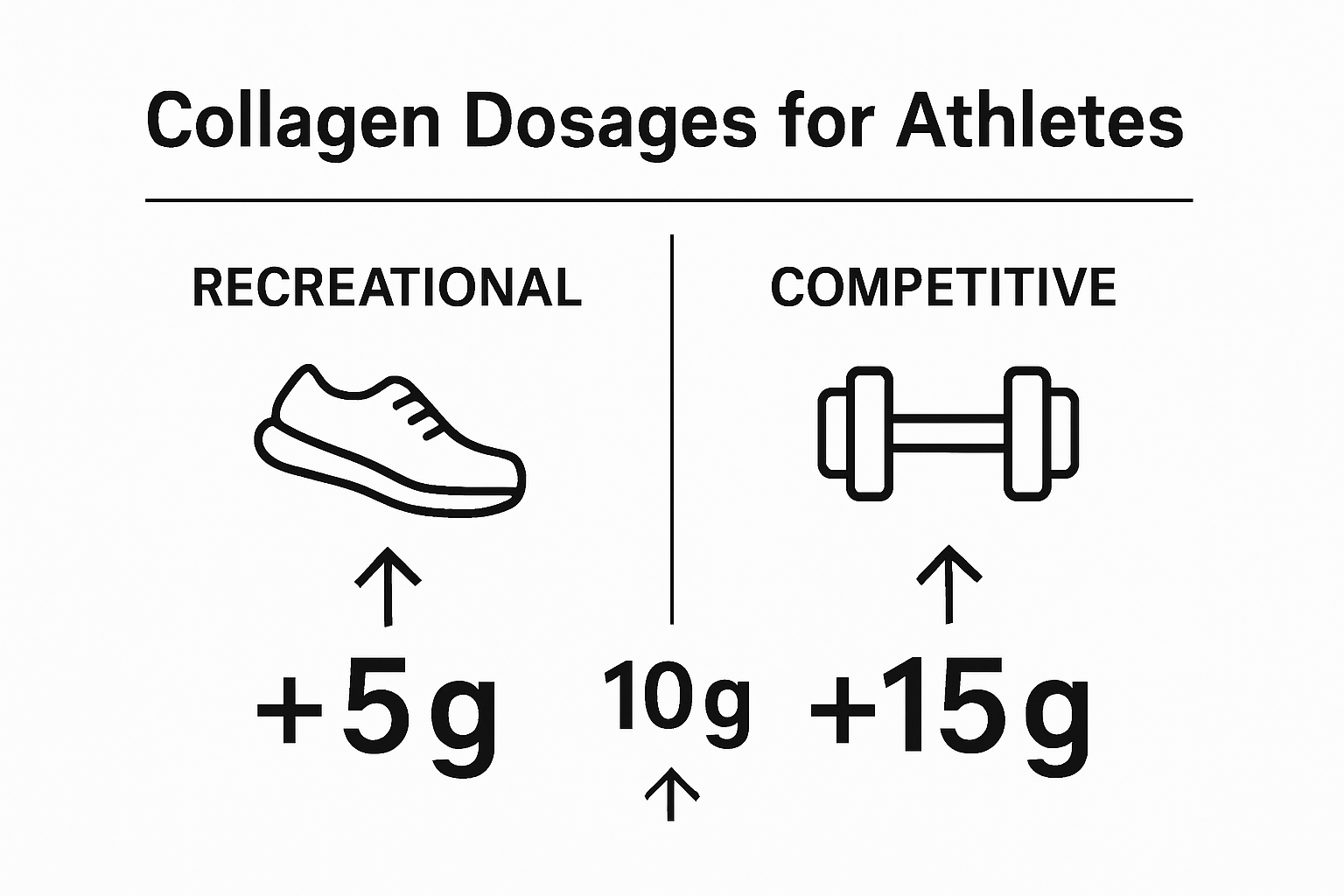
Research suggests a strategic approach to collagen intake. Supplementation protocols recommend consuming 5-15 grams of collagen peptides daily, preferably one hour before exercise, and maintaining this regimen for at least three months to observe meaningful results. Athletic performance and connective tissue health depend on thoughtful supplement integration, recognising that collagen may not universally increase protein synthesis rates during training.
Key factors to consider when choosing collagen supplements include source quality, peptide molecular weight, and additional nutritional components. Athletes should prioritise hydrolysed collagen peptides with high bioavailability, potentially combined with vitamin C to enhance absorption. Different collagen types target specific physiological needs, so understanding your individual requirements becomes crucial in selecting the most appropriate supplement.
Ultimately, collagen supplementation is not a one-size-fits-all solution. Individual variations in training intensity, nutritional status, and physiological response mean athletes must adopt a personalised approach. Consulting sports nutrition professionals can help develop a tailored supplementation strategy that aligns with specific performance goals and supports long-term athletic development.
Support Your Athletic Journey with Targeted Collagen Nutrition
Athletes understand that joint health, muscle recovery, and sustained performance depend on more than just training effort. This article highlights the importance of collagen types I and II in maintaining connective tissue and accelerating recovery. If you are looking to reduce injury risk and enhance your physical resilience collagen supplementation can provide the support you need to keep pushing your limits.
Experience the difference with 20g Collagen Protein Supplements from KUDU Nutrition. Our scientifically formulated liquid collagen sachets deliver high collagen content with exceptional taste and quality certification including Informed Sport. Benefiting skin joints bones and fitness recovery has never been easier.

Take control of your recovery today and fuel your body with collagen proven to enhance joint mobility and muscle repair. Visit https://kudunutrition.com/products/20g-collagen-protein-14-pack to get started and explore how KUDU Nutrition | 20g Collagen Protein for Performance & Recovery can support your long-term athletic goals.
Frequently Asked Questions
What is collagen and how does it benefit athletes?
Collagen is the most abundant protein in the body, providing structural support to tissues such as skin, tendons, and ligaments. For athletes, collagen supports joint health, muscle repair, and enhances overall physical performance through its role in tissue regeneration.
What types of collagen are most beneficial for athletic performance?
Type I and Type II collagens are most relevant for athletes. Type I collagen supports skin, bone, and tendon structure, while Type II collagen is essential for joint health, primarily found in cartilage.
How does collagen supplementation aid in recovery for athletes?
Collagen supplementation enhances muscle protein synthesis and helps repair micro-tears in muscle tissue. It also reduces inflammation and accelerates tissue repair post-exercise, making it an effective intervention for quick recovery after intense training.
What is the recommended dosage of collagen for athletes?
Research suggests a daily intake of 5-15 grams of collagen peptides, ideally taken one hour before exercise. Consistent use over at least three months can provide meaningful benefits for athletic performance and recovery.