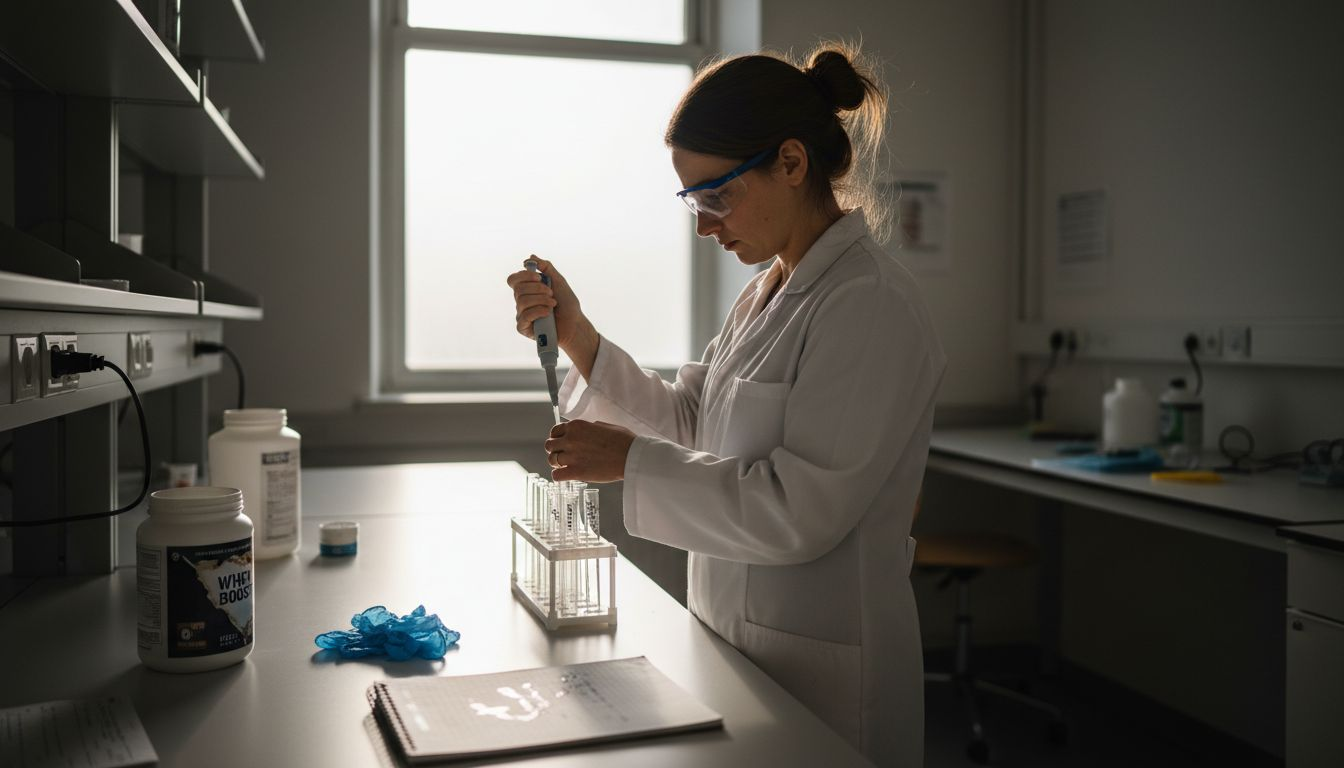


Recovering from intense exercise is often harder than the workout itself. If you wake up sore or notice your energy fading after training, you are not alone. The right nutrition can make all the difference between sluggish recovery and real progress.
Great recovery goes beyond just protein shakes and water. You need smart timing, balanced nutrients, and specific strategies that match your exercise demands. The best part? Small changes in your routine can lead to faster muscle repair, better joint health, and more consistent performance.
Get ready to discover practical recovery nutrition steps that work. These evidence-backed tips will help you bounce back from hard sessions and keep moving towards your athletic goals.
Table of Contents
- 1. Prioritise Protein Intake After Every Workout
- 2. Incorporate High-Collagen Supplements For Joints
- 3. Stay Hydrated With Electrolyte-Rich Fluids
- 4. Balance Carbohydrates For Muscle Glycogen Refill
- 5. Focus On Antioxidant-Rich Fruits And Vegetables
- 6. Time Your Recovery Nutrition For Best Results
- 7. Monitor And Adjust Nutrition To Training Load
Quick Summary
| Key Insight | Detailed Explanation |
|---|---|
| 1. Prioritise protein intake after workouts | Consume 20 to 30 grams of protein within 30 minutes post-exercise to boost muscle recovery and synthesis. |
| 2. Use collagen supplements for joint health | Regular intake of hydrolysed collagen can enhance joint mobility and reduce injury risk when combined with resistance training. |
| 3. Stay hydrated with electrolyte-rich fluids | Aim for 500-750 ml of electrolyte fluids per hour during intense training to maintain optimal hydration and muscle function. |
| 4. Balance carbohydrates for energy recovery | Consume 30-60 grams of complex carbohydrates within 30 minutes post-exercise to accelerate glycogen replenishment. |
| 5. Adjust nutrition based on training load | Regularly monitor and adjust your macronutrient intake to align with your training intensity and focus for optimal performance. |
1. Prioritise Protein Intake After Every Workout
Nutrition plays a pivotal role in athletic recovery, and protein intake is the cornerstone of muscle repair and growth. After an intense workout, your muscles have undergone microscopic damage that requires immediate nutritional support.
Consuming protein post-exercise is critical because it provides the essential amino acids needed to rebuild and strengthen muscle tissue. Research indicates that athletes should aim to consume 20 to 30 grams of protein within 30 minutes after completing their training session.
Key benefits of prioritising protein intake include:
- Accelerated muscle recovery
- Reduced muscle soreness
- Enhanced muscle protein synthesis
- Improved immune system function
- Faster restoration of energy reserves
Protein is not just about muscle building; it’s about comprehensive body recovery and performance optimisation.
The type of protein matters as much as the quantity. Complete proteins containing all essential amino acids are most effective. These can come from various sources such as:
- Lean meats
- Fish
- Eggs
- Dairy products
- Plant-based protein powders
Expert recommendation: Time your protein intake within 30 minutes post-workout to maximise muscle recovery and growth potential.
2. Incorporate High-Collagen Supplements for Joints
Athletes often overlook joint health as a critical component of their recovery strategy, yet maintaining connective tissue integrity is fundamental to long-term performance. Collagen supplements offer a targeted approach to supporting joint resilience and muscular adaptation.
Collagen plays a pivotal role in maintaining the structural framework of our connective tissues. There are multiple types of collagen, with types I, II, and III being most significant for joint and muscle health. These proteins essentially act as the body’s natural scaffolding, providing strength and flexibility to joints and supporting muscle recovery.
Key benefits of collagen supplementation include:
- Improved joint mobility
- Reduced exercise-related joint discomfort
- Enhanced muscle repair mechanisms
- Support for cartilage regeneration
- Potential reduction in inflammation
Collagen isn’t just a supplement; it’s a strategic investment in your body’s long-term athletic performance.
Researchers have discovered that hydrolysed collagen peptides can stimulate positive muscular adaptations, particularly when combined with resistance training. The peptides help upregulate anabolic pathways involved in skeletal muscle repair and function.
When selecting a collagen supplement, prioritise:
- High-quality, hydrolysed collagen
- Supplements containing multiple collagen types
- Products with third-party testing certifications
- Options specifically designed for athletes
Expert recommendation: Consume collagen supplements consistently and pair them with vitamin C to enhance absorption and effectiveness.
3. Stay Hydrated with Electrolyte-Rich Fluids
Hydration is the cornerstone of athletic performance, yet many athletes underestimate its profound impact on recovery and overall physiological function. Optimal fluid balance supports critical bodily processes that directly influence muscle performance and cognitive capabilities.
Electrolytes are not just fancy sports drink ingredients - they are fundamental minerals that regulate numerous physiological functions. Sodium, potassium, calcium, and magnesium play crucial roles in muscle contraction, nerve signalling, and maintaining proper fluid balance within your body.
Key benefits of proper electrolyte hydration include:
- Improved muscle function
- Enhanced nerve signal transmission
- Reduced risk of cramping
- Better temperature regulation
- Faster recovery between training sessions
Hydration is not just about drinking water; it’s about maintaining your body’s intricate biochemical balance.
Athletes lose significant electrolytes through sweat, making replenishment critical. During intense or prolonged exercise, water alone may not be sufficient. Sports drinks and electrolyte supplements can help restore these essential minerals and support optimal performance.
Strategies for effective hydration:
- Monitor urine colour as a hydration indicator
- Drink consistently before, during, and after exercise
- Choose electrolyte drinks with balanced mineral content
- Adjust fluid intake based on exercise intensity and environmental conditions
Expert recommendation: Consume approximately 500-750 ml of electrolyte-rich fluid per hour during intense training to maintain optimal hydration levels.
4. Balance Carbohydrates for Muscle Glycogen Refill
Muscle glycogen represents the body’s primary energy storage system, acting as a critical fuel reserve for athletes during intense training and competition. Muscle glycogen supercompensation strategies can dramatically enhance an athlete’s energy availability and performance potential.
Understanding glycogen restoration is crucial for athletes seeking optimal recovery. After exhaustive exercise, your muscles become highly receptive to nutrient absorption, creating a unique window for replenishing energy stores. This metabolic state allows for enhanced glycogen storage beyond standard resting levels.
Key benefits of strategic carbohydrate intake include:
- Accelerated muscle recovery
- Improved energy restoration
- Enhanced next-session performance
- Reduced muscle fatigue
- Better metabolic adaptability
Carbohydrate balance is not just about eating more; it’s about eating smarter.
The optimal carbohydrate intake varies depending on exercise intensity and duration. Complex carbohydrates provide sustained energy release, making them superior for long-term glycogen replenishment. Athletes should aim to consume 30-60 grams of carbohydrates within 30 minutes post-exercise to maximise glycogen restoration.
Strategies for effective glycogen refilling:
- Choose whole grain and complex carbohydrate sources
- Combine carbohydrates with lean proteins
- Time carbohydrate intake immediately after training
- Vary carbohydrate sources to maintain nutritional diversity
- Monitor individual tolerance and energy levels
Expert recommendation: Experiment with different carbohydrate sources and timing to discover your body’s optimal glycogen restoration strategy.
5. Focus on Antioxidant-Rich Fruits and Vegetables
Athletic recovery extends far beyond protein and carbohydrates - it encompasses cellular protection and comprehensive nutritional strategies. Dietary antioxidants play a critical role in neutralising exercise-induced oxidative stress and supporting metabolic recovery.
Oxidative stress occurs during intense physical training, creating harmful free radicals that can damage cellular structures and impair recovery. Antioxidant-rich fruits and vegetables provide natural defence mechanisms that help counteract these physiological challenges, supporting faster healing and improved performance.
Key benefits of antioxidant consumption include:
- Reduced muscle inflammation
- Enhanced cellular repair mechanisms
- Improved immune system function
- Accelerated post-exercise recovery
- Long-term disease prevention
Antioxidants are nature’s cellular repair toolkit for athletes.
Phenolic compounds and flavonoids represent powerful antioxidant families that offer profound health benefits. These compounds are abundant in colourful produce, with each colour signalling different protective nutritional properties.
Top antioxidant-rich foods for athletes:
- Blueberries
- Spinach
- Kale
- Beetroot
- Dark leafy greens
- Bell peppers
- Pomegranates
- Cherries
Strategies for maximising antioxidant intake:
- Consume a variety of coloured fruits and vegetables
- Include raw and lightly cooked produce
- Combine different antioxidant sources
- Rotate your vegetable and fruit selections
- Prioritise organic and locally sourced options
Expert recommendation: Aim to include at least five different coloured fruits and vegetables in your daily diet to maximise antioxidant diversity and protective benefits.
6. Time Your Recovery Nutrition for Best Results
Nutrient timing is a sophisticated strategy that can transform athletic recovery from merely adequate to exceptional. Nutrition knowledge directly impacts performance outcomes by optimising the body’s natural metabolic windows.
The post-exercise period represents a critical metabolic opportunity when your muscles are most receptive to nutrient absorption. During this window, your body craves specific macronutrients to initiate repair, replenish energy stores, and support muscle adaptation.
Key components of strategic recovery nutrition include:
- Rapid glycogen restoration
- Muscle protein synthesis
- Electrolyte rebalancing
- Inflammation reduction
- Immune system support
Recovery nutrition is not just about what you eat, but precisely when you eat it.
Optimal nutrient timing suggests consuming 30-60 grams of carbohydrates and 15-30 grams of protein within 30-60 minutes after exercise. This approach maximises glycogen replenishment and initiates muscle repair processes.
Strategies for precise nutrition timing:
- Prepare recovery nutrition in advance
- Use easily digestible protein sources
- Combine carbohydrates with lean proteins
- Stay hydrated throughout the recovery process
- Monitor individual tolerance and energy levels
Expert recommendation: Create a personalised recovery nutrition kit with pre-measured protein and carbohydrate sources to ensure consistent and timely nutrient intake.
7. Monitor and Adjust Nutrition to Training Load
Athletic nutrition is not a static concept but a dynamic strategy that must evolve with changing training demands. Nutrition knowledge directly impacts performance adaptation by enabling precise macronutrient modifications.
Training load represents the cumulative physiological stress imposed on an athlete’s body, which fundamentally alters metabolic requirements. As training intensity and volume fluctuate, your nutritional intake must correspondingly adjust to support optimal performance and recovery.
Key considerations for nutrition adaptation include:
- Flexible macronutrient ratios
- Energy intake alignment
- Metabolic demand responsiveness
- Performance goal synchronisation
- Individual physiological variability
Nutrition is not a one-size-fits-all approach but a personalised, dynamic strategy.
Macronutrient manipulation becomes critical during different training phases. Endurance blocks might require higher carbohydrate intake, while strength-focused periods demand increased protein consumption. Understanding these nuanced shifts prevents nutritional plateaus and supports consistent athletic progression.
Strategies for effective nutrition monitoring:
- Track training volume and intensity
- Log daily energy levels
- Regularly reassess body composition
- Maintain detailed nutritional journals
- Consult sports nutrition professionals
Expert recommendation: Conduct monthly nutritional audits to ensure your dietary strategy remains aligned with your current training objectives and physiological adaptations.
Below is a detailed table summarising the key strategies and recommendations detailed in the article to optimise recovery and performance for athletes.
Boost Your Athletic Recovery With Targeted Collagen Support
Achieving effective athletic recovery starts with prioritising key nutrients that support muscle repair and joint health. The article highlights the essential role of collagen in maintaining connective tissue strength and enhancing muscular adaptations after training. If you are seeking to reduce joint discomfort while accelerating your body’s natural repair processes, the challenge is clear: optimise collagen intake with a trusted, high-quality product that fits your active lifestyle.
Our 20g Collagen Protein Supplements deliver precisely what your body needs. Designed for performance-driven individuals, each sachet contains hydrolysed collagen peptides that promote muscle repair, support cartilage regeneration and help reduce inflammation. Backed by nutritional science and certified for quality with Informed Sport, these supplements offer a reliable edge in your recovery routine.

Experience the difference with KUDU Nutrition’s liquid collagen protein sachets for enhanced joint mobility and faster fitness recovery. Don’t wait to support your body’s scaffolding system. Visit https://kudunutrition.com/products/20g-collagen-protein-14-pack now and take a confident step towards your recovery success.
Frequently Asked Questions
What should I eat immediately after a workout for recovery?
To optimise recovery, consume a combination of protein and carbohydrates within 30–60 minutes post-workout. Aim for 20–30 grams of protein and 30–60 grams of carbohydrates to stimulate muscle repair and replenish energy stores.
How can I effectively support my joint health with nutrition?
Incorporate high-collagen supplements into your daily routine to enhance joint resilience and support muscle recovery. Look for hydrolysed collagen products and aim to take them consistently, ideally pairing them with vitamin C for better absorption.
How much fluid should I drink to stay hydrated during athletic training?
During intense training, aim to consume approximately 500–750 ml of electrolyte-rich fluid per hour to maintain optimal hydration levels. Monitor your hydration by checking urine colour and drink consistently before, during, and after exercise.
Why are antioxidants important for athletic recovery?
Antioxidants help neutralise exercise-induced oxidative stress, reducing inflammation and enhancing recovery. Include a variety of colourful fruits and vegetables in your diet, aiming for at least five different colours daily to maximise antioxidant benefits.
How can I adapt my nutrition to match my training load?
Adjust your macronutrient ratios based on your training intensity and volume. Monitor your energy levels and body composition regularly, making monthly audits to ensure your dietary strategy aligns with your current training goals.
What timing should I follow for my recovery nutrition?
Consume a recovery meal or snack containing protein and carbohydrates within 30–60 minutes after your workout. For best results, prepare your recovery nutrition in advance to ensure consistent and timely nutrient intake.
Recommended
 20g per shot
Ready to try it?
20g Liquid Collagen Protein
4.7 from 495 reviews
- 20g hydrolysed bovine collagen per shot
- Ready to drink in two sips. 85 kcal, 0g sugar
- Informed Sport certified
Pick a flavour
£34.95 for 14
or £1.99 a shot on subscription
Free UK delivery over £50 · 60-day money-back guarantee · Pause or cancel any time
More on this topic: Collagen for muscle recovery →