

TL;DR:
- Hydrolyzed protein is pre-digested into smaller peptides, enabling faster absorption and easier digestion. It benefits athletes and sensitive individuals by supporting rapid recovery and reducing allergenic risks. The best use is post-workout, paired with carbohydrates, and sourced from reputable, third-party tested products.
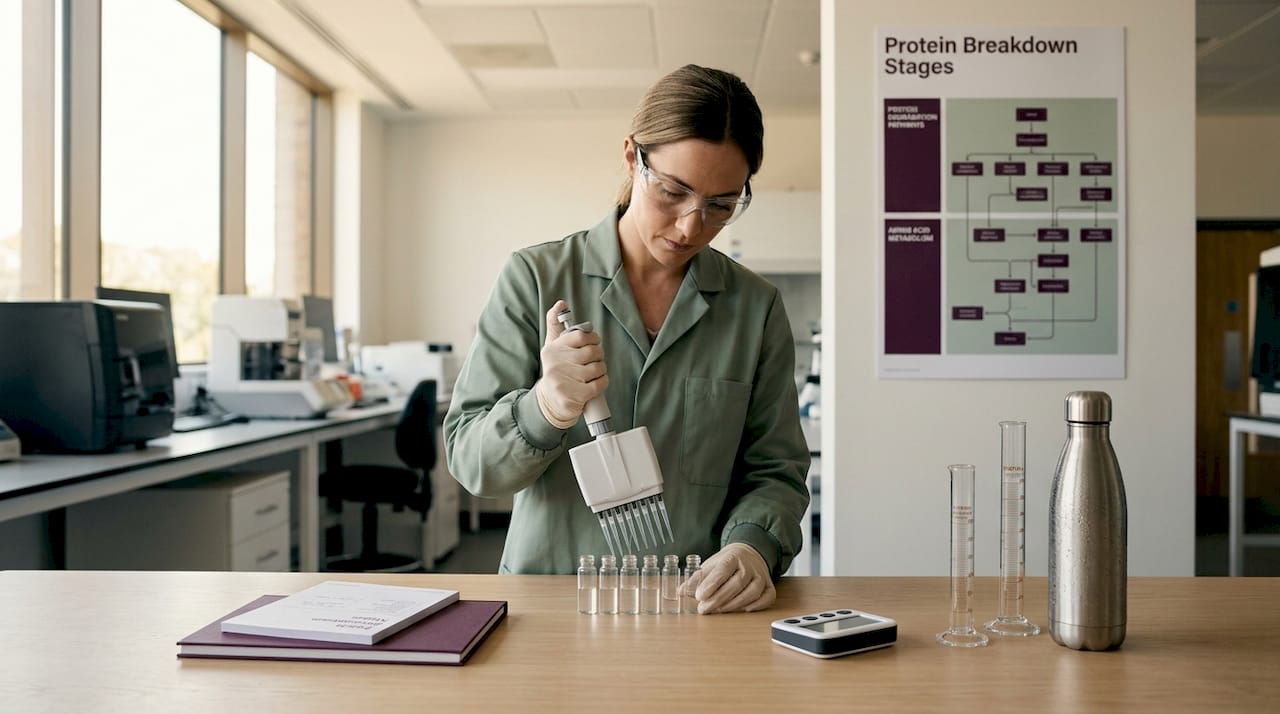
Not all protein is absorbed the same way. If you have ever wondered why some supplements seem to work faster or sit easier on your stomach, the answer often comes down to hydrolyzed protein. Quite simply, it is protein that has been pre-digested. The long protein chains have been broken into shorter fragments called peptides, so your body can absorb them faster than it would from whole food or standard protein powder. This guide covers what is hydrolyzed protein, how it is made, why athletes and health-conscious individuals rate it, and how to make it work for you.
Table of Contents
- Key takeaways
- What is hydrolyzed protein and how is it made
- Hydrolyzed protein benefits for health and fitness
- Hydrolyzed protein vs whey isolate and concentrate
- How to use hydrolyzed protein effectively
- Examples of hydrolyzed protein sources and products
- My take on hydrolyzed protein
- Why Kudunutrition collagen protein belongs in your routine
- FAQ
Key takeaways
| Point | Details |
|---|---|
| Pre-digested protein | Hydrolyzed protein is broken into small peptides before consumption, speeding up absorption significantly. |
| Multiple production methods | Enzymatic hydrolysis is the most common and gentle method, preserving nutritional quality whilst reducing allergenicity. |
| Faster recovery support | Rapid absorption makes hydrolyzed protein particularly useful immediately after training for muscle repair. |
| Lower allergenic risk | Hydrolysis reduces allergenic proteins substantially, making it a better choice for sensitive individuals. |
| Comes in many forms | Collagen, whey, and plant-based sources are all available in hydrolyzed form across powders, gels, and drinks. |
What is hydrolyzed protein and how is it made
Hydrolyzed protein is simply protein that has been broken down into smaller pieces. During normal digestion, your stomach and intestines gradually chop up whole proteins into peptides and amino acids. Hydrolysis does this work in advance. By the time you consume a hydrolyzed protein supplement, the heavy lifting has already been done.
The process begins with a whole protein source, anything from whey to collagen to soy. That protein is then subjected to hydrolysis, which involves breaking the chemical bonds that hold amino acids together in a chain. Three main methods achieve this:
- Enzymatic hydrolysis: Specific enzymes, usually proteases, are added to the protein under controlled temperature and pH conditions. It is the gentlest method and the most widely used in supplements because it maintains protein quality whilst breaking down peptide bonds.
- Acid hydrolysis: Strong acids break down the protein bonds at high temperatures. It is faster but harsher and can destroy some amino acids in the process.
- Alkaline hydrolysis: Uses a base instead of an acid. Less common in food applications and typically reserved for industrial uses.
For nutrition purposes, enzymatic hydrolysis wins. The result is a collection of peptides typically ranging from 500 to 5,000 Daltons in molecular weight, considerably smaller than the 10,000 to 15,000 Daltons found in standard protein isolates. These smaller peptides are absorbed through the intestinal wall via PEPT1 transporters, a specialised pathway that intact proteins simply cannot use.
The best hydrolyzed protein sources span both animal and plant kingdoms. Hydrolyzed whey is the most recognisable in sports nutrition. Hydrolyzed collagen, sourced from bovine, marine, or porcine connective tissue, has become enormously popular for joint, skin, and recovery benefits. Plant-based versions using pea, rice, and soy protein are available for those avoiding animal products.
Pro Tip: Not all hydrolyzed proteins are equal. Products are measured by their “degree of hydrolysis” (DH). A higher DH means more bonds have been broken, which increases absorption speed but also increases bitterness. Look for products that balance a high DH with good flavouring if taste matters to you.
Hydrolyzed protein benefits for health and fitness
The hydrolyzed protein benefits that matter most depend on what you are trying to achieve. For athletes, the speed advantage is the headline story. For individuals managing food sensitivities, the reduced allergenicity matters far more.
Here is what the research shows:
- Rapid absorption and insulin response: Hydrolyzed whey is absorbed into the bloodstream faster than intact whey concentrate or isolate. It also stimulates a greater insulin response, which helps shuttle amino acids into muscle cells. Studies show BCAA content increased by 56.68 mg/g in hydrolyzed whey versus intact whey, directly supporting faster muscle protein synthesis.
- Reduced allergenicity: Extensive enzymatic hydrolysis breaks the protein fragments down to sizes that the immune system no longer recognises as threats. Research shows that hydrolysis reduced allergenicity of α-LA by 90.73% and β-LG by 70.48%. For anyone with a whey sensitivity, this matters enormously.
- Bioactive peptides: Beyond amino acids, hydrolyzed whey releases bioactive peptides that survive digestion and remain active in the body. Research identifies peptides that support immune modulation, blood pressure regulation, antioxidant activity, and even sleep quality.
- Digestive ease: Because the protein is already partially broken down, it places less strain on the digestive system. People who experience bloating from standard whey often find hydrolyzed versions significantly easier to digest.
Hydrolysis reduces allergens but does not guarantee total allergen absence. Some sensitive individuals may still react, and different formulas will behave differently. If you have a known protein allergy, trial a small amount first and consult a healthcare professional.
For fitness recovery specifically, the combination of rapid absorption and bioactive peptide activity makes hydrolyzed protein one of the most studied supplements in sports recovery nutrition. The window immediately after training, when muscles are primed to absorb nutrients, is exactly where hydrolyzed protein has the greatest advantage over slower-digesting alternatives.
Hydrolyzed protein vs whey isolate and concentrate
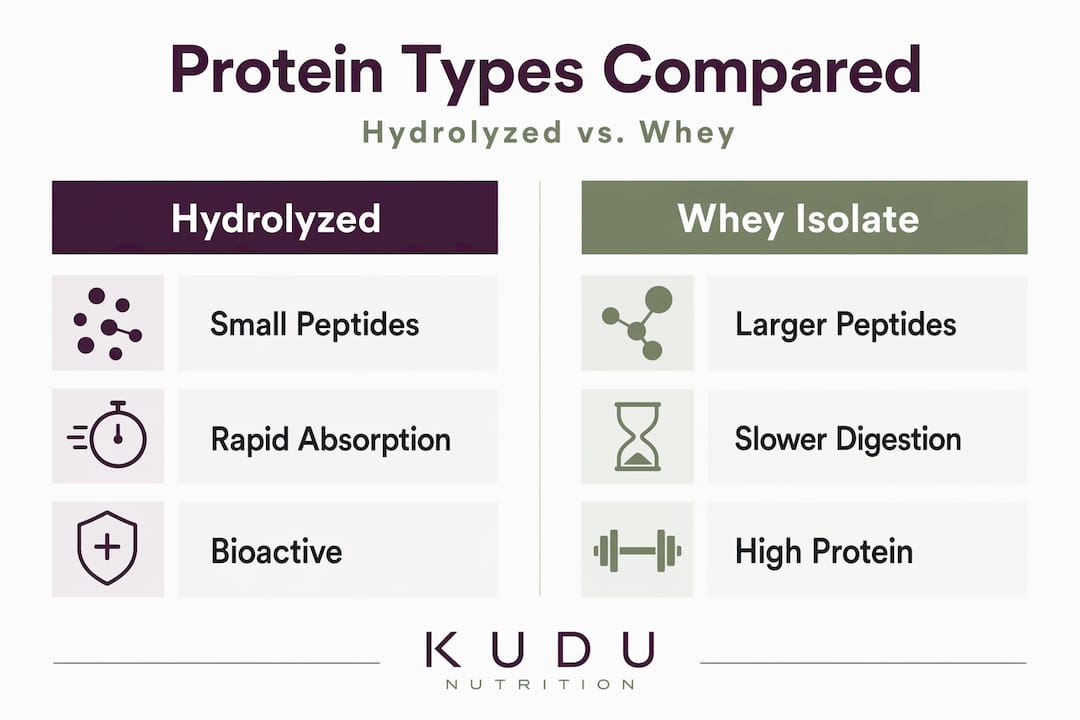
Understanding hydrolyzed protein vs whey concentrate or isolate helps you choose the right product for your actual needs. They come from the same source but differ considerably in how they behave in your body.
| Feature | Hydrolyzed protein | Whey isolate | Whey concentrate |
|---|---|---|---|
| Peptide size | 500 to 5,000 Daltons | 10,000 to 15,000 Daltons | Larger intact proteins |
| Absorption speed | Very fast (PEPT1 pathway) | Fast | Moderate |
| Allergenicity | Significantly reduced | Low to moderate | Higher |
| Amino acid content | High, pre-released | High | Moderate to high |
| Taste | Can be bitter at high DH | Neutral to mild | Creamy, mild |
| Cost | Highest | Mid-range | Lowest |
| Best use case | Post-workout, sensitive digestion | General use, lean diets | Budget-friendly daily protein |
Casein sits at the opposite end of the speed spectrum from hydrolyzed protein. It digests slowly over several hours, making it better suited for overnight muscle maintenance than for post-workout recovery. Hydrolyzed protein and casein are not competing for the same role.
For muscle building, the best protein sources are those that match your training schedule and digestive tolerance. Hydrolyzed protein wins when speed matters most, when digestion is compromised, or when allergenicity is a concern. Concentrate wins when cost is the primary factor. Isolate sits comfortably in the middle for most people using protein daily.
Hydrolyzed collagen is worth separating from whey entirely in this comparison. It does not have the same leucine content as whey, so it is not ideal as a standalone post-workout protein for muscle mass. Its strength lies in supporting connective tissue, joints, and skin. The role of collagen in recovery is distinct from that of whey. Many athletes use both strategically rather than choosing one over the other.
How to use hydrolyzed protein effectively
Knowing what hydrolyzed protein is means very little without a plan for using it. Here is a practical framework:
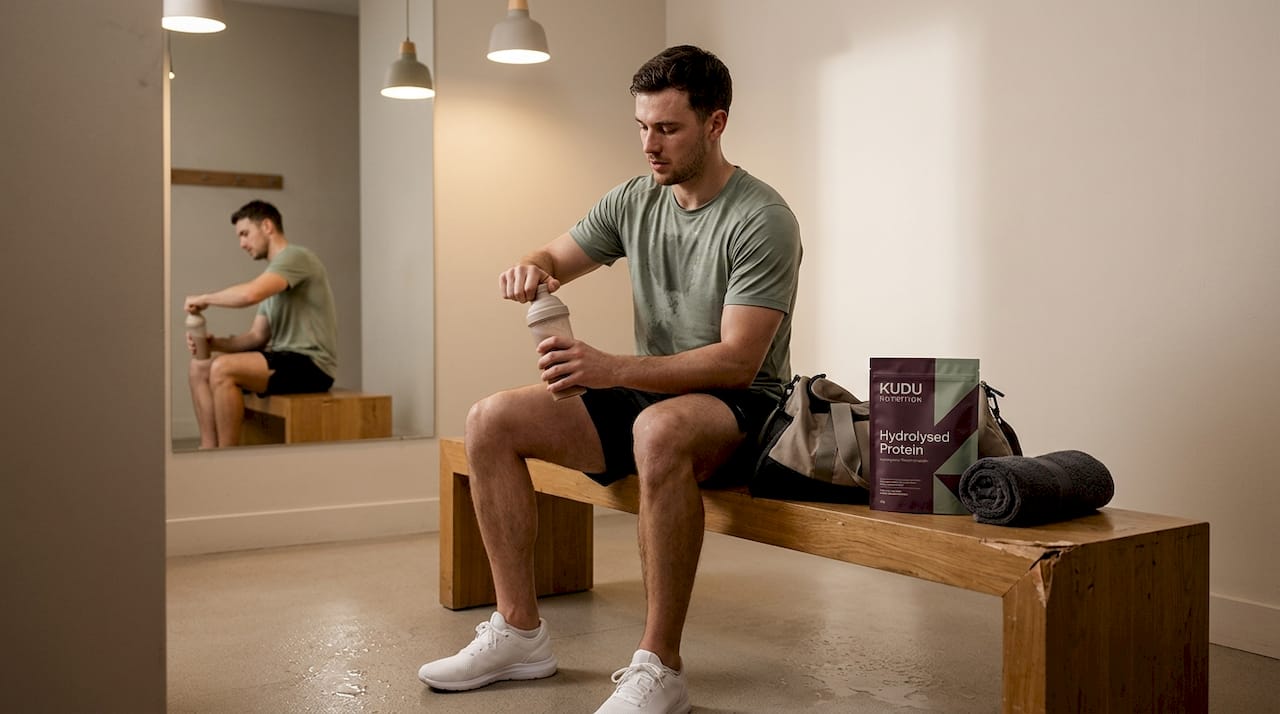
- Time it post-workout. The 30 to 60 minutes following training is when your muscles are most receptive to amino acids. Hydrolyzed protein’s fast absorption makes it the logical choice for this window. Research on post-workout recovery nutrients consistently places fast-absorbing protein at the top of the priority list.
- Match your dose to your body weight. A common starting point is 0.25 to 0.4 grams of protein per kilogram of body weight per post-workout serving. For most adults, that sits between 20 and 40 grams.
- Pair with carbohydrates. Consuming hydrolyzed protein alongside a source of carbohydrate amplifies the insulin response and speeds amino acid delivery into muscle tissue. A piece of fruit or a small amount of oats works well.
- Be honest about taste. Higher degrees of hydrolysis produce more bitter-tasting products due to exposed hydrophobic amino acids. If you find a product unpalatable, look for one with a lower DH or better flavour masking, rather than simply abandoning hydrolyzed protein altogether.
- Check quality certifications. Prescription-grade hydrolyzed formulas have stricter controls than many over-the-counter products. For sports use, third-party testing marks such as Informed Sport give you confidence that what is on the label is what is in the product.
Pro Tip: If you are using hydrolyzed collagen specifically, add vitamin C to your intake at the same time. Vitamin C is a co-factor in collagen synthesis, meaning your body uses it to rebuild the collagen fibres that training breaks down. Without it, even the best collagen supplement underperforms.
Examples of hydrolyzed protein sources and products
To make this concrete, here are the most common examples of hydrolyzed protein sources you will encounter across supplements, medical nutrition, and functional foods:
- Hydrolyzed whey protein: The most widely studied in sports nutrition. Available in powders and ready-to-drink formats. High in branched-chain amino acids (BCAAs), particularly leucine, which directly triggers muscle protein synthesis.
- Hydrolyzed collagen (collagen peptides): Sourced from bovine hide, marine fish, or porcine tissue. Used in joint supplements, skin beauty products, and sports recovery sachets. Lower in BCAAs but rich in glycine, proline, and hydroxyproline, the specific amino acids that rebuild connective tissue.
- Hydrolyzed casein: Slower to digest in intact form but can be hydrolyzed for improved tolerance. Used in clinical nutrition and infant formulae for cow’s milk protein intolerance.
- Hydrolyzed plant proteins: Pea, rice, and soy hydrolysates are widely used in vegan sports supplements. Pea hydrolysate in particular has a growing body of evidence supporting muscle recovery comparable to whey in some studies.
- Medical and infant nutrition: Extensively hydrolyzed infant formulae are prescribed for babies with cow’s milk allergies. The molecular weight thresholds here are below 10,000 Daltons, sometimes as low as 0.97 to 1.4 kDa, to prevent immune sensitisation.
The market for hydrolyzed protein products spans powders, gels, sachets, and functional beverages. Liquid formats are particularly practical because they combine easy digestion with genuine portability, which matters when you are trying to hit that post-workout window without carrying a shaker bottle.
My take on hydrolyzed protein
I have spent years watching people chase marginal gains with increasingly expensive supplements while missing the fundamentals. Hydrolyzed protein is one of the few cases where the science genuinely supports the premium price tag, at least in specific situations.
What I have noticed is that most people do not need hydrolyzed protein for every meal. Whole food protein and standard concentrates do an excellent job throughout the day. Where hydrolyzed protein earns its place is in that narrow post-training window and for people whose digestion struggles with larger protein molecules.
The collagen hydrolysate category is the part I find most underrated. Most athletes fixate on leucine content and muscle protein synthesis whilst completely overlooking the connective tissue that gets beaten up in training. Your tendons, ligaments, and skin do not rebuild on whey alone. Hydrolyzed collagen addresses a genuine nutritional gap that standard sports nutrition largely ignores.
My honest caution is this: the degree of hydrolysis claim on a product label tells you very little unless you know what threshold the manufacturer used. I would always prioritise third-party tested products and brands that publish their actual DH values over clever marketing language. The supplement industry has enough noise. Find brands that show their work.
— Sam
Why Kudunutrition collagen protein belongs in your routine
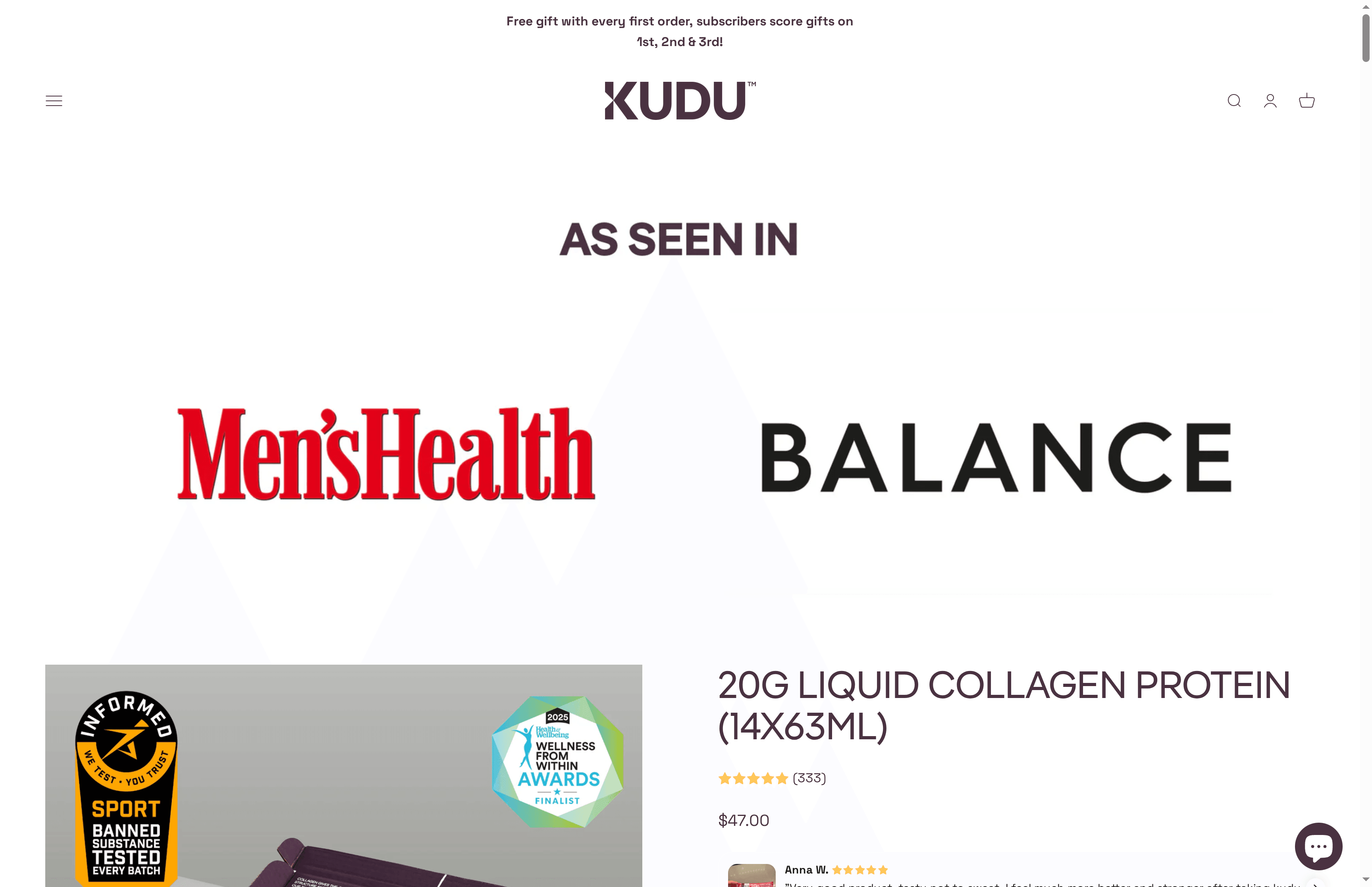
If understanding hydrolyzed protein has you thinking about how to act on it, Kudunutrition’s range of liquid collagen protein sachets is a logical place to start. Each sachet delivers 20g of hydrolyzed collagen protein in a format designed for post-workout convenience. No mixing, no measuring, no shaker required.
The products are Informed Sport certified, which means every batch is tested for banned substances. That matters whether you compete or simply want to know what you are actually consuming. Kudunutrition also covers the skin, joint, and bone benefits that collagen hydrolysate uniquely supports, making it relevant not just on training days but as a daily recovery tool. For anyone building a serious recovery routine, the collagen and creatine daily sachets combine two well-researched supplements in a single serving.
FAQ
What is hydrolyzed protein in simple terms?
Hydrolyzed protein is protein that has been pre-broken into smaller fragments called peptides through a process called hydrolysis. This makes it faster to absorb and easier to digest than intact protein.
How is hydrolyzed protein different from regular whey?
Hydrolyzed whey contains peptides of 500 to 5,000 Daltons, far smaller than regular whey isolate. This means it absorbs faster, triggers a stronger insulin response, and is less likely to cause allergic reactions.
Is hydrolyzed protein good for people with allergies?
It is significantly better than intact protein for most people with sensitivities. Enzymatic hydrolysis has been shown to reduce allergenicity of key whey proteins by over 70%, though it does not eliminate allergen risk entirely for highly sensitive individuals.
When is the best time to take hydrolyzed protein?
Post-workout is the most beneficial time. Its rapid absorption rate means amino acids reach muscle tissue quickly during the recovery window, supporting faster repair and reduced muscle soreness.
Can hydrolyzed collagen replace whey protein?
Not directly. Hydrolyzed collagen is lower in leucine and is not a substitute for whey when maximising muscle protein synthesis is the goal. It works best alongside whey, specifically targeting connective tissue, joint health, and skin repair.