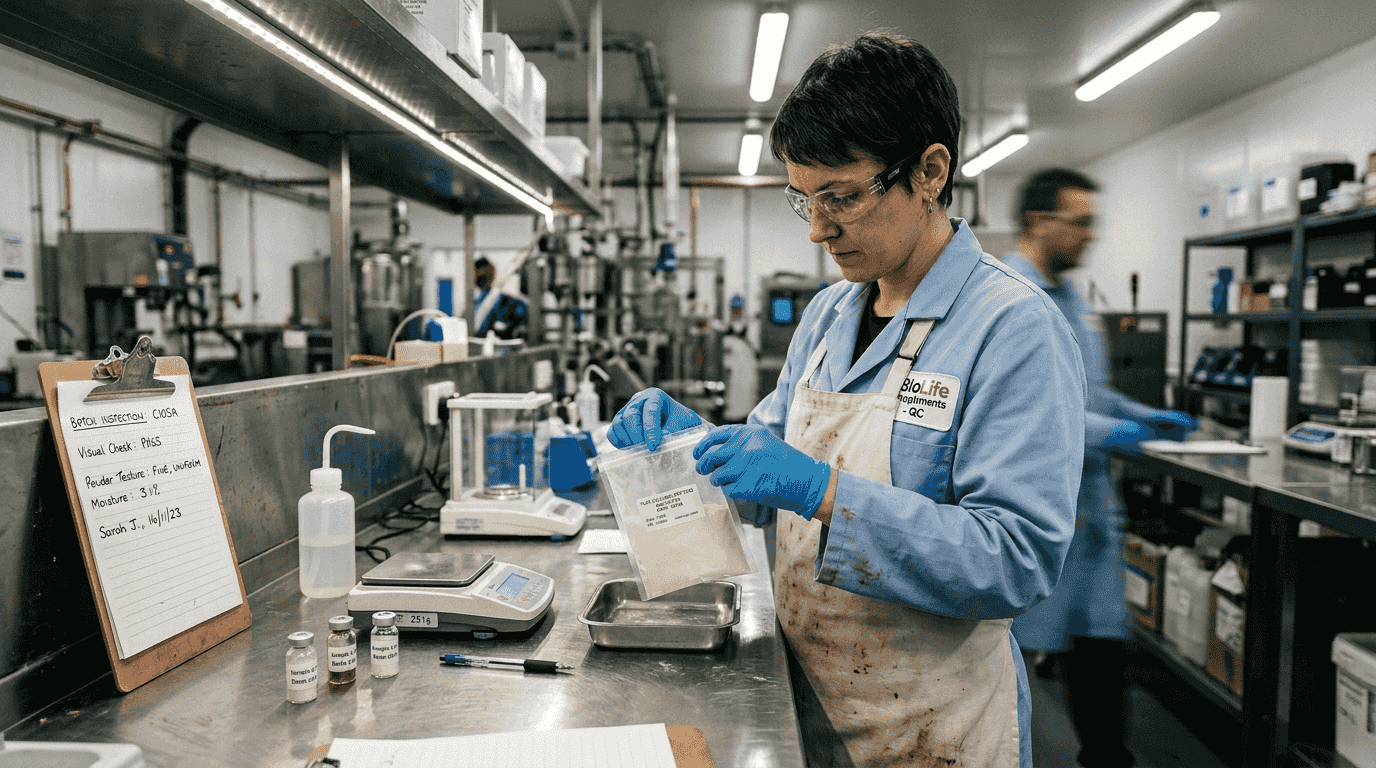


Most people focus on getting enough protein without understanding what actually makes one protein source superior to another. The secret lies in amino acid profiles, the unique combination of building blocks that determines how effectively your body can use that protein for recovery, skin health, and muscle function. Understanding these profiles transforms how you approach nutrition, especially when choosing collagen supplements for fitness and beauty goals.
Table of Contents
- Understanding The Amino Acid Profile
- Collagen’s Unique Amino Acid Composition And Health Benefits
- Comparing Plant Based And Animal Protein Amino Acid Profiles
- Maximising Collagen Supplementation Benefits With Nutrition And Recovery Strategies
- Discover Premium Collagen Protein Supplements At Kudu Nutrition
Key takeaways
| Point | Details |
|---|---|
| Amino acid profiles reveal protein quality | The specific types and amounts of amino acids determine how well a protein supports your body’s functions. |
| Collagen’s unique composition targets skin and joints | Rich in glycine, proline, and hydroxyproline, collagen specifically supports structural tissues. |
| Plant and animal proteins differ significantly | Animal proteins typically provide complete amino acid profiles whilst plant sources often require strategic combinations. |
| Nutrient synergies enhance collagen benefits | Pairing collagen with vitamin C and antioxidants maximises absorption and effectiveness. |
| Strategic supplementation optimises recovery | Timing collagen intake around exercise and maintaining consistency delivers measurable improvements in joint function and skin elasticity. |
Understanding the amino acid profile
Amino acids are the fundamental building blocks your body uses to construct proteins, and an amino acid profile simply describes which types and how much of each appears in a particular protein source. This composition matters enormously because your body requires specific amino acids to perform different functions, from building muscle tissue to synthesising collagen for skin elasticity. Think of it like a recipe: having flour, eggs, and sugar in the right proportions makes a cake, whilst missing ingredients or wrong ratios produce something entirely different.
Your body can manufacture some amino acids internally, but nine essential amino acids must come directly from your diet because your cells cannot produce them. These indispensable amino acids include leucine, isoleucine, valine, lysine, methionine, phenylalanine, threonine, tryptophan, and histidine. Meat provides all required amino acids in balanced proportions, which explains why animal proteins typically rank higher in nutritional quality assessments.
The amino acid profile determines protein quality through several mechanisms:
- Completeness: Whether all essential amino acids appear in adequate amounts
- Digestibility: How efficiently your body can break down and absorb the amino acids
- Biological value: The proportion your body can actually use for tissue building and repair
- Limiting amino acids: Which essential amino acid appears in the smallest quantity, restricting overall protein utilisation
Plant proteins often lack one or more essential amino acids in sufficient quantities, creating what nutritionists call limiting amino acids. Grains typically contain low lysine levels, whilst legumes may be short on methionine. This doesn’t make plant proteins inferior, but it does mean strategic meal planning becomes crucial for vegetarians and vegans. Combining complementary plant sources, like rice with beans, creates a complete amino acid profile that matches animal protein quality.
Understanding amino acids in collagen benefits reveals why this particular protein stands out for specific health applications. Collagen’s amino acid composition differs markedly from muscle proteins like whey or casein, making it uniquely suited for supporting connective tissues, skin structure, and joint health rather than primarily building muscle mass.
Collagen’s unique amino acid composition and health benefits
Collagen represents the most abundant structural protein in your body, comprising roughly 30% of total protein content and forming the scaffolding for skin, tendons, ligaments, cartilage, and bones. Its amino acid profile distinguishes it dramatically from other proteins, with approximately one third of its structure consisting of glycine, another quarter made up of proline and hydroxyproline, and significant amounts of alanine and arginine. This unusual composition directly reflects collagen’s structural role, as these specific amino acids create the triple helix formation that gives collagen fibres their remarkable tensile strength.
Collagen constitutes about 12% in females and 17% in males of total protein in mice, highlighting its significance as a structural component. Glycine, the smallest amino acid, fits perfectly into the tight triple helix structure, whilst proline and hydroxyproline provide stability and resistance to degradation. Hydroxyproline particularly stands out because it rarely appears in other proteins, making it a reliable biomarker for collagen presence and synthesis.
Supplementing with collagen peptides delivers measurable health benefits backed by scientific research:
- Skin improvements: Enhanced hydration, elasticity, and reduced wrinkle depth
- Joint support: Reduced pain and improved function, especially after exercise
- Bone density: Potential improvements in bone mineral density with consistent use
- Muscle recovery: Support for connective tissue repair following training stress
Collagen supplementation improves skin elasticity and hydration whilst supporting joint recovery, according to comprehensive research reviews. The mechanism works through providing your body with the specific amino acid building blocks needed to synthesise new collagen fibres. When you consume collagen peptides, digestive enzymes break them into smaller peptides and individual amino acids, which then enter your bloodstream and become available for tissue repair and regeneration.

Vitamin C plays an essential cofactor role in collagen synthesis, as it enables the hydroxylation of proline and lysine residues that stabilise the collagen triple helix. Without adequate vitamin C, your body cannot produce structurally sound collagen, regardless of amino acid availability. This explains why combining collagen supplements with vitamin C rich foods or supplements enhances effectiveness.
Pro tip: Take collagen supplements with a source of vitamin C, such as orange juice or a citrus fruit, to maximise your body’s ability to synthesise new collagen from the amino acids provided.
The benefits extend beyond skin deep applications. Research demonstrates that collagen supplementation supports collagen peptides benefits and usage across multiple body systems, particularly benefiting athletes and active individuals who place regular stress on joints and connective tissues. Understanding collagen role in joint health helps explain why so many fitness enthusiasts incorporate it into their recovery protocols.
Comparing plant based and animal protein amino acid profiles
The fundamental difference between plant and animal protein sources centres on amino acid completeness and digestibility, factors that significantly impact nutritional planning for various dietary approaches. Animal proteins typically contain all nine essential amino acids in proportions that closely match human requirements, earning them the designation of complete proteins. Plant proteins, with few exceptions like soy and quinoa, tend to be limited in one or more essential amino acids, requiring strategic combinations to achieve nutritional completeness.
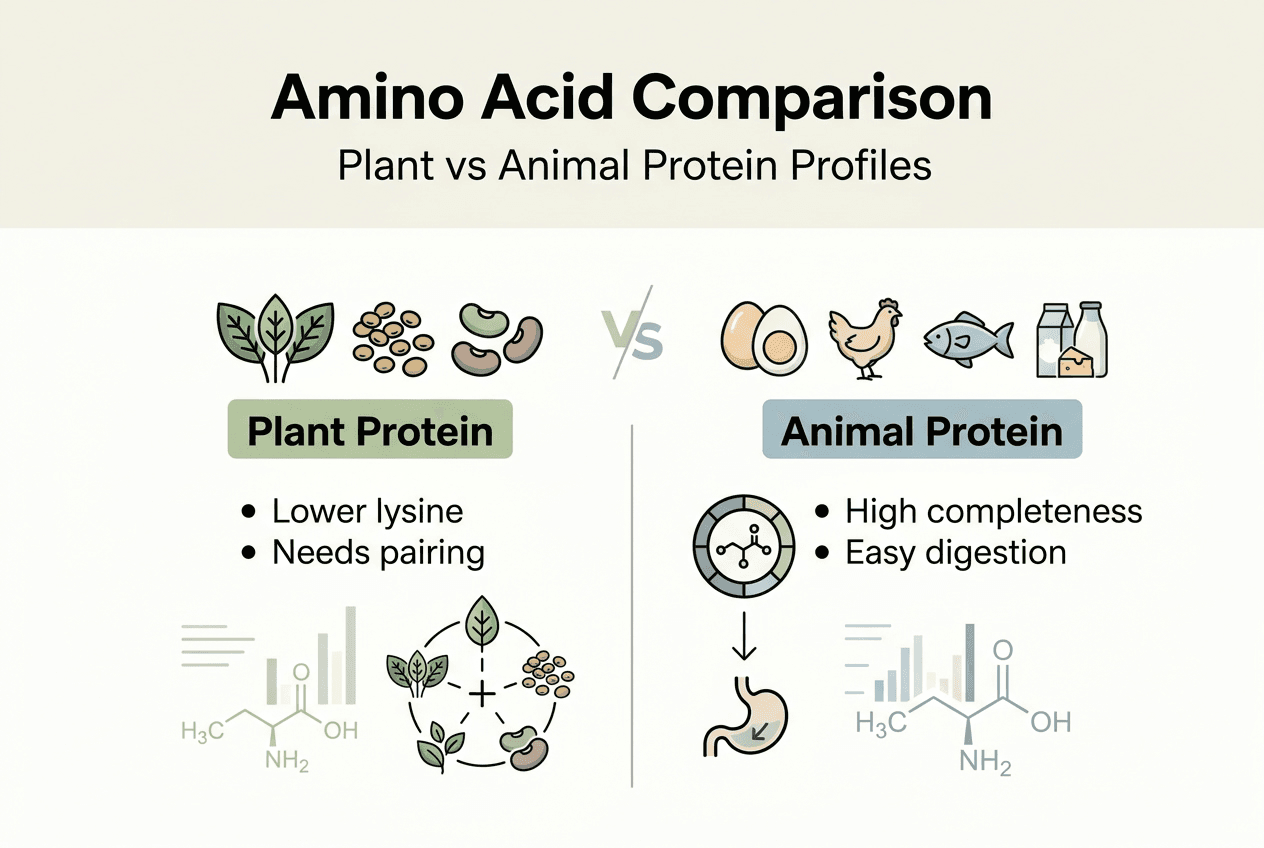
Vegan diets supply fewer digestible indispensable amino acids than omnivorous diets, requiring careful meal planning to meet requirements. This doesn’t reflect inherent inferiority of plant proteins but rather highlights the importance of understanding amino acid profiles when designing plant based eating patterns. Grains excel at providing methionine and cysteine whilst often lacking lysine. Legumes flip this pattern, offering abundant lysine but lower methionine content.
| Protein source | Limiting amino acid | Complementary pairing | Digestibility |
|---|---|---|---|
| Animal proteins | None (complete) | Standalone adequate | 90-95% |
| Legumes | Methionine | Combine with grains | 70-85% |
| Grains | Lysine | Combine with legumes | 85-90% |
| Nuts and seeds | Lysine | Combine with legumes | 75-85% |
| Soy products | None (complete) | Standalone adequate | 85-90% |
Optimal plant based meals require deliberate combinations to achieve high protein and nutrient quality. The traditional food pairings found across cultures often reflect this nutritional wisdom: rice and beans in Latin America, hummus and pita in the Middle East, or lentils and rice in South Asia. These combinations weren’t designed by nutritionists but evolved through generations of practical experience with what sustained health and vitality.
Digestibility represents another crucial consideration when comparing protein sources. Animal proteins generally achieve 90 to 95% digestibility, meaning your body can access and utilise nearly all the amino acids present. Plant proteins vary more widely, with factors like fibre content, antinutrients such as phytates and tannins, and cell wall structures reducing amino acid bioavailability. Processing methods like soaking, sprouting, or fermenting can improve plant protein digestibility significantly.
For those following plant based diets, several strategies optimise amino acid intake:
- Combine complementary protein sources within the same day
- Include soy products like tofu, tempeh, or edamame for complete protein
- Consume adequate total protein to compensate for lower digestibility
- Consider pea protein or other plant based protein powders to supplement whole foods
- Focus on protein rich plants like lentils, chickpeas, quinoa, and hemp seeds
Pro tip: You don’t need to combine complementary proteins in the same meal, your body maintains an amino acid pool that balances out over the course of a day, so eating beans at lunch and rice at dinner works perfectly well.
Understanding these differences helps explain why collagen supplementation appeals to both omnivores and plant based eaters. Collagen comes exclusively from animal sources, as plants don’t produce this structural protein. Vegans seeking similar benefits often turn to supplements that provide the building block amino acids glycine, proline, and lysine, though debate continues about whether this approach matches the effectiveness of actual collagen peptides. Learning to support joint health naturally involves understanding both dietary protein quality and targeted supplementation strategies.
Maximising collagen supplementation benefits with nutrition and recovery strategies
Knowing the science behind amino acid profiles means little without practical application, so let’s explore evidence based strategies for getting maximum value from collagen supplementation. The effectiveness of collagen supplements depends not just on the product quality but also on how you integrate them into your broader nutrition and recovery programme. Research consistently demonstrates that certain nutritional combinations and timing strategies amplify collagen’s benefits for skin, joints, and overall tissue health.
Co supplementation with vitamin C, silica, or resveratrol may enhance collagen supplement efficacy through synergistic mechanisms. Vitamin C remains the most critical cofactor, as it directly participates in collagen synthesis by stabilising the triple helix structure. Silica supports connective tissue integrity and may enhance collagen cross linking, whilst resveratrol provides antioxidant protection that preserves existing collagen from degradation.
Follow these steps to optimise your collagen supplementation routine:
- Time it strategically: Consume collagen within 30 to 60 minutes before or after exercise to support connective tissue repair when your body most needs building materials.
- Pair with vitamin C: Take your collagen supplement alongside citrus fruits, berries, or a vitamin C supplement to maximise synthesis.
- Maintain consistency: Daily supplementation for at least 8 to 12 weeks allows time for measurable improvements in skin and joint markers.
- Stay hydrated: Adequate water intake supports collagen fibre formation and overall tissue health.
- Support with balanced nutrition: Ensure sufficient overall protein intake and micronutrients that support collagen production.
Collagen supplementation may improve joint function and recovery after exercise, making it particularly valuable for athletes and active individuals who regularly stress their connective tissues. The amino acids from collagen peptides become available for repair processes precisely when your body needs them most. This targeted support differs from general protein supplementation, as collagen provides the specific amino acid profile your joints and skin require.
Additional nutrients that complement collagen function include:
- Zinc: Supports collagen synthesis enzymes and wound healing
- Copper: Essential cofactor for collagen cross linking and stabilisation
- Manganese: Activates enzymes involved in glycosaminoglycan synthesis
- Vitamin A: Regulates collagen gene expression and tissue remodelling
- Omega 3 fatty acids: Reduce inflammation that can degrade collagen structures
Pro tip: For skin health benefits, combine your collagen supplement with antioxidant rich foods like berries, dark leafy greens, and green tea to protect newly formed collagen from oxidative damage caused by UV exposure and environmental stressors.
The practical application extends beyond supplementation alone. Understanding amino acid profiles helps you make smarter dietary choices that naturally support collagen production and overall protein quality. Consuming bone broth, fish with skin, and slow cooked meats provides naturally occurring collagen alongside the complete amino acid profiles found in animal proteins. These whole food sources deliver additional nutrients like glycosaminoglycans and minerals that work synergistically with collagen.
For those interested in structured guidance, exploring collagen intake steps for skin and joint health provides detailed protocols based on current research. The key lies in viewing collagen supplementation as one component of a comprehensive approach to nutrition, recovery, and tissue health rather than a standalone solution.
Discover premium collagen protein supplements at Kudu Nutrition
Now that you understand how amino acid profiles determine protein quality and how collagen’s unique composition supports skin, joints, and recovery, you’re equipped to make informed supplement choices. Kudu Nutrition specialises in premium liquid collagen protein supplements designed specifically for health conscious individuals and athletes who demand both quality and convenience.
Our 20g collagen protein gels deliver optimal amino acid profiles in convenient daily sachets, available in delicious flavours that make consistent supplementation effortless. Each serving provides the glycine, proline, and hydroxyproline your body needs to support structural tissues, backed by Informed Sport certification for quality assurance. Whether you choose our popular orange 20g liquid collagen protein sachets or explore our 20g collagen protein 14 pack variety, you’re investing in scientifically formulated nutrition that supports your fitness and beauty goals.
FAQ
What is an amino acid profile and why is it important?
An amino acid profile describes the specific types and quantities of amino acids present in a protein source, essentially providing a nutritional fingerprint that determines protein quality. This profile matters because your body requires all nine essential amino acids in adequate amounts to build tissues, support immune function, and maintain metabolic processes. Proteins with complete amino acid profiles that match human requirements deliver superior nutritional value compared to those with limiting amino acids.
How does collagen supplementation improve skin and joint health?
Collagen supplementation improves skin elasticity, hydration, and joint function recovery after exercise through multiple mechanisms. The glycine, proline, and hydroxyproline in collagen peptides provide building blocks your body uses to synthesise new collagen fibres in skin and cartilage. These amino acids signal fibroblast cells to increase collagen production whilst reducing degradation, resulting in measurable improvements in skin moisture, wrinkle depth, and joint comfort over 8 to 12 weeks of consistent use.
Can plant based diets provide sufficient amino acids without animal products?
Vegan and vegetarian diets require deliberate combinations of plant based foods to meet essential amino acid needs, but this goal remains entirely achievable with proper planning. Combining grains with legumes, including soy products, and consuming adequate total protein compensates for individual plant sources having limiting amino acids. The key involves understanding which plant proteins complement each other and ensuring variety throughout the day to maintain a balanced amino acid pool.
How much collagen should I take daily for noticeable benefits?
Research studies demonstrating skin and joint benefits typically use doses between 10 to 20 grams of collagen peptides daily, taken consistently for at least two to three months. Individual needs vary based on age, activity level, and health goals, but most people experience optimal results with 15 to 20 grams per day. Dividing this amount between morning and post exercise timing may enhance absorption and utilisation, though total daily intake matters more than precise timing.
Does the source of collagen affect its amino acid profile and effectiveness?
Collagen from different animal sources shows remarkably similar amino acid profiles, as the fundamental structure of collagen remains consistent across species. Bovine, marine, and porcine collagen all provide high levels of glycine, proline, and hydroxyproline, though marine collagen may have slightly better bioavailability due to smaller peptide sizes. The primary differences lie in sustainability considerations, allergen concerns, and dietary restrictions rather than amino acid composition or effectiveness for skin and joint health.