


Most british consumers would be surprised to learn that collagen supplements in the United Kingdom are classified as food products and do not face strict pre-market approval. This leaves a gap in both quality control and transparency for those seeking real results. With over 60 percent of people choosing supplements based on online reviews alone, recognizing what sets a truly high-quality collagen apart matters now more than ever. Discover how to spot genuine value, avoid common pitfalls, and make safer, more informed choices.
Table of Contents
- Know Your Collagen Source For Quality Assurance
- Check Collagen Content Per Serving For Results
- Look For Key Certifications For Trust And Safety
- Assess Nutritional Additions And Allergen-Free Claims
- Understand How Collagen Supports Skin And Beauty
- Learn Collagen’s Role In Joint And Bone Health
- Optimise Timing And Dosage For Maximum Benefit
Quick Summary
| Takeaway | Explanation |
|---|---|
| 1. Know Your Collagen Source | Understand the origin of your collagen supplement for quality and safety assurance. Transparency about sourcing and testing is key. |
| 2. Check Collagen Content Per Serving | Ensure the product provides at least 2.5 to 10 grams of collagen peptides per serving for effective results. |
| 3. Look for Key Certifications | Seek third-party certifications to verify purity and safety, ensuring the product is free from harmful substances. |
| 4. Assess Nutritional Additions | Evaluate additional nutrients like Vitamin C and Zinc for enhanced collagen efficacy and health benefits. |
| 5. Optimise Timing and Dosage | Take collagen daily on an empty stomach and consider splitting doses for better absorption and effectiveness. |
1. Know Your Collagen Source for Quality Assurance
Understanding the source of your collagen supplement is crucial for ensuring you receive a high-quality product that delivers genuine health benefits. Collagen supplements are not uniformly regulated, which means the origin and manufacturing process can dramatically impact their effectiveness and safety.
In the United Kingdom and European Union, collagen supplements are classified as food products, which means they do not undergo rigorous pre-market efficacy approvals. This makes it imperative for consumers to be discerning about their supplement choices. When evaluating collagen sources, you should prioritise products that provide transparent information about their peptide molecular-weight distribution, third-party testing, and comprehensive sourcing details.
When selecting a collagen supplement, look for manufacturers who offer detailed evidence about their collagen’s origin and processing standards. Key indicators of quality include:
- Molecular Weight Distribution: High-quality supplements should disclose the peptide size, which influences absorption
- Third-Party Certificates: Independent analysis verifying purity and absence of heavy metals
- Transparent Sourcing: Clear information about the manufacturing country and animal/marine source
While many collagen supplement claims are based on small, industry-funded studies, consumers can protect themselves by thoroughly investigating product credentials. Not all collagen supplements are created equal, and the source makes a significant difference in potential health outcomes.
Top manufacturers will be forthcoming about their sourcing, processing methods, and scientific validation. Be prepared to ask questions and request documentation that proves the supplement’s quality and effectiveness.
Expert Tip: Request a Certificate of Analysis from the manufacturer before purchasing any collagen supplement to verify its purity, composition, and safety standards.
2. Check Collagen Content Per Serving for Results
The amount of collagen in each serving can dramatically influence the supplement’s potential effectiveness and your health outcomes. Not all collagen supplements are created equal, and the precise peptide concentration matters significantly when seeking tangible results.
Research demonstrates that specific collagen dosages can yield measurable health benefits. Clinical studies have shown that consuming 2.5 grams of collagen peptides daily can produce meaningful improvements in skin health, including enhanced hydration, elasticity, and overall skin density.
Key Considerations for Collagen Serving Content:
- Minimum Effective Dose: Aim for supplements providing at least 2.5 to 10 grams of collagen peptides per serving
- Absorption Potential: Higher quality supplements offer hydrolysed collagen for better bioavailability
- Consistency Matters: Regular daily intake is crucial for experiencing optimal results
Scientific research consistently indicates that sustained, targeted collagen consumption can produce noticeable physiological changes. A 12-week study revealed that participants consuming a daily collagen supplement experienced significant improvements in skin hydration, elasticity, and wrinkle reduction.
When evaluating collagen supplements, carefully examine the nutritional label to understand the exact peptide content. Some products might appear comprehensive but actually contain minimal active ingredients.
Be wary of supplements with vague labelling or those unwilling to specify their precise collagen peptide concentration. Transparency in ingredient listing is a strong indicator of product quality.
Expert Tip: Compare collagen supplements by calculating the cost per effective gram of collagen peptides, not just the overall price of the product.
3. Look for Key Certifications for Trust and Safety
In the world of nutritional supplements, not all products are created equal. The significance of third-party certifications cannot be overstated when selecting a high-quality collagen supplement that delivers genuine health benefits.
Consumer skepticism is warranted given the limited pre-market regulations surrounding nutritional supplements, particularly in the United Kingdom and European Union where food supplements do not undergo rigorous efficacy testing before entering the marketplace.
Essential Certifications to Seek:
- Third-Party Certificates of Analysis (COA): Verifies product purity and safety
- Heavy Metal Testing Certification: Confirms absence of harmful contaminants
- Informed Sport Certification: Ensures product is free from banned athletic substances
- Quality Manufacturing Certifications: Demonstrates adherence to strict production standards
Third-party certifications serve as critical indicators of a supplement’s reliability. These independent verifications provide consumers with confidence that the product meets stringent quality and safety benchmarks.
Research suggests that many collagen supplement claims are based on small industry-funded studies, making third-party certifications even more crucial. These certifications offer an additional layer of transparency and accountability that goes beyond marketing promises.
When reviewing potential collagen supplements, prioritise brands that are forthcoming about their certification processes. Request documentation that substantiates their quality claims and do not hesitate to ask detailed questions about their testing protocols.
Expert Tip: Always request and review the Certificate of Analysis before purchasing any collagen supplement to ensure you are investing in a product that meets rigorous safety and quality standards.
4. Assess Nutritional Additions and Allergen-Free Claims
Not all collagen supplements are created equal. The additional nutritional components and allergen considerations can significantly impact the overall effectiveness and safety of your supplement.
Clinical research demonstrates that strategic nutritional additions can dramatically enhance collagen supplement performance, with studies showing remarkable improvements in skin health when key nutrients are strategically combined.
Critical Nutritional Additions to Evaluate:
- Vitamin C: Crucial for collagen synthesis and absorption
- Zinc: Supports protein synthesis and wound healing
- Biotin: Promotes healthy hair, skin, and nail growth
- Vitamin E: Provides antioxidant protection for cellular health
Some supplements include complementary nutrients that work synergistically with collagen peptides. A twelve-week study revealed that participants consuming a nutraceutical containing collagen, vitamin C, zinc, and other micronutrients experienced significant improvements in skin hydration, elasticity, and overall density.
Allergen Considerations:
- Common Allergens: Check for dairy, gluten, soy, and animal protein sensitivities
- Cross Contamination: Look for certifications indicating allergen-free processing
- Source Transparency: Understand the origin of collagen and additional ingredients
For individuals with dietary restrictions or sensitivities, scrutinising the full ingredient list becomes paramount. Many collagen supplements derive from bovine, marine, or chicken sources, which might trigger allergic reactions in some consumers.
Scientific evidence suggests that combining collagen with specific nutrients like vitamin C can enhance absorption and efficacy, making it crucial to examine not just the collagen content but the entire nutritional profile.
Expert Tip: Request a comprehensive ingredient breakdown and allergen information directly from the manufacturer before purchasing, ensuring the supplement meets your specific dietary requirements.
5. Understand How Collagen Supports Skin and Beauty
Collagen is the foundational protein responsible for maintaining skin’s structural integrity, elasticity, and youthful appearance. As we age, our natural collagen production declines, making supplementation a strategic approach to supporting skin health and beauty.
Clinical research demonstrates that consistent collagen supplementation can significantly improve skin quality, with studies revealing remarkable transformations in skin health over relatively short periods.
Key Mechanisms of Collagen for Skin Health:
- Hydration Enhancement: Increases skin moisture retention
- Elasticity Improvement: Supports skin flexibility and resilience
- Wrinkle Reduction: Promotes smoother, more youthful skin texture
- Density Restoration: Helps maintain skin’s structural strength
Scientific studies have shown impressive results. One twelve-week clinical trial found that participants consuming hydrolysed collagen experienced significant improvements in skin hydration, elasticity, and overall appearance. The research highlighted that combining collagen with vitamin C can further amplify these beneficial effects.
Collagen works at the cellular level, supporting the body’s natural regeneration processes. It provides the essential building blocks that help maintain skin structure, reduce visible signs of ageing, and promote a radiant complexion.
For optimal results, consistent daily supplementation is key. The body requires a steady supply of collagen peptides to support ongoing skin renewal and maintain its protective barrier.
Expert Tip: Choose a collagen supplement with high bioavailability and consider pairing it with vitamin C to maximise absorption and enhance its skin-supporting properties.
6. Learn Collagen’s Role in Joint and Bone Health
Collagen is not just a beauty supplement but a critical protein that provides essential structural support for our joints and skeletal system. Understanding its role can transform how we approach mobility and long-term physical wellness.
Scientific research demonstrates that collagen peptide supplementation can significantly improve joint functionality and reduce discomfort, particularly for individuals experiencing age-related joint challenges.
Critical Functions of Collagen in Joint and Bone Health:
- Cartilage Maintenance: Supports the cushioning tissue between joints
- Bone Density Preservation: Helps maintain skeletal strength
- Joint Lubrication: Reduces friction and supports smooth movement
- Connective Tissue Support: Reinforces ligaments and tendons
A systematic review of multiple randomized controlled trials revealed compelling evidence. When combined with regular exercise, collagen supplementation may offer substantial benefits for managing degenerative bone and joint conditions.
The mechanism is fascinating. Collagen provides the foundational protein matrix that gives structural integrity to our musculoskeletal system. As we age, natural collagen production declines, making supplementation an intelligent strategy for maintaining joint health and mobility.
Research indicates that consistent collagen intake can potentially reduce joint pain, improve range of motion, and support muscle recovery. This makes it particularly valuable for active individuals and those experiencing age-related joint discomfort.
Expert Tip: Pair your collagen supplement with light resistance training to maximise its joint and bone health benefits, as exercise can enhance the protein’s effectiveness in supporting musculoskeletal strength.
7. Optimise Timing and Dosage for Maximum Benefit
Successful collagen supplementation is not just about selecting a product but understanding the precise timing and dosage that maximises its potential health benefits. Strategic consumption can significantly enhance your body’s ability to absorb and utilise these essential proteins.
Clinical research demonstrates that consistent daily intake is crucial for achieving meaningful physiological improvements, with studies showing remarkable results from sustained supplementation over twelve weeks.
Key Strategies for Optimal Collagen Intake:
- Daily Consistency: Consume 2.5 to 10 grams daily for best results
- Absorption Window: Take supplements on an empty stomach or between meals
- Complementary Nutrients: Pair with vitamin C to enhance protein synthesis
- Hydration: Drink adequate water to support peptide absorption
Scientific evidence suggests that a minimum of 2.5 grams of collagen peptides per serving can yield significant health benefits. Researchers observed notable improvements in skin health, joint function, and overall cellular regeneration when participants maintained a consistent supplementation routine.
Timing matters as much as quantity. The body’s protein absorption is most efficient when collagen is consumed without competing nutrients. Morning or early afternoon intake can help maximise the supplement’s potential, allowing your body to process the peptides effectively throughout the day.
Individual needs vary, so start with recommended dosages and monitor your body’s response. Factors such as age, activity level, and specific health goals can influence the ideal collagen intake for your unique physiology.
Expert Tip: Consider splitting your daily collagen dosage into two smaller servings to improve overall absorption and maintain a steady protein supply throughout the day.
This table summarises key considerations for selecting and using collagen supplements, highlighting important factors such as sourcing, dosage, safety, and benefits.
| Aspect | Details | Key Considerations |
|---|---|---|
| Source Quality | Origin and molecular weight distribution are crucial for quality assurance. | Choose supplements with transparent sourcing and third-party testing. |
| Content and Dosage | Optimal benefits seen with 2.5 to 10 grams per serving. | Regular daily intake is necessary for results, check peptide concentration. |
| Certification | Third-party certificates ensure purity and safety. | Look for COA, heavy metal testing, and manufacturing quality standards. |
| Nutritional Additions | Vitamins like C, E, and minerals enhance efficacy. | Evaluate additional nutrients that support collagen synthesis. |
| Skin and Beauty Benefits | Improves hydration, elasticity, and reduces wrinkles. | Combine with vitamin C for enhanced absorption and effect. |
| Joint and Bone Health | Supports cartilage and bone density. | Effective when paired with exercise for musculoskeletal support. |
| Timing and Dosage | Consistency and proper timing improve absorption. | Take on an empty stomach, split dosages for better efficacy. |
Elevate Your Collagen Checklist in 2025 with KUDU Nutrition
Navigating the essentials of collagen supplementation can be overwhelming, especially when seeking transparency, effective dosage, and trusted certifications. This article highlights critical challenges like verifying collagen source quality, ensuring sufficient peptide content, and finding supplements with third-party validation—key factors to unlock beauty, joint, and bone health benefits. If you want to avoid vague labels and maximise your wellbeing with a collagen protein that stands apart, clarity and science-backed nutrition matter.
Discover how 20g Collagen Protein Supplements from KUDU Nutrition address these concerns head-on. Our liquid collagen protein sachets boast a high collagen content proven for skin hydration, elasticity, and joint support, reinforced by quality certifications such as Informed Sport. Transparency in sourcing and ingredient richness including vitamin C amplifies absorption for noticeable results.
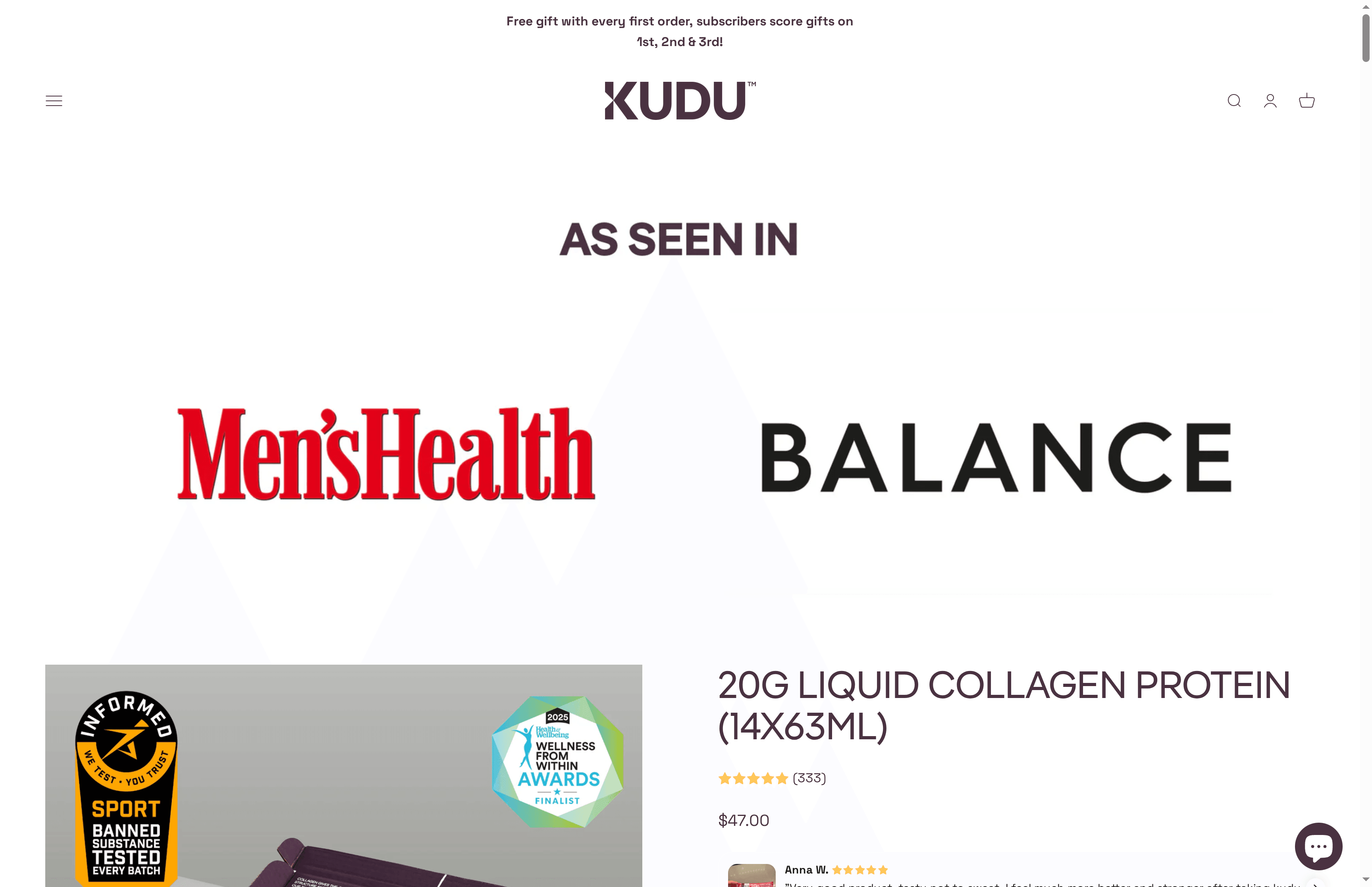
Take control of your collagen journey today by choosing a product designed for performance, recovery, and beauty. Visit the KUDU Nutrition | 20g Collagen Protein for Performance & Recovery collection now and start experiencing scientifically supported benefits backed by full ingredient transparency. Learn more or purchase directly via our official landing page and begin seeing the difference that quality and expert formulation make.
Frequently Asked Questions
What should I look for in a collagen supplement’s source?
To ensure a high-quality collagen supplement, prioritise products that disclose their collagen’s origin, peptide molecular-weight distribution, and third-party testing. Investigate their manufacturing processes and request documentation to verify the supplement’s quality before purchasing.
How much collagen should I take for optimal benefits?
Aim for a daily intake of at least 2.5 to 10 grams of collagen peptides to achieve noticeable health improvements. Consider starting with a minimum of 2.5 grams and adjust based on your body’s response over the course of several weeks.
Why are third-party certifications important for collagen supplements?
Third-party certifications provide assurance of a collagen supplement’s purity and safety, as they verify the absence of harmful substances and adherence to production standards. Always look for products with certifications, as this indicates a commitment to quality and transparency.
What nutritional additions enhance collagen supplements?
Look for collagen supplements that include additional nutrients such as Vitamin C, Zinc, and Biotin, as these can significantly improve collagen absorption and efficacy. Choosing a product with these complementary ingredients can lead to better outcomes for your skin and overall health.
How does collagen support joint and bone health?
Collagen plays a crucial role in maintaining joint functionality and bone density by supporting cartilage and connective tissues. For best results, consider taking collagen supplements consistently alongside light resistance training to maximise the benefits for joint health over time.
What is the best time to take collagen supplements for maximum absorption?
For optimal absorption, take collagen supplements on an empty stomach or between meals. Consistent daily intake is key; consider splitting your dosage into two servings to maintain steady levels of collagen throughout the day.