


Most advice about choosing collagen supplements leaves many British consumers confused by complex labels and bold promises. With over 40 percent of British adults reporting regular supplement use, understanding the right terminology becomes crucial for making informed choices. This guide breaks down the key differences between collagen sources, decoding confusing claims and certifications so you can confidently select what actually fits your health needs.
Table of Contents
- Defining Collagen Supplement Terminology
- Differentiating Hydrolysed Versus Native Collagen
- Understanding Collagen Sources (Bovine, Marine, Chicken)
- Decoding Third‑Party Certifications And Labelling
- Recognising Health Claim Limits And Safety
- Avoiding Misleading Terminology Pitfalls
Key Takeaways
| Point | Details |
|---|---|
| Collagen Types | Hydrolysed collagen is more bioavailable, while native collagen maintains its triple-helix structure for specific immune benefits. |
| Source Selection | Choose collagen from bovine, marine, or chicken based on unique benefits relevant to your health goals. |
| Regulatory Landscape | Manufacturers cannot make explicit health claims; consumers should research products and consult healthcare professionals. |
| Marketing Awareness | Be cautious of misleading terminology; rely on scientifically backed information and avoid exaggerated marketing claims. |
Defining Collagen Supplement Terminology
Collagen is a foundational protein that serves as a critical structural component within the human body, forming the building blocks for numerous biological systems. Derived from animal and fish materials, these supplements are rich in amino acids essential for maintaining joint health, skin elasticity, and connective tissue integrity.
Supplements typically come in several primary forms, including hydrolysed collagen, gelatin, and type II collagen. Hydrolysed collagen represents the most bioavailable version, with smaller peptide molecules that are more easily absorbed by the body. This form is particularly popular among athletes and individuals seeking targeted nutritional support for joint and skin health. Supplement research indicates that collagen production naturally declines with age, making supplementation an attractive option for those wanting to support their body’s structural proteins.
The primary sources of collagen supplements include bovine (cattle), marine (fish), and chicken-derived proteins. Each source offers unique amino acid profiles and potential benefits. Bovine collagen, for instance, is renowned for its type I and III collagen content, which supports skin, bone, and muscle health. Marine collagen, derived from fish, tends to have smaller molecular weights, potentially enhancing absorption and providing additional marine-based nutrients.
Pro Tip: Always verify the supplement’s source and processing method, as high-quality hydrolysed collagen with transparent sourcing will provide the most effective nutritional support for your body’s needs.
Differentiating Hydrolysed Versus Native Collagen
Hydrolysed collagen and native collagen represent two distinct approaches to protein supplementation, each with unique structural characteristics and potential biological impacts. Hydrolysed collagen undergoes enzymatic processing that breaks down its complex triple-helix structure into smaller peptides, fundamentally altering its molecular composition and absorption potential.

The primary distinction lies in their molecular structure and proposed mechanism of action. Native collagen maintains its original triple-helix configuration, which is believed to work through an immune-mediated process called oral tolerance. This means the protein potentially triggers specific immune responses that might support joint and connective tissue health. In contrast, hydrolysed collagen is broken into smaller peptides, which significantly enhances its solubility and potentially improves digestive absorption.
Each form offers distinct advantages for consumers. Hydrolysed collagen is typically more versatile, dissolving easily in liquids and potentially offering faster absorption rates. Native collagen, with its intact molecular structure, may provide more targeted immunological benefits. Athletes, fitness enthusiasts, and individuals seeking joint support often prefer hydrolysed variants due to their enhanced bioavailability and ease of consumption. The molecular breakdown increases surface area, potentially allowing for more efficient protein utilisation by the body.
Pro Tip: Choose your collagen supplement based on your specific health goals, considering factors like absorption rate, intended use, and individual metabolic response.
Here’s a comparison of key collagen supplement types and their main characteristics:
| Supplement Type | Molecular Structure | Typical Benefits | Ideal Users |
|---|---|---|---|
| Hydrolysed Collagen | Broken into peptides | Rapid absorption, versatile | Athletes, joint/skin support |
| Native Collagen | Intact triple-helix | Immune-mediated joint support | Individuals with joint goals |
| Gelatin | Partially hydrolysed | Culinary uses, gut support | Cooking enthusiasts |
| Type II Collagen | Found in chicken source | Cartilage and joint health | Joint health focused adults |
Understanding Collagen Sources (Bovine, Marine, Chicken)
Collagen supplements derive from multiple animal sources, each offering unique nutritional profiles and potential benefits. Bovine collagen, sourced from cattle, represents the most traditional and widely available supplement type, rich in type I and III collagen that supports skin, bone, and muscle health.
Marine collagen, extracted from fish scales and skin, presents a particularly interesting alternative for consumers seeking more specialised nutritional support. This source typically contains type I collagen with smaller molecular weights, potentially enhancing absorption and providing additional marine-based nutrients. Different animal sources can significantly influence the collagen supplement’s amino acid composition and potential physiological impacts, making source selection a crucial consideration for health-conscious individuals.
Chicken collagen offers another valuable option, particularly noted for its type II collagen content. This variant is especially beneficial for individuals focused on joint health and connective tissue support. Athletes, fitness enthusiasts, and those managing joint-related concerns often gravitate towards chicken-derived supplements due to their specific molecular characteristics. The diversity of collagen sources allows consumers to select supplements most aligned with their individual health objectives and potential dietary restrictions.
Pro Tip: Consider your specific health goals and potential allergies when selecting a collagen supplement, as each source provides unique protein compositions and potential benefits.
Below is a summary of collagen sources and their unique features:
| Source | Main Collagen Types | Notable Properties | Common Use Case |
|---|---|---|---|
| Bovine | Types I & III | Supports skin, bone, muscles | General wellness |
| Marine | Type I | Small molecules, high absorption | Beauty, pescatarian use |
| Chicken | Type II | Targets cartilage, joint support | Joint and mobility care |
Decoding Third‑Party Certifications And Labelling
Collagen supplement labelling involves complex regulatory considerations that consumers must carefully navigate. In the United Kingdom, strict guidelines govern how nutritional supplements can be marketed, with particular emphasis on preventing misleading health claims.
Third-party certifications serve as critical indicators of product quality and reliability. Quality assurance certifications like Informed Sport, NSF International, and Informed Choice provide independent verification of supplement manufacturing standards. These certifications typically involve rigorous testing for contaminants, banned substances, and manufacturing consistency. Government import guidelines underscore the importance of transparent documentation and compliance with safety standards, ensuring consumers receive safe and reliable products.

Consumers should pay close attention to specific label details beyond certifications. Key elements include source of collagen, molecular weight, amino acid profile, and any potential allergen warnings. The absence of authorised health claims means manufacturers must be cautious about suggesting specific health benefits. Reputable brands will focus on product transparency, providing detailed information about sourcing, processing methods, and nutritional content without making unsubstantiated medical assertions.
Pro Tip: Always cross-reference supplement labels with independent certification information and verify the credibility of third-party testing before making a purchase.
Recognising Health Claim Limits And Safety
Regulatory guidelines significantly restrict health claims for collagen supplements, creating a complex landscape for consumers seeking reliable nutritional information. In the United Kingdom, manufacturers cannot legally assert specific medical benefits, forcing them to communicate product information with extraordinary precision and transparency.
The absence of authorised health claims does not diminish the potential value of collagen supplements. Collagen is generally considered well-tolerated, with minimal reported side effects. Potential minor side effects might include temporary digestive discomfort such as a feeling of heaviness in the stomach, mild diarrhea, or occasional skin reactions. Importantly, no significant drug interactions have been widely documented, providing additional reassurance for consumers.
Consumers must approach collagen supplementation with informed caution. While regulatory bodies prevent manufacturers from making explicit health claims, this restriction underscores the importance of individual research and consultation with healthcare professionals. Individual responses to supplements can vary dramatically, and what works effectively for one person may not produce identical results for another. Transparent brands will focus on providing comprehensive nutritional information, detailed sourcing, and manufacturing processes rather than making unsubstantiated medical promises.
Pro Tip: Consult with a healthcare professional before starting any new supplement regimen, and carefully review product labels to understand exactly what you are consuming.
Avoiding Misleading Terminology Pitfalls
Marketing language surrounding collagen supplements often employs sophisticated tactics designed to create unrealistic consumer expectations, making it crucial for consumers to develop critical evaluation skills. Regulatory restrictions in the United Kingdom prohibit manufacturers from making direct health claims, compelling brands to use carefully constructed language that suggests potential benefits without explicitly stating them.
Consumers must be particularly vigilant about terminology such as ‘clinically proven,’ ‘revolutionary,’ or ‘guaranteed results.’ Scientific studies on collagen supplements reveal significant variability in research outcomes, with uncertainties surrounding optimal dosage and absorption rates. These nuanced findings suggest that blanket statements about supplement effectiveness are inherently misleading. Key red flags include marketing language that implies immediate or dramatic transformations, promises of universal benefits, or suggests the supplement functions as a medical treatment.
Critical terminology analysis involves understanding the difference between scientific evidence and marketing rhetoric. Reputable brands will use neutral, factual language, providing transparent information about ingredient sourcing, processing methods, and nutritional content. Words like ‘may support,’ ‘contributes to,’ or ‘potential benefits’ are more scientifically responsible than absolute statements. Consumers should seek supplements that prioritize educational communication over sensationalist claims, focusing on detailed product information rather than emotional marketing tactics.
Pro Tip: Always cross-reference marketing claims with independent scientific research and consult healthcare professionals to interpret supplement terminology accurately.
Discover Transparent, High-Quality Collagen Supplements Tailored for You
Understanding collagen supplement terminology is essential to choosing the right product that truly supports your health goals. Whether you seek enhanced skin elasticity, improved joint function, or fitness recovery, navigating terms like hydrolysed collagen, molecular structure, and sourcing can feel overwhelming. You deserve a collagen supplement that not only clarifies these complexities but also guarantees high collagen content, superior taste, and trusted certification.
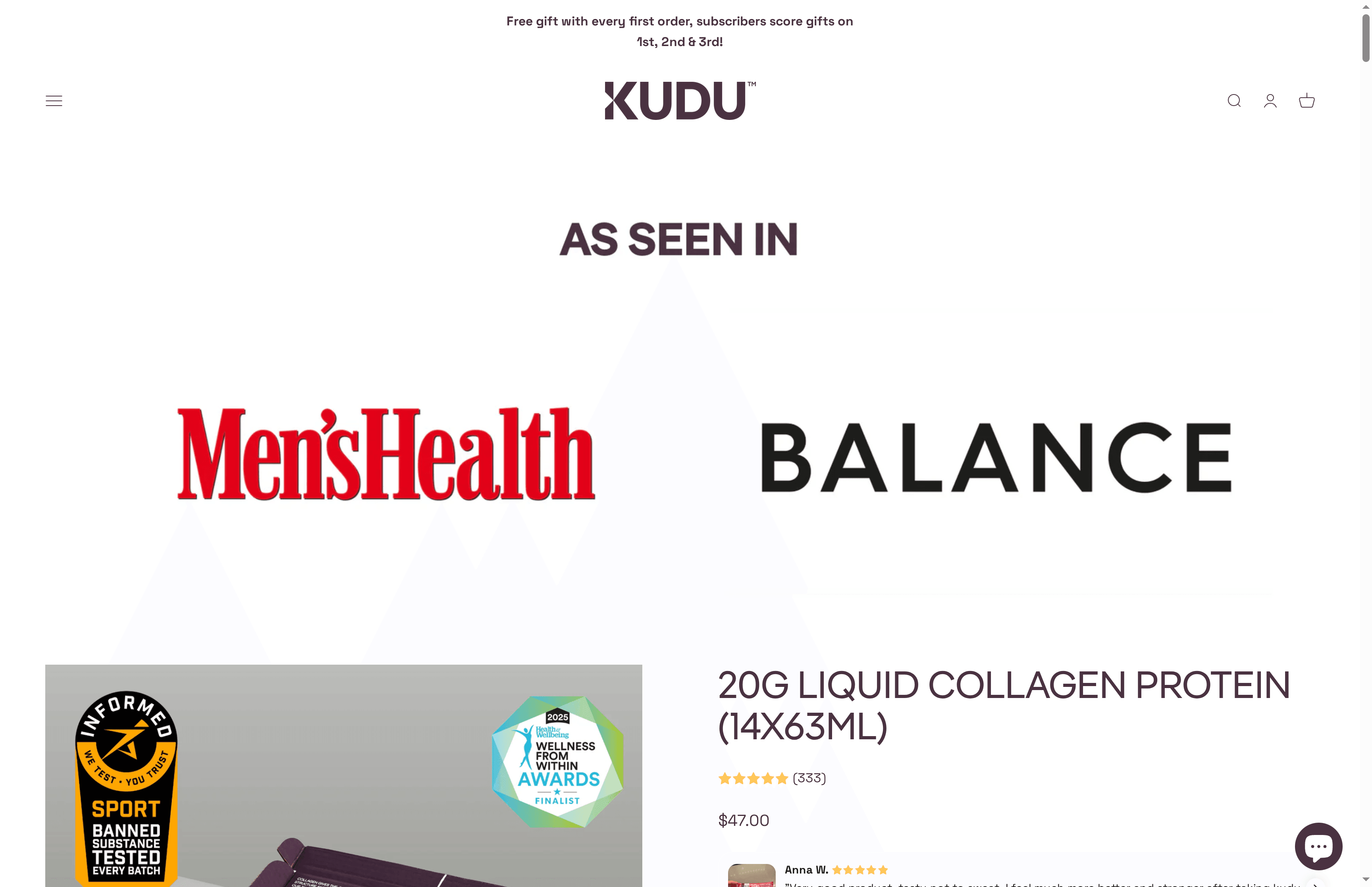
Explore our carefully crafted range of 20g Collagen Protein Supplements, designed to deliver premium quality sourced collagen with transparent nutritional data backed by rigorous Informed Sport certification. Stop guessing and start feeling the difference with KUDU Nutrition’s liquid collagen sachets that blend science with convenience. Visit our main product page today and take the first step toward supporting your beauty, joint, and fitness ambitions confidently.
For an overview of all our solutions crafted to empower your wellness journey, see KUDU Nutrition | 20g Collagen Protein for Performance & Recovery. Your next level of collagen clarity and confidence awaits.
Frequently Asked Questions
What is the difference between hydrolysed collagen and native collagen?
Hydrolysed collagen is broken down into smaller peptides for better absorption, while native collagen retains its original triple-helix structure, enabling potential immune-mediated benefits. Hydrolysed collagen is often preferred for its versatility and rapid absorption, whereas native collagen may support joint health through immune responses.
What are the main sources of collagen supplements?
Collagen supplements primarily come from three sources: bovine (cattle), marine (fish), and chicken. Bovine collagen is rich in types I and III, supporting skin and muscles; marine collagen often has smaller molecules for better absorption; and chicken collagen is beneficial due to its type II collagen content, which supports joint health.
Are there any potential side effects of collagen supplements?
Collagen supplements are generally well-tolerated, with minimal reported side effects. Common minor side effects may include digestive discomfort or skin reactions. However, individual responses vary, and no significant drug interactions have been reported.
How can I choose the right collagen supplement for my health goals?
Consider your specific health objectives when selecting a collagen supplement. Look at the source of collagen, its molecular weight, and the type (hydrolysed vs. native) to match your needs for absorption rate and intended benefits, such as joint support or skin health.