collagen supplement myths explained

Collagen Supplement Myths Explained: Facts vs Fiction

Woman examines collagen supplements at kitchen table

Over 60 percent of British adults have tried some form of nutritional supplement, yet many still feel uncertain about what collagen supplements actually do. Collagen is more than just a buzzword in wellness circles—it plays a vital part in how our skin, joints, and muscles function every day. With so many products and myths online, understanding the science behind collagen can help you make smarter choices for your health and wellbeing.

Table of Contents

Key Takeaways

Point Details
Collagen Supplements Support Structural Health Collagen is vital for maintaining skin, joints, and connective tissues, and supplementation can enhance these aspects when natural production declines.
Quality and Source Matter Choosing hydrolysed collagen from reputable sources ensures better absorption and effectiveness, so verify third-party testing and transparency.
Myths Surrounding Collagen Claims Many claims about collagen’s benefits, such as reversing skin ageing, lack substantial scientific backing; a holistic approach is recommended for overall health.
Safety and Allergies Should Be Considered Consumers should be aware of potential allergens linked to collagen sources and consult healthcare professionals prior to supplementation.

Collagen Supplements: What They Really Are

Collagen is a critical structural protein that serves as the foundational building block for numerous bodily tissues. Structural proteins like collagen provide essential strength and elasticity to skin, tendons, ligaments, and connective tissues throughout the human body. Unlike generic protein supplements, collagen specifically supports structural integrity and cellular repair mechanisms.

Supplements typically contain hydrolyzed collagen peptides, which are scientifically processed to enhance absorption and bioavailability. Hydrolyzed collagen derived from animal connective tissues breaks down complex protein structures into smaller, more easily digestible components. This molecular transformation allows the body to more efficiently integrate these proteins into existing tissue structures, supporting regeneration and maintenance.

The primary sources of collagen supplements include bovine, marine, and chicken-derived proteins, each offering unique molecular profiles and potential benefits. These supplements come in multiple formats:

  • Powders that can be mixed into beverages
  • Capsules for convenient consumption
  • Liquid sachets for rapid absorption

While collagen supplements cannot completely replace natural bodily production, they can provide targeted nutritional support for individuals experiencing reduced collagen synthesis due to aging, lifestyle factors, or specific health conditions.

Pro Tip for Supplement Selection: Research the specific collagen type and source that best matches your individual health goals, as different formulations target varying bodily systems such as skin elasticity, joint health, or muscle recovery.

Debunking Common Collagen Myths

Collagen supplements have become a popular wellness trend, but many claims about their miraculous benefits remain scientifically unsubstantiated. Scientific evidence supporting widespread supplement claims remains limited, with most studies being small-scale and potentially influenced by industry funding.

One prevalent myth suggests that collagen supplements can dramatically reverse skin ageing. However, independent research indicates lifestyle factors like sun exposure and smoking have far more significant impacts on collagen degradation than any supplement could potentially counteract. Consumers often believe these supplements offer a quick fix for wrinkles and skin elasticity, but the reality is far more nuanced.

Common misconceptions about collagen supplements include:

  • They can completely replace natural collagen production
  • All collagen supplements are equally effective
  • Immediate results are guaranteed
  • Supplements work identically for everyone
  • Higher price automatically means better quality

The human body’s collagen production is complex, influenced by numerous factors including age, diet, hormones, and overall health. While supplements might offer supplementary support, they cannot magically transform skin or joint health overnight. Critical evaluation of marketing claims and understanding individual physiological differences is essential.

Pro Tip for Smart Supplementation: Consult healthcare professionals and prioritise holistic lifestyle approaches like balanced nutrition, hydration, and sun protection over relying exclusively on collagen supplements.

Types, Quality, and Absorption Explained

Collagen supplement varieties span multiple molecular structures, with key differences in processing and bioavailability. Hydrolyzed collagen peptides represent the most advanced form, engineered through precise molecular breakdown to enhance digestive absorption and cellular uptake. These smaller protein fragments allow for more efficient nutritional integration compared to traditional gelatin or unprocessed collagen sources.

Supplement quality remains a critical consideration for consumers. Collagen products lack comprehensive FDA regulation, making independent third-party testing essential for verifying safety and potency. Discerning buyers should investigate certification processes, source transparency, and independent laboratory analysis before selecting a supplement.

The primary collagen supplement categories include:

  • Hydrolyzed Collagen: Smallest peptide form, optimal absorption
  • Gelatin: Partially broken-down collagen
  • Undenatured Collagen: Minimally processed, larger molecular structure
  • Marine Collagen: Derived from fish sources
  • Bovine Collagen: Extracted from cattle connective tissues

Each collagen type offers unique molecular characteristics, targeting different bodily systems and potentially providing varied benefits across skin, joint, and muscular health domains.

Infographic showing collagen types and uses

Here’s a concise comparison of common collagen supplement types and their notable properties:

Type of Collagen Main Source Typical Use Area Absorption Rate
Hydrolysed Peptides Cattle, Fish Skin, Joints, Muscles Very High
Gelatin Animal Bones/Skin Culinary, Digestive Health Moderate
Undenatured Collagen Chicken Cartilage Joint Support Low
Marine Collagen Fish Skin Elasticity, Hair High
Bovine Collagen Cattle Joint and Bone Health High

Pro Tip for Supplement Selection: Prioritise supplements with transparent sourcing, third-party testing certifications, and scientifically validated extraction methods to ensure maximum nutritional efficacy.

Actual Benefits for Skin, Joints, and Fitness

Systematic scientific research reveals promising potential benefits for collagen supplementation across multiple bodily systems. Skin health emerges as a primary area of interest, with evidence suggesting significant improvements in hydration, elasticity, and overall dermal structure. These molecular changes can contribute to a more youthful appearance and enhanced skin resilience.

Man stretching in gym with collagen supplement

In the realm of joint and muscular health, collagen peptide supplementation demonstrates remarkable potential for reducing joint pain and improving physical functionality, particularly when integrated with consistent exercise routines. Athletes and fitness enthusiasts may find particular value in these supplements, as they potentially support faster muscle recovery and reduce exercise-induced joint stress.

Key benefits of collagen supplementation include:

  • Enhanced skin hydration and elasticity
  • Potential reduction in joint discomfort
  • Improved muscle recovery rates
  • Support for connective tissue strength
  • Potential mitigation of age-related structural protein degradation

While individual responses vary, the cumulative scientific evidence suggests collagen supplements could offer meaningful physiological support. The most pronounced benefits appear to emerge from consistent, long-term supplementation combined with a balanced lifestyle and regular physical activity.

Pro Tip for Optimal Results: Combine collagen supplementation with balanced nutrition, adequate hydration, and regular exercise to maximise potential physiological benefits.

Risks, Safety, and Choosing the Right Product

Collagen supplement safety requires careful consumer awareness, with potential side effects ranging from mild gastrointestinal discomfort to more serious allergic reactions. Individuals with known food allergies, particularly those related to animal proteins, should exercise additional caution and consult healthcare professionals before beginning supplementation.

Product quality represents a critical concern in the supplement marketplace. The lack of comprehensive regulatory oversight creates significant challenges for consumers, necessitating a proactive approach to selecting high-quality, verified supplements. Rigorous third-party testing and transparent sourcing become paramount in ensuring product safety and nutritional integrity.

Key considerations when selecting collagen supplements include:

Consider these factors when choosing a collagen supplement for your needs:

Selection Criterion Practical Relevance How to Assess
Source Transparency Ensures ethical, safe origin Review supplier details
Allergen Profile Prevents allergic reactions Check label for origins
Testing Certification Confirms product safety Look for third-party seals
Molecular Structure Influences body uptake Opt for hydrolysed forms
Processing Methods Affects purity, efficacy Prefer gentle extraction methods
  • Verify third-party testing certifications
  • Check detailed ingredient sourcing information
  • Investigate potential allergen interactions
  • Review protein peptide molecular structure
  • Examine extraction and processing methods
  • Confirm manufacturer’s reputation and transparency
  • Look for scientifically validated production techniques

Different collagen sources present unique risk profiles. Marine collagen might trigger seafood allergies, while bovine-derived supplements could pose challenges for individuals with specific protein sensitivities. Understanding your personal health background and potential genetic predispositions is crucial in making an informed supplementation decision.

Pro Tip for Smart Selection: Prioritise supplements with comprehensive laboratory testing, transparent ingredient sourcing, and clear molecular characterisation to minimise potential health risks.

Discover Truths and Unlock Real Collagen Benefits Today

Understanding the myths and facts about collagen supplements is the first step towards making informed decisions about your health and beauty routine. If you have ever felt uncertain about whether your collagen supplement truly supports skin elasticity, joint comfort, or muscle recovery, you are not alone. The challenge lies in choosing a high-quality product backed by transparent nutritional data and superior absorption, just as the science advises.

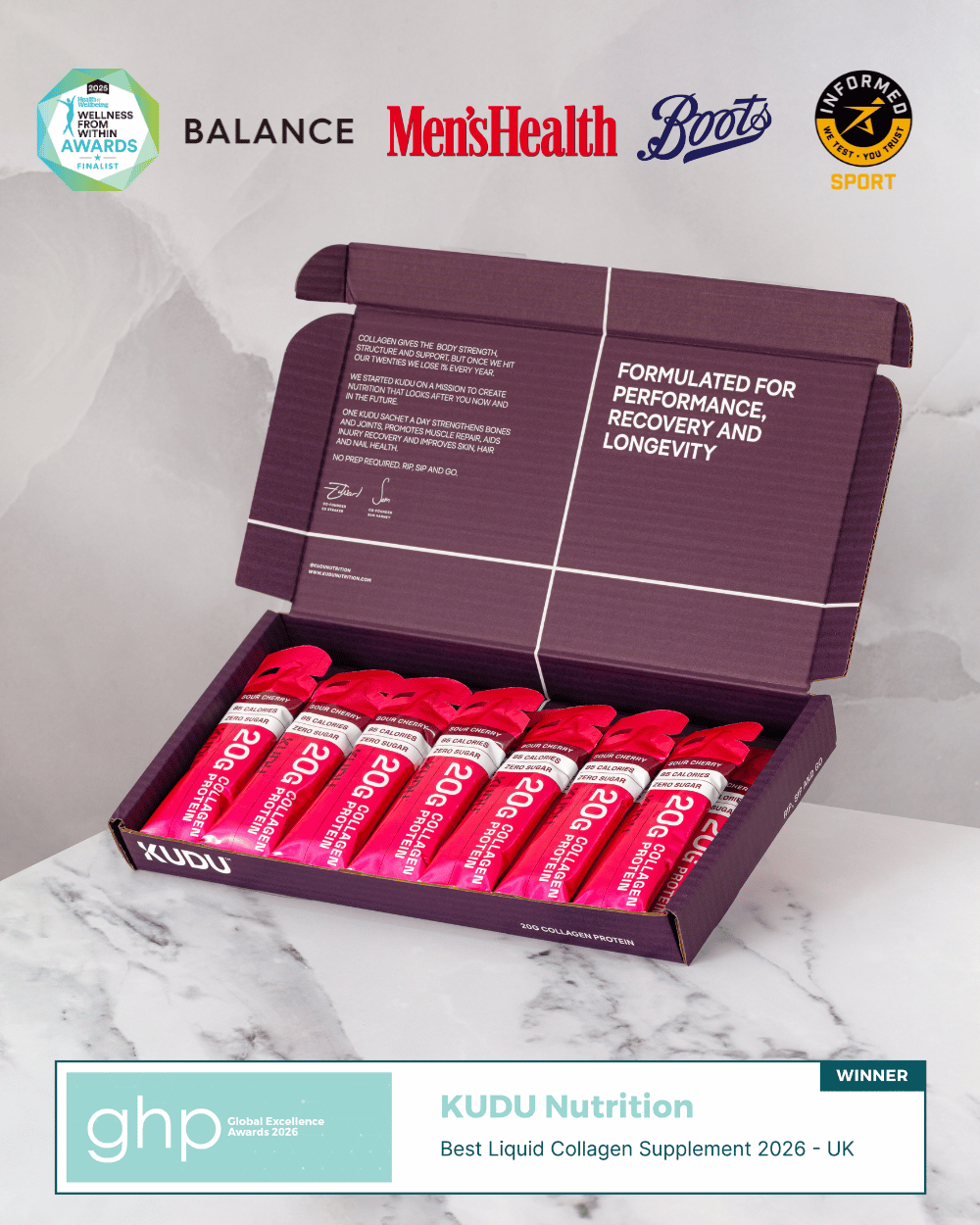
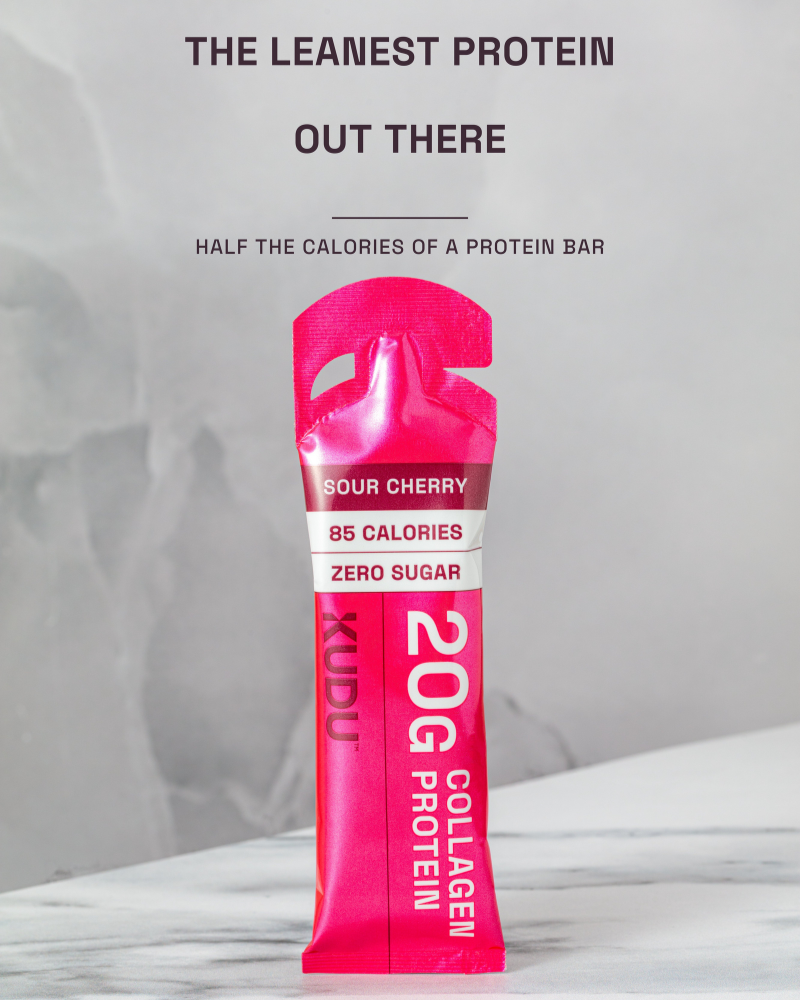
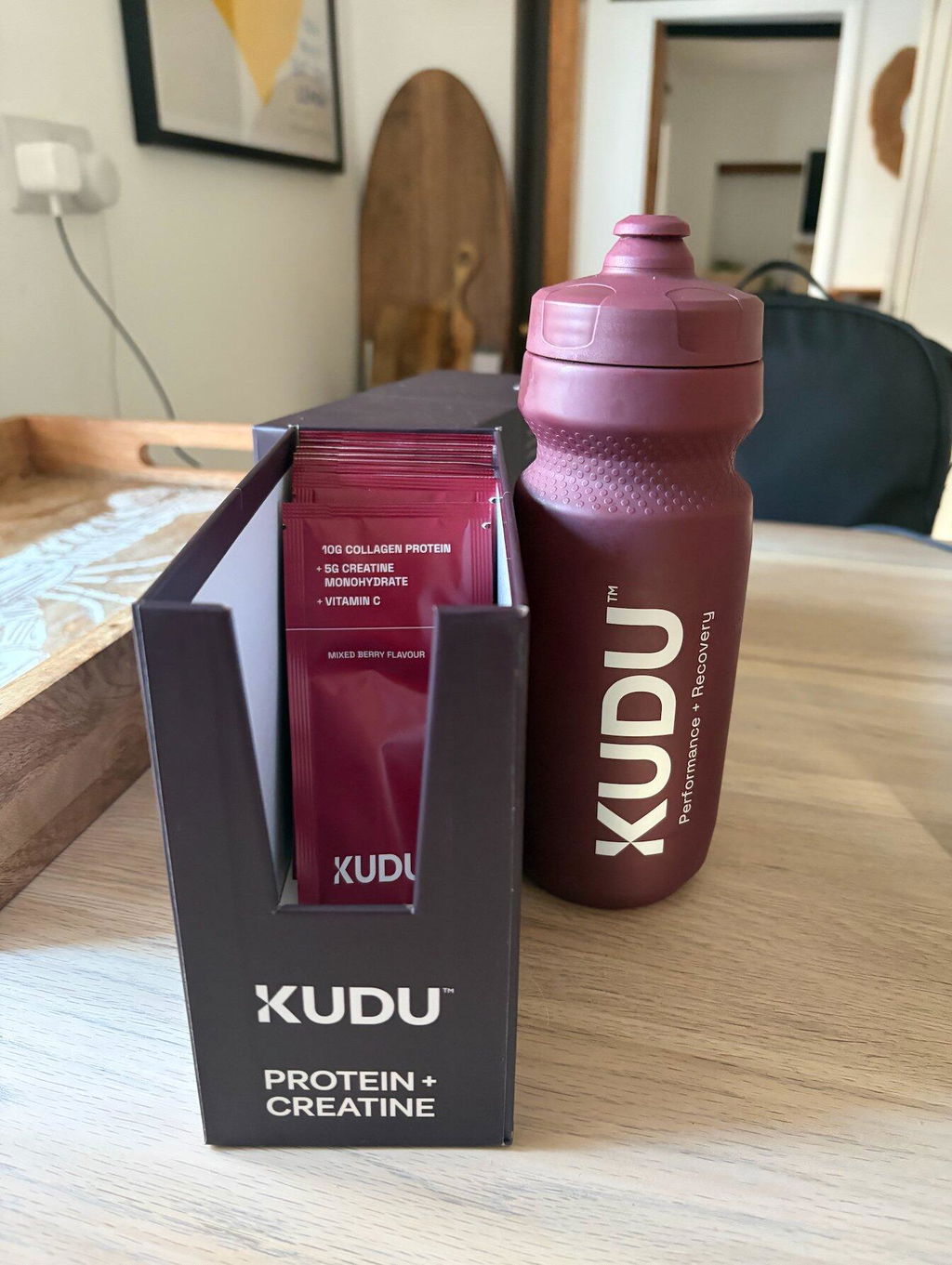
KUDU Nutrition offers a carefully crafted solution designed to address these common consumer concerns with confidence. Our 20g Collagen Protein Supplements deliver a potent dose of hydrolysed collagen peptides proven to enhance skin, joint, and bone health. With certified quality through Informed Sport testing and a taste profile that stands apart from competitors, our collagen sachets provide exactly what health-conscious individuals and athletes look for – trustworthiness and real effectiveness.

https://kudunutrition.com/products/20g-collagen-protein-14-pack

Take control of your wellness journey by selecting a collagen supplement that truly supports your goals. Explore the full range at our Front Page and experience the difference in performance and recovery available with KUDU Nutrition | 20g Collagen Protein for Performance & Recovery. Act now and start benefiting from collagen in a form that science supports. Visit https://kudunutrition.com/products/20g-collagen-protein-14-pack to order your pack today.

Frequently Asked Questions

What are collagen supplements made of?

Collagen supplements are typically made from hydrolysed collagen peptides derived from animal sources such as bovine, marine, and chicken connective tissues. These peptides are processed to enhance absorption and bioavailability.

Can collagen supplements reverse skin ageing?

Collagen supplements cannot dramatically reverse skin ageing. Factors such as sun exposure and smoking have a more significant impact on collagen degradation than what any supplement can counteract.

How do I choose the right type of collagen supplement?

To choose the right collagen supplement, consider the specific health goals you want to address, such as skin elasticity or joint health. Research the collagen type and source that best aligns with these goals and opt for products with transparent sourcing and third-party testing.

Are there any risks associated with collagen supplements?

Yes, potential risks include mild gastrointestinal discomfort and allergic reactions, particularly for individuals with known food allergies related to animal proteins. It’s crucial to consult healthcare professionals before starting supplementation, especially for those with sensitivities.

Reading next

Woman comparing two collagen supplement tubs
Woman checking hair in bathroom mirror