


Finding yourself lost in technical terms when comparing collagen supplements is all too common, especially with the rapid growth of the United Kingdom collagen market and its focus on diverse protein types and sources. Clear understanding matters because knowing the difference between collagen types and sources is the foundation for making choices that truly support your skin, joints, or overall wellness. This guide breaks down the jargon, making every ingredient and label transparent for your health and beauty goals.
Table of Contents
- Core Terms In The Collagen Industry
- Types And Sources Of Collagen Explained
- Ingredient Processes And Bioavailability Factors
- Labelling, Standards And Legal Requirements
- Quality Certification And Ethical Assurances
- Common Pitfalls In Collagen Claims
Key Takeaways
| Point | Details |
|---|---|
| Understanding Collagen Types | Different types of collagen offer unique health benefits, with Types I, II, and III being the most prevalent. Knowing the type can help target specific health objectives. |
| Source Matters | Collagen can be derived from bovine, marine, and chicken sources, each with distinct properties and sustainability profiles. Consumers should choose based on their health needs and values. |
| Bioavailability is Key | The processing methods, especially hydrolysis, significantly affect collagen’s absorption in the body. Higher bioavailability can lead to better results in terms of efficacy. |
| Scrutinise Claims | Many collagen products make bold health claims that may lack scientific backing. Consumers should seek evidence from credible sources to verify such claims. |
Core terms in the collagen industry
The collagen industry encompasses a specialised sector focused on understanding, extracting, and utilising this critical structural protein. Comprehensive market research reveals collagen as a fundamental protein essential for maintaining skin elasticity, joint health, and overall bodily wellness.
Understanding the core terminology is crucial for consumers navigating this complex market. Collagen fundamentally refers to a structural protein comprising amino acids that form connective tissues throughout the human body. The protein exists in multiple types, with Types I, II, and III being most prevalent in human physiology. These types differ in their molecular structure and primary locations within the body:
- Type I: Primary component of skin, bones, and tendons
- Type II: Predominantly found in cartilage
- Type III: Supports skin, muscles, and blood vessels
The protein can be sourced from various origins, including bovine, porcine, marine, and chicken-derived extracts. UK market analysis indicates that marine and bovine sources currently dominate the supplement market, with increasing consumer preference for sustainable and traceable protein extraction methods.
Pro tip: When selecting a collagen supplement, always verify the specific collagen type and source to ensure it matches your targeted health objectives.
Types and sources of collagen explained
Collagen sources in the wellness market are diverse, with each type offering unique benefits for human health. Commercial collagen sources predominantly include bovine, marine, and chicken-derived proteins, each targeting specific physiological needs.

The primary commercial collagen types represent distinct health applications. Bovine collagen (Types I and III) supports skin and bone health, making it a popular choice for those seeking comprehensive connective tissue support. Marine collagen offers exceptional bioavailability and sustainability, appealing to environmentally conscious consumers. Chicken collagen specialises in joint health, particularly beneficial for individuals managing mobility challenges.
Detailed breakdown of collagen sources reveals nuanced differences:
-
Bovine Collagen
- Primary source: Cattle hide and bones
- Best for: Skin elasticity and bone density
- Rich in Types I and III collagen
-
Marine Collagen
- Primary source: Fish skin and scales
- Best for: High absorption and skin regeneration
- Predominantly Type I collagen
-
Chicken Collagen
- Primary source: Chicken cartilage
- Best for: Joint health and cartilage maintenance
- Predominantly Type II collagen
Marine collagen benefits demonstrate increasing popularity among UK wellness enthusiasts, with consumers prioritising sustainable and easily absorbed protein sources.
Here’s a consolidated comparison of the most prevalent collagen sources in modern supplements:
| Collagen Source | Main Health Focus | Sustainability Profile | Typical UK Market Preference |
|---|---|---|---|
| Bovine | Bone and skin support | Moderate; often farm-based | Highly popular for overall wellness |
| Marine | Skin regeneration and absorption | Strong; ocean-derived, traceable | Growing preference among eco-conscious consumers |
| Chicken | Joint and cartilage care | Limited; poultry farming concerns | Niche interest for mobility needs |
Pro tip: Consider your specific health goals when selecting a collagen supplement, as different sources offer targeted benefits for skin, joint, and connective tissue wellness.
Ingredient processes and bioavailability factors
Collagen processing techniques play a crucial role in determining the effectiveness of nutritional supplements. The journey from raw protein to consumable supplement involves sophisticated scientific methodologies designed to maximise nutrient absorption and biological activity.
Hydrolysis represents the primary method for enhancing collagen bioavailability. This process breaks down complex protein molecules into smaller peptides, enabling more efficient absorption through the digestive system. The molecular weight of these peptides significantly influences their ability to penetrate intestinal walls and reach target tissues such as skin, bones, and joints.
Key processing stages include:
-
Enzymatic Hydrolysis
- Breaks protein chains into smaller peptides
- Increases digestibility and absorption rates
- Preserves critical amino acid structures
-
Purification
- Removes potential contaminants
- Concentrates active protein components
- Ensures supplement quality and safety
-
Molecular Weight Optimization
- Targets peptide sizes for maximum absorption
- Enhances systemic distribution
- Improves overall nutritional efficacy
Oral collagen peptide research demonstrates that precise processing can dramatically improve bioactivity, ensuring supplements deliver meaningful physiological benefits.
Pro tip: When selecting a collagen supplement, examine the product’s hydrolysis method and average peptide molecular weight to assess its potential effectiveness.
Labelling, standards and legal requirements
Regulatory frameworks for collagen supplements in the UK involve complex legal requirements designed to protect consumer health and ensure product safety. These standards encompass multiple aspects of production, importation, and marketing of collagen-based nutritional products.
The legal landscape for collagen supplements is governed by stringent regulations that mandate precise labelling and traceability. Product labels must comprehensively disclose critical information including:
-
Origin details
- Source of collagen protein
- Animal species used
- Country of production
-
Nutritional Information
- Complete amino acid profile
- Protein content
- Molecular weight specifications
-
Safety Certifications
- Manufacturing standards
- Hygiene compliance
- Testing protocols
UK collagen regulations specifically require manufacturers to obtain authorisation from approved establishments and maintain rigorous documentation demonstrating product safety and ingredient transparency.
Key compliance areas include verifying production methods, ensuring cross-contamination prevention, and providing accurate consumer information. Manufacturers must navigate post-Brexit regulatory environments while maintaining high standards of product integrity.
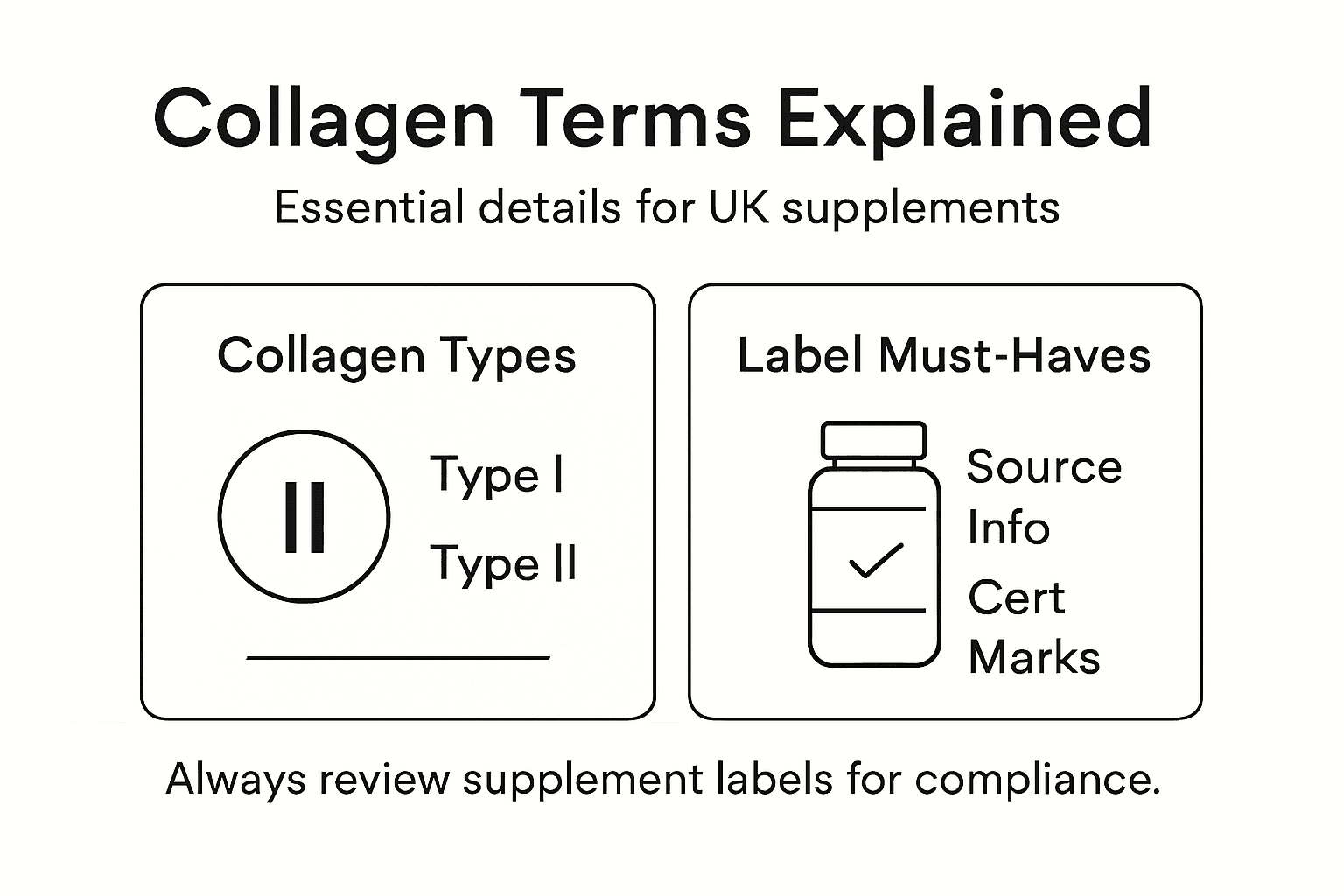
For consumers assessing product safety, here is a summary of essential collagen supplement labelling requirements:
| Label Aspect | Required Information | Consumer Benefit | Compliance Importance |
|---|---|---|---|
| Origin Details | Species, production country | Enables source verification | Prevents mislabelling and fraud |
| Nutritional Specs | Amino acid profile, protein amount | Assists dietary decisions | Ensures declaration accuracy |
| Safety Certifications | Hygiene and testing standards | Assures product safety | Demonstrates regulatory conformity |
Pro tip: Always examine product labels for comprehensive origin information, certification marks, and detailed nutritional specifications to ensure you’re selecting a legally compliant and high-quality collagen supplement.
Quality certification and ethical assurances
Quality management standards in the collagen industry represent critical benchmarks for ensuring product safety, reliability, and consumer trust. These certifications go beyond simple regulatory compliance, demonstrating a manufacturer’s commitment to rigorous scientific and ethical practices.
The most respected quality certifications for collagen supplements include:
-
ISO 13485:2016
- Medical device quality management standard
- Verifies robust manufacturing processes
- Ensures consistent product performance
-
UKAS Accreditation
- Independent UK validation
- Confirms adherence to international standards
- Provides third-party quality verification
-
Traceability Protocols
- Tracks ingredient sourcing
- Validates ethical procurement
- Confirms sustainable production methods
Global collagen certification initiatives like the NutraStrong™ Collagen Verified™ programme are transforming industry transparency. These independent certifications address critical consumer concerns about product purity, sourcing integrity, and substantiated health claims.
Ethical considerations now extend beyond traditional quality metrics, encompassing environmental sustainability, animal welfare, and transparent supply chain management. Consumers increasingly demand comprehensive assurances about the origins and production methods of their nutritional supplements.
Pro tip: When evaluating collagen supplements, prioritise products with multiple independent certifications and transparent sourcing information to ensure maximum quality and reliability.
Common pitfalls in collagen claims
Advertising Standards Authority regulations have highlighted significant challenges in collagen product marketing, revealing numerous misleading claims that consumers must carefully scrutinise. The wellness industry frequently encounters problematic representations of collagen supplement capabilities that lack robust scientific substantiation.
Common misleading claims typically fall into several critical categories:
-
Exaggerated Physiological Effects
- Overstating collagen production enhancement
- Claiming immediate or miraculous skin rejuvenation
- Suggesting unrealistic anti-ageing outcomes
-
Unsubstantiated Health Benefits
- Promising disease prevention without evidence
- Claiming universal joint health improvements
- Suggesting dramatic performance enhancements
-
Scientifically Unsupported Assertions
- Making definitive statements without clinical research
- Presenting anecdotal evidence as scientific fact
- Misrepresenting research findings
Regulatory investigations have consistently demonstrated that many collagen supplement claims breach legal standards for health communications. Manufacturers must provide rigorous scientific documentation supporting any performance or health-related statements.
Consumers should approach marketing claims with critical thinking, requesting transparent evidence and understanding that individual results can vary significantly based on numerous physiological factors.
Pro tip: Always request peer-reviewed scientific evidence directly from manufacturers when evaluating collagen supplement claims, and be sceptical of promises that sound too good to be true.
Discover Targeted Collagen Support with KUDU Nutrition
Navigating the complex collagen industry requires clarity on collagen types, sources, and bioavailability. If you are seeking a premium supplement that delivers scientifically backed benefits for skin, joint, and bone health, our 20g Collagen Protein Supplements are designed with those exact needs in mind. With transparent ingredient sourcing and high-quality certifications, you can trust the integrity and efficacy of each sachet to support your wellness goals.
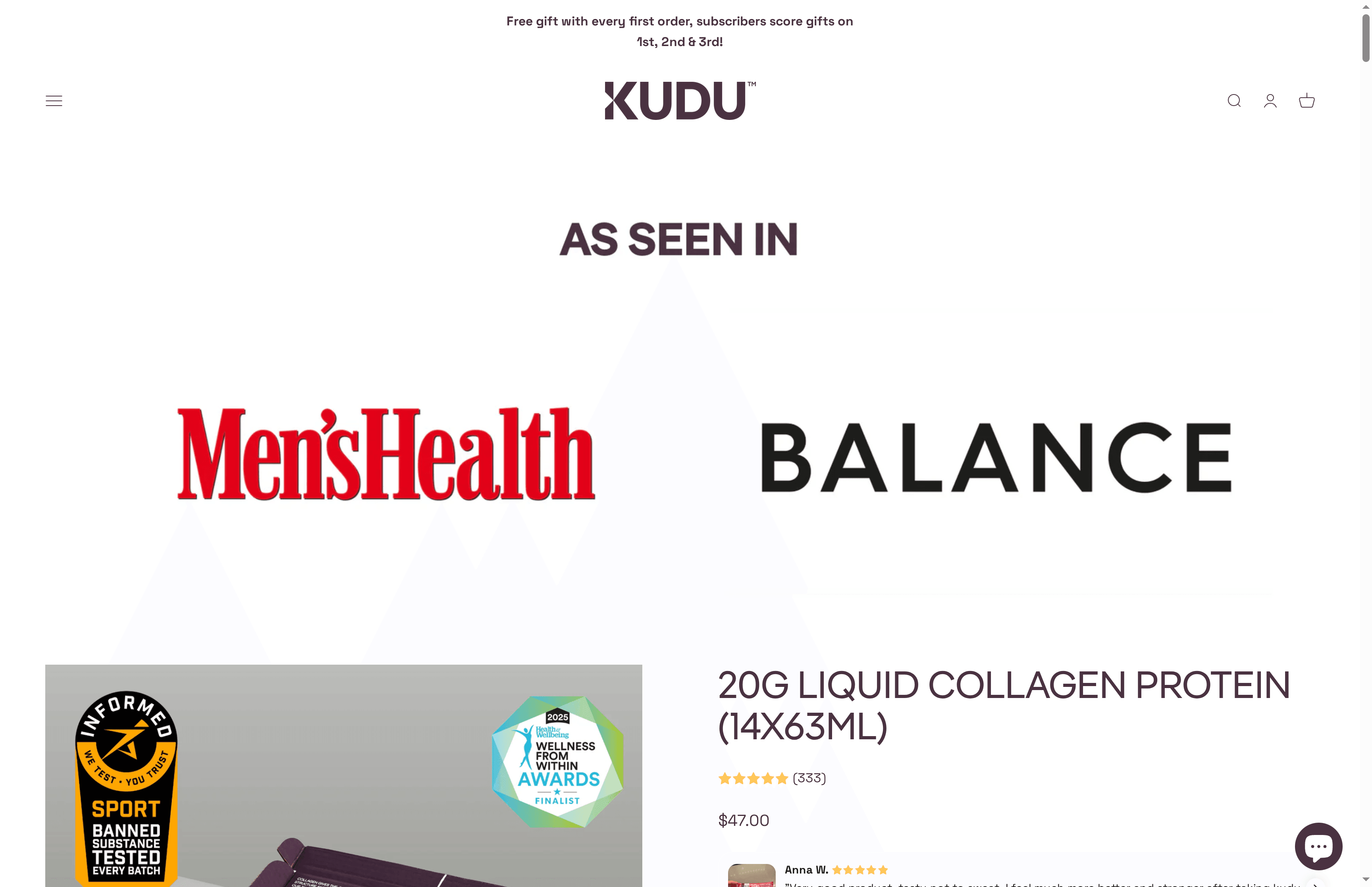
Ready to elevate your collagen intake with a trusted product? Explore the full benefits and taste profile today with KUDU Nutrition | 20g Collagen Protein for Performance & Recovery. Make an informed choice for your health by visiting our detailed product page at https://kudunutrition.com/products/20g-collagen-protein-14-pack and start your journey to enhanced vitality, beauty, and recovery now.
Frequently Asked Questions
What is collagen and why is it important?
Collagen is a structural protein made up of amino acids that form connective tissues in the body. It’s essential for maintaining skin elasticity, joint health, and overall bodily wellness.
What are the different types of collagen and their benefits?
The most prevalent types of collagen in the body include Type I (found in skin, bones, and tendons), Type II (found in cartilage), and Type III (supports skin, muscles, and blood vessels). Each type serves unique physiological functions.
How should I choose the right collagen supplement for my needs?
When selecting a collagen supplement, consider your specific health goals and verify the type and source of collagen (bovine, marine, or chicken). Each source provides targeted benefits, such as skin elasticity or joint health.
What processing methods affect the bioavailability of collagen supplements?
Hydrolysis is the primary processing method that enhances collagen bioavailability by breaking down proteins into smaller peptides for better absorption. Factors like molecular weight and purification also play critical roles in improving effectiveness.