


TL;DR:
- Getting recovery nutrition right is often misunderstood but is crucial for optimal muscle repair and energy restoration. Consuming 20–40g of quality protein across multiple meals, combined with timely carbohydrate intake and proper hydration, enhances recovery for active individuals. Supplementing with collagen, creatine, and micronutrients further supports tissue repair and performance gains when incorporated into consistent habits.
Getting recovery nutrition right is one of the most misunderstood areas in fitness. You train hard, feel the soreness the next morning, and wonder whether you ate the right things. A solid fitness nutrition list for recovery takes the guesswork out of that process. The right combination of protein, carbohydrates, fluids, and targeted supplements directly determines how fast you repair muscle tissue, restore energy stores, and return to peak performance. This guide breaks down every category you need, with specific foods, timings, and dosages grounded in current evidence.
Table of Contents
- Key takeaways
- Your fitness nutrition list for recovery: the criteria
- 1. High-quality animal protein sources
- 2. Plant-based protein sources
- 3. Carbohydrates for glycogen replenishment
- 4. Hydration and electrolyte replacement
- 5. Collagen and tissue repair supplements
- 6. Creatine monohydrate
- 7. Micronutrients and antioxidants
- 8. Practical post-workout meal ideas
- My honest take on recovery nutrition
- How Kudunutrition supports your recovery nutrition
- FAQ
Key takeaways
| Point | Details |
|---|---|
| Protein dose per meal matters | Consume 20–40g of quality protein per meal across 3–4 meals daily for maximal muscle repair. |
| Carbohydrate timing is critical | Aim for at least 1.2 g/kg/h of carbohydrates immediately post-exercise for rapid glycogen restoration. |
| Hydration goes beyond water | Replace fluids and electrolytes actively; dehydration of even 2% body mass impairs recovery significantly. |
| Collagen supports tissue repair | Collagen supplementation, combined with protein intake, can accelerate tissue recovery by up to 40%. |
| Total daily intake beats timing | Consistent, evenly distributed nutrition throughout the day outperforms any single “perfect” post-workout meal. |
Your fitness nutrition list for recovery: the criteria
Before listing specific foods and supplements, you need a framework for evaluating what actually belongs on your plate. The 4Rs recovery framework — Rehydration, Refuel, Repair, Recuperate — captures this well. Every effective recovery meal or supplement should contribute to at least one of these four functions.
Here is what to assess when building your personal recovery nutrition plan:
- Protein quality and distribution. Active individuals need 1.6–2.2 g of protein per kg of body weight daily, spread evenly across 3–4 meals. Leucine content matters most for triggering muscle protein synthesis.
- Carbohydrate type and timing. High glycaemic index carbohydrates post-exercise restore glycogen faster. The quantity and frequency of intake matter as much as the source.
- Hydration and electrolytes. Fluid replacement is not optional. Electrolytes, particularly sodium, are needed to retain that fluid and restore plasma volume.
- Evidence-based supplements. Creatine and collagen both have strong research backing. Others, such as BCAAs in isolation, are far less effective when total protein intake is already adequate.
- Micronutrients. Vitamins C and E, magnesium, and zinc all support inflammation control and cellular repair. They are rarely the priority, but consistent deficiency slows recovery measurably.
Pro Tip: Individual variability is real. Your carbohydrate needs after a 90-minute cycling session differ significantly from those after a 30-minute weight session. Adjust quantities based on exercise type, duration, and your own body composition rather than applying generic numbers blindly.
1. High-quality animal protein sources
Animal proteins deliver the complete amino acid profiles your muscles need most urgently after training. Leucine, in particular, acts as the primary trigger for muscle protein synthesis, and animal sources consistently deliver it in quantities that plant sources struggle to match gram-for-gram.
Top choices include:
- Chicken breast and turkey. Lean, high in leucine, and easy to prepare in bulk. A 150g serving delivers roughly 35g of protein.
- Eggs. One of the most bioavailable protein sources available. Two large eggs provide around 12g of complete protein and are fast to prepare.
- Salmon and tuna. Both provide protein and anti-inflammatory omega-3 fatty acids, which reduce exercise-induced muscle soreness. A 120g portion of salmon delivers approximately 25g of protein.
- Greek yoghurt and cottage cheese. Cottage cheese is particularly valuable before sleep. It contains casein protein, which digests slowly and increases overnight muscle protein synthesis by roughly 22% when consumed at 30–40g before bed.
- Whey protein. Fast-absorbing and highly practical. Ideal within 2–3 hours post-workout when whole food is not immediately available.
Pro Tip: Do not obsess over eating protein within 30 minutes of finishing your session. The anabolic window extends 4–6 hours around your workout. Hit your total daily target across evenly spaced meals and you will cover your bases.
2. Plant-based protein sources
Plant proteins absolutely belong on any fitness recovery nutrient checklist, though they require a bit more planning. The key issue is leucine content. Most plant proteins contain less leucine per gram than animal proteins, which means you may need to consume a slightly higher total dose to trigger the same muscle protein synthesis response.
Soy protein stands out as the most complete plant option, with a leucine content closer to whey than any other plant source. Pea protein blended with rice protein creates a complementary amino acid profile that covers the gaps each has individually. Edamame, lentils, and tofu all contribute meaningfully to daily totals, though they work best as part of a mixed diet rather than sole protein sources.
For athletes eating entirely plant-based, hitting the upper end of the 1.6–2.2 g/kg daily target and prioritising protein intake strategies across every meal will compensate effectively for lower per-gram leucine concentrations.
3. Carbohydrates for glycogen replenishment
Glycogen is your muscles’ primary fuel during intense exercise, and it needs to be replenished systematically after training. For rapid recovery, particularly when you train twice in one day or compete in multi-stage events, carbohydrate intake of at least 1.2 g/kg/h consumed at 30-minute intervals immediately post-exercise is the target.
Practical high glycaemic index carbohydrate options for fast replenishment include:
- White rice, white bread, or bagels
- Sports drinks and glucose-based gels
- Bananas and other ripe fruits
- Potatoes (particularly boiled or baked without skin)
- Rice cakes with jam or honey
When carbohydrate intake is lower than ideal, combining carbohydrates with protein enhances glycogen resynthesis rates. This is why a post-workout meal of chicken and rice, or Greek yoghurt with banana, performs better than either macronutrient alone.
| Recovery scenario | Carbohydrate target | Suggested food |
|---|---|---|
| Low-intensity session | 1.0–1.2 g/kg over 2 hours | Oats with fruit, wholegrain toast |
| Moderate-intensity training | 1.2–1.5 g/kg over 2 hours | Rice with lean meat, banana |
| High-intensity or double session | 1.2 g/kg/h every 30 minutes | Sports drink, white rice, gels |
4. Hydration and electrolyte replacement
Dehydration does not need to be severe to affect your recovery. Losing just 2% of body mass through sweat impairs muscle function and cognitive performance, and that 2% is reached faster than most people expect during sustained effort.

Start rehydration as soon as possible after training. Aim to replace 125–150% of fluid lost through sweat over 2–4 hours. That means weighing yourself before and after training to know your loss. For every kilogram lost, drink 1.25 litres. Pre-hydrating with approximately 7 ml/kg of body mass 2–3 hours before exercise sets you up for a smaller deficit to correct afterwards.
Electrolytes are non-negotiable for full rehydration. Sodium is the most critical, as it retains water in the body and prevents the over-dilution that comes from drinking plain water in large quantities. Practical sources include electrolyte tablets dissolved in water, sports drinks with sodium, or a light meal with natural salt content alongside your fluid intake.
5. Collagen and tissue repair supplements
Collagen is the most abundant protein in your body, and it sits at the centre of tendon, ligament, cartilage, and connective tissue. While whey protein dominates the conversation around muscle recovery, collagen plays a distinct and complementary role in the structural repair of the tissue surrounding your muscles.
Research suggests that collagen supplementation can boost tissue recovery by up to 40% when combined with adequate overall protein intake. This is particularly relevant for athletes with high training loads, those recovering from soft tissue injury, or anyone who places significant repetitive stress on joints and connective tissue.
The most effective approach is to take collagen alongside vitamin C, which acts as a cofactor in collagen synthesis. A dose of 10–20g of hydrolysed collagen protein taken around training appears to be the most studied and practical protocol currently available.
6. Creatine monohydrate
Creatine is one of the most thoroughly researched supplements in sports nutrition, and its inclusion on any workout recovery supplements list is fully justified. It works by increasing the phosphocreatine stores in muscle, which supports ATP regeneration during high-intensity efforts and speeds the recovery of those stores between sessions.
The maintenance dose of 3–5g per day consistently improves high-intensity exercise capacity across a wide range of training types. A loading phase of 0.3 g/kg/day for 5–7 days saturates muscle stores faster, though it is not required. Daily consistency matters more than the exact time you take it. Many athletes find it easiest to add creatine to their post-workout meal or a morning drink to keep the habit consistent.
For those exploring natural sports recovery approaches, creatine monohydrate is one of the few supplements where the evidence genuinely matches the reputation.
7. Micronutrients and antioxidants
Your fitness recovery supplement checklist is incomplete without attention to micronutrients. Vitamins C and E, magnesium, and zinc all contribute to reducing oxidative stress and supporting the cellular repair processes that follow hard training.
Magnesium plays a role in muscle contraction, nerve function, and protein synthesis. Many athletes are quietly deficient without knowing it. Zinc supports immune function and testosterone levels, both of which dip with heavy training loads. Vitamin C is particularly important when taking collagen supplements, as it directly supports collagen fibre synthesis in connective tissue.
Rather than loading up on individual supplements, prioritise getting these through food first. Dark leafy greens, nuts, seeds, citrus fruit, and shellfish cover most of what you need. Supplement specifically when food-based intake is consistently short.
8. Practical post-workout meal ideas
Post-workout meal ideas should not require a nutrition degree to execute. The best recovery meals combine a quality protein source with fast-digesting carbohydrates and enough fluid to begin rehydration.
A few reliable combinations that cover your macronutrient bases effectively:
- Salmon with white rice and steamed broccoli. Protein, fast carbohydrates, and micronutrients in one straightforward meal.
- Greek yoghurt with banana and a drizzle of honey. Fast, portable, and delivers casein protein alongside quick-absorbing sugars.
- Scrambled eggs on white toast with a glass of milk. Classic, cost-effective, and nutritionally sound.
- Chicken and rice with a pinch of sea salt. Simple, filling, and covers protein, glycogen replenishment, and basic electrolyte replacement.
- Collagen protein sachet with a piece of fruit. Practical when time is short and you need to cover tissue repair alongside a quick carbohydrate source.
My honest take on recovery nutrition
I have worked with a lot of athletes who spend considerable energy stressing over the “perfect” post-workout window. Here is what I have actually found to be true: the 30-minute rule is not as critical as supplement marketing has led people to believe. What I see consistently delivering results is evenly distributed daily protein across meals, adequate carbohydrates relative to training load, and real attention to hydration.
The areas I find most undervalued are hydration and micronutrients. People will spend money on protein powder while regularly showing up to sessions dehydrated and chronically short on magnesium. The gains from fixing those basics outweigh adding another supplement in most cases.
My other strong opinion: collagen deserves more attention in the athletic population. It is not a replacement for complete protein from whey or food. It fills a different gap, specifically around connective tissue, which becomes increasingly important as training volume climbs and as athletes get older.
Recovery nutrition is not about getting everything perfect after every session. It is about building consistent habits that compound over months of training. Patience with the process and consistency with the fundamentals will take you further than any single food or supplement.
— Sam
How Kudunutrition supports your recovery nutrition
If you want to cover both collagen and creatine in one practical daily routine, Kudunutrition has built exactly that. The collagen and creatine daily sachets deliver 10g of hydrolysed collagen protein alongside 5g of creatine monohydrate per serving, addressing two of the most evidence-backed areas in recovery nutrition without the need for multiple separate products.
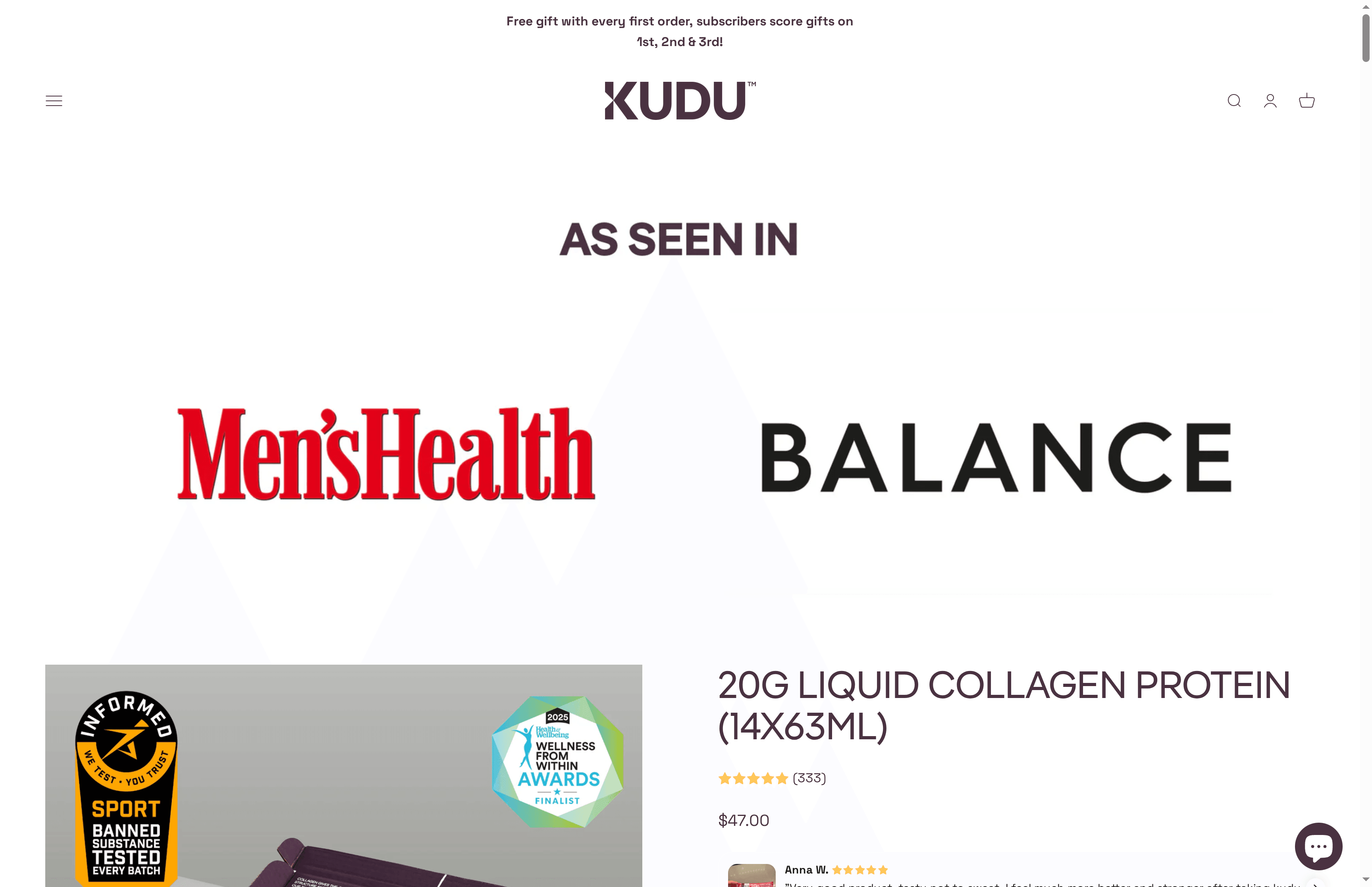
For athletes prioritising connective tissue repair and higher collagen doses, the 20g collagen protein gels deliver a potent, Informed Sport-certified dose in a convenient sachet format. Kudunutrition’s products are formulated with ingredient transparency and quality certification as non-negotiable standards, making them a trustworthy addition to any fitness-friendly supplement checklist.
FAQ
What should be on a fitness nutrition list for recovery?
A complete recovery list includes quality protein sources (20–40g per meal), fast-digesting carbohydrates for glycogen replenishment, fluids and electrolytes for rehydration, and evidence-based supplements such as creatine and collagen. Micronutrients like magnesium, zinc, and vitamin C provide important supporting functions.
How much protein do you need after a workout?
Research supports 20–40g of quality protein per meal distributed across 3–4 meals daily, totalling 1.6–2.2 g per kg of body weight. Timing matters less than hitting your total daily intake consistently.
Does collagen help with fitness recovery?
Yes. Collagen supplements support the repair of connective tissue including tendons, ligaments, and cartilage. Combined with adequate overall protein intake, collagen can accelerate tissue recovery rates considerably, particularly for high-volume or impact-heavy training.
How quickly should you eat carbohydrates after exercise?
For rapid glycogen replenishment, particularly after high-intensity sessions or when training again within 24 hours, consume at least 1.2 g/kg of carbohydrates per hour immediately post-exercise, repeated at 30-minute intervals until your total recovery target is met.
Is creatine worth including on a recovery supplement checklist?
Creatine monohydrate at 3–5g per day is one of the best-evidenced recovery supplements available. It supports phosphocreatine resynthesis between sessions, improves high-intensity performance capacity, and has an excellent long-term safety record across both recreational and competitive athletes.