

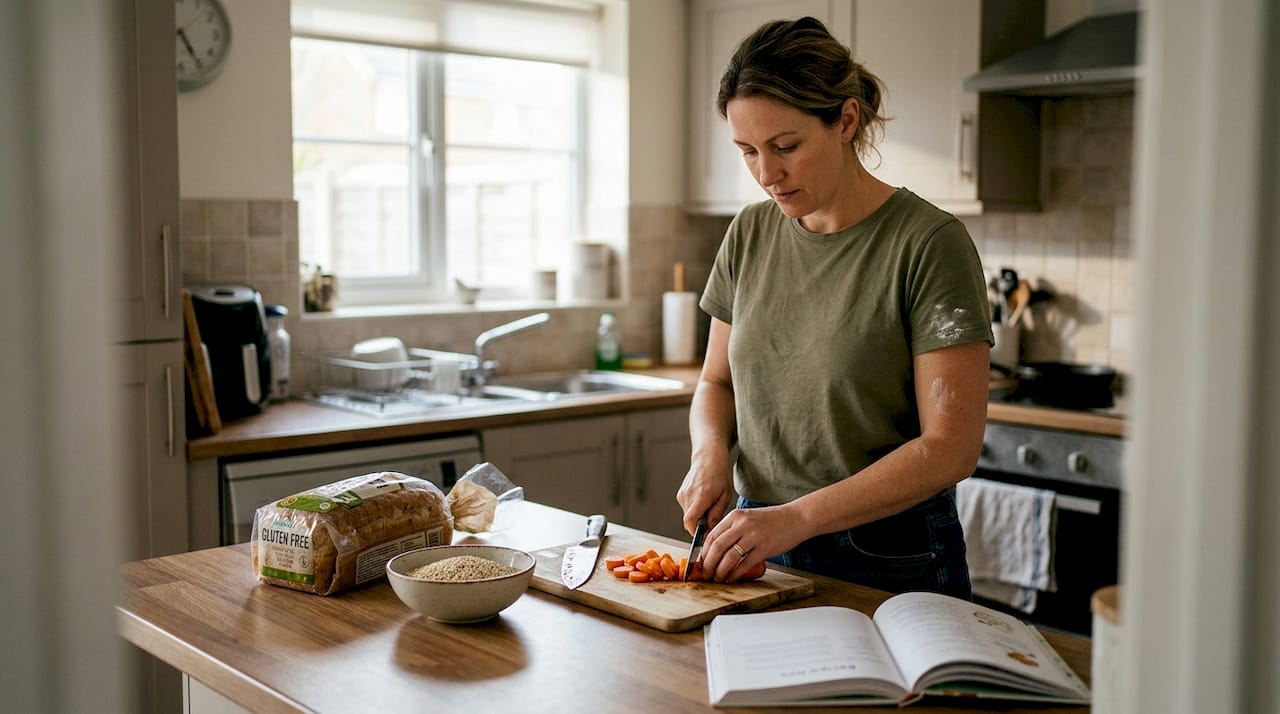
Avoiding gluten whilst maintaining optimal nutrition for skin, joints, and fitness presents challenges that extend far beyond simply skipping bread. Hidden gluten lurks in unexpected places, from supplements to sauces, and many gluten-free alternatives lack essential nutrients your body needs for peak performance and wellbeing. This guide delivers practical strategies to master gluten avoidance without compromising your health goals, covering natural food choices, meal planning frameworks, cross-contamination prevention, and targeted supplementation to support your skin, joints, and athletic recovery.
Table of Contents
- Understanding gluten and its impact on nutrition
- Choosing naturally gluten-free foods
- Planning balanced gluten-free meals
- Preventing cross-contamination in your kitchen
- Dining out and shopping gluten-free
- Supplementing and optimising gluten-free nutrition for fitness, joints and skin
- Staying motivated and monitoring your gluten-free nutrition progress
- Gluten-free nutrition support for lasting results
- Frequently asked questions
Key Takeaways
| Point | Details |
|---|---|
| Know your gluten sources | Learn where gluten is hidden and how to identify gluten-free foods. |
| Prioritise whole foods | Base your diet on naturally gluten-free foods to boost overall nutrition and wellness. |
| Balance your nutrition | Plan meals with certified gluten-free grains, proteins, healthy fats, fibre, and consider supplements for micronutrients. |
| Prevent contamination | Keep food, utensils, and storage separate to stay safely gluten-free. |
| Personalise your approach | Work with experts and track progress to ensure your gluten-free diet supports your health and fitness goals. |
Understanding gluten and its impact on nutrition
Gluten is a protein in wheat, barley, and rye found in many foods and even supplements. It provides elasticity to dough but triggers serious health issues for certain individuals. For those with coeliac disease, dermatitis herpetiformis, or wheat allergy, even trace amounts cause immune responses that damage the small intestine, trigger skin rashes, or provoke allergic reactions.
Strict gluten-free diets allow under 20ppm of gluten, the threshold considered safe for most sensitive individuals. This standard applies to packaged foods labelled gluten-free in the UK and helps protect those who must avoid gluten entirely.
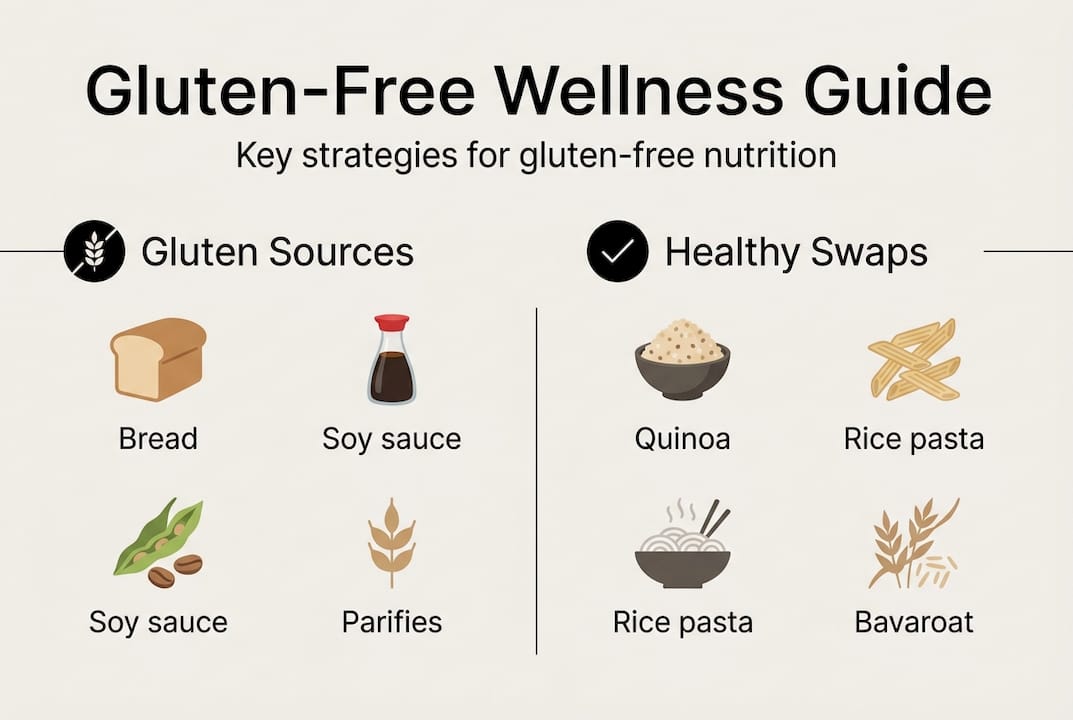
| Obvious gluten sources | Hidden gluten sources |
|---|---|
| Bread, pasta, cereals | Soy sauce, salad dressings |
| Biscuits, cakes, pastries | Processed meats, sausages |
| Beer, ale | Supplements, medications |
| Wheat flour products | Flavoured crisps, sweets |
Processed foods present the greatest risk for hidden gluten. Sauces, gravies, and marinades often contain wheat-based thickeners. Many supplements for gluten intolerance now carry certification, but always verify labels. Understanding gluten in supplements helps you make informed choices about your nutritional support.
For skin health, gluten avoidance proves essential for dermatitis herpetiformis, a blistering rash directly linked to coeliac disease. Joint concerns occasionally overlap with gluten sensitivity in specific autoimmune conditions, though evidence remains limited. Most importantly, strict avoidance only benefits those with diagnosed conditions, not the general population.
Choosing naturally gluten-free foods
The simplest approach to gluten-free nutrition focuses on whole, unprocessed foods from the perimeter of your supermarket. Fruits, vegetables, fresh meats, dairy, eggs, rice, corn, potatoes, quinoa, nuts, seeds, and legumes are naturally gluten-free and form the foundation of a nutrient-dense diet.
These whole foods deliver superior nutrition for fitness and appearance compared to processed gluten-free alternatives. Fresh ingredients provide vitamins, minerals, and fibre without the added sugars and refined starches common in packaged gluten-free products.
Naturally gluten-free protein sources:
- Fresh beef, pork, lamb, chicken, turkey, fish
- Eggs and plain dairy products
- Tofu, tempeh, and plain legumes
- Nuts, seeds, and nut butters without additives
Naturally gluten-free carbohydrates:
- Rice (white, brown, wild), quinoa, buckwheat
- Potatoes, sweet potatoes, yams
- Corn, polenta, and plain popcorn
- Certified gluten-free oats
Pro tip: When checking ingredient lists, scan for wheat, barley, rye, malt, brewer’s yeast, or modified food starch. If a product has more than five ingredients, scrutinise each one carefully.
Sample meals illustrating balance include grilled salmon with roasted vegetables and quinoa, chicken stir-fry with rice noodles and fresh vegetables, or a breakfast of eggs with avocado and gluten-free toast. These combinations deliver complete nutrition whilst eliminating gluten risk. For additional meal inspiration, explore our nutrition guide with recipes.
Planning balanced gluten-free meals
Constructing complete gluten-free meals requires attention to macronutrient balance and micronutrient density. Many people replacing gluten-containing foods inadvertently reduce fibre, B vitamins, iron, and calcium intake.

| Meal component | Gluten-containing option | Gluten-free swap | Nutritional benefit |
|---|---|---|---|
| Breakfast grain | Wheat toast | Buckwheat pancakes | Higher protein, magnesium |
| Lunch carb | Sandwich bread | Quinoa salad | Complete protein, iron |
| Dinner starch | Pasta | Brown rice | More fibre, B vitamins |
| Snack | Wheat crackers | Rice cakes with nut butter | Healthy fats, vitamin E |
Gluten-free whole grains like quinoa, buckwheat, millet, and sorghum help meet fibre needs and prevent the constipation common when switching to gluten-free eating. These ancient grains pack more nutrients than refined gluten-free flours.
Steps to building a balanced gluten-free meal:
- Start with a palm-sized portion of protein (meat, fish, eggs, legumes)
- Add two fist-sized portions of colourful vegetables
- Include one cupped-hand portion of gluten-free whole grains or starchy vegetables
- Incorporate a thumb-sized portion of healthy fats (olive oil, avocado, nuts)
- Season with herbs and gluten-free condiments
Pro tip: Oats require special attention. Standard oats suffer cross-contact with wheat during growing and processing. Only purchase oats specifically labelled and certified gluten-free to ensure safety.
Monitor your intake of calcium and vitamin D, particularly if you’ve reduced dairy consumption. Dark leafy greens, fortified plant milks, and tinned fish with bones provide calcium. Vitamin D supplementation often proves necessary in the UK climate. Our gluten-free nutrition guide offers detailed strategies for preventing deficiencies.
Preventing cross-contamination in your kitchen
Even trace gluten exposure can trigger symptoms in sensitive individuals. Your kitchen setup determines whether you successfully maintain a truly gluten-free environment.
Common cross-contamination risks:
- Shared toasters (gluten crumbs transfer to gluten-free bread)
- Butter, jam, and condiment jars with breadcrumb contamination
- Wooden cutting boards and utensils that absorb gluten particles
- Colanders and strainers used for regular pasta
- Shared fryers and cooking oil
Critical warning: For those with coeliac disease or dermatitis herpetiformis, even 20 parts per million of gluten can cause intestinal damage and symptoms. Cross-contamination isn’t just inconvenient, it’s medically significant.
Prevent cross-contamination with separate storage, utensils, and cleaning, and avoid shared fryers and bulk bins. Designate specific areas of your kitchen for gluten-free food preparation. Store gluten-free items on upper shelves to prevent contamination from crumbs falling from above.
Label containers clearly and consider colour-coding utensils. Red-handled tools for gluten-containing foods and green for gluten-free creates instant visual recognition. Replace porous items like wooden spoons and cutting boards with stainless steel and plastic alternatives that clean thoroughly.
Educate family members and housemates about the seriousness of cross-contamination. Simple actions like wiping down surfaces before gluten-free food preparation and washing hands after handling gluten-containing products make shared kitchens safer.
Dining out and shopping gluten-free
Restaurants and supermarkets present unique challenges for gluten avoidance. Preparation and knowledge transform these situations from stressful to manageable.
Restaurant strategies:
- Review menus online before visiting and call ahead with questions
- Inform servers immediately about gluten requirements
- Ask about dedicated preparation areas and clean cooking surfaces
- Avoid fried foods unless the restaurant uses separate fryers
- Question sauces, marinades, and seasoning blends
- Choose simple preparations (grilled, roasted, steamed)
Always check menus online, inform servers, and avoid shared fryers or ambiguous items when eating out. Many chain restaurants now provide detailed allergen information and gluten-free menus, though cross-contamination risk varies by location.
Supermarket shopping tips:
- Scan for the Crossed Grain symbol (official gluten-free certification)
- Read ingredient lists completely, even on familiar products (formulations change)
- Understand that “wheat-free” doesn’t mean gluten-free (barley and rye still contain gluten)
- Avoid bulk bins where scoops transfer between containers
- Check labels on processed meats, sauces, and seasonings
- Download gluten-free scanning apps for instant ingredient verification
The legal 20 ppm threshold for gluten-free labelling provides protection, but vigilance remains essential. Manufacturers occasionally reformulate products, so regular label checks prevent accidental exposure.
Supplementing and optimising gluten-free nutrition for fitness, joints and skin
Gluten-free diets risk specific nutritional gaps that affect athletic performance, joint health, and skin quality. Strategic supplementation addresses these deficiencies.
Essential nutrients to monitor:
- Fibre: Target 25-30g daily through gluten-free whole grains, vegetables, fruits, and legumes
- B vitamins: Many gluten-free products lack fortification; consider a B-complex supplement
- Iron: Particularly important for women and athletes; pair plant sources with vitamin C
- Calcium: Aim for 1000mg daily through dairy, fortified alternatives, or supplements
- Vitamin D: UK sunlight provides insufficient levels; 10mcg daily supplementation recommended
Risks for deficiencies in fibre, B vitamins, iron, calcium, and vitamin D require monitoring and supplementation as needed. Blood tests identify specific deficiencies before symptoms appear.
For skin and joint health, gluten-free diet is essential for dermatitis herpetiformis and potentially helpful for some autoimmune conditions. Collagen protein supports skin elasticity, joint comfort, and muscle recovery. Our collagen supplements for fitness integrate seamlessly into gluten-free nutrition plans.
Pro tip: Work with a registered dietitian to tailor supplement choices safely. Individual needs vary based on age, activity level, and specific health conditions. Professional guidance prevents both deficiencies and excessive supplementation.
Athletes often wonder whether gluten-free eating improves performance. Research shows no athletic performance gain in gluten-free diets for those without coeliac or sensitivity. Unless diagnosed with a gluten-related condition, eliminating gluten offers no competitive advantage and may reduce convenient carbohydrate options.
Weight management on gluten-free diets requires attention to portion sizes. Many gluten-free products contain more calories and less fibre than their gluten-containing counterparts. Focus on whole foods rather than processed alternatives to maintain healthy body composition. Our collagen fitness nutrition guide provides detailed macronutrient strategies.
Staying motivated and monitoring your gluten-free nutrition progress
Sustaining gluten-free nutrition long-term demands consistent self-monitoring and realistic goal-setting. Track your progress to maintain motivation and identify areas needing adjustment.
Self-monitoring methods:
- Keep a symptom journal noting energy levels, digestive comfort, skin condition, and joint mobility
- Schedule regular check-ups with your GP to monitor nutrient status through blood tests
- Use nutrition tracking apps to ensure adequate intake of key vitamins and minerals
- Photograph meals weekly to assess variety and identify dietary patterns
- Set specific, measurable goals (e.g., “increase daily fibre to 28g” rather than “eat healthier”)
Achievable wellbeing goals might include improved energy by week four, clearer skin within eight weeks, or enhanced workout recovery within three months. These concrete targets provide motivation beyond simply avoiding gluten.
Consult a registered dietitian to optimise nutrient density and health outcomes. Professional guidance proves particularly valuable during the first six months of gluten-free eating when learning curves are steepest.
Maintaining variety prevents boredom and nutritional gaps. Experiment with new gluten-free grains like teff, amaranth, and sorghum. Try different cuisines naturally lower in gluten, such as Thai, Mexican, and Indian dishes. Rotate protein sources and explore seasonal vegetables to keep meals interesting.
Know when to seek medical review. If symptoms persist despite strict gluten avoidance, other conditions may require investigation. Persistent fatigue, ongoing digestive issues, or worsening skin problems warrant professional evaluation rather than continued dietary restriction alone.
Gluten-free nutrition support for lasting results
Achieving your wellness goals whilst avoiding gluten becomes simpler with convenient, certified gluten-free protein sources. High-biological-value protein supports muscle recovery, skin health, and joint comfort without the risk of hidden gluten contamination.
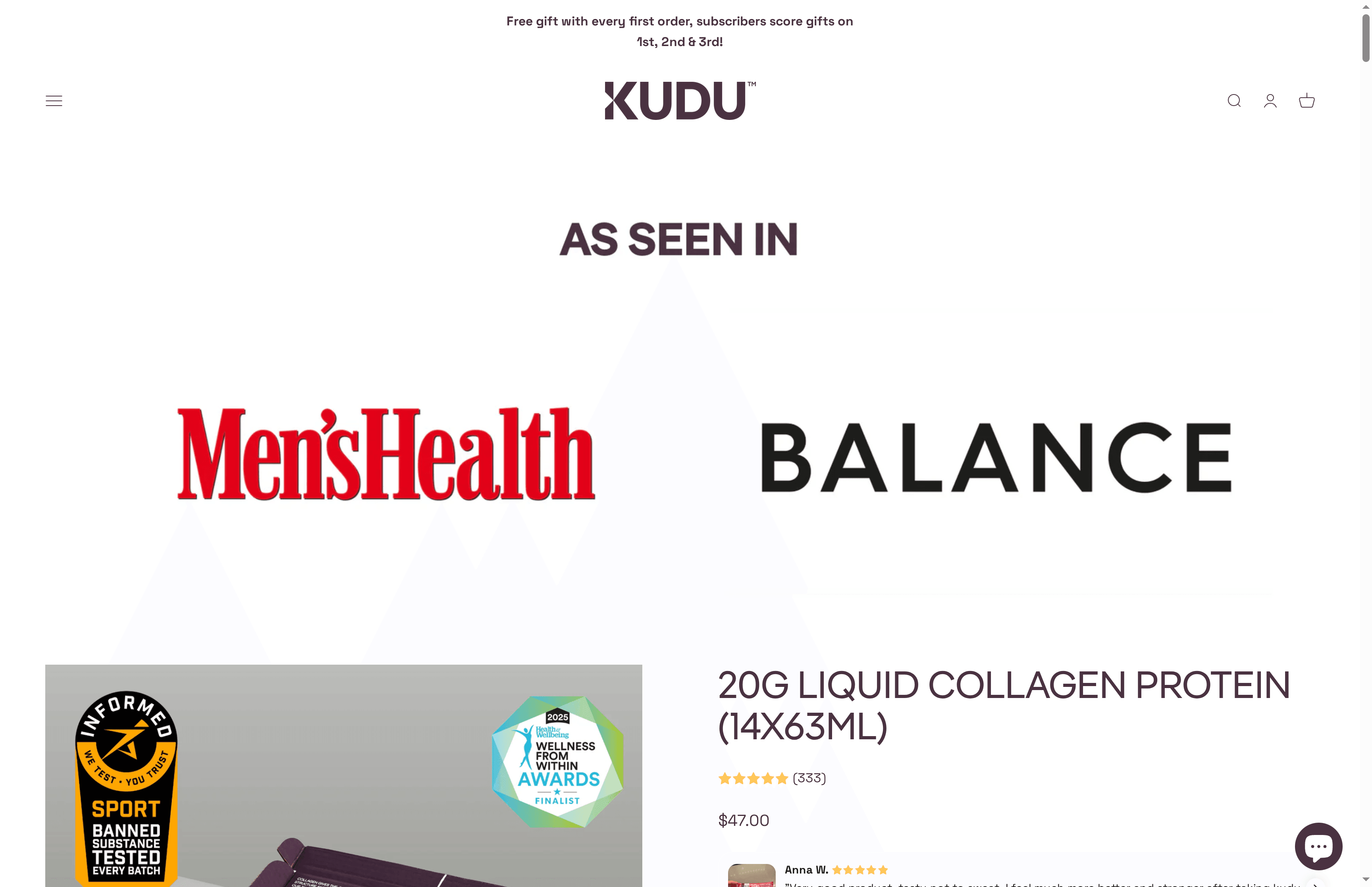
Our 20g collagen protein gels deliver complete protein in a format that integrates effortlessly into your gluten-free routine. Each sachet provides the building blocks your body needs for optimal skin elasticity and joint function, backed by Informed Sport certification for quality assurance. Discover how collagen and beauty work together to support your wellness journey. Start with our convenient collagen protein 14 pack to experience the difference quality protein makes in your gluten-free nutrition plan.
Frequently asked questions
Which foods are always gluten-free?
Fresh fruits, vegetables, unprocessed meats, dairy, eggs, plain rice, corn, potatoes, nuts, seeds, legumes, and certified gluten-free grains are always gluten-free. Stick to whole, unprocessed options to minimise risk.
Are oats safe on a gluten-free diet?
Only oats labelled and certified gluten-free are safe, as cross-contact with wheat is common in standard oats. Check tolerance individually, as some people with coeliac disease react to oat protein itself.
Do gluten-free diets help athletes perform better?
For most athletes, gluten-free diets show no proven performance benefit unless there’s sensitivity or coeliac disease. Unnecessary restriction may limit convenient carbohydrate options without providing advantages.
How can I make sure I get enough vitamins and minerals gluten-free?
Include a variety of certified gluten-free whole grains, legumes, greens, and, if needed, choose supplements under dietitian guidance to monitor B vitamins, iron, calcium, and vitamin D. Blood tests identify specific deficiencies requiring attention.
What should I do if gluten-free eating isn’t helping my skin or joint issues?
Consult your GP or dermatologist as not all skin or joint issues improve with gluten avoidance. Lifelong gluten-free diet is only essential for dermatitis herpetiformis and sometimes specific autoimmune cases, so other causes should be investigated.
Recommended
- 7 Top Nutritional Supplements for Gluten Intolerance in the UK
- What is gluten in supplements? A health guide for 2026
- How to Maximise Protein Absorption for Skin and Fitness
- Collagen for gut lining: boost health and recovery
- Was ist glutenfrei? Ihr kompletter Ratgeber 2026 - YourPowerFoods.com
- Glutenfreie Ernährung » Das solltest du wissen | FITTASTE