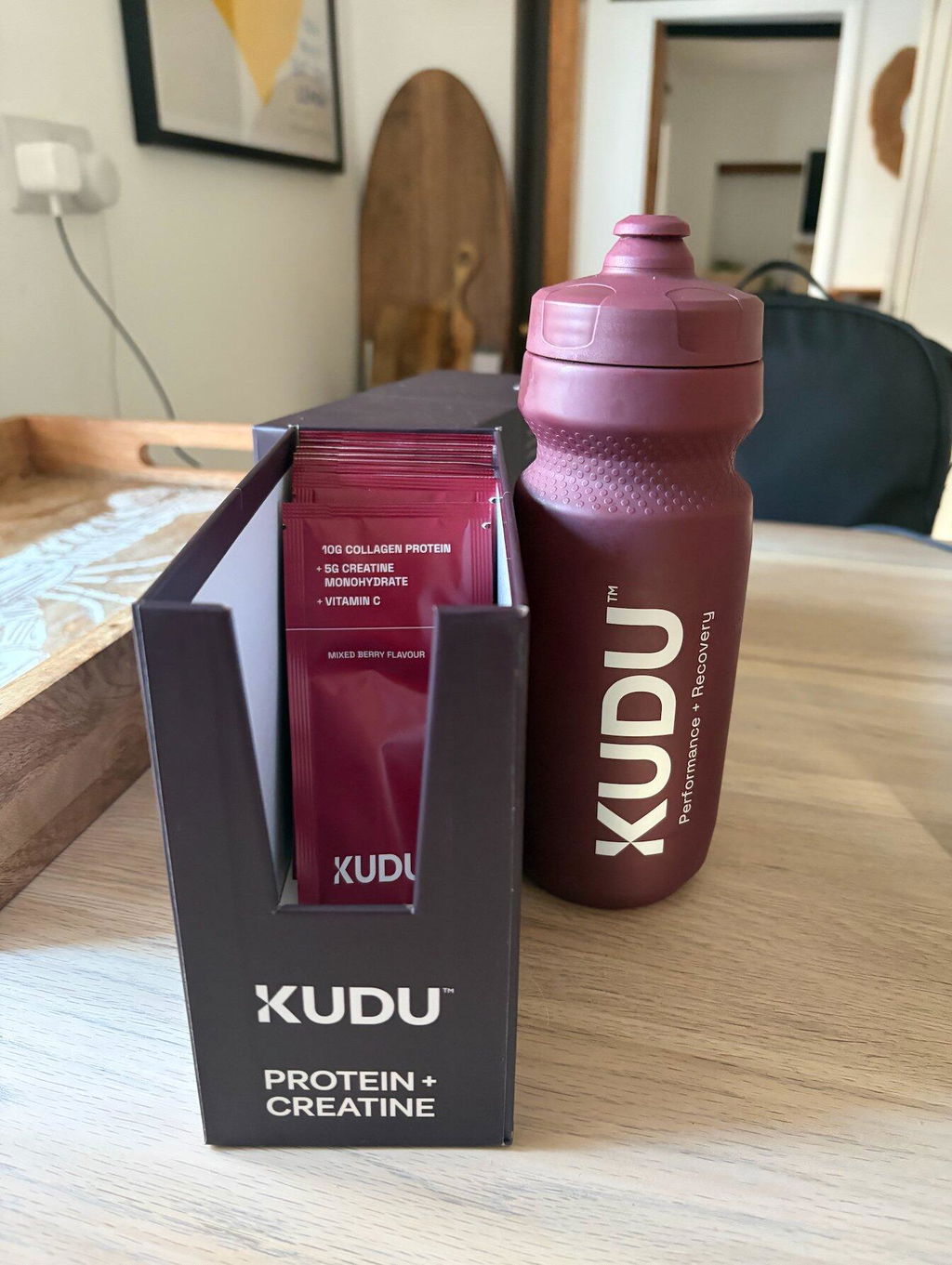


The liquid collagen market has exploded in recent years, and with hundreds of products on shelves, knowing which ones are genuinely safe is harder than it should be. Many supplements make bold claims about glowing skin, stronger joints, and faster recovery, yet the regulatory landscape leaves consumers largely on their own. This article cuts through the noise with practical, research-backed safety tips so you can supplement with real confidence. Whether you are new to collagen or looking to refine your routine, you will find clear criteria for choosing, dosing, and monitoring your intake safely.
Table of Contents
- Understand what makes a collagen supplement safe
- Know the possible side effects and how to avoid them
- Ideal dosage and ingredient checks
- Consult a professional if in doubt
- Maximise benefits: do not neglect natural collagen support
- Our perspective: why safe collagen use means thinking wider than the label
- KUDU Nutrition: choose liquid collagen with confidence
- Frequently asked questions
Key Takeaways
| Point | Details |
|---|---|
| Look for transparency | Select liquid collagen from reputable brands with third-party testing and complete ingredient lists. |
| Know the side effects | Most side effects are minor and digestive, but check for allergies and rare reactions before use. |
| Personalise your dose | Safe daily intake is typically 2.5–15 grams, matching your goals and considering total supplement sources. |
| Consult when uncertain | Ask a doctor if you are pregnant, on medication, or have specific health concerns. |
| Support collagen naturally | Enhance benefit and safety by balancing supplements with a diet rich in vitamin C, protein, and zinc. |
Understand what makes a collagen supplement safe
The word “safe” gets thrown around loosely in the wellness industry, so it helps to define it properly. In the supplement context, safety means a product is free from harmful contaminants, accurately labelled, manufactured to consistent standards, and supported by evidence that its ingredients do not cause harm at recommended doses.
The good news is that liquid collagen supplements have a strong track record. Collagen supplements are generally safe with few adverse side effects reported in human studies, which gives you a solid foundation to work from. That said, “generally safe” is not the same as “safe for everyone in any amount,” and that distinction matters.
Because the supplement industry is not regulated in the same way as pharmaceuticals, manufacturers are not required to prove safety or efficacy before selling a product. This is where third-party certification becomes critical. Look for products tested by independent bodies such as Informed Sport, NSF International, or USP. These organisations verify that what is on the label is actually in the product, and that no banned substances or heavy metals are present.
Here is what to look for on any collagen product:
- Clear ingredient list with quantities, not just a proprietary blend
- Third-party certification logo from a recognised testing body
- Collagen source stated explicitly (bovine, marine, or porcine)
- No unnecessary fillers or artificial additives in high quantities
- Batch testing information available on request or published online
Pro Tip: If a product does not clearly state its collagen source or third-party testing status, treat that as a red flag regardless of how appealing the marketing looks.
Know the possible side effects and how to avoid them
Even well-made supplements can cause reactions in some people, and collagen is no exception. Understanding the risk profile helps you spot problems early and adjust before they escalate.
Common side effects are mild and typically involve the digestive system. Bloating, diarrhoea, constipation, heartburn, nausea, and a feeling of being overly full are the most frequently reported complaints. These often occur when starting collagen for the first time or when taking it on an empty stomach.

Rare but more serious reactions do exist. Severe hypersensitivity reactions, including Stevens-Johnson syndrome, have been reported with marine collagen, though these cases are uncommon. People with known allergies or immune sensitivities should be especially cautious.
| Risk level | Side effect | Who is most at risk |
|---|---|---|
| Common | Bloating, nausea, loose stools | New users, sensitive digestion |
| Moderate | Heartburn, stomach cramps | Those with acid reflux or IBS |
| Rare | Hypersensitivity, skin reactions | Allergy-prone individuals |
| Very rare | Severe immune response | Marine collagen users with seafood allergy |
To minimise your risk, follow these collagen intake steps from the start:
- Start with a lower dose and build up gradually over one to two weeks
- Take collagen with food to reduce digestive discomfort
- Stay well hydrated throughout the day
- Avoid combining with other new supplements simultaneously so you can isolate any reaction
“If you notice persistent digestive symptoms or any skin reaction after starting collagen, stop use and speak to your GP before continuing.”
Pro Tip: Keeping a simple supplement diary for the first two weeks helps you track any changes in digestion, energy, or skin, making it far easier to identify whether collagen is the cause if something feels off. You can also review collagen loading advice to understand how phased intake strategies reduce early side effect risk.
Ideal dosage and ingredient checks
Getting the dose right is one of the most practical things you can do for both safety and results. Too little and you may see no benefit; too much and you risk unnecessary digestive strain or cost.
Hydrolysed collagen peptides are safe and effective at 2.5 to 15 grams per day for skin, joint, and gut health. Studies using doses up to 20 grams daily have not flagged safety concerns, though no official upper limit has been formally established. For most people, 10 to 15 grams per day is a practical sweet spot.
Here is how dosage typically maps to your goal:
| Goal | Suggested daily dose | Notes |
|---|---|---|
| Skin hydration and elasticity | 2.5 to 10g | Results visible from 4 to 8 weeks |
| Joint support and mobility | 5 to 15g | Best combined with exercise |
| Gut health and recovery | 5 to 10g | Pair with a balanced diet |
| Fitness recovery | 10 to 20g | Take around training sessions |
Beyond dosage, checking product purity is non-negotiable. Ingredient sourcing affects both safety and suitability. Use this checklist before buying:
- Confirm the collagen source (bovine, marine, porcine, or chicken)
- Check for allergen warnings relevant to your dietary needs
- Review added ingredients for sugars, sweeteners, or preservatives
- Verify the product is suitable for your dietary requirements (Halal, Kosher, vegan)
- Look for vitamin C on the label, as it supports collagen synthesis
Avoiding bovine collagen is essential if you have an alpha-gal allergy, and marine collagen must be avoided if you have a fish or shellfish allergy. Collagen is not suitable for vegans or vegetarians regardless of source. If you want to understand how to complement your supplement with food, explore boosting collagen naturally through diet.
Consult a professional if in doubt
Supplements sit in a curious middle ground. They are widely available without a prescription, yet they can interact with medications and affect health conditions in ways that are not always obvious. This is where many people make avoidable mistakes.
Always consult your healthcare provider before starting collagen if you are pregnant, breastfeeding, taking medications such as blood thinners, or managing a chronic health condition. This is not overly cautious advice; it is simply smart practice.
Blood thinners like warfarin are a particularly important example. Some collagen products contain vitamin K or interact with clotting pathways, which can affect how your medication works. Similarly, people with kidney disease should be mindful of high-protein supplementation overall.
Who should always speak to a GP or specialist first:
- Pregnant or breastfeeding women
- Anyone on prescription medication, particularly blood thinners or immunosuppressants
- People with autoimmune conditions or known food allergies
- Individuals recovering from surgery or managing a chronic illness
- Anyone who has previously experienced reactions to supplements
Pro Tip: When speaking to your GP, bring the product label or a photo of the ingredient list. This makes the conversation far more productive than a vague description of “a collagen drink.”
For further reading on talking to a doctor about supplements, and how to take a collagen holistic approach to your overall wellbeing, these resources offer practical starting points.
Maximise benefits: do not neglect natural collagen support
Supplements work best when they support a solid foundation, not replace one. If your diet is poor, sleep is disrupted, and stress is high, even the best collagen product will underdeliver.
Prioritising vitamin C, protein, and zinc in your diet directly supports your body’s own collagen production. Vitamin C is essential for the synthesis of collagen fibres, while zinc and protein provide the raw materials. Foods like citrus fruit, leafy greens, eggs, legumes, and lean meat all contribute meaningfully.
For those focused on fitness and joint health, combining collagen with exercise amplifies the benefit. Studies show joint pain relief at doses of 2 to 10 grams when paired with physical activity, suggesting that movement activates collagen’s structural benefits in connective tissue.
It is also worth being honest about what the evidence currently supports. Harvard researchers remain sceptical about whether ingested collagen is efficiently absorbed and directed to skin or hair, noting that large-scale trials are still needed. The evidence is promising but early, which is why combining supplementation with lifestyle habits is the most defensible strategy.
Practical habits that support safe, effective collagen use:
- Eat a varied diet rich in collagen-supporting micronutrients
- Exercise regularly, particularly resistance and weight-bearing activity
- Avoid smoking and excessive alcohol, both of which degrade collagen
- Protect skin from UV damage, a major driver of collagen breakdown
- Sleep consistently, as tissue repair and collagen synthesis peak overnight
For a broader view of how collagen fits into fitness, explore collagen supplements and recovery and why collagen matters for health beyond the basics.
Our perspective: why safe collagen use means thinking wider than the label
Most people approach collagen safety as a one-time checklist: check the label, pick a certified product, and move on. We think that undersells the real work involved in supplementing safely over the long term.
The honest truth is that the biggest risks rarely come from a single bad product. They come from accumulating small oversights: ignoring a new digestive symptom, combining multiple supplements without checking interactions, or assuming that because something is natural it cannot cause harm. These habits compound quietly.
At KUDU Nutrition, we believe that beauty collagen impact is best realised when supplementation is treated as part of a broader, intentional health routine rather than a shortcut. The label is your starting point, not your finish line. Ongoing vigilance, honest self-monitoring, and a willingness to adjust your approach are what separate people who get lasting results from those who cycle through products without ever finding what works.
Safe supplementation is a practice, not a purchase.
KUDU Nutrition: choose liquid collagen with confidence
Ready to put these safety tips to use? At KUDU Nutrition, we have built our products around the principles covered in this article: transparent sourcing, third-party Informed Sport certification, and a high collagen content that actually delivers.
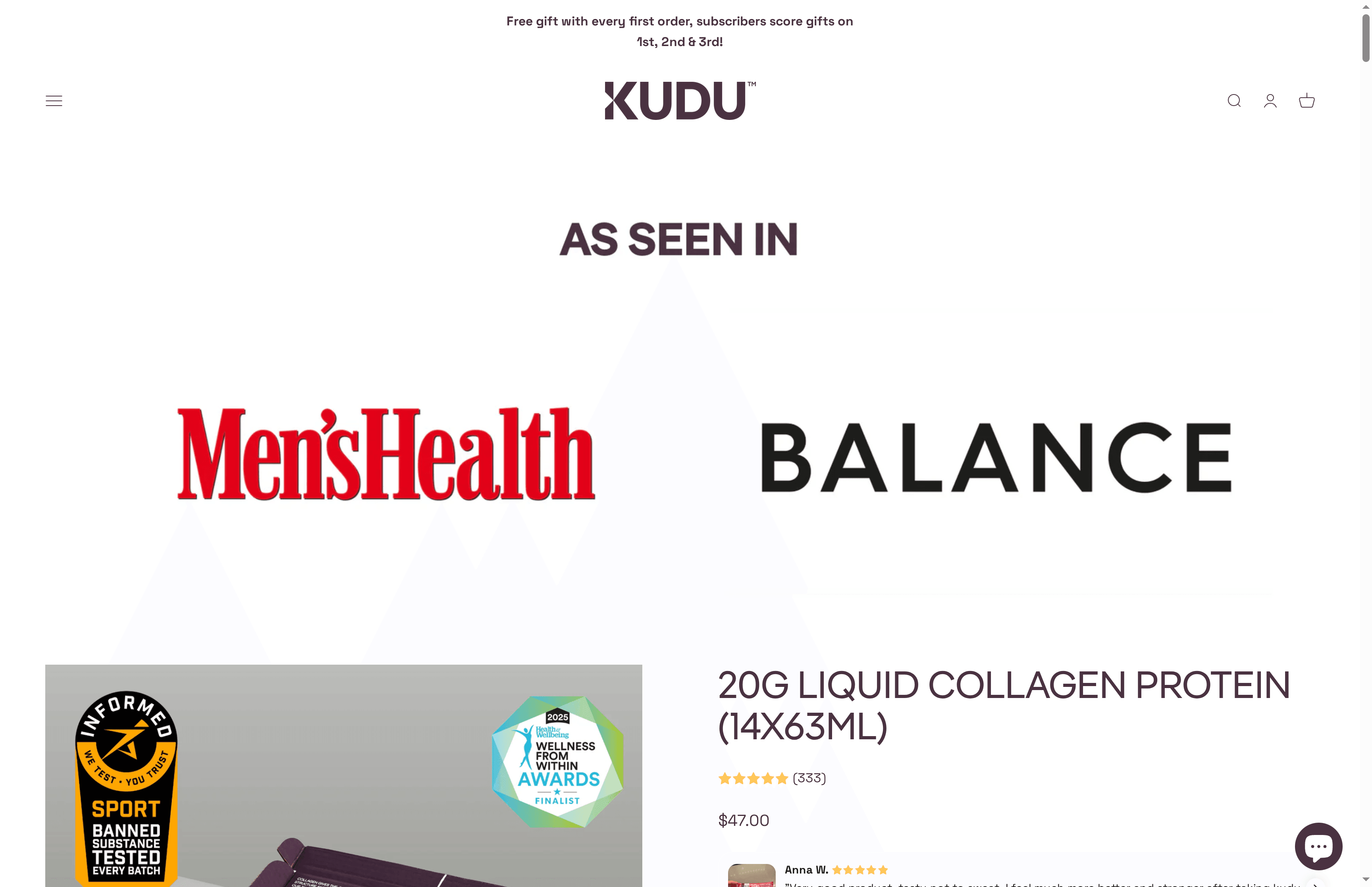
Our collagen protein supplements are designed for health-conscious consumers and athletes who want results without compromise. If you are ready to commit to a quality routine, the 20g collagen protein 14-pack is a great place to start. Want to understand the full picture before you buy? Explore our collagen and beauty hub for more detail on ingredients, sourcing, and what sets KUDU apart.
Frequently asked questions
What are the most common side effects of liquid collagen?
Digestive side effects such as bloating, diarrhoea, and mild stomach discomfort are the most frequent complaints, and they typically settle within a few days as your body adjusts.
Can I take collagen while pregnant or on medication?
It is best to consult your GP before starting collagen if pregnant, breastfeeding, or using any medications, as interactions with blood thinners and other drugs are possible.
How do I know if a collagen drink is high quality?
Look for third-party tested products with transparent ingredient labels and clear information about the collagen source, as these are the strongest indicators of quality and purity.
Is marine collagen safe if I have a seafood allergy?
No. Marine collagen and seafood allergy do not mix safely; choose a bovine or other non-marine source if you have a fish or shellfish allergy.