
TL;DR:
- Active individuals need between 1.2 and 2.0 grams of protein per kilogram of body weight daily to support muscle repair and recovery. Distributing 15-40 grams of high-quality protein evenly across 3-4 meals maximizes muscle protein synthesis, enhancing overall progress. Prioritizing whole food sources, incorporating collagen for joint health, and adjusting intake based on activity and age optimize results effectively.
Getting protein right as an active person is genuinely harder than most guides admit. You’re not just eating to survive; you’re eating to repair muscle fibres, protect your joints, fuel adaptation, and keep your energy balanced across demanding days. Active individuals require 1.2–2.0 g/kg of body weight daily, well above the standard 0.8 g/kg recommended for sedentary adults. The challenge is knowing exactly where you sit in that range, which sources deliver the best results, and how to time everything without overthinking every meal. This guide cuts through the noise with practical, evidence-backed strategies.
Table of Contents
- Identify your ideal daily protein target
- Distribute your protein evenly throughout the day
- Select high-quality protein sources for optimal results
- Optimise protein timing for training and recovery
- Key mistakes to avoid: excess, gaps, and questionable trends
- Our perspective: why personalisation beats formulaic protein advice
- Take your next step: optimal protein for active recovery
- Frequently asked questions
Key Takeaways
| Point | Details |
|---|---|
| Dial in your protein needs | Active lifestyles demand higher protein, so tailor intake to your activity level and goals. |
| Spread protein across meals | Even, regular intake throughout the day maximises muscle growth and recovery. |
| Choose quality sources | Opt for complete proteins like dairy, lean meats, and collagen for best results. |
| Time protein around workouts | Refuelling with protein post-exercise accelerates muscle repair and reduces soreness. |
| Beware fads and excess | Avoid unnecessary overconsumption and stick to proven, nutrient-rich foods. |
Identify your ideal daily protein target
Knowing that you need “more protein” is one thing. Knowing precisely how much more is where most people get stuck. The range of 1.2–2.0 g/kg covers a wide spectrum, and where you land depends on the intensity of your training, whether you’re in a caloric deficit, and your overall recovery demands.
As a starting point, activity-specific protein needs break down roughly like this:
| Activity type | Recommended intake |
|---|---|
| General active adults | 1.4–1.6 g/kg/day |
| Endurance runners | 1.2–1.4 g/kg/day |
| Endurance athletes (moderate) | ~1.8 g/kg/day |
| Athletes during carbohydrate restriction | Up to 2.0 g/kg/day |
| Heavy training or caloric deficit | 1.6–2.2 g/kg/day |
So a 70 kg recreational runner training four days per week would target roughly 98–112 g of protein daily. A 75 kg gym-goer in a fat-loss phase, where muscle preservation becomes critical, should push closer to 120–165 g per day. During energy restriction or heavy training, increasing intake to 1.6–2.2 g/kg protects lean mass and supports performance. Going below these targets when you’re training hard is one of the most common reasons progress stalls.
A few practical points to remember when setting your target:
- Adjust upward during caloric restriction. When you’re eating less overall, protein needs to increase to prevent muscle breakdown.
- Training age matters. Newer trainees often respond well at the lower end of the range. More experienced athletes tend to benefit from the higher end.
- Age influences needs. Older active adults often require more protein per meal to trigger the same muscle-building response as younger people.
- Health status counts. If you’re managing an injury or recovering from illness, your protein requirements shift upward temporarily.
Pro Tip: Don’t obsess over hitting the exact number every single day. Aim to land within your target range on average across the week. Consistency over weeks beats perfection in any single day.
Once you have your number, the next step is how you explore recovery nutrition strategies to make sure that protein is actually supporting your goals and not just showing up on paper.
Distribute your protein evenly throughout the day
Once you know your target, spreading that intake across the day is where the real gains are made. Many people inadvertently eat very little protein at breakfast and lunch, then try to compensate with a large protein-heavy dinner. Research strongly suggests this pattern is far less effective for muscle repair than even distribution.
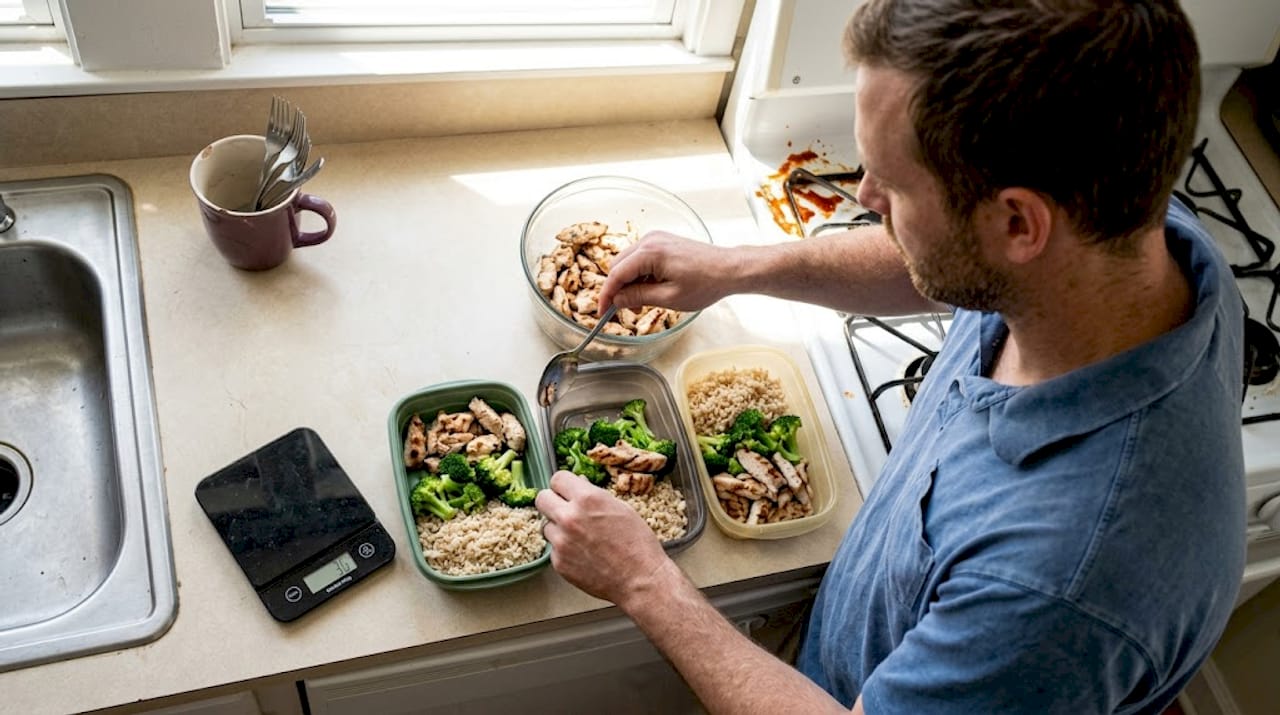
The recommended approach is to distribute protein across 3–4 meals per day, aiming for 15–40 g of high-quality protein per serving. This maximises muscle protein synthesis (MPS), which is the biological process through which your body rebuilds and strengthens muscle tissue after exercise.
Here’s a practical daily distribution for a 70 kg active person targeting 112 g of protein:
- Breakfast (25–30 g): Greek yoghurt with seeds, eggs on wholegrain toast, or a protein smoothie.
- Lunch (25–30 g): Grilled chicken, canned salmon, or a substantial legume and quinoa bowl.
- Post-training snack (20–30 g): A collagen protein sachet, cottage cheese, or a serving of whey with fruit.
- Dinner (30–35 g): Lean meat, fish, or tofu-based meal with plenty of vegetables.
Understanding how protein synthesis supports recovery helps explain why this even distribution beats the “protein dump” dinner approach. MPS is stimulated by each protein-containing meal, not just once daily. Each time you eat an adequate serving, you essentially press the “repair” button again.
Pro Tip: If your schedule makes regular meals difficult, fast-acting protein options such as liquid collagen sachets are ideal for filling gaps between meals without disrupting digestion or adding bulk.
The key practical takeaway: don’t skip breakfast protein, don’t rely entirely on dinner to carry the load, and keep a portable protein option to hand for busy days.
Select high-quality protein sources for optimal results
Not all protein is equal. The term “high-quality protein” refers to how well a protein source provides all nine essential amino acids (those your body cannot make itself) in the right proportions to support muscle repair, joint health, and recovery.
Animal proteins outperform plant sources for amino acid completeness, though total daily intake matters more than individual meal composition. Here’s a useful comparison:
| Protein source | Complete amino acid profile | Notable benefit |
|---|---|---|
| Eggs | Yes | Highly bioavailable, versatile |
| Lean meat (chicken, beef) | Yes | Rich in leucine, supports MPS |
| Fish and seafood | Yes | Omega-3s support joint inflammation |
| Dairy (Greek yoghurt, cottage cheese) | Yes | Casein supports overnight recovery |
| Collagen peptides | Partial (no tryptophan) | Joint, tendon, and skin health |
| Quinoa | Yes | Best complete plant source |
| Legumes + grains combined | Yes (combined) | Budget-friendly, fibre-rich |
For runners, gym-goers, and especially older active adults, diversifying your protein sources pays dividends beyond just muscle repair. Collagen, in particular, is increasingly recognised for its role in supporting tendons, ligaments, and cartilage. Learning more about the best protein for joint health is worthwhile if you experience joint soreness or train on hard surfaces regularly.
Key principles for choosing quality sources:
- Prioritise whole foods over ultra-processed products. Protein bars and flavoured protein products often carry significant amounts of sugar, artificial sweeteners, and additives that don’t belong in a clean training diet.
- Vary your sources. Different proteins offer different micronutrient profiles. Fish adds iodine and omega-3s. Meat adds iron and zinc. Dairy adds calcium.
- Don’t overlook collagen. While it isn’t a complete protein on its own, collagen’s benefits for connective tissue are distinct from those of muscle-building proteins like whey or chicken, making it a smart addition rather than a replacement.
Pro Tip: Think of collagen protein as a specialist supplement working alongside your regular dietary protein, not instead of it. It targets the tissues, such as tendons and cartilage, that standard whey protein doesn’t prioritise.
Optimise protein timing for training and recovery
Timing protein around exercise is one of the most studied areas in sports nutrition, and also one of the most overcomplicated. The practical reality is straightforward: getting enough protein overall is more important than perfect timing, but smart timing can still give you a meaningful edge.
Here’s a practical timing framework to follow:
- Pre-training (2–3 hours before): Focus primarily on carbohydrates to fuel performance. A light protein component (15–20 g) is fine, but avoid high-fat, high-fibre protein sources that slow digestion and risk gastrointestinal discomfort during exercise.
- During exercise: For sessions under 60–75 minutes, protein during training is unnecessary. For longer endurance sessions, a small amount of protein alongside carbohydrates may reduce muscle breakdown.
- Post-exercise (within 1–2 hours): This is where protein timing genuinely matters most. Consume 15–40 g of protein within 1–2 hours after training, paired with carbohydrates at roughly a 3:1 carbohydrate-to-protein ratio for endurance athletes, to accelerate recovery.
- Evening: A slower-digesting protein source such as cottage cheese or casein before bed supports overnight tissue repair, particularly useful during heavy training blocks.
Research consistently shows that pairing carbohydrates with post-exercise protein is more effective for glycogen replenishment and muscle repair than protein alone, particularly for endurance athletes training on consecutive days.
Hydration deserves mention here too. Protein metabolism generates nitrogen waste that the kidneys excrete. Staying well hydrated, particularly around training, supports kidney function and helps your body use protein efficiently. Exploring post-workout recovery nutrients as a complete system, rather than just focusing on protein, gives you the full picture.
Many athletes also combine collagen for workout recovery in their post-exercise window, as research suggests collagen peptides consumed alongside vitamin C before or after exercise may specifically benefit tendon and ligament repair. Some even combine nutrition strategies with cold therapy for recovery to further reduce inflammation and speed up return to training.
Key mistakes to avoid: excess, gaps, and questionable trends
Knowing what to do matters. Knowing what to avoid matters just as much. Some of the most common protein mistakes actively undermine recovery, joint health, and long-term wellbeing.
Eating too much protein. There is a ceiling. Exceeding 2.2 g/kg per day is unlikely to offer any additional muscle or recovery benefit and may place unnecessary strain on the kidneys in individuals with existing renal vulnerabilities. It also displaces other nutrients (carbohydrates, healthy fats, fibre) that active bodies need in abundance.
Relying on processed high-protein products. The shelves are full of protein bars, flavoured shakes, and high-protein ready meals that look nutritious on the front label but deliver questionable ingredients on the back. Heavy processing often degrades protein quality, and the additives used to improve taste or texture can create low-level inflammation that actively slows recovery.
“Whole food protein sources consistently outperform highly processed equivalents for nutrient density, digestibility, and long-term health outcomes.”
Ignoring gaps in your intake. Skipping breakfast, working through lunch, and then eating one large protein-heavy dinner is one of the most common patterns we see. Not only does this fail to support muscle protein synthesis efficiently, it also creates extended periods where your joints and connective tissues receive no amino acid support at all.
Chasing unproven supplement trends. Branched-chain amino acid (BCAA) supplements, for example, are heavily marketed but largely redundant if your total protein intake is adequate. Focus first on whole foods and evidence-backed supplements, including collagen for protein’s role in bone health and joint function, before spending money on fashionable extras.
Key mistakes to watch for:
- Skipping breakfast protein entirely
- Treating all protein sources as interchangeable
- Ignoring hydration in the context of high protein intake
- Assuming more is always better
- Buying supplements based on marketing rather than evidence
Our perspective: why personalisation beats formulaic protein advice
Here’s an uncomfortable truth that evidence-based tables can’t fully capture: rigid protein formulas often fail real people living real lives. Numbers on a spreadsheet don’t account for the week you’re travelling and eating hotel food, the month you’re under stress and sleeping badly, or the phase after injury when your body’s repair demands spike while your training drops.
Protein supports recovery through muscle protein synthesis stimulation, joint and muscle health via collagen and essential amino acids, and tissue repair in low-energy states. But research also shows that benefits plateau at higher intakes, meaning more protein beyond your genuine threshold produces diminishing returns.
What matters more than precise gram counting is building consistent habits that accommodate your life. Learning from how your body actually responds: your energy levels, recovery speed, joint comfort, and body composition over weeks, tells you far more than any formula. Nutrition for joint care is a perfect example. Two athletes at the same training load might have entirely different joint health responses to the same protein intake, because genetics, training history, sleep quality, and stress all interact with how nutrients are used.
Our view is that the research-backed targets in this article give you an excellent starting point and a sensible ceiling. The real work is paying attention to your own response, adjusting based on what you observe, and resisting the urge to overcomplicate something that, at its core, is about eating real food consistently and well.
Take your next step: optimal protein for active recovery
Putting these strategies into practice becomes much easier when you have convenient, high-quality products that fit your routine without compromise.
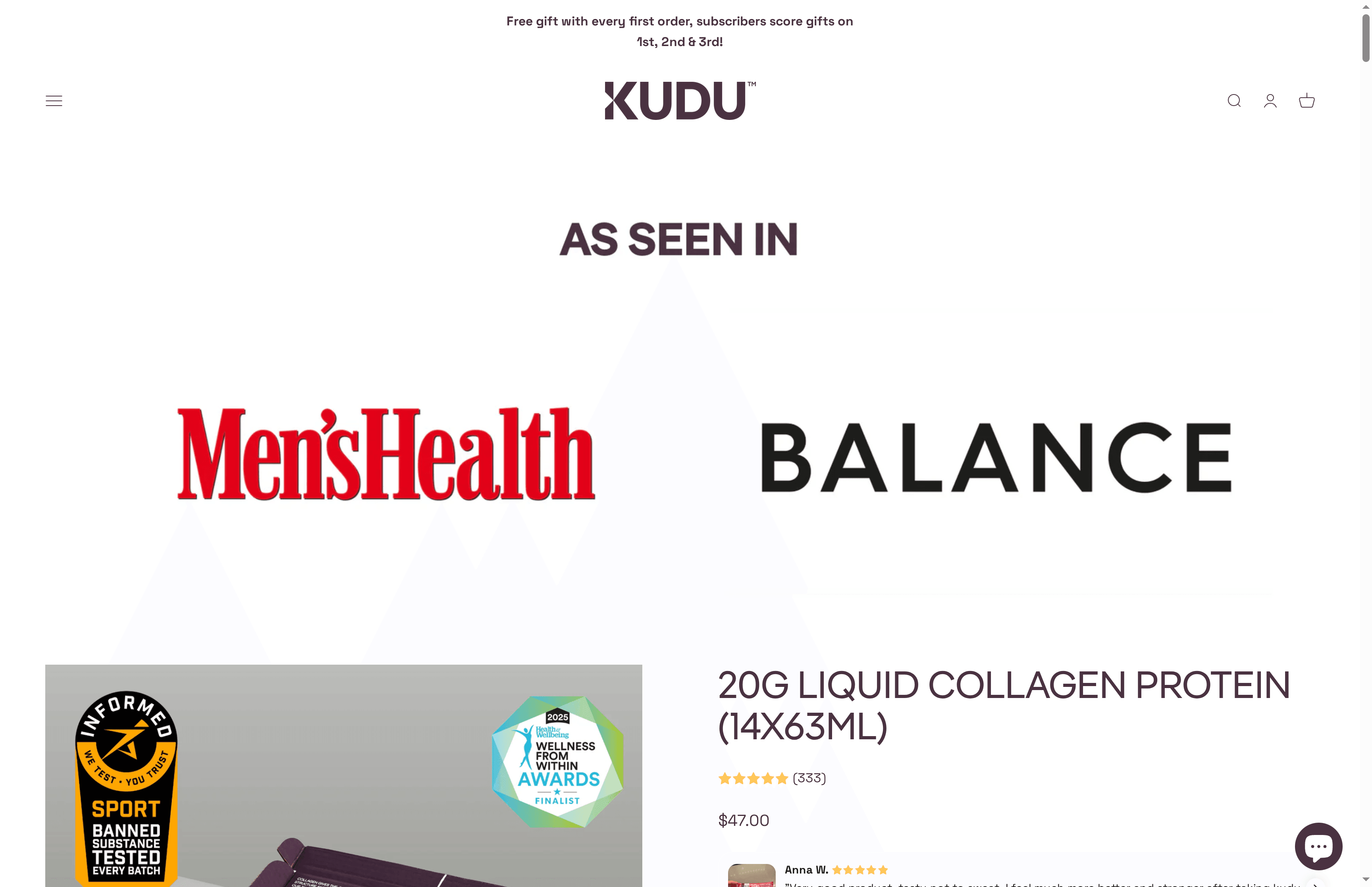
KUDU Nutrition’s collagen protein gels deliver 20 g of premium collagen protein per sachet, making them ideal for filling your post-workout protein window or bridging gaps between meals on busy days. Each sachet is Informed Sport certified, meaning every batch is tested for banned substances so you can use them with complete confidence. If you’re building a consistent routine, the collagen protein 14 pack gives you two weeks of structured support at excellent value. For those managing training-related joint strain or returning from injury, KUDU’s dedicated injury recovery resources pair perfectly with the nutritional strategies covered in this article.
Frequently asked questions
How much protein do I need if I am active but not an athlete?
Active individuals who exercise regularly but don’t compete should aim for 1.4–1.6 g/kg of body weight per day to support muscle maintenance and recovery.
Should I take protein before or after a workout?
Prioritise protein within 1–2 hours after exercise for optimal muscle repair. Post-exercise protein intake of 15–40 g alongside carbohydrates delivers the best recovery outcomes.
Can I eat too much protein if I am very active?
Yes. Exceeding 2.2 g/kg per day offers little additional benefit and may stress the kidneys in susceptible individuals, while also crowding out other nutrients your body needs.
Do plant-based proteins work as well as animal proteins for athletes?
Animal proteins lead on amino acid completeness and bioavailability, but a well-planned plant-based diet with combined sources and adequate total intake can meet an athlete’s needs effectively.
What is the best way to support joint health with protein?
Collagen protein consistently supports joint, tendon, and connective tissue health. Including it regularly alongside a complete dietary protein intake is the most evidence-backed approach, as collagen supports joint and muscle health through its unique amino acid profile.
Recommended
- High-protein supplements for fitness, skin, and recovery
- 7 Best Protein Sources for Muscle Recovery Explained
- What is protein synthesis? A guide to muscle recovery
- Role of Protein in Recovery: Collagen’s Edge for Fitness
- Best wellness supplements for faster recovery: Evidence-backed picks
- Mushrooms and protein: nutritional facts for plant-based wellness – LongevityBotanicals