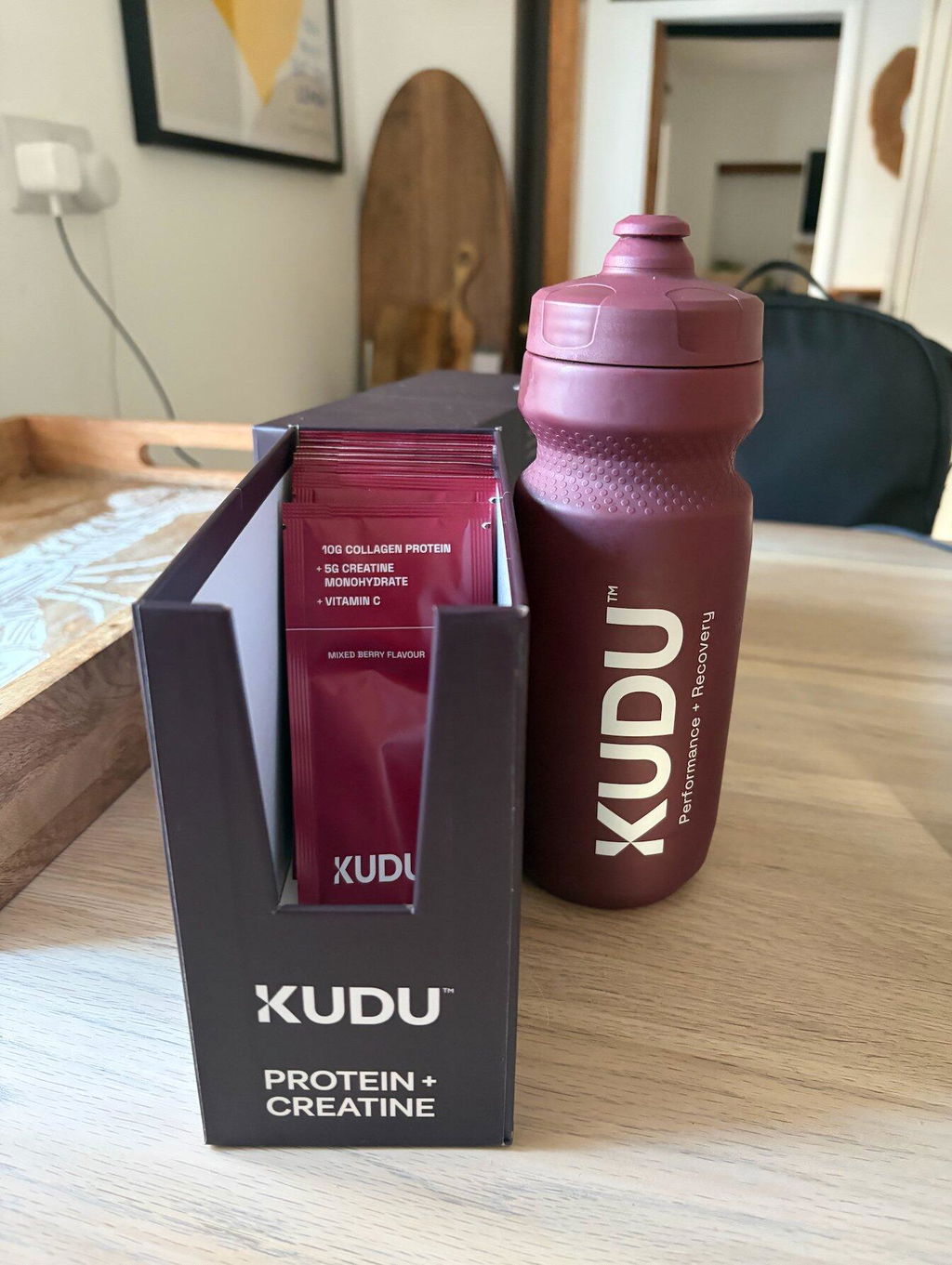


Feeling stiff or achy after a busy day can make even simple tasks feel daunting. For many women in the United Kingdom, finding effective joint and skin support is a top priority. Collagen proteins are vital for keeping joints resilient and comfortable, as they help maintain cartilage structure and flexibility. Discover how specific protein choices and collagen supplements can play a key role in supporting your active lifestyle and long-term joint health.
Table of Contents
- What Is Protein’s Role in Joint Health?
- Types of Collagen Protein and How They Differ
- How Collagen Supports Joint Structure and Function
- Collagen Supplement Benefits for Joint Pain Relief
- Comparing Collagen With Other Joint Support Options
- Safety, Dosage, and Quality Considerations in the UK
Key Takeaways
| Point | Details |
|---|---|
| Protein is essential for joint health | Adequate protein intake supports cartilage repair, muscle maintenance, and regulation of inflammation, crucial for joint resilience. |
| Collagen types serve specific functions | Different collagen types, such as Type I and Type II, play unique roles in providing structural support and flexibility to joints. |
| Collagen supplements offer pain relief | Hydrolysed collagen can reduce inflammation and promote cartilage repair, making it a targeted option for managing joint discomfort. |
| Quality and dosage matter for supplementation | Selecting reputable collagen supplements with verified purity and appropriate dosing is key for achieving optimal health benefits. |
What Is Protein’s Role in Joint Health?
Protein is a fundamental building block for maintaining healthy joints, providing essential amino acids that support structural integrity and function. Dietary protein intake plays a crucial role in supporting bone and joint tissue health through multiple complex mechanisms.
At the molecular level, protein contributes to joint health through several key pathways:
- Supplies amino acids necessary for collagen production
- Stimulates growth factors that support tissue repair
- Maintains muscle mass surrounding joints
- Helps regulate systemic inflammation
- Supports calcium absorption and bone metabolism
The process involves intricate biochemical interactions where amino acids serve as fundamental construction materials for rebuilding cartilage, tendons, and ligamental structures. Collagen proteins are particularly significant, acting as primary structural components that provide elasticity and strength to joint tissues.
Adequate protein intake is essential for maintaining joint resilience and preventing age-related deterioration.
Researchers have discovered that protein’s impact extends beyond simple structural support. Protein metabolism helps regulate systemic inflammation, which can directly influence arthritis progression and joint comfort. By providing the right nutritional building blocks, protein helps your body actively manage and potentially mitigate joint stress.
Pro tip: Aim to consume high-quality protein sources across different meals to ensure consistent amino acid availability for joint tissue maintenance and repair.
Types of Collagen Protein and How They Differ
Collagen is far more complex than most people realise, with multiple protein variations existing across different bodily tissues. Scientists have identified at least 29 distinct collagen types, though four primary varieties play crucial roles in human health and joint function.
The most significant collagen types include:
- Type I Collagen: Predominant in bone, skin, tendons, and ligaments
- Type II Collagen: Primarily found in cartilage
- Type III Collagen: Located in skin, organs, and blood vessels
- Type IV Collagen: Critical for cellular basement membranes
Type I Collagen provides remarkable tensile strength and serves as the most abundant protein in the human body. This variety forms robust fibrils that offer structural support in connective tissues, making it essential for maintaining joint and skin integrity.

Molecular structure variations between collagen types determine their unique mechanical properties. Type II collagen, for instance, specialises in cartilage, offering exceptional elasticity and shock-absorption capabilities that protect joints during movement.
Here’s a concise overview of the main collagen types and their primary functions:
| Collagen Type | Main Location | Unique Function | Noteworthy Characteristic |
|---|---|---|---|
| Type I | Bone, skin, tendons | Provides tensile strength | Most abundant in humans |
| Type II | Cartilage | Ensures shock absorption | Specialised for joint elasticity |
| Type III | Organs, blood vessels, skin | Supports tissue flexibility | Found in expanding tissues |
| Type IV | Cellular membranes | Creates structural base | Essential for cell layers |
Different collagen types are like specialised construction workers, each with a unique role in maintaining bodily structures.
Interestingly, each collagen type has a distinct amino acid composition that influences its functional characteristics. While some types provide strength, others contribute to flexibility and cellular communication, demonstrating the remarkable complexity of these protein molecules.
Pro tip: Consider consulting a nutritional expert to understand which specific collagen type might best support your individual joint health needs.
How Collagen Supports Joint Structure and Function
Collagen serves as the foundational protein that provides critical structural support for joint health. Joint connective tissue mechanics rely on collagen’s unique ability to maintain cartilage elasticity and enable smooth movement across different bodily structures.
The key functions of collagen in joint health include:
- Transmitting muscle forces between bones
- Maintaining tissue elasticity
- Supporting shock absorption capabilities
- Reducing inflammatory responses
- Promoting cartilage regeneration
Structural proteins like collagen create a complex network within joints, acting as essential building blocks that enable mobility and flexibility. Amino acid composition plays a crucial role in determining collagen’s capacity to support connective tissue synthesis and repair.
Collagen functions like a microscopic scaffolding system, providing strength and flexibility to joint structures.
The peptides derived from collagen contain specific amino acids such as glycine and proline, which are instrumental in supporting connective tissue protein synthesis. These molecular components help maintain joint stability, reduce potential pain, and enhance overall mobility.
Pro tip: Consider incorporating collagen-rich foods or supplements that support your body’s natural protein synthesis and joint health maintenance.
Collagen Supplement Benefits for Joint Pain Relief
Joint pain can significantly impact daily life, and clinical studies demonstrate that collagen supplements offer promising relief strategies for individuals experiencing chronic discomfort and reduced mobility.
Key benefits of collagen supplementation for joint pain management include:
- Reducing inflammatory responses
- Promoting cartilage repair
- Enhancing joint lubrication
- Supporting tissue regeneration
- Improving overall joint function
Hydrolyzed collagen peptides work at a cellular level to address joint pain mechanisms. Supplementation combined with exercise has shown remarkable potential in stimulating extracellular matrix remodeling and improving structural joint integrity.
Collagen supplements represent a targeted approach to managing joint discomfort and supporting long-term mobility.
The therapeutic potential extends beyond pain reduction. These supplements actively support the body’s natural healing processes, helping to rebuild and maintain joint tissue while potentially slowing degenerative changes associated with ageing and repeated stress.
Pro tip: Consult with a healthcare professional to determine the most appropriate collagen supplement dosage tailored to your specific joint health needs.
Comparing Collagen With Other Joint Support Options
Joint supplements vary significantly in their approach to managing mobility and pain. Systematic reviews indicate that collagen offers a more comprehensive solution compared to traditional joint support alternatives like glucosamine and chondroitin.
Key differences between collagen and other joint supplements include:
- Targets cartilage metabolism directly
- Provides structural tissue support
- Modulates inflammatory responses
- Offers broader mechanism of action
- Potentially fewer side effects
Nutritional intervention through collagen supplementation distinguishes itself from symptomatic treatments. Osteoarthritis management strategies suggest collagen may act as a disease-modifying nutritional option, addressing underlying joint health mechanisms rather than merely masking discomfort.
While traditional supplements focus on temporary relief, collagen works to support long-term joint resilience and function.
Unlike glucosamine and chondroitin which primarily target symptom reduction, collagen hydrolysate and undenatured type II collagen demonstrate potential to stimulate cartilage synthesis and support comprehensive joint health. This approach offers a more holistic strategy for managing joint wellness and mobility.
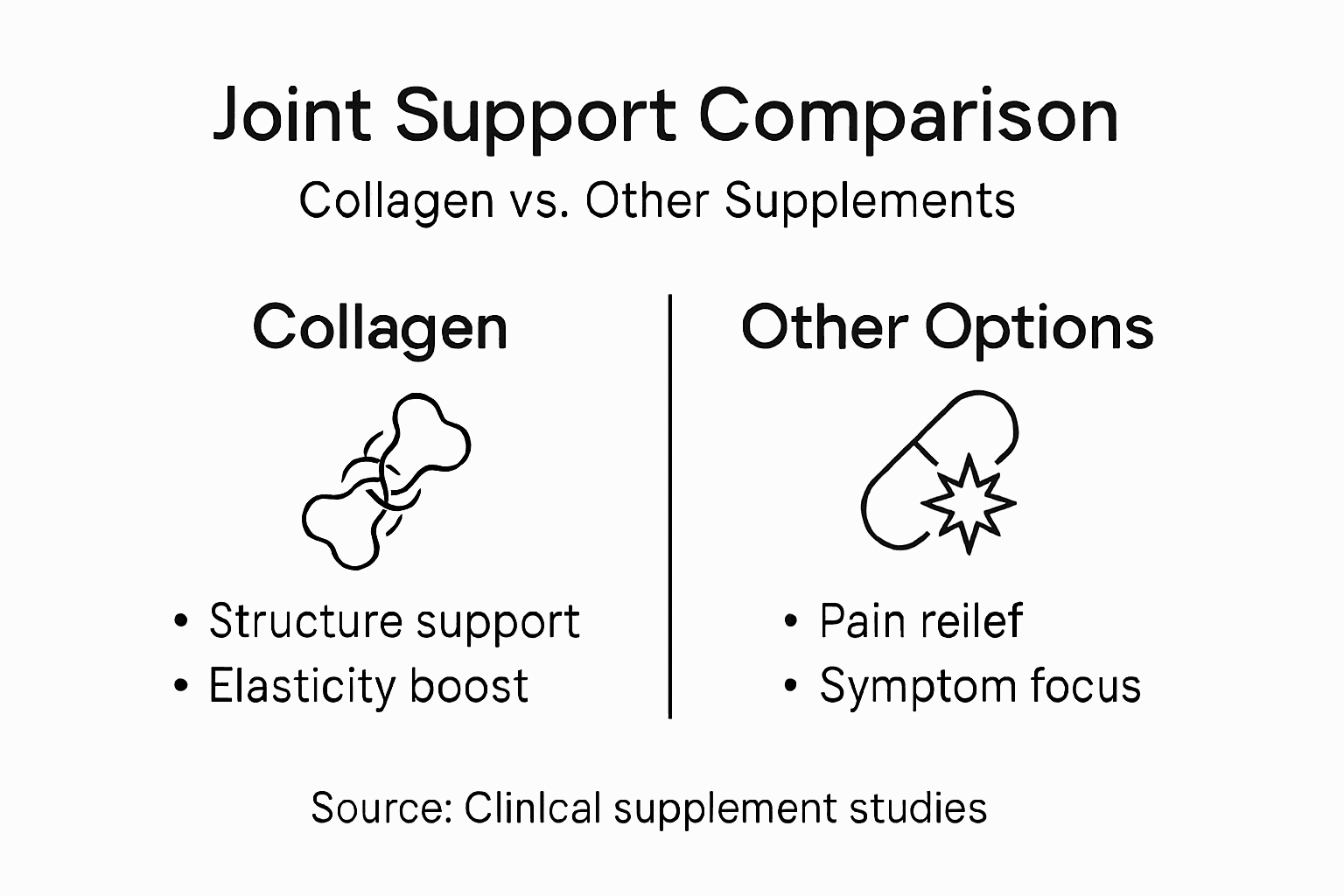
To help you understand how collagen compares with traditional joint supplements, see this side-by-side summary:
| Supplement Type | Mechanism of Action | Impact on Joint Health | Typical Side Effects |
|---|---|---|---|
| Collagen | Stimulates cartilage synthesis | Enhances structure and longevity | Usually mild, rare |
| Glucosamine | Reduces inflammation | Eases symptoms, temporary relief | Occasional digestive disturbance |
| Chondroitin | Blocks breakdown of cartilage | Slows cartilage damage | May affect blood sugar |
Pro tip: Consider consulting a healthcare professional to understand how collagen might complement or potentially replace your current joint support regimen.
Safety, Dosage, and Quality Considerations in the UK
Collagen supplementation requires careful consideration, particularly in understanding appropriate dosage recommendations for optimal health benefits in the United Kingdom.
Key quality and safety considerations include:
- Selecting hydrolysed peptide formulations
- Verifying supplement purity
- Checking for third-party lab testing
- Understanding recommended daily intake
- Confirming product sourcing transparency
Daily dosage guidelines suggest consuming between 2.5 to 15 grams of collagen, with joint and bone health objectives typically requiring 5-10 grams per day. The absorption and effectiveness depend significantly on the supplement’s molecular structure and processing method.
Not all collagen supplements are created equal - quality matters more than quantity.
Consumers should prioritise reputable brands that provide clear information about their collagen’s enzymatic hydrolysis process, protein sourcing, and comprehensive laboratory testing. British consumers increasingly demand transparency and scientific validation in nutritional supplements.
Pro tip: Always consult a healthcare professional and carefully review product certifications before starting any new supplement regimen.
Restore Your Joint Health with Targeted Collagen Nutrition
If you are seeking a powerful way to support joint resilience and reduce discomfort collagen protein is a proven solution that aligns perfectly with the latest scientific insights. This article highlights collagen’s unique role in maintaining structural joint integrity and managing inflammation key factors for long-term mobility and pain relief. With the emphasis on types like hydrolysed collagen peptides your goal of promoting cartilage repair and improving joint function becomes achievable through consistent nutritional support.
Discover our premium range of 20g Collagen Protein Supplements specially formulated for health-conscious individuals and athletes who prioritise quality and effectiveness.

Take control of your joint health today by choosing KUDU Nutrition’s scientifically supported collagen sachets. Experience enhanced joint comfort increased flexibility and confidence in your daily movement. Visit this page now to start your journey towards stronger joints with a trusted product backed by quality certifications and outstanding taste.
Frequently Asked Questions
What role does protein play in joint health?
Protein is essential for joint health as it provides amino acids necessary for collagen production, supports tissue repair, maintains muscle mass around joints, regulates inflammation, and aids calcium absorption.
How does collagen support joint structure and function?
Collagen provides structural support for joints by enhancing tissue elasticity, transmitting muscle forces, supporting shock absorption, and promoting cartilage regeneration, which collectively improves joint mobility and stability.
What are the benefits of collagen supplements for joint pain relief?
Collagen supplements can reduce inflammation, promote cartilage repair, enhance joint lubrication, and improve overall joint function, offering a targeted approach to relieving joint pain and supporting long-term mobility.
How does collagen compare to other joint supplements like glucosamine and chondroitin?
Collagen offers a broader mechanism of action by directly stimulating cartilage synthesis and modulating inflammation, while glucosamine and chondroitin primarily provide temporary symptom relief. Collagen also supports long-term joint health rather than just alleviating discomfort.