
Joint pain can make everyday tasks in the United Kingdom feel challenging and frustrating. Many British adults find that their quality of life suffers as connective tissue weakens and movement becomes limited. The structure and resilience of tendons depend on the presence of collagen, the protein that delivers essential strength and flexibility. This guide explains how different collagen types underpin tendon function, recovery, and beauty benefits, offering support for those looking to restore joint health naturally.
Table of Contents
- Collagen and Tendons – Core Functions Explained
- Types of Collagen Important for Tendon Health
- How Collagen Supports Tendon Strength and Flexibility
- Risks of Collagen Deficiency in Joint Health
- Collagen Supplements for Recovery and Pain Relief
Key Takeaways
| Point | Details |
|---|---|
| Importance of Collagen | Collagen is essential for tendon strength, flexibility, and overall musculoskeletal health, forming the primary structural component of tendons. |
| Types of Collagen in Tendons | Type I collagen constitutes the majority, providing tensile strength, while Type III collagen supports vascular structures and tissue repair. |
| Consequences of Deficiency | Collagen deficiency can lead to reduced tensile strength, increased injury risk, and slower healing, impacting joint health and mobility. |
| Benefits of Supplementation | Collagen supplements may aid in recovery by supporting tissue repair and reducing inflammation, making them beneficial for athletes. |
Collagen and Tendons – Core Functions Explained
Collagen represents the primary structural protein responsible for creating robust connective tissue throughout the human body, with tendons serving as a critical location for its functional performance. These protein structures play a fundamental role in maintaining joint stability, flexibility, and overall musculoskeletal health.
Tendons specifically rely on collagen as their primary architectural component, generating a complex network of protein fibres that connect muscles to bones. Type 1 collagen benefits are particularly important in creating the tensile strength and resilience required for efficient muscle-skeletal movement. The protein’s unique molecular structure enables several essential functions:
- Provides mechanical strength to connective tissues
- Enables flexibility and shock absorption during movement
- Supports tissue regeneration and repair mechanisms
- Maintains structural integrity of joints and ligaments
The biochemical composition of collagen within tendons involves intricate amino acid arrangements that contribute to its remarkable properties. Amino acids serve as the fundamental building blocks, determining the protein’s capacity to withstand mechanical stress and support physiological functions. Amino acids in collagen play a crucial role in maintaining the structural resilience of tendons, helping them resist stretching and compression during physical activities.
Pro tip: Consider incorporating protein-rich foods and targeted supplements to support your body’s natural collagen synthesis and tendon health.
Types of Collagen Important for Tendon Health
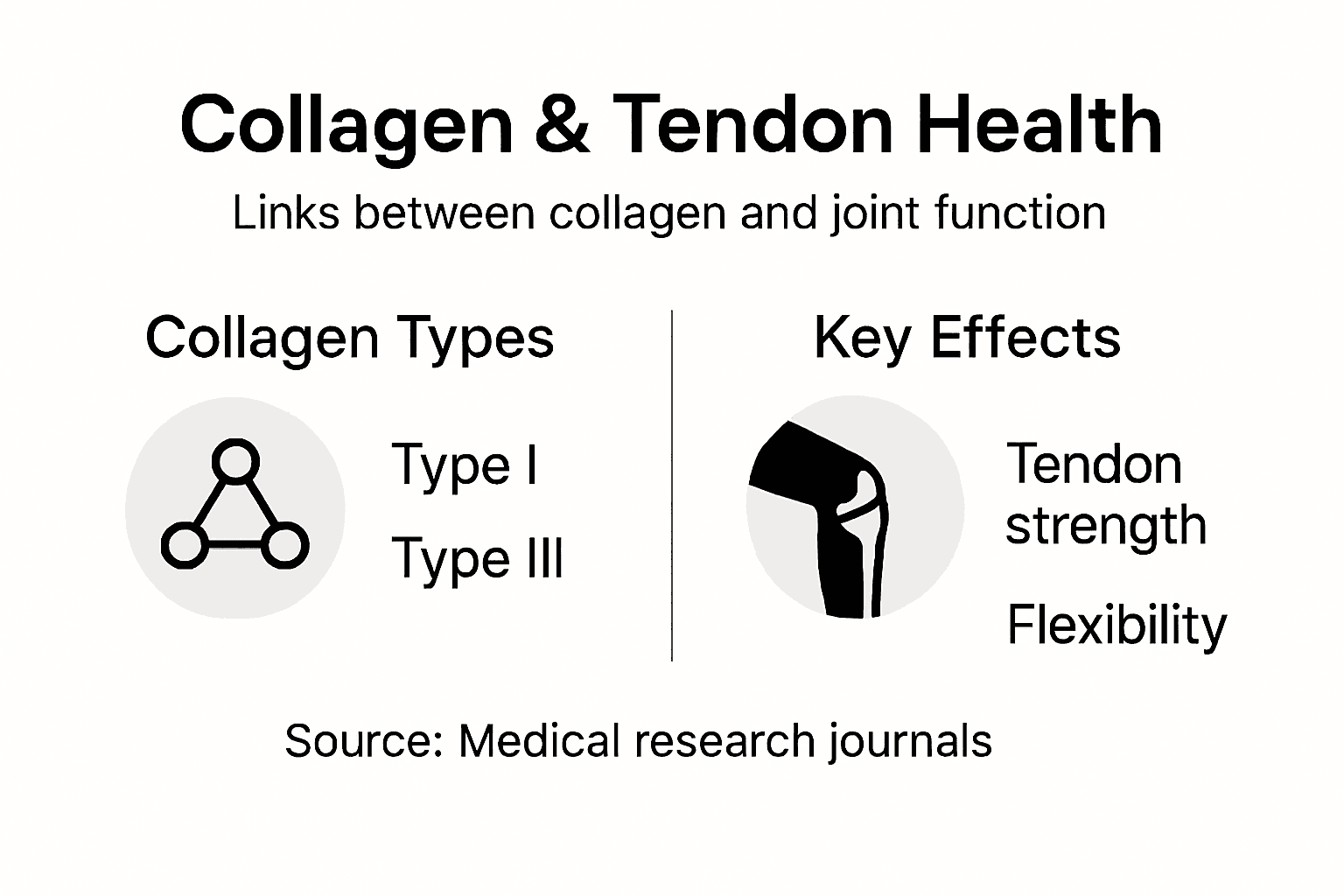
Type I collagen dominates the tendon landscape, representing the primary structural protein that enables critical musculoskeletal functionality. Collagen types for joints reveal a complex network of proteins essential for maintaining tissue integrity and performance.
Tendons predominantly contain multiple collagen varieties, each contributing unique characteristics to their mechanical properties. According to scientific research, the collagen composition in tendons includes:
- Type I collagen (60-80% of total collagen)
- Type III collagen (supporting vascular structures)
- Trace amounts of Type II, IV, V, VI, IX, and X collagens
The molecular structure of these collagen types determines tendon resilience and adaptability. Type I collagen provides the fundamental mechanical strength, creating an intricate protein network that connects muscles to bones with remarkable tensile capabilities. Its triple-helix molecular configuration enables tendons to withstand significant mechanical stress during physical activities.
Secondary collagen types play crucial supporting roles in tendon health. Type III collagen, for instance, contributes to vascular wall integrity and tissue repair mechanisms, while minor collagen types help maintain structural interfaces with surrounding tissues and blood vessels.
Here is a summary of key collagen types found in tendons and their roles:
| Collagen Type | Percentage in Tendons | Primary Function | Supporting Role |
|---|---|---|---|
| Type I | 60–80% | Provides tensile strength | Main structural framework |
| Type III | 10–20% (approximate) | Aids tissue repair | Supports blood vessels |
| Types II, IV, V, VI, IX, X | Trace amounts | Interface/supporting tissues | Structural integration |
Pro tip: Consider consulting sports medicine professionals to understand how targeted collagen supplementation might support your specific tendon health requirements.
How Collagen Supports Tendon Strength and Flexibility
Tendons require exceptional mechanical properties to withstand constant physical stress, and collagen plays a pivotal role in delivering these critical characteristics. Collagen’s role in flexibility reveals the intricate mechanisms that enable tendons to function effectively during movement and load-bearing activities.
The remarkable strength of tendons emerges from their unique structural composition, characterised by specific collagen features:
- Parallel alignment of collagen fibrils
- Hierarchical molecular organisation
- Advanced crosslinking between protein molecules
- Energy storage and elastic capabilities
Collagen’s molecular structure creates a sophisticated network that enables tendons to resist tensile forces while maintaining remarkable flexibility. The triple-helix configuration of collagen molecules allows for energy absorption and distribution, preventing sudden mechanical failures during intense physical activities.
Viscoelastic properties are fundamental to tendon functionality, with collagen providing both strength and adaptability. These properties enable tendons to stretch and return to their original shape, crucial for activities ranging from walking to high-intensity athletic movements. Minor variations in collagen fibre alignment can significantly impact tendon mobility and load-bearing capacity.
Pro tip: Incorporate gradual loading exercises and proper nutrition to support optimal collagen synthesis and maintain tendon health.
Risks of Collagen Deficiency in Joint Health
Joint health depends critically on maintaining robust collagen structures, with joint health and collagen revealing the profound implications of protein degradation. Collagen deficiency represents a significant risk factor for multiple musculoskeletal complications that can dramatically impact mobility and quality of life.
The primary risks associated with collagen deficiency include:
- Reduced tendon tensile strength
- Increased vulnerability to joint injuries
- Compromised tissue repair mechanisms
- Higher inflammation susceptibility
- Accelerated joint degeneration
- Diminished cartilage cushioning
Collagen loss progressively undermines the structural integrity of connective tissues, creating a cascade of potential health challenges. When collagen production declines, tendons become less elastic and more prone to micro-tears, strain, and chronic inflammation. This degradation can lead to conditions such as tendonitis, ligament weakness, and potentially accelerated onset of osteoarthritic changes.
Mitigation strategies are crucial for individuals experiencing collagen deficiency. Understanding the early warning signs and implementing targeted nutritional interventions can help preserve joint function and prevent long-term musculoskeletal complications. Proactive approaches involving dietary modifications, targeted supplementation, and appropriate exercise can significantly slow collagen breakdown.
The following table compares healthy tendon collagen with collagen-deficient tendons:
| Feature | Healthy Tendons | Collagen-Deficient Tendons |
|---|---|---|
| Tensile Strength | High | Greatly reduced |
| Flexibility | Maintained during stress | Markedly decreased |
| Healing Rate | Rapid tissue repair | Slower, less efficient healing |
| Injury Susceptibility | Low | Significantly increased |
Pro tip: Consult healthcare professionals to develop a personalised strategy for maintaining optimal collagen levels and supporting long-term joint health.
Collagen Supplements for Recovery and Pain Relief
Collagen supplementation offers promising potential for athletes and individuals seeking natural recovery solutions. Complete post-workout recovery guide demonstrates how targeted nutritional interventions can support tendon health and pain management.
The key mechanisms of collagen supplements in recovery and pain relief include:
- Providing essential amino acids for tissue repair
- Supporting collagen synthesis
- Reducing inflammation
- Enhancing tissue regeneration
- Supporting joint mobility
- Minimising exercise-related discomfort
Clinical research suggests collagen supplements may contribute to tendon healing by supplying critical building blocks like glycine and proline. These amino acids play a crucial role in supporting the body’s natural tissue repair mechanisms, potentially improving tendon cross-sectional area and overall structural integrity.
While scientific evidence remains emerging, preliminary studies indicate potential benefits for individuals experiencing joint discomfort and seeking natural recovery strategies. The effectiveness of collagen supplements appears most pronounced when combined with targeted exercise programmes and comprehensive nutrition plans.
Pro tip: Consult with healthcare professionals to develop a personalised supplementation strategy tailored to your specific musculoskeletal recovery needs.
Support Your Tendons with Targeted Collagen Nutrition
If you are worried about the risks of collagen deficiency affecting your tendon strength and joint health the insights from this article highlight the crucial role of collagen types especially Type I in maintaining flexibility and repair. Reduced collagen levels can cause lower tensile strength and slower healing which means your mobility and comfort may suffer during daily or athletic activities. This is why proactive nutritional support is essential for anyone wanting to sustain resilient tendons and joints.

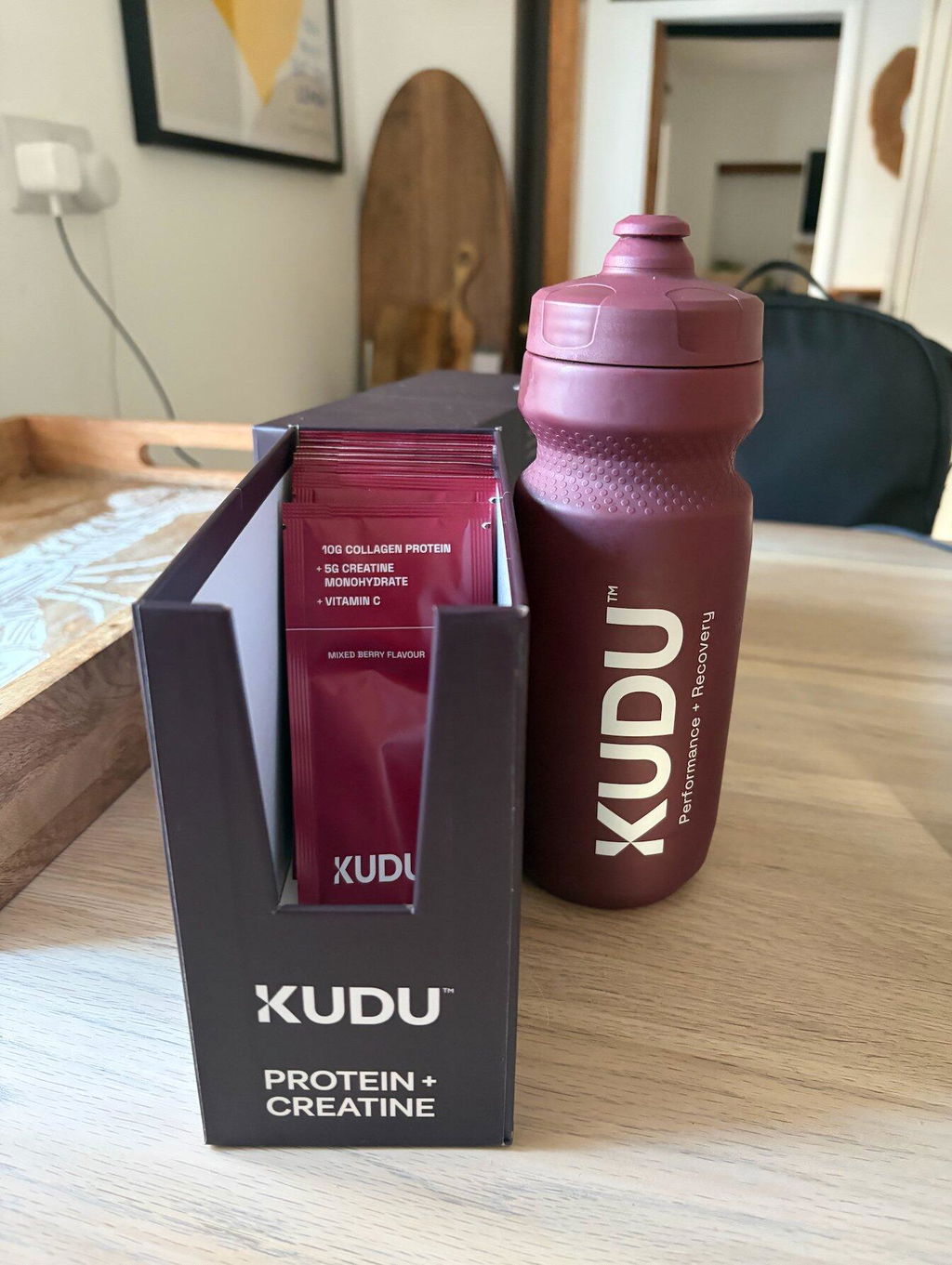
Experience the benefits of high-quality collagen supplementation with KUDU Nutrition’s 20g Collagen Protein sachets. Crafted for health-conscious consumers and athletes our collagen formula provides a powerful dose of essential amino acids that support tendon repair, reduce inflammation and enhance musculoskeletal recovery. Act now to help preserve your joint integrity and improve your recovery with a product recognized for its superior taste, quality certifications, and transparent ingredient profile. Discover more about the type 1 collagen benefits, understand how amino acids in collagen contribute to tendon strength and prioritise your joint health with KUDU Nutrition today.
Frequently Asked Questions
What role does collagen play in tendon health?
Collagen is the primary structural protein in tendons, providing mechanical strength, flexibility, and support for tissue regeneration. It forms a complex network that connects muscles to bones, crucial for musculoskeletal health.
How does collagen deficiency affect joint health?
Collagen deficiency can lead to reduced tensile strength, increased susceptibility to injuries, slower healing rates, and overall joint degradation. This can result in conditions such as tendonitis and osteoarthritis.
What types of collagen are important for tendons?
Type I collagen is the dominant form in tendons, comprising 60-80% of their composition, providing tensile strength. Type III collagen also supports tissue repair and vascular structures, while other types play minor supportive roles.
Can collagen supplements help with tendon recovery and pain relief?
Yes, collagen supplements can provide essential amino acids for tissue repair, support collagen synthesis, reduce inflammation, and enhance tissue regeneration, potentially aiding recovery from injuries and minimising discomfort.