


Building strong bones feels overwhelming when conflicting advice floods every fitness forum and health blog. You deserve a clear, science-backed roadmap that combines essential nutrients with lifestyle habits to strengthen your skeleton and accelerate recovery. This guide delivers exactly that: a step-by-step nutrition plan for bone health you can implement today.
Table of Contents
- Prerequisites: What You Need Before Starting
- Step 1: Ensure Adequate Calcium And Vitamin D Intake
- Step 2: Incorporate Protein And Collagen For Bone Matrix Support
- Step 3: Add Essential Vitamins And Minerals
- Step 4: Lifestyle Integration: Exercise And Risk Factor Management
- Step 5: Common Mistakes And How To Avoid Them
- Step 6: Expected Results And How To Measure Success
- Enhance Your Bone Health With Collagen Protein Supplements
- Frequently Asked Questions
Key takeaways
| Point | Details |
|---|---|
| Balanced nutrients are essential | Calcium, vitamin D, protein, and collagen work together to build and maintain bone density. |
| Exercise complements nutrition | Weight-bearing activities 3-5 times weekly significantly boost bone strength alongside proper diet. |
| Avoid common mistakes | Neglecting vitamin D, excessive caffeine, and solo calcium supplements undermine bone health efforts. |
| Track progress systematically | Bone density improvements become measurable within 6 months through DEXA scans and health checks. |
| Supplement wisely | Vitamin D and collagen supplements fill dietary gaps and support bone matrix formation effectively. |
Prerequisites: what you need before starting
Before diving into bone-strengthening nutrition, assess your current foundation. Understanding where you stand today determines which adjustments deliver the greatest impact on your skeletal health.
First, evaluate your bone health status through awareness of risk factors such as family history, previous fractures, or conditions affecting bone density. If possible, discuss baseline health checks with your GP to identify deficiencies early.
Second, ensure access to a balanced diet containing key bone-supporting nutrients or quality supplements when dietary sources fall short. Stock your kitchen with calcium-rich foods, vitamin D sources, and protein options that fit your preferences and budget.
Third, commit to lifestyle changes beyond nutrition alone. Bone health thrives on consistency across diet, exercise, and daily habits. Willingness to adjust routines separates fleeting attempts from lasting skeletal improvements.
Finally, know your vitamin and mineral status, particularly vitamin D and calcium levels. Many UK adults experience vitamin D deficiency during darker months, making supplementation crucial for optimal bone health outcomes.
Essential preparation checklist:
- Complete health assessment identifying bone-related risk factors
- Secure access to nutrient-dense foods or appropriate supplements
- Establish commitment to consistent dietary and exercise routines
- Determine current vitamin D and calcium status through awareness or testing
- Set realistic expectations for gradual, sustained bone density improvements
Step 1: ensure adequate calcium and vitamin D intake
Calcium and vitamin D form the foundation of bone mineralisation. Without adequate intake, your skeleton cannot maintain density or repair microdamage from daily activities and exercise.

Adults need approximately 700mg of calcium daily to maintain bone strength. This mineral provides the structural component that hardens your skeletal framework. However, calcium alone achieves little without its critical partner.
Vitamin D enhances calcium absorption in your intestines and regulates bone remodelling. UK adults require 10 micrograms daily, especially between October and March when sunlight exposure proves insufficient for natural vitamin D production. This synergy between calcium and vitamin D determines how effectively your body builds and maintains bone tissue.
Top calcium sources (mg per serving):
| Food | Serving Size | Calcium Content |
|---|---|---|
| Cheddar cheese | 30g | 216mg |
| Semi-skimmed milk | 200ml | 244mg |
| Tinned sardines | 100g | 380mg |
| Curly kale (cooked) | 100g | 150mg |
| Fortified soya milk | 200ml | 240mg |
Vitamin D comes from oily fish like salmon and mackerel, fortified cereals and spreads, and egg yolks. Sunlight triggers vitamin D synthesis in your skin, but UK weather limits this natural production for half the year.
Supplementation becomes essential for those with limited sun exposure, darker skin tones, or dietary restrictions. Consider vitamin D supplements during autumn and winter months to maintain consistent levels year-round. Visit bone healthy food guidance for comprehensive nutritional recommendations.
Pro Tip: Take vitamin D supplements during breakfast with a source of healthy fats to maximise absorption and maintain steady blood levels throughout low sunlight months.
Step 2: incorporate protein and collagen for bone matrix support
Protein builds the organic matrix within bones, providing flexibility and strength that prevents brittle fractures. Beyond mineralisation, adequate protein intake supports muscle mass that protects and loads your skeleton.
Protein requirements range from 0.75 to 1.5g per kilogram of body weight depending on age and activity level. Older adults and athletes require higher amounts to combat muscle loss and support recovery from physical stress.
Quality protein sources include lean meats, fish, dairy products, eggs, and soy alternatives rich in isoflavones. These isoflavones may offer additional bone-protective benefits, particularly for postmenopausal women experiencing hormonal changes affecting bone density.
Collagen deserves special attention as it provides bioavailable protein supporting bone matrix formation and may aid fitness recovery. This structural protein comprises roughly 30% of bone tissue, creating the scaffold upon which minerals deposit. Supplementation delivers concentrated collagen peptides that your body absorbs and directs toward bone and joint repair.
Typical collagen dosages range from 10 to 20g daily, ideally consumed post-exercise when your body prioritises tissue repair and recovery. This timing maximises the synergistic effect of protein and collagen on bone remodelling and muscle regeneration. Learn more about collagen for injury prevention and recovery acceleration to optimise your skeletal health strategy.
Pro Tip: Take collagen supplements within 60 minutes after strength training or weight-bearing exercise to maximise bone matrix support and accelerate recovery from physical stress.
Step 3: add essential vitamins and minerals
Calcium and vitamin D require supporting nutrients to function optimally within your skeletal system. Vitamin K2, magnesium, and trace minerals complete the nutritional profile for robust bone health.
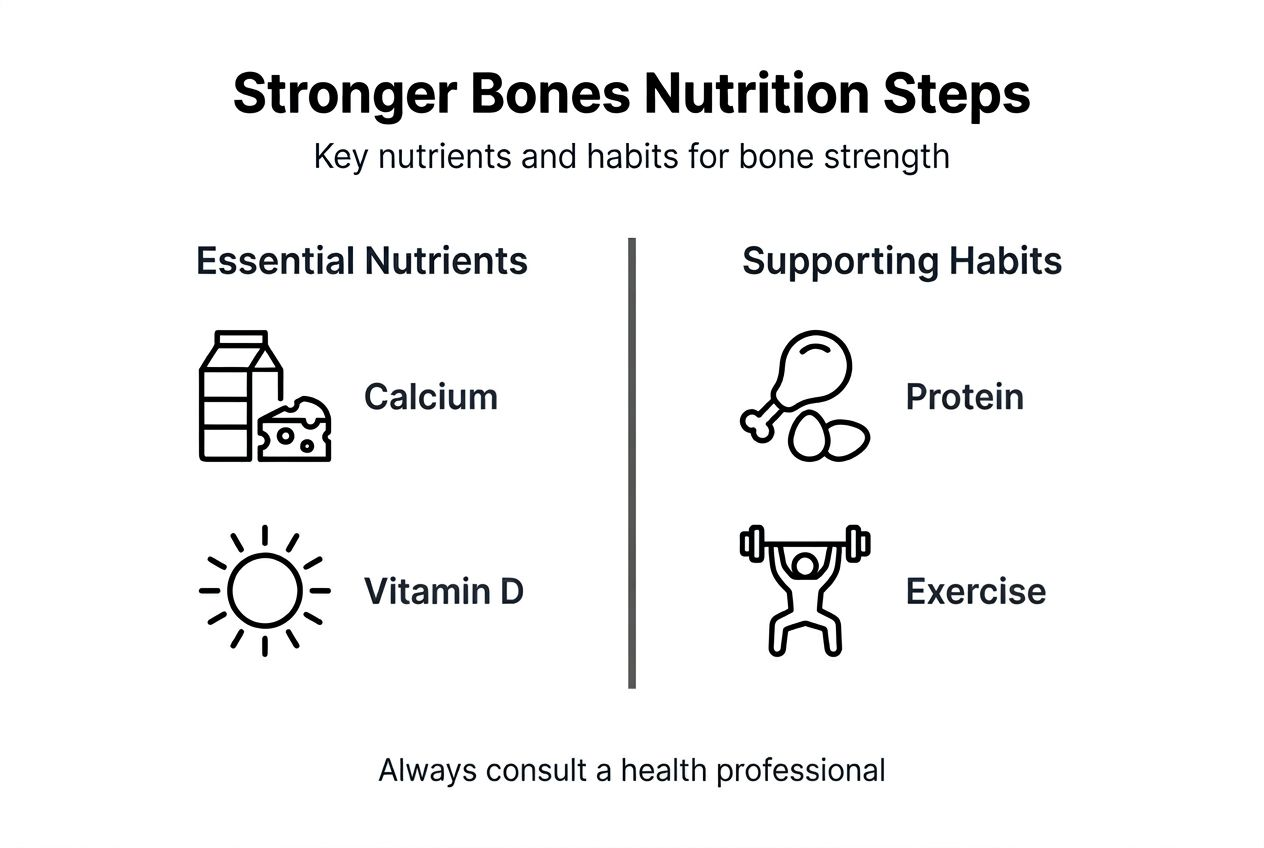
Vitamin K2 works synergistically with vitamin D3 to improve calcium utilisation in bones, reducing osteoporosis risk. This vitamin activates proteins that bind calcium to bone tissue rather than allowing it to accumulate in soft tissues like arteries. Fermented foods, grass-fed dairy, and egg yolks provide vitamin K2, though many diets fall short of optimal intake.
Magnesium supports bone formation and calcium metabolism by activating vitamin D and regulating parathyroid hormone. Nuts, seeds, whole grains, and dark leafy greens deliver this essential mineral. Deficiency impairs bone mineralisation and increases fracture risk, making adequate intake crucial for skeletal strength.
Include nutrient-rich foods daily:
- Almonds and cashews for magnesium and healthy fats
- Pumpkin and sunflower seeds for zinc and minerals
- Spinach, kale, and broccoli for vitamin K, calcium, and fibre
- Fortified plant milks for calcium and vitamins when avoiding dairy
- Tofu and tempeh for soy isoflavones and complete protein
Soy isoflavones in plant proteins may aid bone health, especially for postmenopausal women experiencing oestrogen decline. These compounds mimic oestrogen’s bone-protective effects, potentially slowing bone loss during hormonal transitions.
When dietary intake falls short, appropriate supplementation prevents deficiencies that compromise bone strength. A multivitamin containing magnesium, zinc, and vitamin K2 alongside your calcium and vitamin D regimen ensures comprehensive nutritional support. Explore nutrition for bones guidance for detailed recommendations tailored to your needs.
Step 4: lifestyle integration: exercise and risk factor management
Nutrition alone cannot maximise bone density. Physical activity provides the mechanical stress that signals your body to strengthen skeletal tissue and maintain bone mass throughout life.
Weight-bearing and muscle-strengthening exercise combined with nutrition significantly improves bone density and muscle strength. Aim for 3 to 5 sessions weekly, incorporating varied activities that challenge your skeleton from multiple angles.
Effective bone-building exercises:
- Weight-bearing activities: Walking, jogging, dancing, and tennis apply gravitational forces that stimulate bone formation in your legs, hips, and spine.
- Resistance training: Lifting weights, using resistance bands, or bodyweight exercises like press-ups create muscle tension that pulls on bones, triggering strengthening responses.
- Impact exercises: Jumping, skipping, and high-intensity interval training deliver concentrated mechanical loads that maximise bone-building signals.
- Balance exercises: Tai chi, yoga, and single-leg stands reduce fall risk and fracture likelihood whilst improving overall stability.
Beyond exercise, eliminate habits that undermine bone health:
- Quit smoking: Tobacco reduces bone density and increases fracture risk through multiple mechanisms affecting hormone balance and blood flow.
- Limit caffeine: Excessive coffee and tea consumption interferes with calcium absorption; keep intake moderate at 2 to 3 cups daily.
- Reduce salt: High sodium intake increases calcium excretion through urine, depleting your body’s mineral reserves.
- Avoid cola drinks: Phosphoric acid in fizzy drinks disrupts calcium balance and may contribute to bone loss over time.
- Maintain healthy weight: Both underweight and obesity stress your skeleton; aim for a balanced BMI through nutrition and activity.
Check the bone health checklist to assess your lifestyle factors comprehensively and identify areas for improvement.
Step 5: common mistakes and how to avoid them
Even well-intentioned efforts falter when common pitfalls undermine nutrient absorption and bone-building effectiveness. Recognising these mistakes early saves time and protects your skeletal investment.
Many people rely solely on calcium supplements without pairing them with vitamin D. Over-supplementation of calcium without vitamin D may lead to improper calcium metabolism and potential health risks including kidney stones and cardiovascular concerns. Always combine these nutrients for safe, effective supplementation.
Excessive caffeine, salt, and phosphoric acid from cola drinks negatively impact calcium absorption and bone health. Moderate your intake of these substances to prevent calcium depletion and maintain optimal mineral balance.
Supplements cannot compensate for poor dietary habits. Whole foods deliver nutrients in natural ratios alongside fibre, antioxidants, and compounds that enhance absorption. Prioritise dietary improvements whilst using supplements to fill specific gaps rather than replace meals.
Understand nutrient timing and combinations for better uptake:
- Take calcium supplements in smaller doses (500mg or less) throughout the day rather than one large dose
- Consume vitamin D with meals containing healthy fats to boost absorption
- Avoid taking calcium and iron supplements simultaneously as they compete for absorption
- Space high-fibre foods apart from calcium-rich meals to prevent binding and reduced uptake
Never bypass exercise whilst focusing solely on nutrition. Physical activity provides irreplaceable mechanical signals that nutrition alone cannot deliver. Your bones strengthen in response to loading, making regular movement essential for translating dietary efforts into measurable density gains.
Pro Tip: Always pair calcium supplements with vitamin D and consume them alongside a balanced meal containing healthy fats to maximise absorption and prevent potential health risks from isolated calcium intake.
“Bone health requires a holistic approach combining nutrition, exercise, and lifestyle management. Isolated interventions deliver limited results compared to comprehensive strategies addressing multiple factors simultaneously.”
Step 6: expected results and how to measure success
Patience and consistency determine bone health outcomes. Understanding realistic timelines and tracking methods keeps you motivated through the gradual improvement process.
Bone density improvements can be observed within 6 months of consistent nutrition and regular weight-bearing exercise. However, peak results often require 1 to 2 years of sustained effort as bone remodelling occurs slowly compared to muscle or fat changes.
Track progress through bone density scans (DEXA) offered by healthcare providers for at-risk individuals or those monitoring treatment effectiveness. These scans measure bone mineral density at key sites like your spine and hips, providing objective data on skeletal improvements.
Signs of successful bone health strategies include:
- Reduced fracture risk and absence of stress injuries during activity
- Faster recovery times from exercise and physical challenges
- Improved posture and reduced back pain from stronger spinal support
- Maintained or improved bone density scores on follow-up scans
- Enhanced overall fitness and mobility supporting skeletal health
Bone health monitoring timeline:
| Timeframe | Expected Changes | Recommended Actions |
|---|---|---|
| 0-3 months | Improved energy, reduced deficiency symptoms | Track diet, supplement adherence, exercise frequency |
| 3-6 months | Early bone density improvements detectable | Consider baseline DEXA scan if at risk |
| 6-12 months | Measurable bone density gains, reduced fracture risk | Maintain consistency, adjust based on progress |
| 12+ months | Peak bone health benefits, sustained improvements | Continue lifestyle, periodic monitoring |
Keep consistent records of your diet, exercise routines, and supplementation to identify patterns and adjust strategies. Apps or journals tracking calcium, vitamin D, protein intake, and weekly activity help maintain accountability.
Maintain motivation by understanding that gradual, sustained improvements protect your skeleton for decades ahead. Explore bone health monitoring guidelines to establish personalised tracking systems aligned with your health goals.
Enhance your bone health with collagen protein supplements
Translating knowledge into action requires convenient, quality nutrition that fits your lifestyle. Collagen supplements provide the bioavailable protein your bones need for matrix support and recovery acceleration.
KUDU Nutrition offers 20g collagen protein gels and liquid sachets designed for busy, health-conscious individuals. Each serving delivers concentrated collagen peptides that complement your dietary protein intake, supporting stronger bones and faster recovery from training stress.
Regular supplementation alongside balanced nutrition creates the optimal environment for bone remodelling and skeletal strength. Explore the 20g collagen protein 14 pack to establish consistent collagen intake that aligns with the science-backed strategies outlined in this guide.
Discover how collagen supports overall wellness beyond bone health, including skin elasticity, joint comfort, and beauty benefits that enhance your quality of life. Take the next step in your bone health journey with quality collagen products tailored to your active lifestyle.
Frequently asked questions
How quickly can I expect to see improvements in my bone health?
Bone density improvements typically begin to show within 6 months of consistent nutrition and exercise, though peak results require 1 to 2 years of sustained effort. Your body remodels bone tissue gradually, replacing old bone with new mineralised structures over time. Regular health checks and DEXA scans help monitor progress objectively, whilst subjective improvements like reduced injury frequency and faster recovery appear earlier in your journey.
Can I get enough vitamin D from sunlight alone?
In many regions, sunlight proves insufficient especially during autumn and winter months when UV intensity drops below the threshold for vitamin D synthesis. UK weather limits natural production for approximately half the year, making dietary sources and supplementation essential. Vitamin D supplementation at 10 micrograms daily is recommended to maintain optimal levels for bone health year-round, particularly for those with limited outdoor exposure or darker skin tones requiring longer sun exposure for equivalent production.
Is collagen supplementation necessary if I eat enough protein?
Collagen supplements provide specific amino acids like glycine, proline, and hydroxyproline beneficial for bone matrix formation not always abundant in regular protein sources. These amino acids support bone and joint tissue repair beyond general protein’s muscle-building effects. Whilst a protein-rich diet forms the foundation, collagen supplementation offers targeted support for skeletal health, recovery acceleration, and injury prevention that complements rather than replaces whole food protein intake.
What lifestyle habits should I avoid to protect my bone health?
Avoid smoking, excessive caffeine consumption beyond 2 to 3 cups daily, high salt intake, and cola drinks containing phosphates that disrupt calcium balance. Sedentary behaviour and lack of weight-bearing exercise undermine bone density regardless of nutrition quality. Maintain regular physical activity combining resistance training, impact exercises, and balance work alongside balanced nutrition to maximise bone-protective benefits and reduce fracture risk throughout life.