


Finding the right supplement for glowing skin and flexible joints can be tricky, especially when so many contain hidden sugars or unnecessary fillers. Sugar-free collagen offers a clean and focused option that skips added sugars, helping to maintain tissue elasticity and comfort while fitting gluten-free and dairy-free lifestyles. Backed by science, this refined protein supports your wellness journey by putting purity first and limiting the effects of excess sugar on skin and joint health.
Table of Contents
- What Is Sugar-Free Collagen? Essential Facts
- Types of Collagen and Sugar-Free Variations
- Key Benefits for Skin, Joints and Recovery
- How Sugar-Free Formulations Differ and Work
- Choosing Quality: Ingredients, Certifications and Safety
- Alternatives, Risks and Common Mistakes to Avoid
Key Takeaways
| Point | Details |
|---|---|
| Sugar-Free Collagen Benefits | Offers a pure protein source that minimises glycation risks and supports tissue health without added sugars. |
| Types of Collagen | Includes various types with distinct benefits, such as Type I for skin and Type II for joint health. |
| Quality Indicators | Ensure supplements have third-party certifications and transparent labels for assurance of purity and safety. |
| Consider Alternatives | Be aware of potential allergic reactions and explore plant-based alternatives or complementary nutrients to support collagen synthesis. |
What Is Sugar-Free Collagen? Essential Facts
Sugar-free collagen represents an innovative nutritional approach designed to deliver pure protein benefits without unwanted glycation processes. By eliminating added sugars and minimising potential metabolic disruptions, this specialised supplement offers a targeted solution for health-conscious individuals seeking optimal tissue support.
At its core, collagen is the most abundant protein in the human body, playing a critical role in maintaining tissue structure and functionality. Collagen’s natural glycosylation process involves sugar molecules binding to protein structures, which can potentially impact tissue elasticity and skin health. Sugar-free collagen formulations aim to provide a cleaner, more refined protein source that supports biological performance without unnecessary sugar modifications.
Key characteristics of sugar-free collagen include:
- Reduced glycation risks: Minimises potential tissue stiffening caused by excess sugar interactions
- Enhanced bioactivity: Preserves collagen’s native protein structure
- Metabolic friendly: Avoids negative sugar-related metabolic effects
- Purity focused: Provides a concentrated protein supplement without additional sweeteners
Extraction and processing are crucial in creating high-quality sugar-free collagen. Biomaterial processing techniques enable manufacturers to develop formulations that maintain collagen’s intricate multi-level structure while eliminating unnecessary sugar components.
Pro tip: When selecting a sugar-free collagen supplement, always review ingredient lists carefully and prioritise products with transparent nutritional profiles.
Types of Collagen and Sugar-Free Variations
Collagen supplements represent a diverse landscape of protein varieties, with multiple types offering unique biological benefits. More than 29 distinct collagen types exist, though types I, II, and III remain the most prevalent and extensively researched in nutritional science. Each type possesses unique characteristics determined by specific amino acid compositions and structural variations.
The primary collagen types found in sugar-free supplements include:
- Type I Collagen: Predominant in skin, bones, and connective tissues
- Type II Collagen: Primarily supporting cartilage and joint health
- Type III Collagen: Found in skin, muscles, and blood vessel structures
- Type V Collagen: Supporting cell membrane and placental tissues
- Type X Collagen: Critical for bone and cartilage formation
Hydrolysed collagen peptides and molecular variations offer different absorption profiles and bioavailability. Sugar-free variations emphasise pure protein extraction, eliminating unnecessary sugar modifications that could potentially compromise the supplement’s metabolic performance. These formulations are particularly beneficial for individuals managing blood sugar levels or seeking concentrated nutritional support.
Sourced from bovine, marine, or synthetic origins, sugar-free collagen supplements undergo specialised processing to maintain protein integrity while removing additional sugar components. This approach ensures a clean, targeted nutritional supplement that supports tissue health without metabolic disruptions.
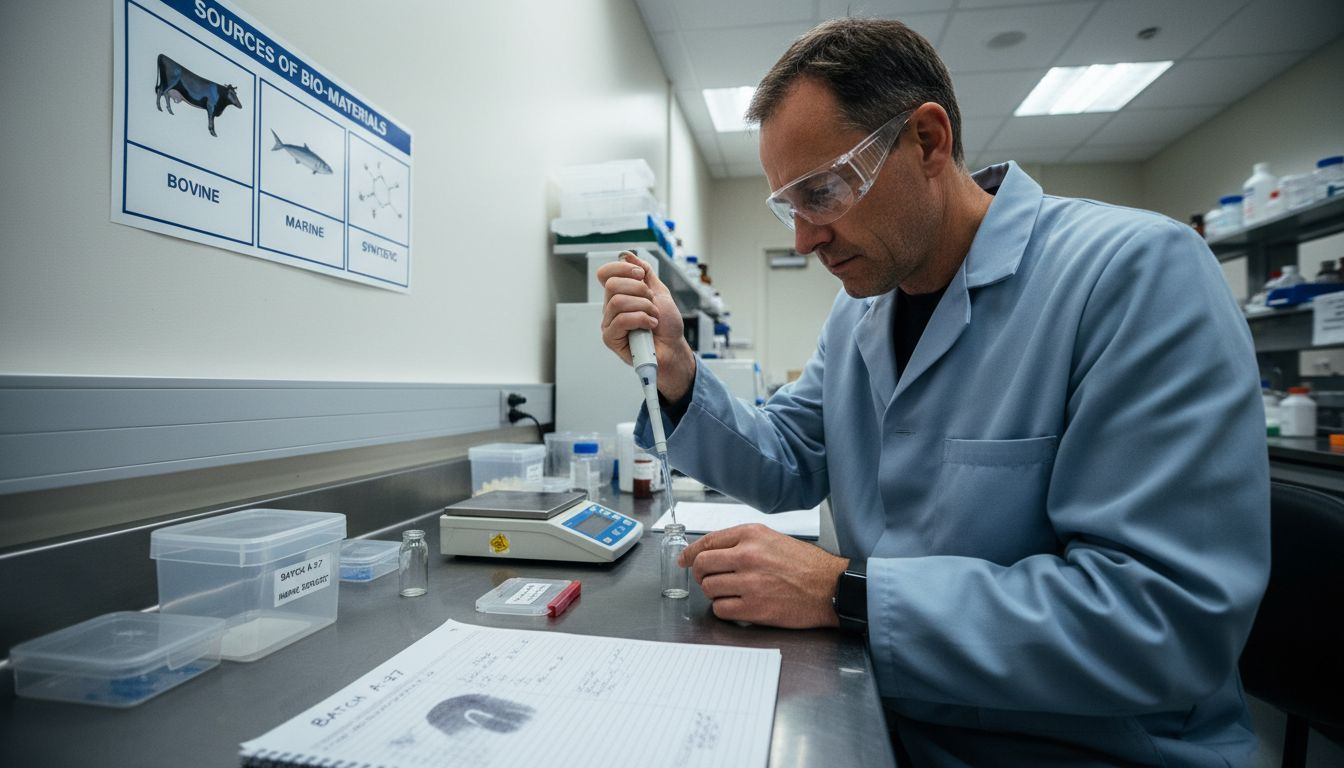
Here is a comparison of common collagen sources found in sugar-free supplements:
| Source Type | Typical Origin | Suitability | Purity Considerations |
|---|---|---|---|
| Bovine | Cow hide/bones | Widely used | Often well purified |
| Marine | Fish skin/scales | Good for pescatarians | May have lower allergen risk |
| Synthetic | Laboratory produced | Suitable for vegans | Purity depends on process |
Pro tip: When selecting a collagen supplement, prioritise products that clearly specify their collagen type and extraction method to ensure maximum nutritional effectiveness.
Key Benefits for Skin, Joints and Recovery
Collagen’s comprehensive health benefits extend far beyond simple protein supplementation, offering targeted support for multiple body systems. This remarkable protein plays a critical role in maintaining structural integrity, promoting cellular repair, and supporting overall physiological wellness across skin, joint, and muscle tissues.
Key benefits of sugar-free collagen supplementation include:
- Skin Rejuvenation: Reduces visible signs of aging
- Joint Mobility: Alleviates stiffness and supports cartilage health
- Muscle Recovery: Accelerates post-exercise tissue repair
- Hydration Support: Enhances skin moisture retention
- Structural Protein Restoration: Strengthens connective tissues
Structural protein supplementation demonstrates particular effectiveness for athletes and individuals experiencing age-related tissue degradation. By providing concentrated protein building blocks, sugar-free collagen supports the body’s natural regeneration processes without introducing unnecessary metabolic complications associated with sugar-laden alternatives.
The unique molecular structure of collagen enables profound physiological interactions, supporting everything from skin elasticity to joint flexibility. These sugar-free formulations represent an advanced nutritional approach, delivering concentrated protein benefits while maintaining metabolic efficiency and supporting comprehensive tissue health.
Pro tip: Consider timing your collagen intake around exercise or before bedtime to maximise absorption and support optimal tissue recovery.
How Sugar-Free Formulations Differ and Work
Advanced collagen processing techniques have revolutionised nutritional supplements, particularly for health-conscious consumers seeking targeted protein support without metabolic disruptions. Sugar-free collagen represents a sophisticated nutritional approach that eliminates unnecessary sugar components while preserving the protein’s intrinsic biological functionality.
Key distinguishing features of sugar-free collagen formulations include:
- Glycation Prevention: Minimises advanced glycation endproducts (AGEs)
- Metabolic Stability: Reduces blood sugar impact
- Pure Protein Concentration: Delivers concentrated collagen peptides
- Antioxidant Enhancement: Incorporates natural fruit and vegetable powders
- Functional Preservation: Maintains collagen’s structural integrity
Non-enzymatic glycation processes can significantly compromise protein effectiveness by binding sugar molecules to collagen structures, leading to tissue stiffening and reduced functionality. Sugar-free formulations strategically interrupt these metabolic interactions, ensuring that collagen remains bioactive and maintains its essential structural properties.

By carefully controlling sugar content and utilising advanced extraction methods, manufacturers can create collagen supplements that support tissue health without introducing metabolic complications. These formulations are particularly beneficial for individuals managing blood sugar levels, athletes seeking optimal recovery, and those prioritising comprehensive nutritional support.
Pro tip: Select sugar-free collagen supplements that transparently list their processing methods and include third-party testing certifications to ensure maximum nutritional quality.
Choosing Quality: Ingredients, Certifications and Safety
UK regulatory standards set rigorous guidelines for collagen supplement production, ensuring consumers receive safe, high-quality nutritional products. Understanding these standards is crucial for making informed choices about supplement quality and potential health benefits.
Key quality indicators for sugar-free collagen supplements include:
- Third-Party Certifications: Validates independent quality assessment
- Ingredient Sourcing: Confirms sustainable and ethical procurement
- Production Standards: Demonstrates adherence to safety protocols
- Microbiological Testing: Ensures product purity and contamination prevention
- Transparent Labelling: Provides comprehensive ingredient information
Responsible ingredient sourcing involves multiple verification processes, including sustainability certifications like Marine Stewardship Council (MSC) and British Retail Consortium (BRC) safety standards. These certifications guarantee that collagen supplements meet stringent quality control measures, protecting consumer health and product integrity.
Manufacturers committed to excellence implement comprehensive quality assurance frameworks, including HACCP (Hazard Analysis Critical Control Point) principles. These systematic approaches help identify and mitigate potential risks throughout the production process, ensuring that sugar-free collagen supplements deliver optimal nutritional value without compromising safety.
Pro tip: Always request detailed certification documentation from manufacturers and look for supplements with multiple independent quality verification marks.
Alternatives, Risks and Common Mistakes to Avoid
Common collagen supplementation mistakes can significantly undermine potential health benefits, making it crucial to understand potential pitfalls and alternative strategies for maintaining optimal protein and tissue support.
Key risks and alternatives to consider include:
- Allergic Reactions: Potential sensitivities from animal-derived sources
- Digestive Complications: Individual tolerance variations
- Bioavailability Challenges: Variations in protein absorption
- Nutrient Interactions: Importance of complementary vitamin intake
- Plant-Based Alternatives: Vegan collagen mimetic options
Nutrient alternatives for collagen synthesis provide strategic options for individuals seeking comprehensive tissue support. Complementary nutrients like vitamin C, zinc, and silica can stimulate natural collagen production, offering alternative approaches for those unable to tolerate traditional collagen supplements.
The following table summarises nutrient alternatives that support natural collagen synthesis:
| Nutrient | Role in Collagen Production | Common Dietary Source |
|---|---|---|
| Vitamin C | Stimulates natural synthesis | Citrus fruits, peppers |
| Zinc | Supports protein structure | Nuts, seeds, seafood |
| Silica | Aids tissue repair | Whole grains, leafy greens |
Navigating supplement selection requires understanding individual physiological needs and potential limitations. Careful assessment of personal health conditions, dietary restrictions, and specific wellness goals is essential when considering collagen or alternative nutritional strategies.
Pro tip: Consult a healthcare professional to personalise your collagen or nutrient supplementation strategy based on your unique metabolic profile and health objectives.
Unlock the Power of Sugar-Free Collagen for Lasting Beauty and Health
Struggling to find a collagen supplement that truly supports your skin, joints and muscle recovery without added sugars? The article highlighted how excess sugars can lead to glycation which compromises collagen’s natural benefits. Your goal is to avoid these metabolic drawbacks while enhancing tissue health with pure collagen peptides that maintain structural integrity and maximise absorption.
Discover the range of 20g Collagen Protein Supplements at KUDU Nutrition designed for health-conscious individuals seeking sugar-free, high-quality collagen. Each sachet delivers concentrated protein with superior bioactivity, certified by Informed Sport to ensure purity and performance support without unwanted additives.
Take control of your beauty and fitness journey with KUDU’s premium liquid collagen protein sachets. Act now to experience enhanced skin elasticity, joint comfort and faster recovery. Visit our product page to shop and explore how sugar-free collagen can transform your wellness routine. For complete nutritional transparency and trusted quality, explore KUDU Nutrition | 20g Collagen Protein for Performance & Recovery today.
Frequently Asked Questions
What is sugar-free collagen?
Sugar-free collagen is a specialised protein supplement that delivers the benefits of collagen without added sugars, minimising potential metabolic disruptions and supporting tissue health.
How does sugar-free collagen differ from regular collagen supplements?
Sugar-free collagen eliminates added sugars and glycation risks, preserving the protein’s natural structure and enhancing its bioactivity, making it a more refined option for health-conscious consumers.
What are the key benefits of sugar-free collagen for skin and joints?
Sugar-free collagen supports skin rejuvenation, improves joint mobility, accelerates muscle recovery, and enhances skin hydration, making it beneficial for overall tissue health.
Are there any risks or considerations when taking sugar-free collagen?
Potential risks include allergic reactions from animal-derived sources, digestive complications, and variations in bioavailability. It’s essential to assess individual health needs and consider alternatives, such as complementary nutrients that support natural collagen production.
Recommended
- 8 Best Collagen Products for Beauty – Expert Comparison 2025
- Premium Collagen: Impact on Beauty and Recovery
- How to Boost Beauty With Collagen for Radiant Skin Naturally
- Beauty Collagen: Impact on Skin, Joints and Recovery
- No Gaps Dental: Unlocking the Secrets to a Perfect Smile - Paynless Dental Clinic