


TL;DR:
- Sustainable supplement ingredients like microalgae, fermentation oils, and single-cell proteins offer high nutritional value with minimal environmental impact. Transparency through lifecycle assessments and third-party certifications is essential for verifying genuine sustainability, while eco-friendly packaging further reduces footprint. Most “green” claims fall short without detailed data, highlighting the importance of choosing brands committed to operational sustainability and innovation.
Sustainable supplement sources are defined as ingredients that deliver high nutritional value while minimising environmental impact through responsible cultivation, ethical sourcing, and low-resource processing. Microalgae such as Spirulina platensis, fermentation-derived algal oils, and single-cell proteins (SCPs) represent the most credible examples in 2026. Consumer interest in eco-friendly supplement options is rising sharply, driven by growing awareness that what you put in your body also affects the planet. This guide covers the best sources, what the science says, and how to tell genuine sustainability from marketing noise.
1. What are sustainable supplement sources?
Sustainable supplement sources are ingredients that provide dense nutrition without depleting land, water, or energy at scale. The industry term for this category is “low-impact functional ingredients,” and it covers everything from microalgae and fermentation proteins to plant-based extracts grown under certified organic conditions.
The key distinction is verifiability. A truly sustainable source comes with lifecycle assessment data, transparent cultivation methods, and traceable supply chains. Vague labels such as “natural” or “eco-friendly” without supporting data are not credible sustainability claims.
Three categories dominate the field right now: microalgae, fermentation-derived proteins and oils, and single-cell proteins. Each offers a distinct environmental profile and a different nutritional benefit, which is why understanding them separately matters for making informed choices.
2. Microalgae: the most nutrient-dense low-impact source
Microalgae, particularly Spirulina platensis, are the benchmark for sustainable supplement sources. Research from april 2026 confirms Spirulina’s exceptional nutrient density, including complete protein, polyunsaturated fatty acids, and antioxidants, alongside strong sustainability credentials rooted in minimal land and water use.
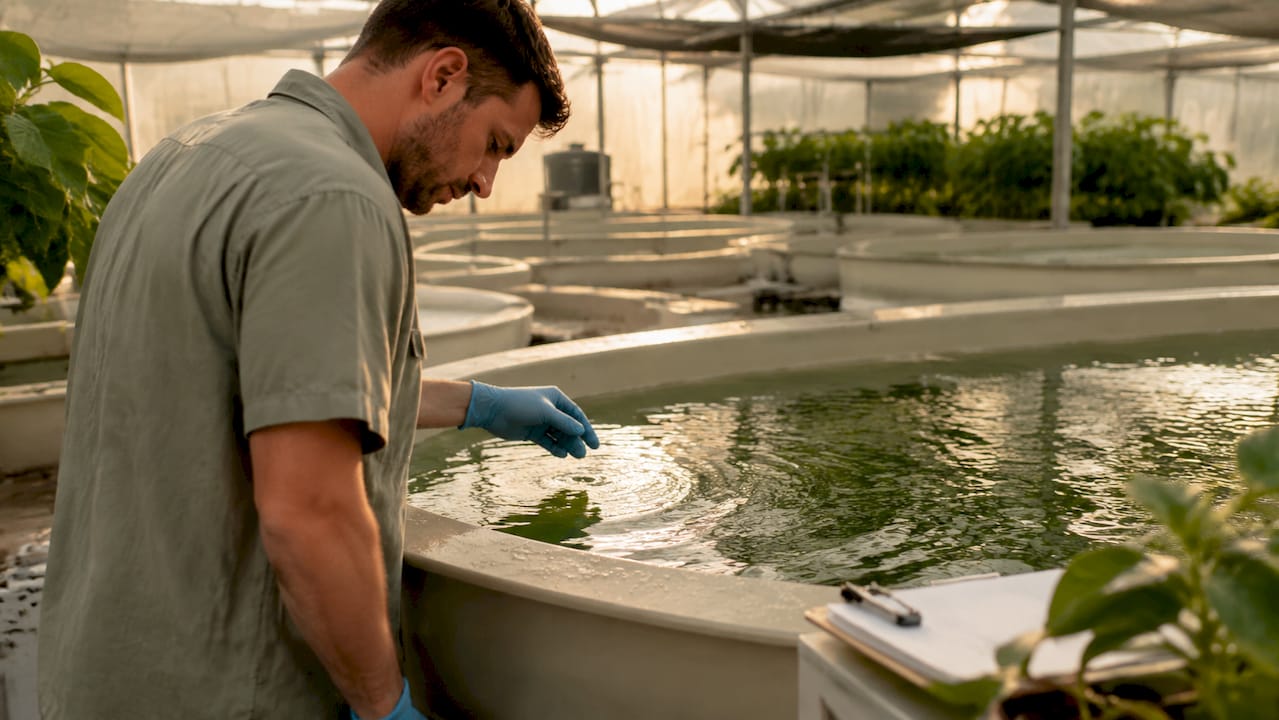
Spirulina grows in open raceways or closed photobioreactors. It requires no arable land, produces biomass far faster than any crop plant, and fixes carbon during growth. These properties make it one of the most resource-efficient protein sources available at commercial scale.
That said, lifecycle assessments reveal important trade-offs. Water footprint data shows microalgae cultivation uses 2,400–6,800 litres per kg of dry biomass, with over 60% of that figure tied to indirect energy and nutrient production rather than the bioreactor itself. Closed photobioreactors require continuous electricity, so the sustainability of the final product depends heavily on whether that electricity comes from renewable sources.
Key nutritional benefits of Spirulina:
- Complete protein profile with all essential amino acids
- Omega-3 fatty acids, including alpha-linolenic acid
- Phycocyanin, a potent antioxidant unique to blue-green algae
- Iron, B vitamins, and beta-carotene in bioavailable forms
Pro Tip: When buying Spirulina supplements, look for brands that disclose their cultivation energy source. A product grown in a photobioreactor powered by renewables has a genuinely lower carbon footprint than one that does not specify.
3. How fermentation technology is changing omega-3 production
Fermentation-derived algal oils represent the most significant advance in eco-friendly supplement options in 2026. Traditional fish oil relies on wild-caught anchovies and sardines, which carry real overfishing risks and supply chain volatility. Fermentation bypasses that entirely.
In april 2026, Fermentalg launched OMEGA ΩRIGINS™, a breakthrough EPA/DHA product derived entirely from microalgae via fermentation. The product achieves omega-3 concentrations of up to 60%, removing the need for secondary concentration steps that add cost, energy, and processing waste. That concentration level means smaller softgels and sachets deliver the same dose, which reduces packaging material per serving.
The microalgae strain Schizochytrium is central to this advance. Industrial cultivation research shows that lowering salinity from seawater levels to 5 ppt in fermenters boosts omega-3 lipid synthesis while also protecting equipment from corrosion. That single process refinement improves both yield and equipment longevity, reducing the resource cost per gram of omega-3 produced.
Why fermentation-derived omega-3 outperforms fish oil on sustainability:
- No dependence on wild fish stocks or ocean-based harvesting
- Controlled fermentation environments eliminate weather and seasonal variability
- Higher concentration formats reduce packaging and transport emissions per dose
- Vegan and vegetarian compatible, broadening consumer access
For anyone exploring supplement innovation in 2026, fermentation-derived algal oils are the clearest example of technology improving both nutritional quality and environmental performance simultaneously.
4. Single-cell proteins as plant-based supplement sources
Single-cell proteins (SCPs) are proteins derived from microorganisms including algae, yeast, and fungi, cultivated in controlled environments with minimal land and water inputs. Industry analysis confirms that SCPs are moving from niche research into mainstream supplement formulations, driven by their scalability and low agricultural footprint.
The environmental case for SCPs is straightforward. Livestock farming requires large areas of land, significant water, and produces substantial greenhouse gas emissions per gram of protein. SCPs grown in bioreactors sidestep all three pressures. Yeast-derived proteins, for example, can be cultivated on agricultural by-products, turning waste streams into nutrition.
Examples of SCPs used in supplements today:
- Chlorella vulgaris: a green microalga rich in chlorophyll, protein, and B12
- Saccharomyces cerevisiae (nutritional yeast): a complete protein source with B vitamins
- Fusarium venenatum: the fungal base of mycoprotein products, high in fibre and protein
- Torula yeast: used in flavouring and protein fortification
SCPs also align well with high-protein supplement applications for fitness and recovery, where protein density and digestibility matter as much as environmental credentials. The controlled cultivation of SCPs also means consistent quality batch to batch, which is a genuine advantage over crop-dependent plant proteins.
5. Sustainable packaging and its role in eco-friendly sourcing
Ingredient sustainability and packaging sustainability are inseparable. A product built on microalgae protein but shipped in single-use plastic packaging undermines its own environmental credentials. Packaging innovation data shows that several supplement brands have eliminated plastic neck bands and cotton fillers from supplement jars, saving tonnes of plastic and cotton waste annually.
The most credible eco-friendly supplement options now use glass containers, compostable pouches, or refillable formats. Glass is infinitely recyclable and does not leach chemicals into products. Compostable pouches made from plant-based films break down in industrial composting facilities, though they require proper disposal infrastructure to deliver their environmental benefit.
- Glass bottles with aluminium caps: fully recyclable, inert, and premium in feel
- Compostable pouches: lower transport weight than glass, suitable for powders and sachets
- Recycled HDPE plastic: not ideal but significantly better than virgin plastic when certified
- Refill systems: brands that sell concentrate refills for reusable bottles cut packaging waste by up to 80% per use cycle
Pro Tip: Check whether a brand’s packaging claims are backed by third-party certification such as the Soil Association or TÜV Austria’s OK Compost mark. Self-declared “compostable” claims without certification are unreliable.
6. How to evaluate truly sustainable supplement brands
Evaluating sustainable supplement brands requires looking past marketing language and into verifiable disclosures. Credible sustainability claims specify cultivation methods, energy sources, and water usage, with lifecycle assessments as the gold standard. A brand that cannot answer basic questions about where its ingredients are grown and how they are processed is not a credible sustainable option.
What to look for when assessing a brand:
- Published lifecycle assessment data or third-party environmental audit
- Named cultivation method (open raceway, closed photobioreactor, fermentation tank)
- Disclosed energy source for production facilities
- Certifications: Soil Association Organic, Informed Sport, B Corp, or equivalent
- Transparent ingredient sourcing with named suppliers or regions
The label itself tells you a great deal. Learning how to read supplement labels is one of the most practical skills for any health-conscious consumer. Ingredient lists, additive disclosures, and certification marks all signal whether a brand takes transparency seriously.
| Claim type | What it means | Credibility level |
|---|---|---|
| “Eco-friendly” with no detail | No verifiable basis | Low |
| Certified organic (Soil Association) | Third-party verified farming standards | High |
| Lifecycle assessment published | Full environmental cost quantified | Very high |
| “Sustainably sourced” with named supplier | Partial transparency | Medium |
| B Corp certified | Verified social and environmental standards | High |
For a deeper look at how leading brands communicate ingredient quality and sourcing, nutritional transparency in 2026 is worth reading alongside this guide.
Key takeaways
Sustainable supplement sources deliver the greatest environmental benefit when ingredient quality, cultivation method, and packaging are all verified through lifecycle assessments and third-party certification.
| Point | Details |
|---|---|
| Microalgae lead on sustainability | Spirulina and Schizochytrium offer high nutrient density with low land and water use. |
| Fermentation raises the bar for omega-3 | Fermentalg’s 60% concentration algal oil removes the need for fish-derived sources entirely. |
| SCPs scale without agriculture | Yeast, fungi, and algae proteins grow in bioreactors with minimal land and water inputs. |
| Packaging is part of the footprint | Glass, compostable materials, and refill systems reduce overall environmental impact per dose. |
| Vague claims are not enough | Lifecycle assessments and named certifications are the only credible sustainability evidence. |
Why I think most “green” supplements miss the point
The conversation around sustainable supplements tends to focus on ingredients, and that is understandable. Microalgae and fermentation proteins are genuinely exciting. But after years of watching this space, I think the bigger problem is that most brands treat sustainability as a marketing layer rather than an operational commitment.
I have seen products labelled as plant-based and eco-conscious that arrive in triple-wrapped plastic with no certification in sight. The ingredient might be Spirulina, but the supply chain, energy use, and packaging tell a different story. True sustainability is a systems question, not a single-ingredient decision.
What gives me genuine optimism is the 2026 fermentation wave. Fermentalg’s OMEGA ΩRIGINS™ launch is not a marketing story. It is a process engineering story. Achieving 60% omega-3 concentration through fermentation means fewer raw materials, less packaging, and a cleaner supply chain. That is the kind of structural improvement that actually moves the needle.
My advice is to stop rewarding vague claims with your money. Ask brands for their lifecycle assessment. Ask where their energy comes from. If they cannot answer, that tells you everything. The brands doing this properly are proud to share the data. The ones that are not tend to hide behind adjectives.
Support the innovators. Buy from brands that publish their numbers. That is how consumer demand shapes the next generation of genuinely sustainable nutrition.
— Sam
Kudunutrition’s collagen protein: quality you can verify
At Kudunutrition, ingredient transparency is not an afterthought. Every liquid collagen protein sachet is Informed Sport certified, meaning every batch is tested for banned substances and quality consistency. That level of third-party verification is exactly what distinguishes a credible supplement from a vague claim.
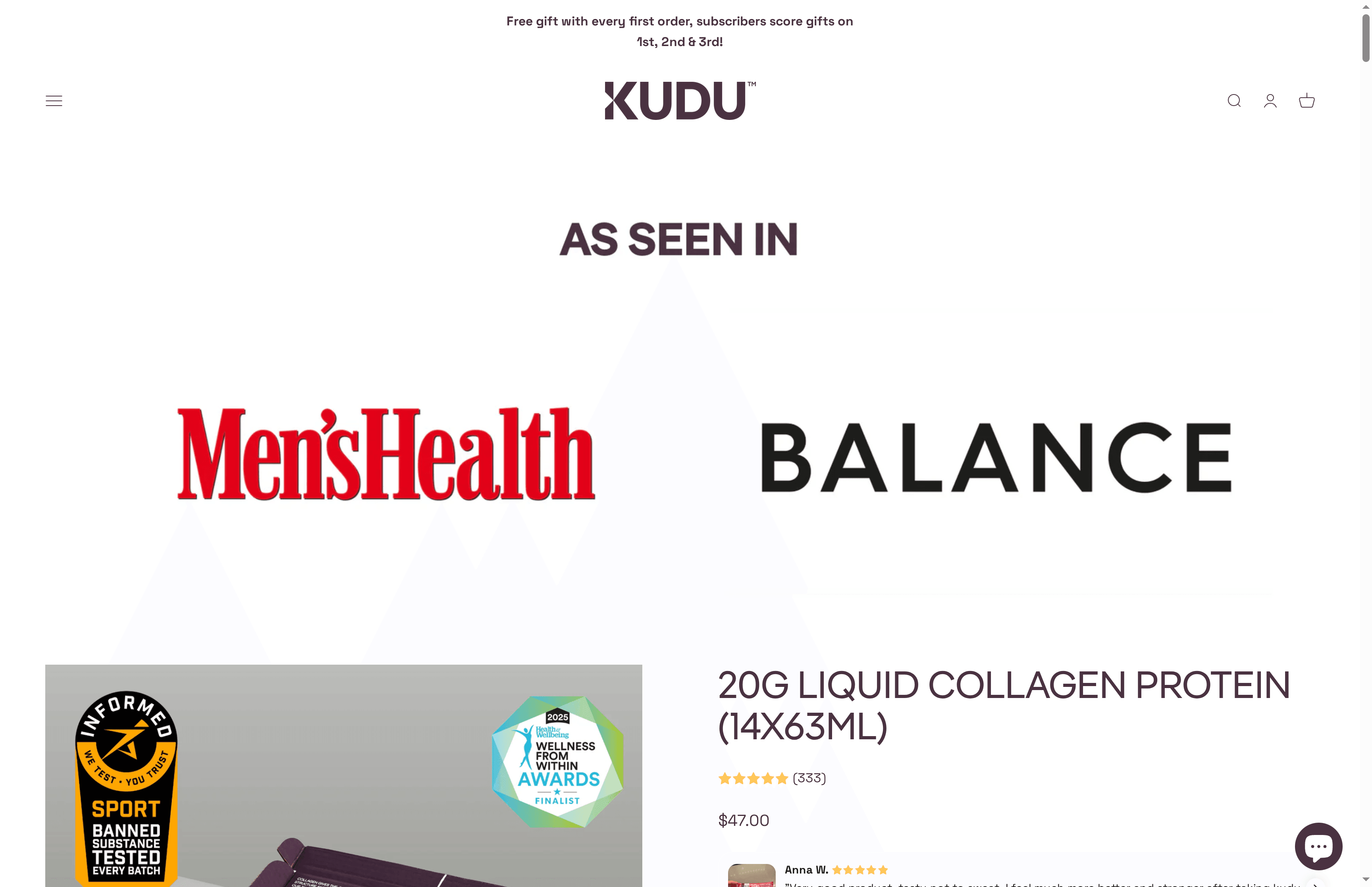
Kudunutrition’s collagen delivers 20g of high-quality collagen protein per sachet, supporting skin, joint, bone, and recovery goals with a format that is both convenient and traceable. If you are building a supplement routine around verified quality and transparent sourcing, the 20g collagen protein range is the natural starting point. For those wanting to try before committing, the collagen protein starter box offers a low-risk introduction to the full range.
FAQ
What are the most sustainable supplement sources in 2026?
Microalgae such as Spirulina, fermentation-derived algal oils, and single-cell proteins from yeast and fungi are the most credible sustainable supplement sources. They require minimal land and water compared to livestock or conventional crops.
Is Spirulina actually sustainable?
Spirulina is highly sustainable in terms of land and biomass yield, but its full environmental profile depends on the energy source used in cultivation. Photobioreactor-grown Spirulina powered by renewables has the lowest carbon footprint.
How do fermentation-derived omega-3 supplements compare to fish oil?
Fermentation-derived omega-3 from microalgae such as Schizochytrium delivers EPA and DHA at concentrations up to 60% without relying on wild fish stocks, making it more sustainable and suitable for vegans.
What certifications should I look for on sustainable supplements?
Look for Soil Association Organic, Informed Sport, B Corp, or published lifecycle assessments. These third-party verifications confirm that sustainability claims are backed by independent scrutiny rather than self-declaration.
Can packaging make a supplement less sustainable?
Yes. Removing plastic fillers and switching to glass or compostable materials significantly reduces a product’s overall environmental footprint, regardless of how sustainable the ingredient itself may be.