


Natural collagen production declines approximately 1% annually after age 25, affecting skin elasticity, joint mobility, and recovery capacity. This gradual loss manifests as wrinkles, stiffness, and slower healing, making collagen supplementation increasingly vital for maintaining youthful vitality and athletic performance. This guide provides expert-backed criteria, product comparisons, and actionable tips to help you confidently select the most effective collagen supplement aligned with your specific health and fitness goals.
Table of Contents
- How To Choose The Right Collagen Supplement: Selection Criteria
- Collagen Types And Their Specific Benefits Explained
- Ingredient Transparency And Certification In Uk Collagen Supplements
- Comparing Top Collagen Supplements In The Uk Market
- Form Factors And Usage: Choosing Powder, Liquid, Or Capsule Collagen
- Pricing, Accessibility, And Situational Recommendations
- Discover Your Ideal Collagen Supplement At Kudu Nutrition
Key Takeaways
| Point | Details |
|---|---|
| Target collagen types strategically | Match Type I for skin, Type II for joints, and Type III for connective tissue to your primary health goal. |
| Prioritize hydrolysed peptides | Smaller peptide chains deliver superior absorption and clinically proven efficacy compared to unprocessed collagen. |
| Demand transparency and certification | Look for GMP, Informed Sport, or BRCGS certification plus clear ingredient lists to ensure purity and potency. |
| Meet clinical dosage thresholds | Aim for 5-10g daily of hydrolysed collagen peptides to achieve measurable skin and joint health improvements. |
| Choose convenient form factors | Select powders for flexibility, liquids for rapid absorption, or capsules for portability based on your lifestyle. |
How to Choose the Right Collagen Supplement: Selection Criteria
Selecting the optimal collagen supplement starts with identifying your primary health objective. Whether you prioritize radiant skin, flexible joints, or faster recovery, each goal requires specific collagen types and formulations. Understanding these distinctions prevents wasted investment in products that cannot deliver your desired outcomes.
Hydrolysed collagen peptides offer the gold standard for bioavailability. Through enzymatic breakdown, manufacturers reduce collagen molecules into smaller peptides that your digestive system absorbs efficiently. Effectiveness depends on collagen type, hydrolysed peptide size, dosage, and added cofactors like Vitamin C, which supports collagen synthesis in your body.
Ingredient transparency separates trustworthy supplements from questionable products. Reputable brands provide complete ingredient lists, avoiding vague “proprietary blend” language that hides actual collagen content. Third-party certifications validate manufacturing standards and batch testing protocols, giving you confidence in product safety and label accuracy.
Clinically effective dosages typically range from 5-10 grams per day, supported by peer-reviewed research demonstrating measurable skin elasticity and joint mobility improvements. Products delivering less than this threshold may produce minimal noticeable results, regardless of marketing claims.
Pro tip: Combine collagen supplementation with Vitamin C-rich foods or supplements, as this vitamin acts as an essential cofactor in collagen synthesis, amplifying the effectiveness of your supplementation routine.
Synergistic ingredients enhance collagen benefits beyond the peptides alone:
- Vitamin C boosts natural collagen production and antioxidant protection
- Hyaluronic acid improves skin hydration and joint lubrication
- Biotin supports hair and nail strength alongside skin improvements
- MSM reduces joint inflammation and accelerates recovery
Form factor impacts daily compliance and convenience. Powders dissolve easily in beverages and smoothies, offering dosing flexibility. Liquid formats provide pre-measured servings with rapid absorption. Capsules suit travel and busy schedules but may require multiple pills to reach clinical dosages.
Understanding collagen supplement terminology empowers you to decode labels accurately, distinguishing marketing hype from genuine quality indicators that predict real-world results.
Collagen Types and Their Specific Benefits Explained
Type I collagen comprises approximately 90% of your skin’s structural protein, making it the primary target for anti-aging and beauty supplementation. This collagen type strengthens skin, hair, nails, and bones, delivering visible improvements in texture and resilience. Marine collagen sources naturally contain high Type I concentrations, explaining their popularity in beauty-focused formulations.

Type II collagen predominantly supports cartilage structure and joint health. Found abundantly in chicken sternum and other cartilage-rich sources, this type reduces joint pain and improves mobility in clinical trials. Athletes and individuals with osteoarthritis particularly benefit from Type II supplementation targeting joint comfort and flexibility.
Type III collagen strengthens connective tissues, blood vessels, and internal organs. This type typically appears alongside Type I in supplements, supporting skin elasticity while reinforcing vascular health and tissue repair. Combined Type I and III formulations offer comprehensive beauty and recovery benefits.
Collagen decline begins earlier than most people realize. Natural collagen production declines by around 1% per year after age 25, contributing to visible wrinkles, joint stiffness, and slower wound healing. This steady degradation accelerates after age 40, making proactive supplementation increasingly valuable for maintaining youthful function.
Clinical research validates collagen supplementation efficacy:
- 8-week studies show 7-12% improvements in skin elasticity with 5-10g daily intake
- Joint pain scores decrease by 20-40% in arthritis patients taking Type II collagen
- Hair thickness and nail strength improve within 12 weeks of consistent Type I supplementation
- Bone mineral density benefits emerge after 6-12 months of regular collagen intake
Understanding collagen types and their distinct benefits helps you target supplementation precisely to your health priorities, avoiding one-size-fits-all products that dilute effectiveness across too many goals.
The biochemical pathway matters as much as the source. Your body must break down ingested collagen into amino acids and peptides, then reassemble them where needed. Hydrolysed peptides bypass much of this digestive burden, delivering building blocks directly to target tissues with minimal metabolic processing required.
Ingredient Transparency and Certification in UK Collagen Supplements
Certificates of Analysis demonstrate that manufacturers test each production batch for potency, purity, and contaminant levels. Reputable UK brands readily provide COAs upon request, showing exact collagen peptide content per serving alongside microbiological safety data. This transparency protects you from underdosed or contaminated products that plague unregulated supplement markets.
Filler ingredients dilute active collagen content while increasing profit margins for manufacturers. Common fillers include maltodextrin, artificial flavors, and excessive sweeteners that add bulk without health benefits. Reading ingredient lists carefully helps you identify products maximizing collagen concentration per serving, delivering better value and results.
Trusted certifications provide independent quality verification:
- GMP (Good Manufacturing Practice) ensures consistent production standards and facility cleanliness
- BRCGS validates comprehensive food safety management systems
- Informed Sport tests every batch for banned substances, crucial for competitive athletes
- ISO certifications demonstrate quality management system adherence
Transparent labeling builds consumer confidence by clearly stating collagen source, peptide size, processing method, and exact dosage per serving. Vague marketing language or missing technical details often signal lower quality products attempting to obscure formulation weaknesses.
Pro tip: Contact manufacturers directly to request third-party test results and sourcing information. Companies confident in their quality eagerly share this data, while evasive responses indicate potential transparency issues worth avoiding.
Third-party testing reduces contamination and mislabeling risks significantly. Independent laboratories verify label claims match actual contents, catching discrepancies before products reach consumers. This oversight proves particularly vital given supplement industry self-regulation loopholes.
Understanding ingredient transparency requirements and collagen certification standards protects your health investment, ensuring every pound spent delivers genuine therapeutic value rather than marketing illusions.
Comparing Top Collagen Supplements in the UK Market
The UK collagen market offers diverse options spanning budget to premium categories, each targeting specific health outcomes with varying ingredient profiles and certification levels. Understanding these distinctions enables informed purchasing aligned with your priorities and budget constraints.
| Product | Collagen Type | Daily Dose | Key Ingredients | Price Range | Best For |
|---|---|---|---|---|---|
| Ancient & Brave True Collagen | I & III | 6.6g | Vitamin C, Hyaluronic Acid | £35-45 | All-round beauty and recovery |
| Vida Glow Marine Collagen | I | 5g | Marine peptides only | £45-55 | Skin, hair, nails focus |
| Pura Collagen Flex+ | II | 10g | MSM, Glucosamine, Vitamin D | £50-65 | Joint health and mobility |
Ancient & Brave True Collagen combines bovine Types I and III with beauty-enhancing cofactors, delivering comprehensive skin, hair, and connective tissue support. The powder format mixes easily into beverages, though some users report a mild taste requiring flavor masking.
Vida Glow Marine Collagen focuses exclusively on Type I peptides sourced from wild-caught fish. Marine collagen supplements rich in Type I peptides show superior skin hydration and elasticity improvements compared to other sources, making this premium option ideal for those prioritizing visible anti-aging results.
Pura Collagen Flex+ targets joint health specifically with Type II collagen plus synergistic ingredients like MSM and glucosamine. Athletes and older adults with joint discomfort benefit most from this specialized formulation, though the higher price reflects its targeted therapeutic approach.
Additional considerations when comparing products:
- Sachet formats offer precise dosing and portability versus bulk powder economy
- Flavored varieties improve compliance but may contain unnecessary additives
- Subscription models reduce per-serving costs by 10-20% for long-term users
- Bundle deals combining collagen with complementary supplements maximize value
Understanding beauty collagen benefits and comparing marine versus bovine sources reveals why price differences exist and which premium features justify higher investment for your specific goals.
Form Factors and Usage: Choosing Powder, Liquid, or Capsule Collagen
Powder supplements typically deliver 5-20 grams of collagen peptides per serving, offering the highest concentration and dosing flexibility. You can adjust quantities precisely to meet clinical thresholds or personal preferences. Powders dissolve in hot or cold liquids, smoothies, and recipes, integrating seamlessly into existing routines.
Liquid collagen arrives pre-dissolved in ready-to-drink formats or gel sachets, providing rapid absorption and eliminating mixing requirements. These convenient options suit busy lifestyles and travel situations, though they often cost more per gram of collagen than powder equivalents. Taste varies significantly between brands, influencing long-term compliance.
Capsules offer ultimate portability and eliminate taste concerns entirely. However, physical capsule size limits collagen content to 500-1000mg per pill, requiring multiple capsules to reach effective 5-10g daily dosages. This inconvenience deters some users despite the format’s travel advantages.
Mixability affects powder supplements significantly:
- Hydrolysed peptides dissolve completely without clumping or residue
- Poorly processed collagen creates grainy textures and unpleasant mouthfeel
- Neutral-tasting formulations blend invisibly into existing beverages
- Flavored varieties mask collagen taste but may contain unwanted sweeteners
Form factor influences compliance directly. Products you actually consume daily deliver results, while inconvenient formats languish unused despite superior formulation quality. Match supplement form to your genuine lifestyle patterns rather than aspirational habits.
Bioavailability differences between forms remain minimal when using properly hydrolysed peptides. Absorption depends more on peptide size and processing quality than delivery format. Choose based on convenience and preference rather than absorption mythology.
Pricing, Accessibility, and Situational Recommendations
UK collagen supplement prices span from approximately £6.49 for basic capsule products to £77 for premium marine collagen month supplies. This wide range reflects formulation complexity, sourcing quality, certification levels, and brand positioning rather than efficacy alone.
Vida Glow Marine Collagen suits individuals prioritizing visible skin improvements, with its pure Type I peptide formula targeting beauty outcomes specifically. The premium price reflects wild-caught marine sourcing and rigorous purity testing, justified for those seeking maximum anti-aging results.
Pura Collagen Flex+ serves athletes and active individuals managing joint stress, combining Type II collagen with clinically proven joint support compounds. The specialized formulation commands higher pricing but delivers targeted relief that generic products cannot match.
Ancient & Brave True Collagen provides an effective all-rounder balancing beauty and recovery benefits at mid-market pricing. The Types I and III combination supports multiple health goals simultaneously, offering practical versatility for users with diverse wellness priorities.
Price considerations when selecting supplements:
- Higher costs often correlate with certifications, testing, and quality sourcing
- Bulk purchasing and subscriptions reduce per-serving expenses significantly
- Generic brands may underdeliver on actual collagen content despite low prices
- Premium positioning sometimes reflects marketing rather than formulation superiority
Purchase collagen supplements from reputable UK retailers, official brand websites, or established online health stores to avoid counterfeit products. Amazon and high-street chemists stock popular brands, though direct manufacturer purchases often provide better educational resources and customer support.
Understanding collagen’s role in recovery, beauty applications, and fundamental importance helps you evaluate whether premium pricing delivers proportional value for your specific health investment.
Discover Your Ideal Collagen Supplement at KUDU Nutrition
Ready to experience the benefits of high-quality collagen supplementation? KUDU Nutrition offers 20g collagen protein supplements in convenient gel sachets, delivering clinical-strength dosages in portable, great-tasting formats that fit seamlessly into your daily routine.
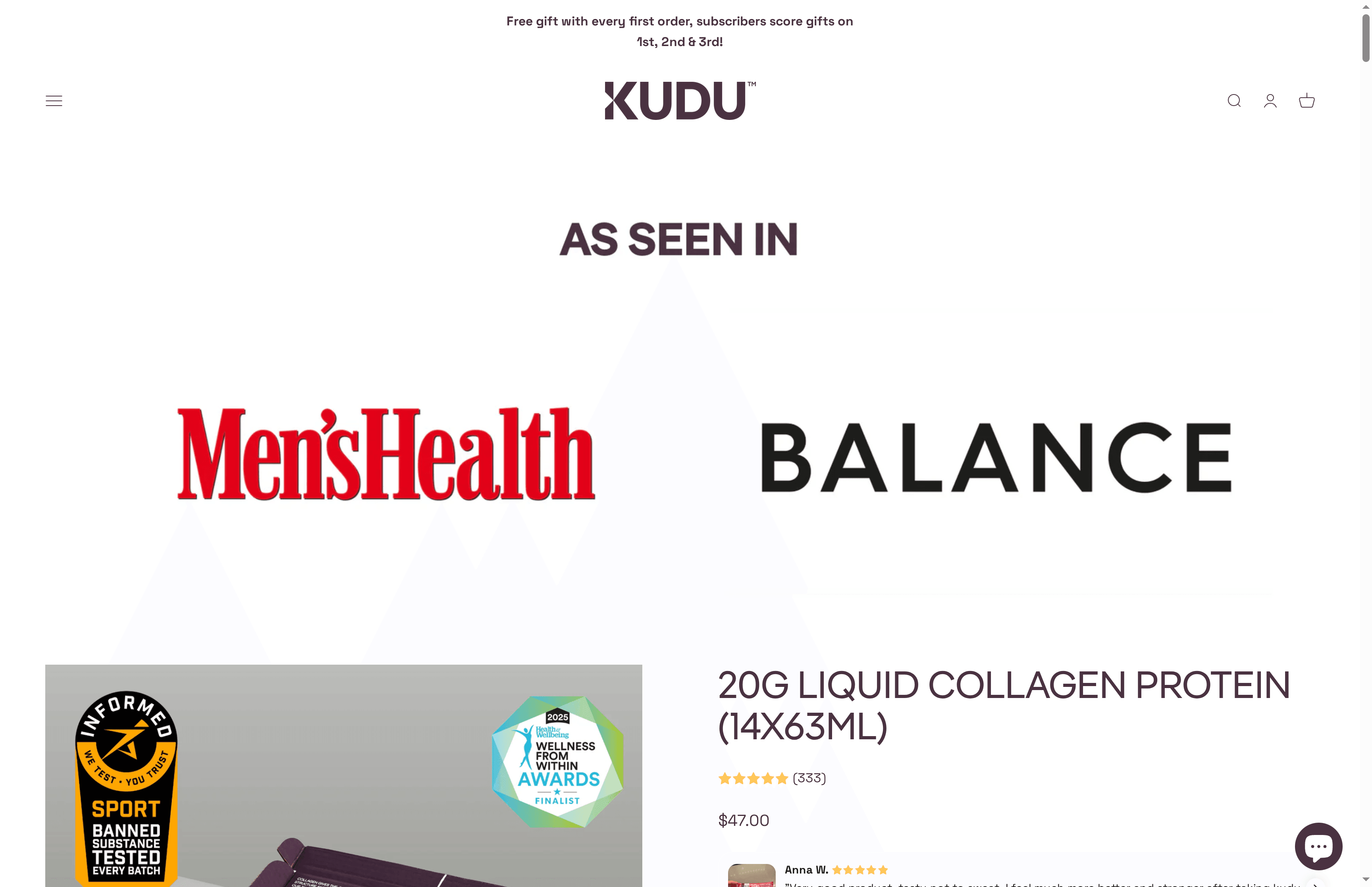
Every KUDU product undergoes rigorous third-party testing and carries Informed Sport certification, ensuring complete safety for competitive athletes while guaranteeing purity for all health-conscious consumers. Learn more about our commitment to quality in our Informed Sport collagen safety guide.
Explore our comprehensive collagen supplement buyer’s guide for detailed product comparisons, usage recommendations, and expert insights that transform your understanding of collagen supplementation from confusing to confident.
FAQ
What is the best type of collagen supplement for skin improvement?
Type I collagen, particularly from marine sources, optimally supports skin elasticity and hydration when combined with Vitamin C. Clinical studies demonstrate visible improvements within 8 weeks at 5-10g daily dosages. Products like Vida Glow exemplify this targeted approach, delivering concentrated Type I peptides that your skin readily absorbs and utilizes for structural repair. Learn more about Type I collagen benefits and how they specifically target beauty outcomes.
How important is ingredient transparency when selecting collagen supplements?
Transparency proves critical for verifying no fillers or contaminants dilute your collagen intake while ensuring clinical dosages are accurately met. Certifications like GMP and Informed Sport provide independent verification through batch testing, building trust that label claims match actual contents. Without transparency, you risk investing in underdosed or impure products that cannot deliver promised results. Understanding ingredient transparency requirements protects your health investment.
Can I get effective collagen supplementation in capsule form compared to powders?
Capsules offer convenience but typically limit dosage to 500-1000mg per pill, requiring 5-10 capsules daily to reach clinically effective thresholds. Powders allow flexible dosing from 5-20g per serving, making clinical targets easier to achieve. Choose capsules if portability outweighs dosage limitations for your lifestyle, but recognize that powder formats deliver superior concentration and cost efficiency.
What dosage of collagen is clinically recommended for joint and skin health?
Clinical studies consistently recommend 5-10 grams of hydrolysed collagen peptides daily for measurable improvements in joint mobility and skin elasticity. Lower dosages produce minimal noticeable effects, while amounts above 10g show diminishing returns. Consistency matters more than single-dose quantity, as collagen benefits accumulate over 8-12 weeks of regular supplementation at clinical thresholds.