


Beauty supplements aren’t just another wellness trend. Despite scepticism, these nutritional products offer scientifically backed support for skin, hair, and nail health from within. While they won’t replace a balanced diet or proper skincare, evidence shows that targeted ingredients like collagen, biotin, and antioxidants can genuinely enhance your physical appearance when used correctly. This guide explains what beauty supplements are, which ingredients matter most, how they work in your body, and how to use them safely and effectively for visible results.
Table of Contents
- Key takeaways
- What are beauty supplements and their main ingredients
- How beauty supplements work: mechanisms and scientific evidence
- Nuances, risks, and expert advice on beauty supplements
- How to choose and use beauty supplements effectively
- Discover KUDU Nutrition’s collagen supplements
- Frequently asked questions
Key Takeaways
| Point | Details |
|---|---|
| Common ingredients | Beauty supplements use collagen, biotin, hyaluronic acid and antioxidants to support appearance from within. |
| How they work | Collagen peptides provide amino acids to skin cells and, together with vitamin C, support collagen synthesis to improve density and elasticity. |
| Bioavailability matters | Hydrolysed collagen is better absorbed, and active vitamin forms have superior bioavailability. |
| Safety guidance | Consult professionals before use, particularly if pregnant or taking medications. |
| Not a replacement | Beauty supplements should complement a balanced diet and skincare, not replace them. |
What are beauty supplements and their main ingredients
Beauty supplements are dietary products designed to enhance physical appearance through internal nutritional support. Unlike topical skincare that works externally, these supplements deliver nutrients systemically to support the biological processes that maintain healthy skin, hair, and nails. They bridge nutritional gaps that diet alone might not address, particularly for people with specific deficiencies or age-related changes.
The effectiveness of beauty supplements depends entirely on their active ingredients. Common ingredients include collagen, biotin, hyaluronic acid, vitamins A, C, E, CoQ10, zinc, selenium, and botanicals like green tea extract. Each ingredient targets specific aspects of appearance and wellness.
Key ingredients and their primary functions include:
- Collagen peptides provide amino acids that support dermal density, elasticity, and hydration
- Biotin strengthens keratin infrastructure in hair and nails, promoting growth and reducing brittleness
- Hyaluronic acid helps maintain skin moisture retention and plumpness
- Vitamin C acts as an essential cofactor for collagen synthesis and offers antioxidant protection
- Vitamin E protects cell membranes from oxidative damage caused by UV exposure and pollution
- Zinc supports wound healing, protein synthesis, and maintains skin barrier function
- Selenium works synergistically with vitamin E to neutralise free radicals
- Botanical extracts like green tea polyphenols provide additional antioxidant and anti-inflammatory benefits
The form of these ingredients matters significantly for absorption and effectiveness. Hydrolysed collagen, for example, breaks down proteins into smaller peptides that your body absorbs more readily than intact collagen molecules. Similarly, certain vitamin forms demonstrate superior bioavailability compared to others. Understanding collagen types benefits helps you select products that deliver genuine results rather than marketing promises.
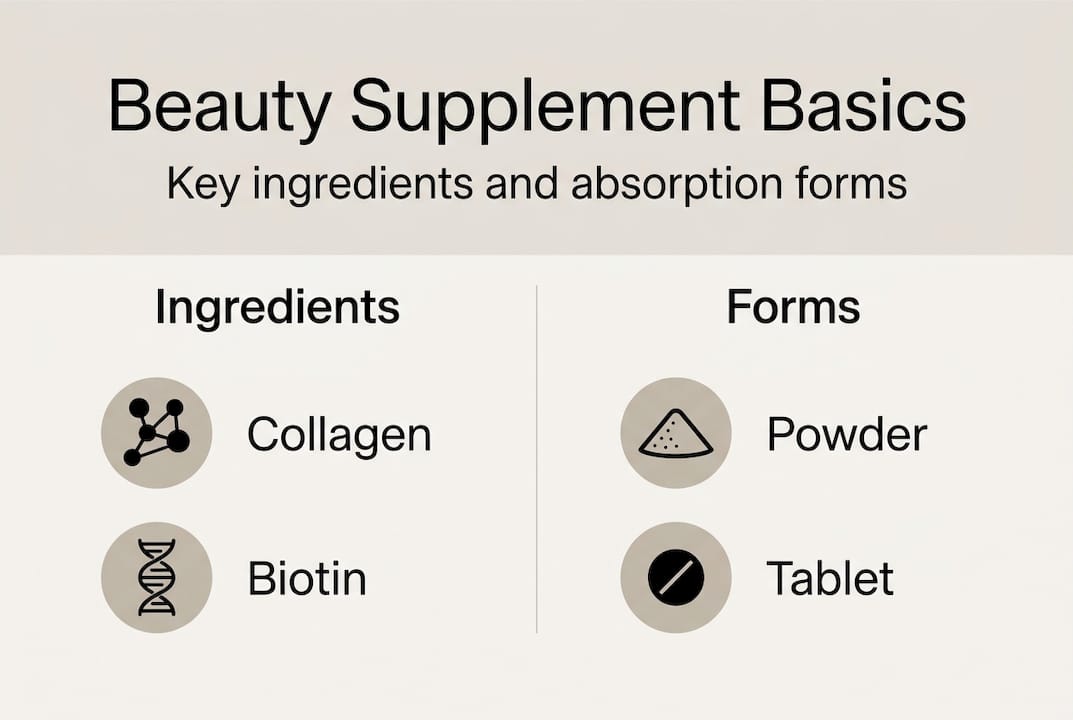
Quality supplements typically combine multiple ingredients that work synergistically. A well-formulated product might pair collagen peptides with vitamin C to optimise collagen production, or combine biotin with zinc to support keratin formation comprehensively. This multi-ingredient approach addresses beauty and wellness from multiple biological pathways simultaneously.
How beauty supplements work: mechanisms and scientific evidence
Beauty supplements influence appearance through specific biological mechanisms rather than superficial effects. When you consume collagen peptides, your digestive system breaks them into amino acids and small peptides that enter your bloodstream. These building blocks then travel to dermal fibroblasts, the cells responsible for producing new collagen and elastin fibres in your skin. This process increases dermal density and improves structural support, reducing the appearance of fine lines and enhancing firmness.

Collagen peptides provide amino acids for dermal density and elasticity, whilst biotin aids keratin production in hair and nails. Vitamin C functions as an essential cofactor for collagen synthesis, converting proline into hydroxyproline, a modified amino acid critical for collagen stability. Without adequate vitamin C, your body cannot produce functional collagen regardless of how much protein you consume. Antioxidants like vitamins E and C reduce oxidative stress from UV radiation and environmental pollutants, protecting existing collagen and elastin from degradation.
Clinical research demonstrates measurable benefits from properly formulated beauty supplements. RCTs show oral collagen improves skin elasticity and hydration by 31%, reduces wrinkle depth, and enhances dermal density. Multi-ingredient formulations boost nail growth by 40% and increase hair density in individuals with thinning hair. These aren’t subjective improvements but quantifiable changes measured through clinical assessments and instrumental analysis.
| Ingredient | Primary Mechanism | Clinical Benefit |
|---|---|---|
| Collagen peptides | Stimulates fibroblast activity and provides amino acids for collagen synthesis | 31% improvement in skin elasticity and hydration; reduced wrinkle depth |
| Biotin | Supports keratin production and strengthens protein structure | 40% increase in nail growth rate; reduced hair brittleness |
| Vitamin C | Essential cofactor for collagen hydroxylation; antioxidant protection | Enhanced collagen synthesis; reduced oxidative damage |
| Hyaluronic acid | Maintains moisture retention in dermis | Improved skin hydration and plumpness |
| Antioxidants (vitamins E, selenium) | Neutralises free radicals; protects structural proteins | Reduced photoageing; maintained skin barrier function |
The relationship between nutrition and collagen skin health extends beyond single nutrients. Your body requires a complete nutritional environment to synthesise and maintain structural proteins effectively. Collagen production depends on adequate copper for lysyl oxidase activity, sufficient iron for prolyl hydroxylase function, and various B vitamins for cellular metabolism.
Pro Tip: Choose hydrolysed collagen supplements with peptides under 5,000 Daltons for optimal absorption. Consistency matters more than dosage spikes, so take your supplements daily for at least 8-12 weeks before evaluating effectiveness. The role of vitamin C collagen synthesis means pairing collagen with vitamin C-rich foods or supplements maximises your results.
Timing and dosage influence outcomes significantly. Studies showing positive results typically used 5-10 grams of collagen peptides daily, taken consistently over 8-12 weeks. Benefits accumulate gradually as your body incorporates new structural proteins into tissues. You won’t see overnight transformation, but patient, consistent supplementation produces measurable improvements that become visible over time.
Nuances, risks, and expert advice on beauty supplements
Beauty supplements work best as part of a comprehensive approach to appearance and wellness, not as standalone solutions. They cannot compensate for poor nutrition, inadequate sleep, excessive sun exposure, or neglected skincare. Supplements complement diet and skincare and prove most beneficial for addressing specific nutritional deficiencies or age-related changes in collagen production. Think of them as targeted nutritional support rather than miracle workers.
The evidence base varies considerably across different ingredients and formulations. Whilst hydrolysed collagen peptides and biotin demonstrate robust clinical support, other popular ingredients show inconsistent or preliminary evidence. Astaxanthin, for example, shows promise in small studies but lacks the extensive clinical validation of collagen. Oral hyaluronic acid demonstrates mixed results, with some studies showing benefits whilst others find minimal effects compared to placebo.
Several important precautions deserve attention:
- High-dose biotin supplements can interfere with laboratory tests, particularly thyroid function and cardiac troponin assays, leading to false results
- Some herbal and bodybuilding supplements carry hepatotoxicity risks, especially products with inadequate quality control
- Pregnancy and breastfeeding require medical consultation before starting any supplement regimen
- Interactions with medications, particularly blood thinners and immunosuppressants, necessitate professional guidance
- Allergies to marine or bovine sources require careful ingredient screening
Results require patience and realistic expectations. Visible improvements typically emerge after 8-12 weeks of consistent daily intake, as your body gradually incorporates new structural proteins into tissues. Some people respond more dramatically than others based on baseline nutritional status, age, genetics, and lifestyle factors. Someone with severe vitamin C deficiency will see more pronounced improvements than someone with optimal nutrition.
“Whilst beauty supplements offer genuine benefits backed by clinical evidence, they should never replace fundamental health practices. Consult healthcare professionals before beginning supplementation, particularly if you have existing medical conditions, take medications, or are pregnant. The most effective approach combines targeted supplementation with balanced nutrition, proper skincare, sun protection, adequate sleep, and stress management.”
The marketing hype surrounding beauty supplements often exceeds the scientific evidence, particularly for proprietary blends and exotic ingredients. Focus on well-researched ingredients with transparent dosing rather than products making extraordinary claims. Third-party testing for purity and potency provides additional assurance that you’re getting what the label promises. Understanding collagen anti-ageing benefits helps separate evidence-based expectations from marketing exaggeration.
Quality matters enormously in supplement selection. Products from reputable manufacturers with third-party testing demonstrate more consistent results than bargain alternatives with questionable sourcing and manufacturing practices. Contamination, inaccurate dosing, and poor bioavailability plague low-quality supplements, wasting your money and potentially compromising safety.
How to choose and use beauty supplements effectively
Selecting effective beauty supplements requires evaluating evidence, quality, and compatibility with your individual needs. Prioritise evidence-based ingredients like hydrolysed collagen at 5-10g daily and vitamin C, which demonstrate robust clinical support. Third-party tested products ensure you receive accurate dosing without contaminants. Combine supplementation with sun protection, balanced nutrition, and adequate sleep for optimal synergy. Consult medical professionals regarding laboratory tests and medication interactions before beginning supplementation.
Follow these steps to evaluate and implement beauty supplement use effectively:
- Assess your specific needs based on current diet, lifestyle, and appearance concerns rather than following trends blindly
- Research ingredient evidence by reviewing clinical studies and expert recommendations for your target outcomes
- Select products with transparent labelling showing specific ingredient forms, dosages, and third-party quality certifications
- Start with single-ingredient supplements to identify individual responses before trying complex multi-ingredient formulas
- Monitor results objectively through photographs and measurements over 8-12 weeks rather than relying on subjective impressions
Timing and combination strategies influence absorption and effectiveness. Take collagen supplements on an empty stomach or with vitamin C to optimise absorption. Fat-soluble vitamins like A and E require dietary fat for proper absorption, so consume them with meals containing healthy fats. Avoid taking calcium supplements simultaneously with iron, as they compete for absorption.
Integrating supplements into your existing routine requires consistency and patience. Set a daily reminder to take supplements at the same time each day, building the habit into your morning or evening routine. Keep supplements visible rather than hidden in cupboards to reduce the likelihood of forgetting doses. Track your intake using a simple checklist or mobile app to maintain consistency.
Lifestyle factors amplify or diminish supplement effectiveness significantly. Adequate hydration supports nutrient transport and cellular function throughout your body. Quality sleep enables tissue repair and regeneration processes that utilise the nutrients you provide through supplementation. Stress management prevents cortisol-driven collagen breakdown that counteracts supplementation benefits. Sun protection preserves existing collagen and prevents oxidative damage that supplements help repair.
Pro Tip: Monitor for expected results after 8-12 weeks of consistent supplementation before concluding effectiveness. If you see no improvements after three months of proper use, reassess your product choice, dosage, or consider whether other factors like inadequate sleep or excessive sun exposure might be limiting results. Review the collagen intake guide for detailed timing and dosage recommendations.
Cost effectiveness deserves consideration when selecting supplements for long-term use. Calculate the per-serving cost of active ingredients rather than comparing package prices. A seemingly expensive product with optimal dosing and bioavailability often delivers better value than cheap alternatives requiring higher doses or showing poor absorption. Invest in quality products that deliver measurable results rather than wasting money on ineffective bargains.
Discover KUDU Nutrition’s collagen supplements
Your journey towards enhanced skin, hair, and nail health deserves products backed by science and formulated for results. KUDU Nutrition offers premium hydrolysed collagen supplements designed for health-conscious individuals seeking genuine beauty and wellness benefits. Each serving delivers clinically relevant doses aligned with research demonstrating improvements in skin elasticity, hydration, and joint comfort.
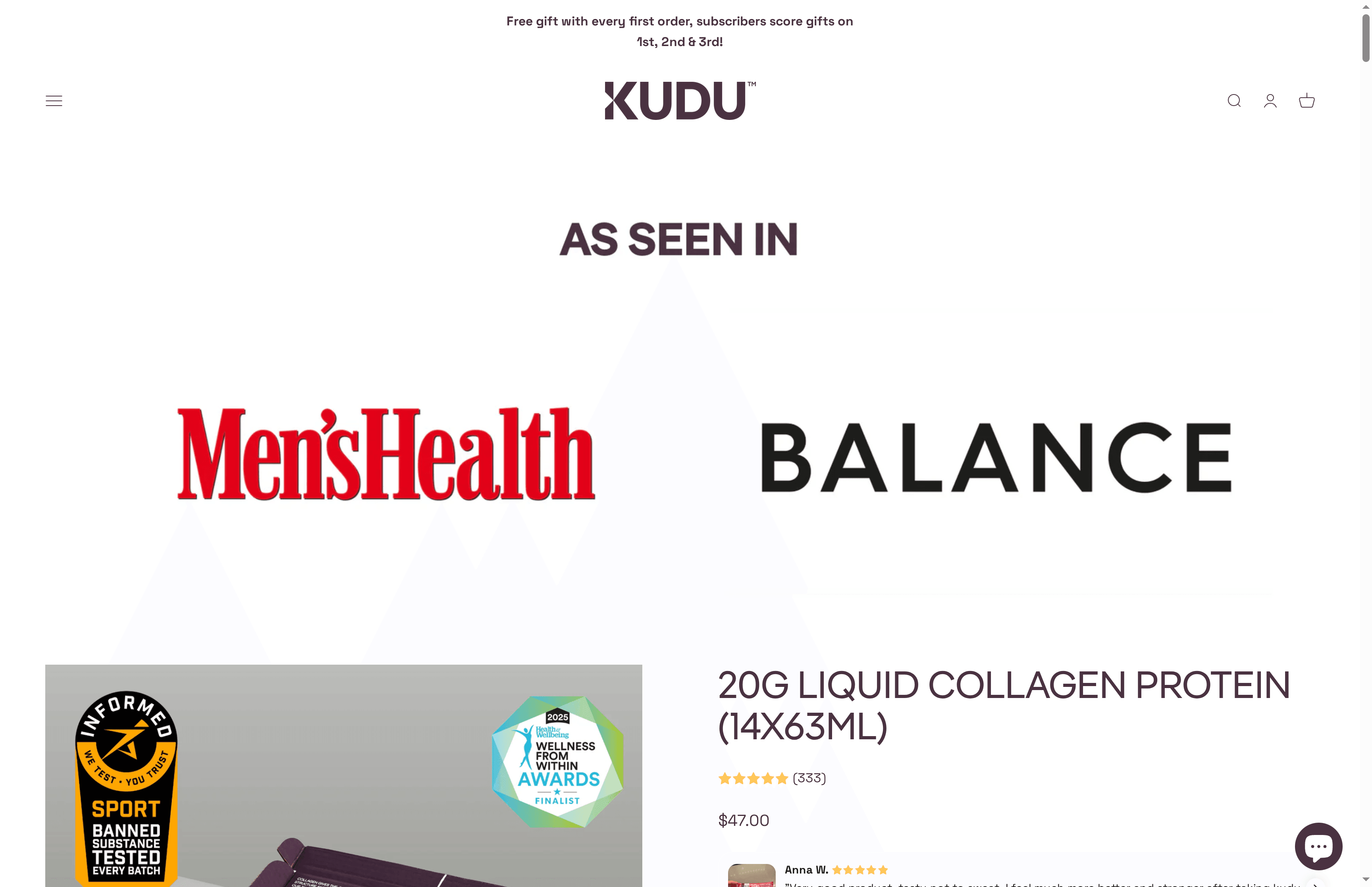
Our 20g collagen protein supplements provide convenient liquid gels that taste delicious whilst delivering the amino acids your body needs for collagen synthesis. The hydrolysed collagen peptides ensure optimal absorption, whilst the portable format fits seamlessly into busy lifestyles. Whether you’re at home, travelling, or at the gym, maintaining your beauty supplementation routine stays effortless.
Start your collagen journey with our 20g liquid collagen protein 14 pack, perfect for experiencing the benefits before committing to larger quantities. Discover how targeted nutrition supports your appearance goals whilst complementing your existing skincare and wellness routines. Learn more about collagen and beauty to understand why thousands of customers trust KUDU Nutrition for their supplementation needs.
Frequently asked questions
What exactly are beauty supplements?
Beauty supplements are nutritional products containing vitamins, minerals, proteins, and botanical extracts designed to enhance physical appearance from within. Unlike topical skincare, these supplements work systemically by providing nutrients that support skin structure, hair growth, and nail strength through internal biological processes.
Which ingredients should I look for in beauty supplements?
Prioritise evidence-based ingredients like hydrolysed collagen peptides, biotin, vitamin C, vitamin E, zinc, and hyaluronic acid. These components demonstrate robust clinical support for improving skin elasticity, hair strength, and nail growth when taken consistently at appropriate dosages.
Are beauty supplements safe to use during pregnancy?
Supplements may not be safe during pregnancy or breastfeeding without medical advice. Hormonal changes during these periods alter nutritional needs and supplement metabolism. Always consult your healthcare provider before starting any supplementation regimen whilst pregnant or nursing to ensure safety for both you and your baby.
How long does it take to see results from beauty supplements?
Visible results usually appear after 8-12 weeks of regular supplement intake. Your body requires time to incorporate new structural proteins into skin, hair, and nails. Individual responses vary based on baseline nutritional status, age, genetics, and lifestyle factors, so patience and consistency prove essential for achieving optimal outcomes.
Can beauty supplements replace a healthy diet and skincare routine?
Supplements should complement, not replace, a balanced diet and skincare regimen. They provide targeted nutritional support but cannot compensate for poor nutrition, inadequate sleep, or neglected sun protection. The most effective approach combines quality supplementation with comprehensive lifestyle practices that support appearance and wellness holistically.