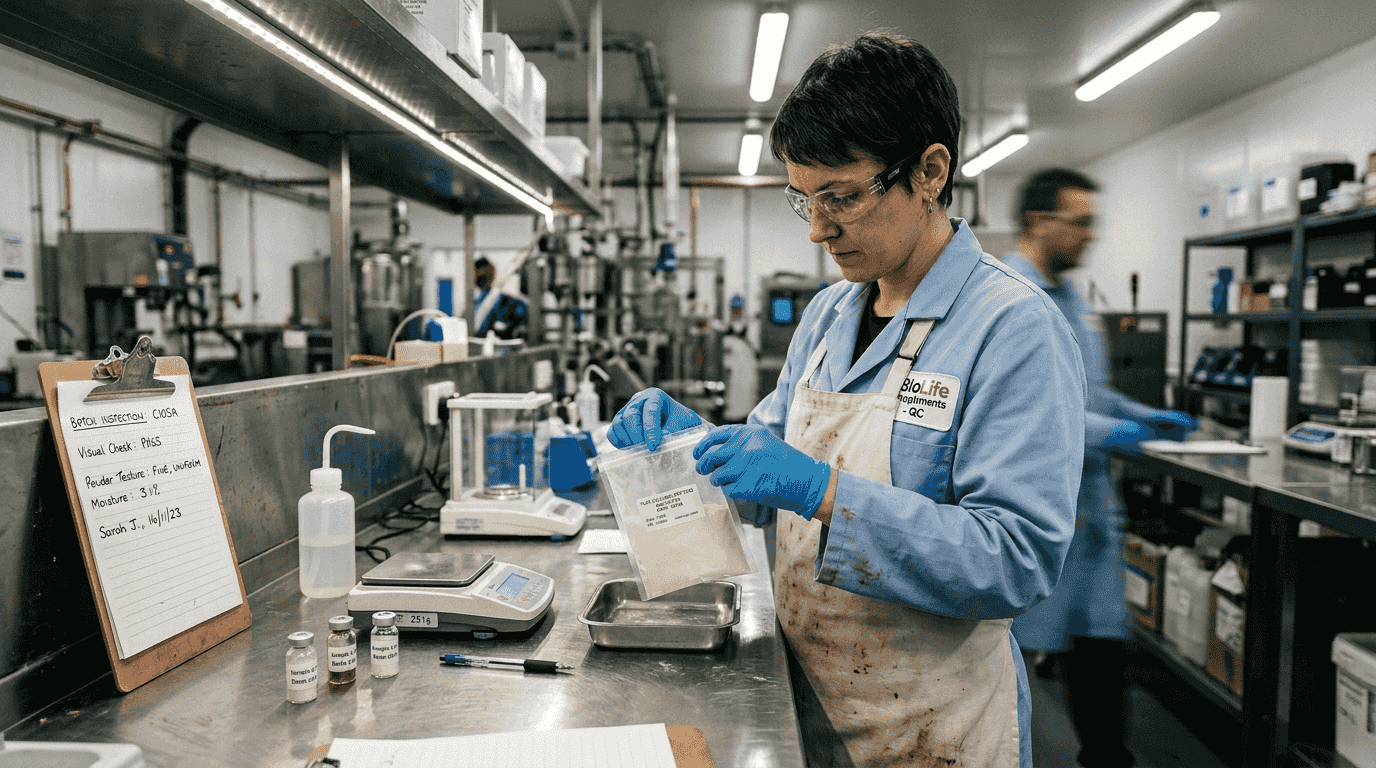


Your body is constantly rebuilding itself at a molecular level, replacing 1–2% of your muscle proteins every single day. Most people think protein only matters after a workout, but protein synthesis is a continuous process that shapes muscle recovery, skin health, and overall wellness. This guide explains how protein synthesis works, what triggers it, and how you can optimise it through smart nutrition and exercise choices.
Table of Contents
- What Is Protein Synthesis And Why Does It Matter?
- How Physical Activity And Nutrition Trigger Protein Synthesis
- Choosing The Right Protein: Types, Digestion, And Timing
- Practical Strategies To Optimise Protein Synthesis For Wellness
- Explore Collagen Protein For Muscle And Skin Support
- Frequently Asked Questions
Key takeaways
| Point | Details |
|---|---|
| Protein synthesis drives muscle repair | Your body creates new proteins from amino acids to rebuild and strengthen muscle tissue daily |
| Exercise and nutrition are key triggers | Physical activity and dietary protein work together to maximise synthesis rates |
| Protein timing affects results | Distributing protein intake across the day and before sleep enhances recovery |
| Protein type matters | Animal and plant proteins differ in digestion speed and amino acid profiles |
| Collagen supports skin and muscle | Collagen protein provides specific amino acids that benefit both muscle recovery and skin health |
What is protein synthesis and why does it matter?
Protein synthesis is the biological process through which your body creates new proteins from amino acids. Think of amino acids as building blocks that your cells assemble into specific proteins needed for various functions. Skeletal muscle undergoes constant protein turnover, replacing 1–2% daily, which means your muscles are in a perpetual state of renewal.
This continuous cycle of breakdown and rebuilding is essential for maintaining muscle tissue. When you exercise, you create microscopic damage to muscle fibres. Protein synthesis repairs this damage and adapts the muscle to become stronger. Without adequate synthesis, your muscles would gradually waste away, regardless of how much you train.
Protein synthesis also plays a crucial role in skin health. Collagen, the most abundant protein in your body, provides structure and elasticity to your skin. Your body must constantly synthesise new collagen to support muscle growth and maintain skin firmness. As you age, synthesis rates naturally decline, which is why supporting this process through nutrition becomes increasingly important.
Amino acids do more than serve as building blocks. They also act as signalling molecules that tell your cells to increase protein production. Leucine, in particular, functions as a powerful trigger for muscle protein synthesis. When leucine levels rise in your bloodstream after eating protein, your muscle cells receive the signal to start building new proteins.
Understanding protein synthesis helps you make better nutrition choices. Rather than viewing protein as a simple macronutrient, you can see it as a tool for directing your body’s repair and growth processes. The key is knowing how to optimise the factors that control synthesis rates.
Key factors influencing protein synthesis:
- Exercise intensity and type
- Protein intake amount and timing
- Amino acid composition of foods
- Sleep quality and duration
- Overall energy balance
How physical activity and nutrition trigger protein synthesis
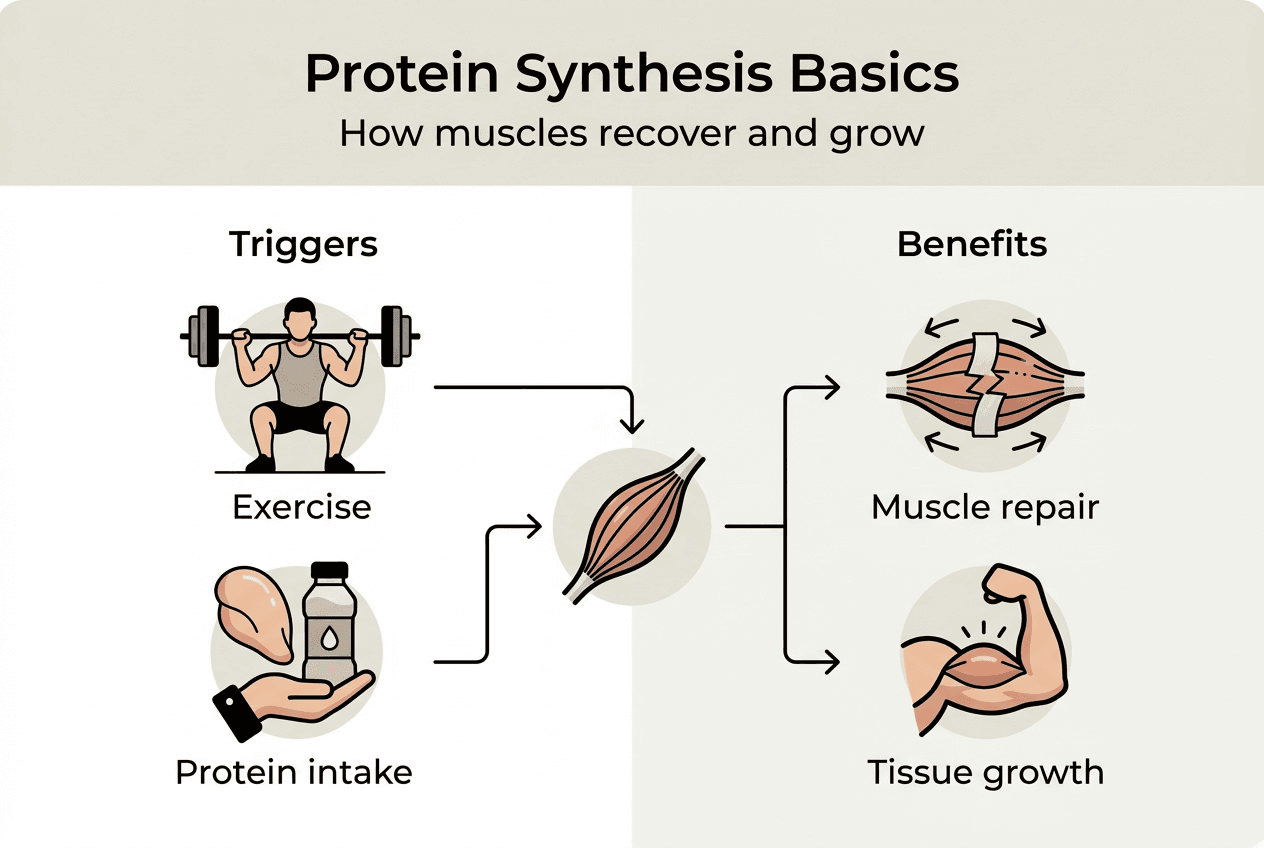
Exercise creates the stimulus that makes your muscles responsive to protein. Resistance training causes mechanical stress and metabolic disruption in muscle fibres, which activates cellular pathways that increase protein synthesis. This elevated state of responsiveness can last for 24 to 48 hours after a training session, creating an extended window for muscle adaptation.

When you consume protein after exercise, you provide the raw materials needed to capitalise on this heightened sensitivity. Muscle protein synthesis rates increase for 4–6 hours following a protein-containing meal. This means each time you eat protein, you create a temporary surge in muscle building activity that gradually returns to baseline.
The interaction between exercise and nutrition creates a synergistic effect. Physical activity and dietary protein serve as essential anabolic stimuli for muscle health. Exercise without adequate protein limits your gains, whilst protein without exercise provides minimal muscle building benefit. You need both elements working together.
Timing matters, but perhaps not as narrowly as once believed. The traditional “anabolic window” suggesting you must consume protein within 30 minutes post-workout has been largely debunked. What matters more is consistent protein intake throughout the day and adequate total protein consumption. Your muscles remain responsive to protein for many hours after training.
Consistency trumps perfection in both exercise and nutrition. Missing a single post-workout meal or skipping one training session won’t derail your progress. However, chronically under-eating protein or training sporadically will significantly limit your ability to build and maintain muscle. The cumulative effect of daily habits determines your long-term results.
Pro Tip: Pair resistance training with protein intake within a few hours before or after your workout to maximise the muscle building response. This flexible approach reduces stress whilst still optimising synthesis.
Protein synthesis response to different exercise types:
- Resistance training: highest acute synthesis increase, lasting 24–48 hours
- Endurance exercise: moderate synthesis increase, primarily in trained muscle fibres
- High-intensity interval training: significant synthesis response, especially in fast-twitch fibres
- Low-intensity activity: minimal direct synthesis effect, but supports recovery
Understanding these triggers helps you design a nutrition and training programme that supports your protein needs for recovery goals effectively.
Choosing the right protein: types, digestion, and timing
Protein effectiveness depends on type, digestion rate, amino acid profile, and food matrix. Animal proteins like whey, casein, and collagen differ significantly from plant proteins in how quickly they digest and which amino acids they provide. These differences influence how effectively they stimulate protein synthesis.
Animal proteins are considered “complete” because they contain all nine essential amino acids in proportions that match human needs. Whey protein digests rapidly, flooding your bloodstream with amino acids within 30 to 60 minutes. This quick delivery makes whey excellent for post-workout nutrition. Casein digests slowly over several hours, providing a sustained release of amino acids that can support overnight muscle repair.
Plant proteins often lack one or more essential amino acids or contain them in lower amounts. However, plant proteins can stimulate muscle synthesis if consumed adequately and processed properly. Combining different plant sources, such as rice and peas, creates a complete amino acid profile. You may need to consume slightly more plant protein to achieve the same synthesis response as animal protein.
Collagen protein offers unique benefits despite being technically incomplete. It’s rich in glycine, proline, and hydroxyproline, amino acids that specifically support connective tissue and skin health. Whilst collagen alone may not maximally stimulate muscle protein synthesis, it complements other proteins by providing building blocks for tendons, ligaments, and skin.
| Protein Type | Digestion Speed | Key Benefits | Best Timing |
|---|---|---|---|
| Whey | Fast (30–60 min) | Rapid amino acid delivery, high leucine | Post-workout, breakfast |
| Casein | Slow (3–7 hours) | Sustained amino acid release | Before bed, between meals |
| Collagen | Moderate (1–3 hours) | Connective tissue support, skin health | Anytime, especially with vitamin C |
| Plant blends | Variable | Complete profile when combined, fibre | Throughout day, multiple servings |
Pro Tip: Including a serving of slow-digesting protein before sleep can elevate muscle protein synthesis overnight, supporting recovery whilst you rest.
Steps to optimise protein timing throughout your day:
- Start your morning with 20–30g of protein to break the overnight fast and stimulate synthesis
- Distribute protein evenly across 3–4 meals rather than loading it all at dinner
- Consume protein within a few hours of training to capitalise on exercise-induced sensitivity
- Include a protein serving 30–60 minutes before bed to support overnight muscle repair
- Space protein doses at least 3–4 hours apart to allow synthesis rates to return to baseline between meals
Choosing the best protein sources for recovery depends on your dietary preferences, timing needs, and specific health goals. Understanding how to maximise protein absorption helps you get the most from each serving.
Practical strategies to optimise protein synthesis for wellness
Applying protein synthesis science to your daily routine doesn’t require complicated meal planning or expensive supplements. Focus on consistent habits that support continuous muscle repair and skin health. Small, sustainable changes accumulate into significant long-term benefits.
Distribute your protein intake evenly across meals rather than consuming most of it at dinner. Eating 25–30g of protein at breakfast, lunch, and dinner creates three distinct synthesis peaks throughout the day. This approach outperforms eating 10g at breakfast, 15g at lunch, and 75g at dinner, even though total protein intake is identical.
Including a protein serving before sleep extends the anabolic window into your overnight fast. Your body continues repairing muscle tissue whilst you sleep, and providing amino acids during this period supports the process. A slow-digesting protein like casein or a collagen-based option works well for this timing.
Pair your protein intake with regular physical activity to maximise synthesis responsiveness. You don’t need intense workouts every day. Even moderate resistance training two to three times weekly significantly enhances your muscles’ ability to use dietary protein. Consistency matters more than intensity for long-term results.
Collagen protein deserves special attention for its dual benefits to muscle and skin health. Whilst it doesn’t contain high leucine levels like whey, collagen provides specific amino acids that support connective tissue repair and skin elasticity. Combining collagen with other protein sources creates a comprehensive amino acid profile.
Practical tips for incorporating protein synthesis strategies:
- Prepare protein-rich snacks in advance to maintain consistent intake throughout busy days
- Choose convenient formats like protein gels or ready-to-drink options for post-workout nutrition
- Track your protein intake for one week to identify gaps in your current eating pattern
- Experiment with different protein sources to find options you genuinely enjoy eating
- Combine plant proteins strategically if following a vegetarian or vegan diet
- Consider pre and post workout nutrition timing based on your training schedule
Remember that protein synthesis is just one piece of the wellness puzzle. Adequate sleep, stress management, and overall calorie intake all influence how effectively your body builds and repairs tissue. Focus on creating a sustainable routine that addresses multiple factors rather than obsessing over perfect protein timing.
Explore collagen protein for muscle and skin support
If you’re looking for a convenient way to support protein synthesis for both muscle recovery and skin health, KUDU Nutrition’s collagen protein products offer a practical solution. Our 20g collagen protein gels provide a concentrated dose of high-quality collagen in a portable format that fits easily into your daily routine.

Each serving delivers the specific amino acids your body needs to maintain connective tissue integrity and support muscle repair. The 20g liquid collagen protein pack makes it simple to incorporate collagen into your post-workout nutrition or as a convenient protein source throughout the day. Our products are Informed Sport certified, ensuring quality and transparency.
Discover how collagen supports beauty from the inside out by providing the building blocks for skin elasticity and hydration. Combining collagen with your regular protein intake creates a comprehensive approach to wellness that addresses multiple aspects of health simultaneously.
Frequently asked questions
What is protein synthesis?
Protein synthesis is the cellular process that creates new proteins from amino acids. Your cells read genetic instructions and assemble amino acids into specific protein structures needed for muscle tissue, skin, enzymes, and countless other functions. This process occurs continuously throughout your body, with rates increasing in response to exercise and protein consumption.
How long does protein synthesis last after eating?
Single meal protein ingestion increases synthesis rates for up to 4–6 hours. After this window, synthesis rates gradually return to baseline levels. This timing influences meal spacing strategies, suggesting that eating protein every 4–5 hours maintains elevated synthesis throughout the day more effectively than infrequent large doses.
Can plant proteins effectively stimulate protein synthesis?
Yes, plant proteins can stimulate muscle synthesis if consumed adequately and properly processed. You may need slightly larger servings of plant protein compared to animal sources to achieve similar results. Combining complementary plant proteins, such as rice with peas or beans with grains, ensures you receive all essential amino acids in optimal proportions.
Why is protein timing important for muscle recovery?
Distributing protein intake and including pre-sleep doses may optimise synthesis throughout the day. Regular protein intake creates multiple synthesis peaks rather than a single large response. Pre-sleep protein extends the anabolic window into your overnight fast, supporting muscle repair during the extended period without food.
Does collagen protein support muscle building?
Collagen protein supports muscle health differently than whey or casein. Whilst it contains lower leucine levels, collagen provides glycine, proline, and hydroxyproline that specifically benefit connective tissues surrounding muscles. Combining collagen with other complete proteins creates a comprehensive amino acid profile that supports both muscle tissue and the structural framework that connects and protects it.
How much protein do I need daily for optimal synthesis?
Most active individuals benefit from 1.6–2.2g of protein per kilogram of body weight daily. This range supports muscle protein synthesis whilst providing amino acids for other bodily functions. Distribute this total across 3–4 meals containing 25–40g of protein each to create consistent synthesis stimulation throughout the day.