


TL;DR:
- Beauty nutrition supports skin, hair, and nail health through targeted diets rich in essential nutrients and supplements when needed. Consistent healthy habits, including sleep, sun protection, and reducing sugar intake, enhance visible results more than supplements alone. Ultimately, a balanced diet based on the UK Eatwell Guide, combined with mindful lifestyle choices, provides the best foundation for skin health and aging.
Beauty nutrition is the practice of supporting skin, hair, and nail health through targeted dietary choices rich in essential nutrients, with supplements playing an optional but evidence-supported role. The term sits within the broader field of nutritional dermatology, which studies how diet shapes skin structure, hydration, and repair at a cellular level. Getting this right means more than swapping crisps for carrots. It means understanding which nutrients your skin genuinely needs, how foods deliver them, and where supplements like collagen and vitamin D fit into the picture. The UK Eatwell Guide provides the dietary framework that underpins all of this.
What is beauty nutrition and why does it matter?
Beauty nutrition is defined as the deliberate use of diet and targeted nutrients to support the biological processes that maintain skin, hair, and nail health. The industry term is nutritional dermatology, but beauty nutrition has become the widely used shorthand for the same concept applied to everyday wellness. Both terms refer to the same core idea: what you eat directly influences how your skin looks and functions.
Skin is the body’s largest organ. It relies on a constant supply of protein, vitamins, minerals, and fatty acids to build new cells, repair damage, and maintain its barrier function. Protein, vitamins C and B-complex, zinc, and omega-3s are the nutrients most directly linked to skin structure, hydration, and repair. Without adequate intake of these, skin loses resilience, hair becomes brittle, and nails weaken.
The benefits of beauty nutrition extend beyond appearance. A diet that supports skin health also reduces systemic inflammation, supports immune function, and improves cellular repair across the body. This is why the approach is gaining traction not just in beauty circles but in mainstream preventive health.
What nutrients and foods support skin, hair, and nails?
The foundation of nutrition for skin health is protein. Skin, hair, and nails are largely made of structural proteins, primarily collagen and keratin. Without sufficient dietary protein, the body cannot synthesise these structures efficiently. Good sources include eggs, lean meat, fish, legumes, and dairy.

Vitamin C is critical for collagen synthesis. The body cannot produce collagen without it. Citrus fruits, kiwi, peppers, and broccoli are among the richest sources. Vitamin B-complex, particularly biotin and niacin, supports skin cell turnover and helps maintain the skin’s moisture barrier. Zinc regulates sebum production and supports wound healing, making it especially relevant for those prone to acne. Oily fish such as salmon, mackerel, and sardines deliver omega-3 fatty acids, which reduce inflammation and help maintain skin hydration from within. Eating one portion of oily fish per week is the minimum recommended to see a meaningful effect on skin health.
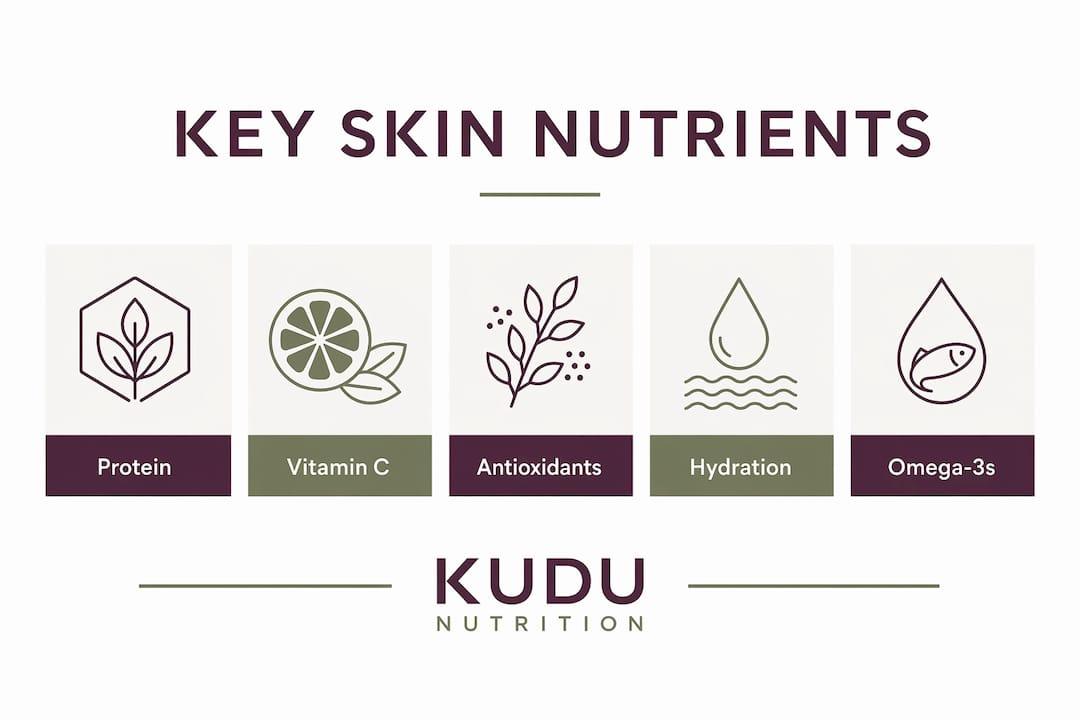
Antioxidants from colourful fruits and vegetables neutralise free radicals that accelerate skin ageing. Think blueberries, spinach, tomatoes, and sweet potatoes. These foods support cellular repair and reduce oxidative stress, which is one of the primary drivers of premature skin ageing.
Hydration is equally important. Experts recommend at least 2 litres of fluids per day from varied sources including water, herbal teas, and water-rich foods. Adequate hydration supports cell function in skin, though drinking far beyond recommended levels does not cure dry skin on its own.
| Nutrient | Key benefit | Best food sources |
|---|---|---|
| Protein | Builds collagen and keratin | Eggs, fish, legumes, dairy |
| Vitamin C | Enables collagen synthesis | Citrus, peppers, kiwi, broccoli |
| Omega-3 fatty acids | Reduces inflammation, hydrates skin | Salmon, mackerel, sardines, flaxseed |
| Zinc | Regulates sebum, aids wound healing | Pumpkin seeds, shellfish, red meat |
| Vitamin B-complex | Supports cell turnover and moisture barrier | Wholegrains, eggs, leafy greens |
| Antioxidants | Neutralises free radicals | Blueberries, spinach, sweet potato |
How effective are supplements like collagen and vitamin D?
Supplements occupy a specific and limited role in beauty nutrition. They work best when diet alone cannot meet your needs, or when targeted support for a specific process is warranted. They do not replace food.
Research involving over 1,700 participants found that daily intake of 2.5–10g of hydrolysed collagen for 8–24 weeks produced modest but statistically significant improvements in skin hydration and elasticity. Hydrolysed collagen, also called collagen peptides, is broken down into smaller amino acid chains that the body absorbs more readily than intact collagen. This matters because collagen peptides are best absorbed when hydrolysed, and the effects build gradually over consistent use of at least eight weeks.
Vitamin D stands apart from other supplements. UK official guidance recommends vitamin D supplementation for the entire population during autumn and winter, when sunlight exposure is insufficient for the body to synthesise it naturally. Vitamin D supports immune function and skin cell regulation, making it relevant to both general health and skin resilience.
Key points on supplement use:
- Collagen peptides show modest evidence for skin hydration and elasticity after consistent use over 8+ weeks.
- Vitamin D is the only supplement universally recommended for UK adults in cooler months.
- Vitamin C supplements can support collagen synthesis if dietary intake is low.
- Zinc supplements may help those with deficiency-related skin issues, but excess zinc is harmful.
- Mega-dosing vitamins, especially vitamin A, carries real risk. Bioavailability and sensible dosing are critical considerations, not afterthoughts.
Pro Tip: When choosing a collagen supplement, look for hydrolysed collagen peptides with a daily dose of at least 2.5g. Liquid formats like those from Kudunutrition may support consistent daily intake more easily than powders mixed into drinks.
You can read more about liquid collagen efficacy for skin, joints, and bones in Kudunutrition’s detailed research review.
What lifestyle factors affect beauty nutrition outcomes?
Nutrition alone does not determine skin health. Lifestyle factors often outperform supplement regimens for skin ageing and resilience. The most effective approach combines good nutrition with consistent lifestyle habits.
The four lifestyle pillars that most directly interact with beauty nutrition are:
- Sleep. Skin repairs itself during deep sleep. Chronic sleep deprivation elevates cortisol, which breaks down collagen and impairs the skin’s barrier function. Seven to nine hours per night is the evidence-based target.
- Stress management. Chronic stress triggers systemic inflammation, which accelerates skin ageing and worsens conditions like eczema and acne. Practices such as regular exercise, mindfulness, and adequate rest reduce this inflammatory load.
- Sun protection. UV exposure is the single largest external driver of skin ageing. Daily SPF use protects the collagen and elastin fibres that nutritional support is working to maintain. No amount of dietary antioxidants fully compensates for unprotected sun exposure.
- Alcohol and sugar moderation. Chronic high sugar intake accelerates skin ageing through glycation, a process where sugar molecules bind to collagen fibres, making them brittle and stiff. Alcohol dehydrates skin and depletes B vitamins, directly counteracting nutritional efforts.
The connection between inflammation and skin ageing is particularly important. Diets high in refined carbohydrates, processed foods, and trans fats promote chronic low-grade inflammation. This inflammation degrades collagen, impairs wound healing, and accelerates the visible signs of ageing. Reducing free sugars and increasing fibre and hydration are the dietary changes with the clearest evidence for managing skin imperfections and premature ageing.
How to implement beauty nutrition in daily life
The most practical starting point is the UK Eatwell Guide. It recommends building meals around vegetables, fruits, wholegrains, lean proteins, and healthy fats. This framework naturally delivers most of the nutrients that support skin health without requiring complex supplementation.
Practical steps for how to eat for beauty:
- Eat protein at every meal. Aim for a palm-sized portion of eggs, fish, chicken, legumes, or dairy at breakfast, lunch, and dinner.
- Eat the rainbow. Include at least three different coloured vegetables or fruits daily to cover antioxidant and vitamin needs.
- Add oily fish twice a week. Salmon, mackerel, or sardines deliver omega-3s that no plant food fully replicates in the same bioavailable form.
- Snack on nuts and seeds. A small handful of pumpkin seeds, walnuts, or almonds provides zinc, vitamin E, and omega-3s in one go.
- Drink water consistently. Carry a 500ml bottle and refill it four times across the day to hit the 2-litre target without thinking about it.
- Limit ultra-processed foods. These are typically high in refined sugar, trans fats, and salt, all of which undermine skin health over time.
On supplements, the food-first principle applies. Use supplements to fill genuine gaps, not to replace meals. Collagen supplementation complements but does not replace professional skincare or foundational dietary habits. If you are considering a collagen routine, Kudunutrition’s guide on starting a collagen regimen offers a practical, evidence-aligned approach.
Pro Tip: Avoid mega-dosing single vitamins in the hope of faster results. High-dose vitamin A supplements, for example, can cause toxicity. Focus on bioavailability: a smaller dose of a well-absorbed form works better than a large dose of a poorly absorbed one.
The skincare packaging and formulation industry increasingly reflects this inside-out approach, with brands aligning product messaging to the nutritional science behind skin structure and hydration.
Key takeaways
Beauty nutrition works because it addresses the biological foundations of skin, hair, and nail health through diet, targeted supplementation, and consistent lifestyle habits.
| Point | Details |
|---|---|
| Diet is the foundation | Protein, vitamin C, omega-3s, and zinc are the nutrients most directly linked to skin health. |
| Collagen supplements have modest evidence | Hydrolysed collagen at 2.5–10g daily for 8+ weeks shows statistically significant improvements in skin hydration. |
| Vitamin D is the one universal supplement | UK health guidance recommends vitamin D for all adults during autumn and winter months. |
| Lifestyle amplifies nutrition | Sleep, sun protection, and low sugar intake determine how well nutritional efforts translate to visible results. |
| Food first, supplements second | Supplements fill gaps but cannot replace a varied diet built around the UK Eatwell Guide principles. |
Why I think most people approach beauty nutrition backwards
Most people I speak to start with supplements and work backwards to diet. They buy a collagen sachet, take it for two weeks, see nothing, and conclude it does not work. The problem is not the supplement. The problem is the sequence.
Beauty nutrition is not a quick fix. It is a long-term support system that only delivers visible results when the foundations are in place. If you are sleeping five hours a night, eating a high-sugar diet, and skipping SPF, no supplement will compensate for that. The evidence is clear on this point.
What I find genuinely interesting about the current research is the emerging focus on cellular repair pathways rather than surface aesthetics. Research into NAD+ precursors for cellular health and inflammation reduction is developing, and it points to a future where beauty nutrition is understood as systemic health support, not just skin-deep vanity. That shift in framing matters. It makes the whole practice more credible and more motivating.
My honest recommendation: fix your diet first, add vitamin D in winter, and then consider a quality hydrolysed collagen supplement if you want to go further. Consistency over eight weeks minimum. That is the sequence that the evidence actually supports.
— Sam
Kudunutrition’s collagen range for your beauty nutrition plan
If your diet is in order and you are ready to add a targeted supplement, the quality of what you take matters considerably.
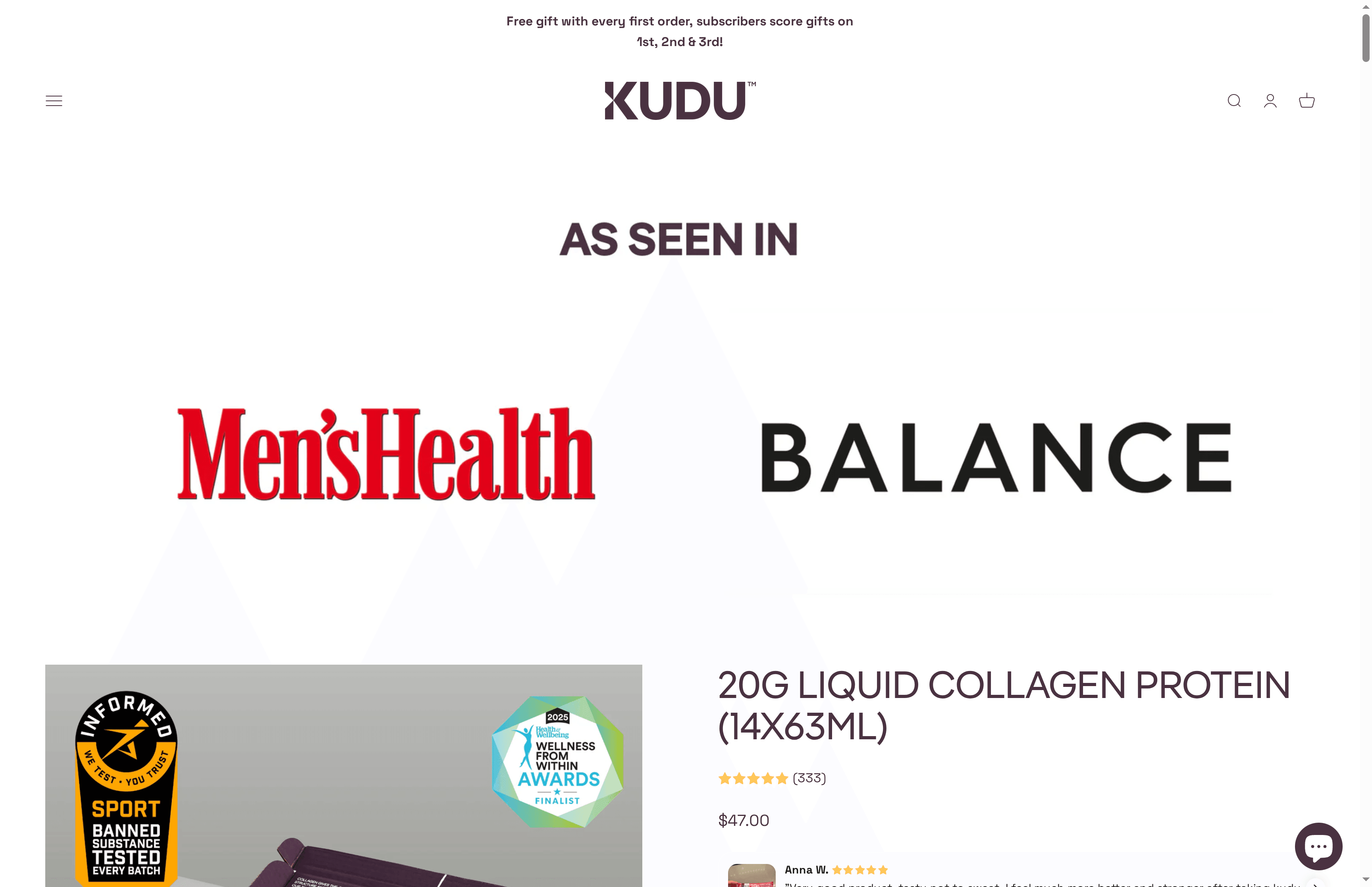
Kudunutrition’s 20g collagen protein sachets deliver hydrolysed collagen peptides in a convenient liquid format, making consistent daily intake straightforward. Each sachet provides 20g of collagen protein, well above the 2.5–10g range studied in clinical research. The range is Informed Sport certified, meaning every batch is tested for banned substances. For those new to collagen supplementation, the liquid collagen starter box is a practical way to begin a consistent routine without committing to a full supply upfront.
FAQ
What is beauty nutrition in simple terms?
Beauty nutrition is the practice of eating to support skin, hair, and nail health through key nutrients such as protein, vitamin C, zinc, and omega-3 fatty acids, with supplements used to fill specific gaps.
What foods enhance beauty most effectively?
Oily fish, colourful vegetables and fruits, eggs, nuts, and seeds are the foods with the strongest evidence for supporting skin hydration, collagen synthesis, and protection against oxidative damage.
What are the best vitamins for skin glow?
Vitamin C is the most directly linked to skin brightness and collagen production. Vitamin D, B-complex vitamins, and zinc also play significant roles in skin cell turnover and barrier function.
How long does beauty nutrition take to show results?
Dietary changes typically take four to twelve weeks to produce visible skin improvements. Collagen supplements studied at 2.5–10g daily show measurable effects after 8–24 weeks of consistent use.
Do collagen supplements actually work for skin?
Research involving over 1,700 participants found modest but statistically significant improvements in skin hydration and elasticity from hydrolysed collagen supplementation over 8–24 weeks. Results are real but gradual, and work best alongside a balanced diet.