

TL;DR:
- Metabolic recovery involves restoring energy balance, repairing tissues, and substrate switching after exercise. Efficient recovery depends on physiological processes like EPOC and fuel flexibility, influenced by nutrition, sleep, and exercise intensity. Monitoring heart rate, appetite, and metabolic markers helps optimize recovery and prevent delays caused by undernutrition or improper training.
Metabolic recovery is defined as the process by which the body restores biochemical and physiological equilibrium following exercise, encompassing energy replenishment, substrate switching, and cellular repair. Understanding this process is not simply academic. It directly determines how quickly you adapt to training, how well you perform in subsequent sessions, and how effectively your body supports long-term health. This article covers the metabolic recovery process from its physiological foundations through to practical nutrition strategies, giving you the tools to support your body where it matters most.
What is the metabolic recovery process after exercise?
Metabolic recovery begins the moment exercise stops. The body shifts from a state of high energy demand back towards homeostasis, and this transition involves several overlapping biological processes that unfold over minutes to hours.

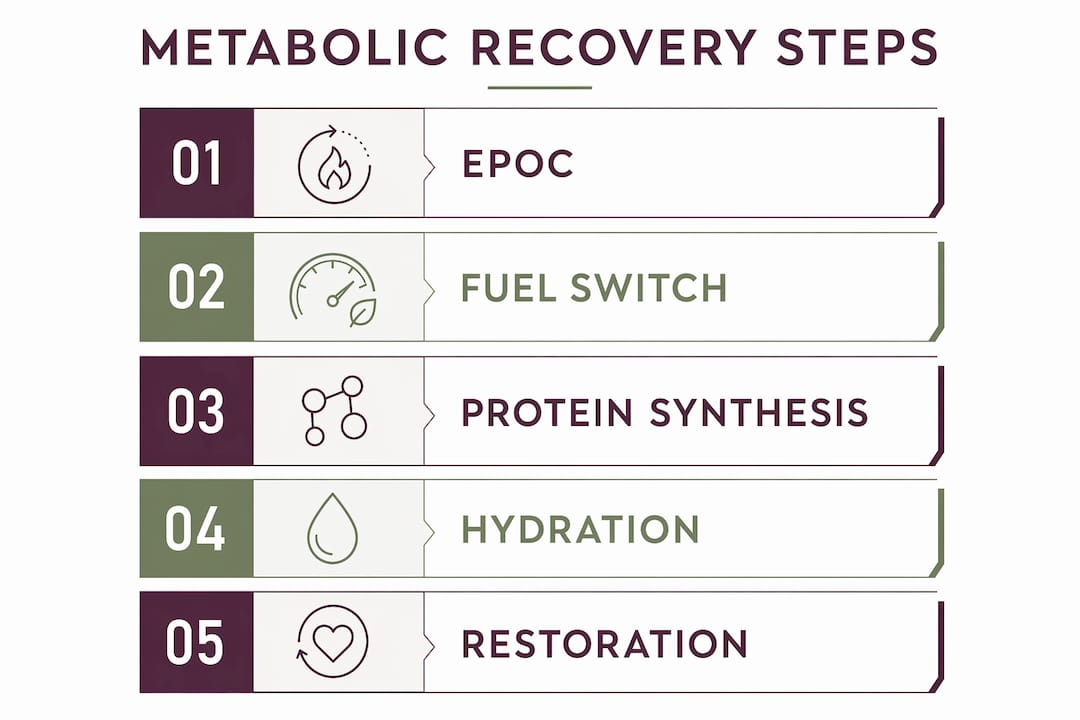
The most studied mechanism is excess post-exercise oxygen consumption, known as EPOC. EPOC describes elevated oxygen uptake after exercise as the body works to replenish ATP and creatine phosphate stores, rebalance hormone levels, and repair damaged tissue. Think of it as the metabolic bill your body settles after the workout is done. The harder the session, the larger the bill.
Alongside EPOC, the body undergoes a significant shift in fuel use. During vigorous exercise, glucose is the dominant fuel. In recovery, the body progressively switches to fatty acid oxidation to spare remaining glycogen stores. This substrate switching is a hallmark of efficient metabolic recovery and reflects the body’s ability to adapt fuel selection to the demands of the moment.
Exercise intensity shapes how pronounced these responses are. Moderate-intensity sessions produce a relatively modest EPOC and a straightforward return to baseline. Vigorous exercise, by contrast, triggers deeper metabolic disruption, with lipid metabolite changes visible in the 90 to 180 minute post-exercise window. This delayed emergence of metabolic markers is a critical insight. Recovery is not complete when your breathing normalises. It continues long after you leave the gym.
Key physiological events during metabolic recovery include:
- Restoration of phosphocreatine and glycogen stores
- Clearance of lactate from muscle and blood
- Reduction of core temperature and heart rate towards resting values
- Rebalancing of cortisol and adrenaline levels
- Repair of micro-damaged muscle fibres through protein synthesis
Pro Tip: Track your heart rate one minute after finishing a vigorous session. A drop of 12 beats per minute or more within that first minute is a reliable early indicator that your cardiovascular and metabolic systems are recovering efficiently.
How does metabolic flexibility affect recovery quality?
Metabolic flexibility is the capacity to switch between fuel sources, primarily glucose and fatty acids, in response to changing physiological demands. It is the single most important individual variable in determining how efficiently you recover from exercise.
When metabolic flexibility is impaired, the body struggles to transition from glucose-dependent exercise metabolism to the fat-burning recovery state. This is not a minor inconvenience. Research shows that metabolic inflexibility mediates impaired heart-rate recovery after exercise, with lower peak respiratory exchange ratio accounting for over 25% of the negative impact of type 2 diabetes on post-exercise heart-rate recovery in a study of 275 patients. The implication is clear: poor fuel switching worsens recovery outcomes, independent of general fitness level.
Individuals with faster heart-rate recovery show metabolic profiles characterised by enhanced β-oxidation and lower acylcarnitines, indicating superior substrate switching. In practical terms, this means their muscles are burning fat more efficiently during recovery, clearing metabolic byproducts faster and returning to readiness sooner.
Improving metabolic flexibility involves four key steps:
- Reduce chronic carbohydrate overload. Consistently high carbohydrate intake suppresses fat oxidation pathways. Periodising carbohydrate intake around training sessions trains the body to use fat more readily at rest.
- Include lower-intensity aerobic work. Zone 2 training, where you can hold a conversation, specifically develops mitochondrial capacity and fat oxidation efficiency.
- Prioritise sleep. Sleep deprivation impairs insulin sensitivity and disrupts the hormonal environment needed for efficient substrate switching.
- Monitor recovery with respiratory exchange ratio (RER). An RER closer to 0.7 at rest indicates fat-dominant metabolism, a sign of good metabolic flexibility.
Pro Tip: If you have access to a metabolic cart or a wearable that estimates RER, measure it first thing in the morning after an overnight fast. A consistently high fasting RER above 0.90 suggests your body is over-reliant on glucose and your metabolic flexibility may need attention.
Targeting metabolic flexibility is particularly relevant for anyone managing conditions like type 2 diabetes or insulin resistance, where impaired fuel switching directly compromises recovery quality. For these individuals, working with a sports dietitian to personalise carbohydrate timing and exercise intensity is not optional. It is the foundation of effective recovery.
How can nutrition and supplementation enhance metabolic recovery?
Nutrition is the most modifiable lever in the metabolic recovery process. What you eat, when you eat it, and in what quantities directly shapes how quickly your body restores energy balance and repairs tissue.
| Nutritional strategy | Mechanism | Practical application |
|---|---|---|
| Carbohydrate-electrolyte supplementation | Maintains blood glucose during and after exercise | 20 to 30 g of carbohydrate per hour during prolonged sessions |
| Protein intake post-exercise | Provides amino acids for muscle protein synthesis | 20 to 40 g of high-quality protein within two hours of finishing |
| Hydration with electrolytes | Restores plasma volume and supports enzymatic function | Sodium-containing drinks post-exercise, not plain water alone |
| Collagen protein | Supplies glycine and proline for connective tissue repair | 15 to 20 g taken with vitamin C around training |
Carbohydrate timing is the most researched area. A meta-analysis of 26 studies confirmed that carbohydrate-electrolyte intake extends time to exhaustion and sustains blood glucose compared to placebo. This matters for recovery because stable blood glucose during exercise means less glycogen depletion, which in turn reduces the metabolic debt your body must repay afterwards. Even small carbohydrate doses of 20 to 30 g per hour during prolonged exercise maintain blood glucose higher than rehydration alone, giving your metabolic recovery a meaningful head start.
Protein is equally non-negotiable. Amino acids, particularly leucine, directly stimulate muscle protein synthesis and support the tissue repair component of metabolic recovery. For athletes focused on recovery nutrition strategies, combining fast-digesting protein with carbohydrates in the two-hour post-exercise window produces the most favourable hormonal environment for repair.
Collagen protein deserves specific mention. Unlike whey, collagen is rich in glycine, proline, and hydroxyproline, the amino acids that form the structural backbone of tendons, ligaments, and cartilage. These tissues have poor blood supply and recover slowly. Targeted collagen supplementation, particularly the role of micronutrients in recovery alongside vitamin C, supports collagen synthesis in connective tissue and reduces the injury risk that accumulates with high training loads.
Key nutritional priorities for metabolic recovery:
- Consume carbohydrates and protein within 30 to 60 minutes of finishing exercise
- Do not rely on water alone for rehydration after sessions exceeding 60 minutes
- Avoid prolonged undernutrition, which triggers hypermetabolism and delays repair
- Use collagen protein as a complement to, not a replacement for, complete protein sources
What are the signs of metabolic recovery and how do you support it?
Recognising the signs of metabolic recovery helps you make smarter decisions about training frequency, nutrition timing, and rest. Recovery is not a feeling. It is a measurable physiological state.
Heart rate normalisation is the most accessible marker. Heart-rate recovery, or HRR, reflects metabolic recovery of lipid metabolites in the later phases after vigorous exercise, making it a practical non-invasive window into mitochondrial function. A heart rate that returns to within 20 beats of resting within five minutes of finishing vigorous exercise suggests efficient cardiovascular and metabolic recovery. Slower HRR warrants attention to training load, nutrition, and sleep quality.
Other reliable signs that metabolic recovery is progressing well include:
- Reduced perceived fatigue within 24 hours of a moderate session
- Restored appetite and normal hunger cues, indicating blood glucose and hormone levels are stabilising
- Improved mood and mental clarity, reflecting cortisol normalisation
- Muscle soreness that peaks at 24 to 48 hours and then resolves, consistent with normal inflammatory repair
- Consistent sleep quality, which both signals and supports metabolic restoration
Avoiding undernutrition is critical. Prolonged caloric restriction during periods of high training load forces the body into a hypermetabolic state, where energy demands for repair outstrip supply. This delays recovery, increases injury risk, and impairs adaptation. Structured nutrition, not restriction, is the foundation of metabolic health in active individuals.
For those interested in enhancing workout recovery naturally, the evidence consistently points to the same principles: adequate sleep, consistent protein intake, controlled training load, and attention to metabolic flexibility. There are no shortcuts, but there are clear priorities.
Key takeaways
Metabolic recovery requires EPOC, substrate switching, and targeted nutrition working together to restore physiological balance after exercise.
| Point | Details |
|---|---|
| EPOC drives early recovery | Elevated oxygen consumption post-exercise restores ATP, hormones, and cellular integrity. |
| Metabolic flexibility is decisive | Efficient fuel switching from glucose to fat accelerates recovery and reduces metabolic debt. |
| Carbohydrate timing matters | Even 20 to 30 g of carbohydrate per hour during exercise reduces post-exercise metabolic debt. |
| HRR is a practical recovery marker | Heart-rate recovery after vigorous exercise reflects lipid metabolism efficiency in the 90 to 180 minute window. |
| Undernutrition delays repair | Insufficient caloric intake triggers hypermetabolism and slows tissue recovery in active individuals. |
Why most people are thinking about recovery all wrong
Most fitness content treats recovery as passive. You finish training, you rest, you eat something, and your body sorts itself out. That framing misses the point almost entirely.
What I have come to understand is that metabolic recovery is an active, time-sensitive process with distinct phases, and most people are either ignoring the early window or misreading the signals entirely. They feel fine the next morning and assume they have recovered. But the metabolic markers that actually matter, the lipid metabolites, the substrate switching efficiency, the mitochondrial throughput, are still shifting hours after the session ends.
The other misconception I see constantly is treating all recovery the same regardless of intensity. A 40-minute jog and a 90-minute high-intensity session do not produce the same metabolic debt. Applying the same recovery protocol to both is like using the same tyre pressure for a city car and a loaded lorry. The mismatch costs you adaptation.
What actually works is building recovery monitoring into your routine the same way you track training load. Use HRR as a daily data point. Track your appetite and sleep quality. Pay attention to whether your resting heart rate is creeping up over a training block. These are not vanity metrics. They are the feedback loop that tells you whether your metabolic recovery process is keeping pace with your training demands.
The athletes I have seen make the most consistent progress are not the ones who train hardest. They are the ones who recover most deliberately.
— Sam
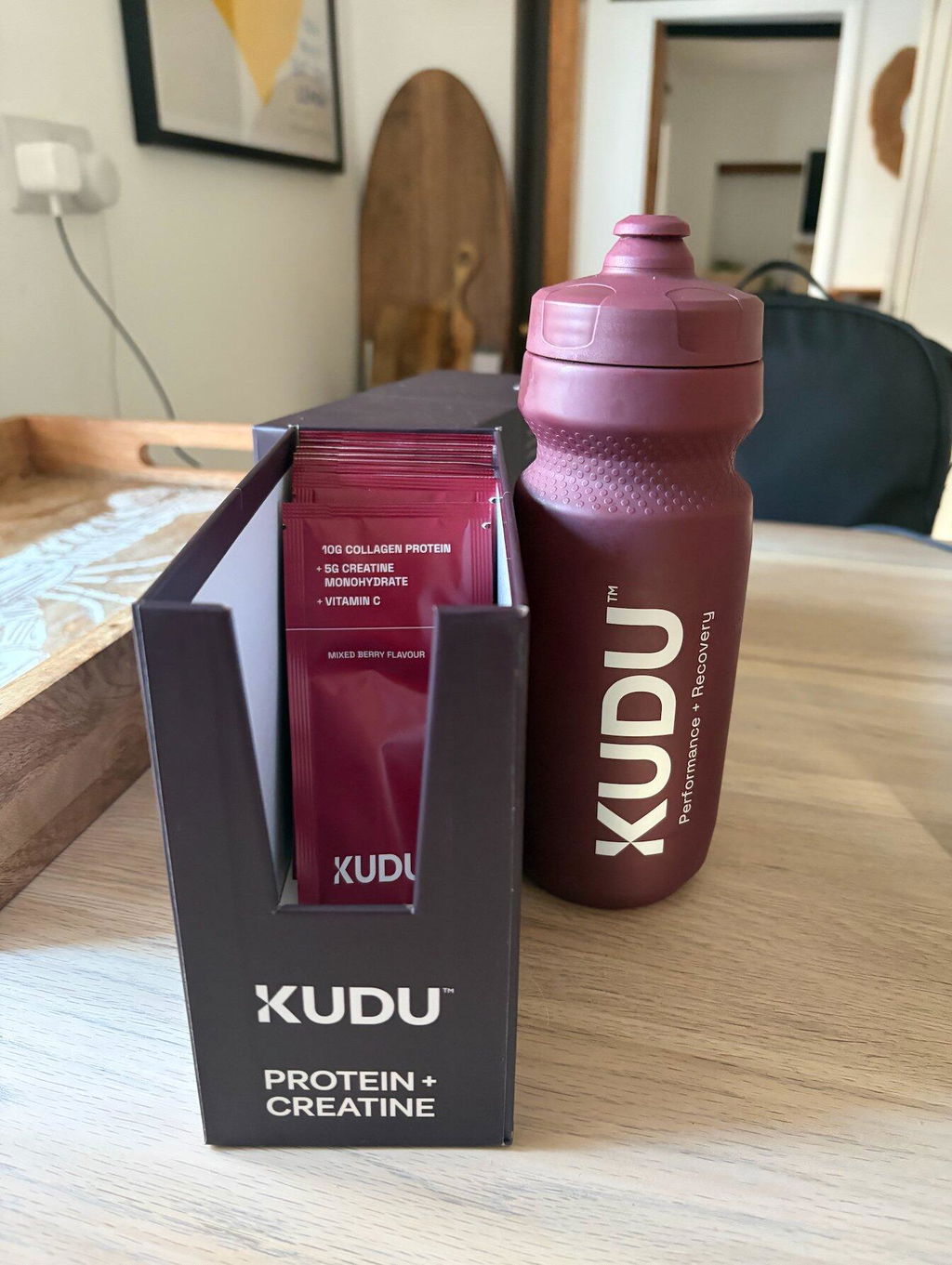
Support your recovery with Kudunutrition collagen protein

Post-exercise nutrition is where metabolic recovery either accelerates or stalls. Kudunutrition’s liquid collagen protein sachets deliver 20 g of high-quality collagen protein per serving, formulated specifically to support connective tissue repair, joint health, and post-exercise recovery. Each sachet is Informed Sport certified, meaning every batch is tested for banned substances, which matters if you train seriously. The format is convenient, the taste is genuinely good, and the collagen content is among the highest available in a ready-to-drink format. If you are building a recovery nutrition protocol that goes beyond basic protein shakes, the 20 g collagen protein 14-pack is a practical and well-evidenced place to start.
FAQ
What is metabolic recovery in simple terms?
Metabolic recovery is the process by which your body restores energy stores, clears metabolic byproducts, and repairs tissue after exercise. It involves elevated oxygen consumption, substrate switching, and nutrient replenishment over a period of minutes to several hours.
How long does metabolic recovery take after exercise?
Recovery duration depends on exercise intensity and individual metabolic flexibility. After vigorous exercise, key metabolic markers including lipid metabolites remain in flux for 90 to 180 minutes post-exercise, with full glycogen restoration taking 24 hours or more depending on carbohydrate intake.
What is the best way to enhance metabolic recovery?
Combining carbohydrate and protein intake within 60 minutes of finishing exercise, maintaining hydration with electrolytes, and prioritising sleep are the most evidence-supported strategies. Carbohydrate-electrolyte supplementation during prolonged sessions also reduces the metabolic debt that recovery must address.
What does poor metabolic recovery look like?
Slow heart-rate recovery after vigorous exercise, persistent fatigue beyond 48 hours, disrupted sleep, and suppressed appetite are all signs that metabolic recovery is incomplete. Impaired fuel switching, particularly in individuals with insulin resistance, is a common underlying cause.
Does fasting affect metabolic recovery?
Fasting before or after exercise reduces carbohydrate availability, which can impair glycogen replenishment and slow recovery. Prolonged undernutrition specifically triggers a hypermetabolic state that increases repair demands without providing the substrate needed to meet them, delaying full recovery.