
TL;DR:
- Collagen ranks highest for strength and lean mass gains based on recent meta-analyses, supporting connective tissue and muscle recovery. Whey hydrolysate provides rapid, complete amino acids, maximizing post-exercise muscle synthesis at around 20 grams per serving. Choosing the right protein depends on timing, dose, and individual goals, with certified supplements ensuring safety and efficacy.
Protein for sport is defined by how quickly it digests, how complete its amino acid profile is, and how well it supports muscle repair and connective tissue recovery. A 2026 network meta-analysis of 78 studies found that collagen shows the largest effect sizes for strength (SMD 0.41) and fat-free mass (SMD 0.94) in resistance-training adults, outperforming whey and other common supplements. Whey hydrolysate follows closely, ranked highest for acute muscle protein synthesis due to its leucine content and rapid absorption. Understanding the different types of protein for sport, and when to use each one, is the single most practical step you can take to improve your training outcomes.
1. Types of protein for sport: why the differences matter
Not all protein sources are equal for athletes. The key variables are digestion speed, leucine concentration, and amino acid completeness. These three factors determine whether a protein drives muscle protein synthesis (MPS) acutely after training, supports overnight recovery, or reinforces connective tissue like tendons and ligaments.
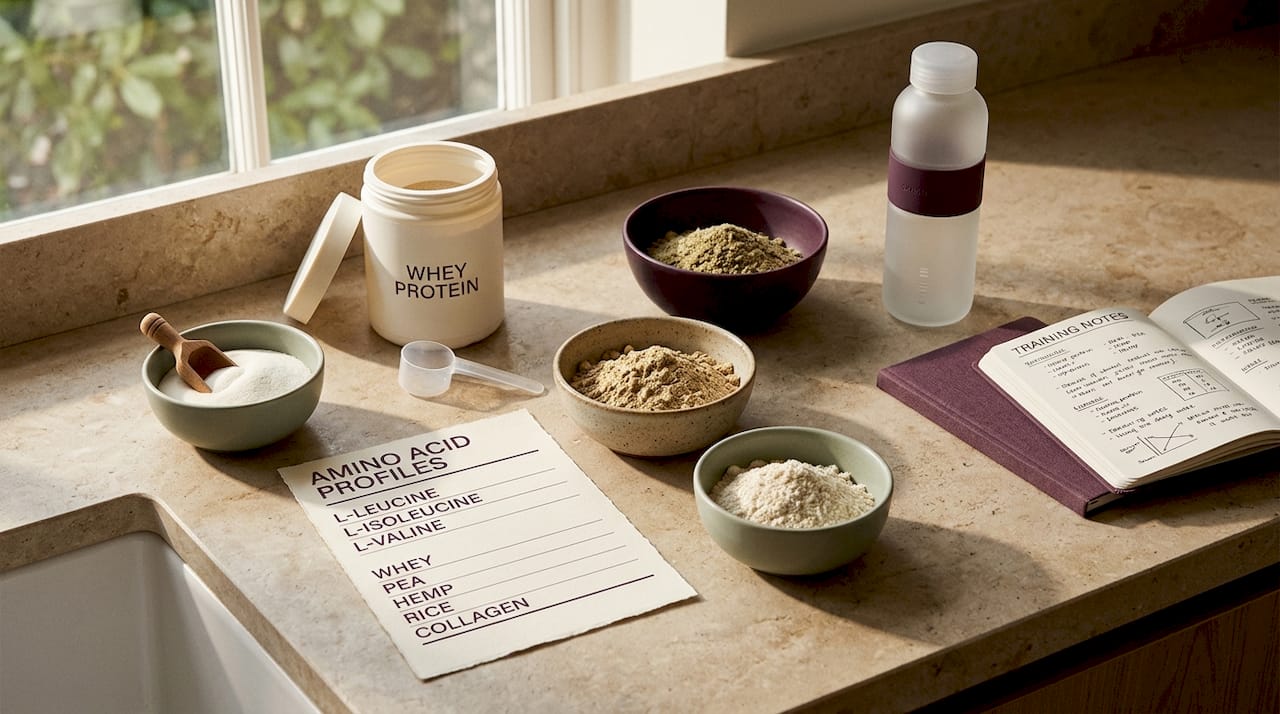
Leucine concentration and kinetics, not just total protein quantity, are the primary drivers of MPS rates. A fast-absorbing protein that spikes leucine rapidly is ideal post-workout. A slower protein that sustains amino acid release over several hours suits overnight recovery. Getting this distinction right separates athletes who plateau from those who keep progressing.
2. Collagen protein: the surprising leader for strength gains
Collagen is the most abundant protein in the human body, found in tendons, ligaments, cartilage, and muscle fascia. For decades it was dismissed as a low-quality protein because it lacks tryptophan and has a lower leucine content than whey. That view has changed significantly.
The largest network meta-analysis to date, covering 78 randomised controlled trials, found collagen protein produces the highest effect sizes for both strength and fat-free mass in adults doing resistance training. This means collagen is not simply a joint supplement. It actively supports the structural adaptations that make you stronger and leaner.
Key benefits of collagen for athletes include:
- Connective tissue repair: Collagen provides glycine, proline, and hydroxyproline, the building blocks tendons and ligaments need to recover from load.
- Muscle repair support: Collagen aids recovery by reducing inflammation and supporting the extracellular matrix around muscle fibres.
- Fat-free mass gains: The meta-analysis data suggests collagen’s structural role in muscle architecture contributes to lean mass improvements beyond what amino acid content alone would predict.
- Joint and bone health: Athletes in high-impact sports benefit from collagen’s role in maintaining cartilage density and bone mineral content.
The recommended dose for athletes is 15 to 20 g per day, ideally taken 30 to 60 minutes before training or immediately after, when collagen synthesis pathways are most active. Pairing collagen with vitamin C further enhances hydroxyproline synthesis.
The limitation worth acknowledging is that collagen is not a complete protein. It should be used alongside whole food protein sources or combined with whey to cover the full amino acid spectrum. Think of it as a specialist tool rather than a sole protein source.
Pro Tip: If you want to explore how collagen specifically supports muscle growth and strength, the evidence now positions it as a primary supplement rather than an afterthought.
3. Whey protein: fast digestion and complete amino acids
Whey protein is derived from milk during cheese production and is the most widely studied high-quality protein for training. It contains all nine essential amino acids and is particularly rich in leucine, the amino acid that directly triggers MPS.
Whey hydrolysate stimulates MPS more than casein and soy, attributed to its higher leucine content and faster digestion rate. The three main forms differ in processing and practical use:
- Whey concentrate: Contains 70 to 80% protein with small amounts of lactose and fat. Cost-effective and well-tolerated by most athletes.
- Whey isolate: 90%+ protein, virtually lactose-free. Better for athletes with lactose sensitivity or those in a calorie deficit.
- Whey hydrolysate: Pre-digested for the fastest absorption. Useful immediately post-exercise when speed of amino acid delivery matters most.
Around 20 g of quickly digestible protein maximises MPS in the early post-exercise window. This is a well-established threshold. Going significantly above 20 g post-workout does not proportionally increase MPS in the acute phase, though total daily intake still matters.
For athletes under anti-doping regulations, third-party certification is non-negotiable. NSF Certified for Sport is the gold standard, verifying that a supplement is free from banned substances and accurately labelled.
Pro Tip: If you are lactose intolerant, whey isolate is typically well-tolerated. Alternatively, a pea and rice protein blend can replicate whey’s amino acid profile without any dairy.
4. Casein, plant-based, and emerging protein sources compared
Choosing the best protein for athletes means understanding the full range of options, not just the two most marketed ones. Here is how the remaining major protein sources stack up.
Casein: the overnight recovery protein
Casein makes up roughly 80% of milk protein and digests slowly, releasing amino acids steadily over four to seven hours. This makes it well-suited to pre-sleep consumption. However, the dosing requirement is higher than most athletes realise. Thirty grams of casein before sleep is often insufficient. A dose of 40 g produces a measurable 22% increase in overnight MPS, while 30 g shows no significant effect. This is a meaningful practical difference.
Plant-based proteins for athletes
Plant proteins like pea isolate, brown rice protein, and soy protein have improved considerably in quality and availability. Soy, potato, and pea isolates now approach animal-based DIAAS (Digestible Indispensable Amino Acid Score) scores when processed correctly. The main challenge remains amino acid imbalances and lower digestibility compared to animal proteins. Blending sources, such as pea with rice, compensates for individual deficiencies and creates a more complete profile.
Plant proteins may produce lower acute MPS responses than whey, but when consumed in blends and adequate daily amounts, they are effective for muscle maintenance and recovery. The key is total daily leucine intake, not the source alone.
Emerging protein sources
Alternative proteins including insect protein, mycoprotein, microalgae, and cultured meat are entering sports nutrition with genuine nutritional credentials. Insect protein is high in essential amino acids and has a low environmental footprint. Mycoprotein (found in products like Quorn) is high in fibre and has a quality amino acid profile. Microalgae such as spirulina and chlorella offer concentrated protein with additional micronutrients. Cultured meat is nutritionally promising but remains expensive and limited in availability.
| Protein source | Digestion rate | Amino acid completeness | Primary use case |
|---|---|---|---|
| Collagen | Moderate | Incomplete (no tryptophan) | Strength, connective tissue, fat-free mass |
| Whey hydrolysate | Very fast | Complete | Acute post-workout MPS |
| Whey concentrate/isolate | Fast | Complete | Daily protein target, post-workout |
| Casein | Slow | Complete | Overnight recovery |
| Pea/rice blend | Moderate | Near-complete | Plant-based daily intake |
| Soy isolate | Moderate | Complete | Plant-based alternative to whey |
| Mycoprotein | Moderate | Good | Sustainable plant-based option |
| Insect protein | Fast | Complete | Emerging sustainable source |
5. How to choose the right protein for your sport and goals
Selecting the right protein source depends on four practical factors: your training type, your recovery window, your dietary preferences, and whether you are subject to doping controls.
-
Match protein type to timing. Use fast-digesting proteins like whey hydrolysate or collagen in the 30 to 60 minutes after training. Use casein or a slow-releasing plant blend in the final meal before sleep. Protein timing and digestibility rate directly influence how much of what you consume actually reaches your muscles.
-
Dose correctly for the window. Post-workout, 20 g of a fast protein is the evidence-backed target. For overnight recovery with casein, you need 40 g or more to see measurable MPS gains. Underdosing casein is one of the most common and costly errors in athlete nutrition.
-
Prioritise certified supplements. If you compete at any level where anti-doping applies, only use products carrying NSF Certified for Sport, Informed Sport, or an equivalent third-party certification. This is not optional. Contaminated supplements have ended careers.
-
Use whole foods as your foundation. Chicken breast, Greek yoghurt, eggs, lentils, and cottage cheese provide protein alongside micronutrients that supplements cannot replicate. Supplements fill the gaps; they do not replace meals.
-
Blend plant proteins strategically. If you follow a plant-based diet, combining pea protein with rice protein covers the full essential amino acid spectrum. Soy protein alone is also a complete source. For plant-based protein for athletes, total daily leucine intake across all meals is the metric to track.
-
Consider collagen as a specialist addition. Given its evidence for strength and fat-free mass, collagen fits best as a daily supplement alongside your primary protein source, not as a replacement for it.
Pro Tip: Tracking your leucine intake across the day, rather than just total protein grams, gives you a far more accurate picture of whether your diet is actually driving muscle adaptation. Aim for 2 to 3 g of leucine per meal.
Key takeaways
The most effective approach to protein for sport combines collagen for structural strength gains, whey for acute post-workout synthesis, and casein or plant blends for sustained overnight recovery, with dosing matched precisely to each window.
| Point | Details |
|---|---|
| Collagen leads for strength | Network meta-analysis of 78 studies ranks collagen highest for strength and fat-free mass gains. |
| Whey hydrolysate for post-workout | 20 g of fast-digesting whey maximises MPS in the acute post-exercise window. |
| Casein needs higher doses | 40 g before sleep produces measurable overnight MPS; 30 g does not. |
| Plant blends work when dosed correctly | Pea and rice protein combined approach animal protein quality when total daily leucine is sufficient. |
| Certification protects athletes | NSF Certified for Sport or Informed Sport certification is the minimum standard for competitive athletes. |
Why the whey-vs-plant debate misses the point
The conversation in sports nutrition has been dominated by a binary: whey protein versus plant protein. After years of reading the research and watching athletes make decisions based on that framing, I think it is the wrong question entirely.
The real variables are timing, dose, and what you are trying to repair. Collagen’s rise in the meta-analysis data is a perfect example of what gets missed when the debate stays narrow. Nobody was asking whether collagen could outperform whey for strength gains because collagen was categorised as a beauty supplement. The data says otherwise, and athletes who ignored it left gains on the table.
I have also seen plant-based athletes perform at the highest level, not because plant proteins are equivalent gram-for-gram to whey, but because they were disciplined about total daily leucine and used complementary blends intelligently. The protein source matters less than the system around it.
Sustainability is a genuine consideration too. Insect protein and mycoprotein are not fringe ideas any more. They have the amino acid profiles and the environmental credentials to become mainstream in sports nutrition within the next decade. Experimenting now, with guidance from a registered sports dietitian, puts you ahead of that curve.
The most honest advice I can offer is this: stop optimising for one protein type and start optimising for a protocol. Fast protein post-workout, slow protein overnight, collagen daily, and whole foods as the base. That combination, adjusted for your sport and body weight, will outperform any single-source strategy.
— Sam
Collagen protein for athletes: try Kudunutrition
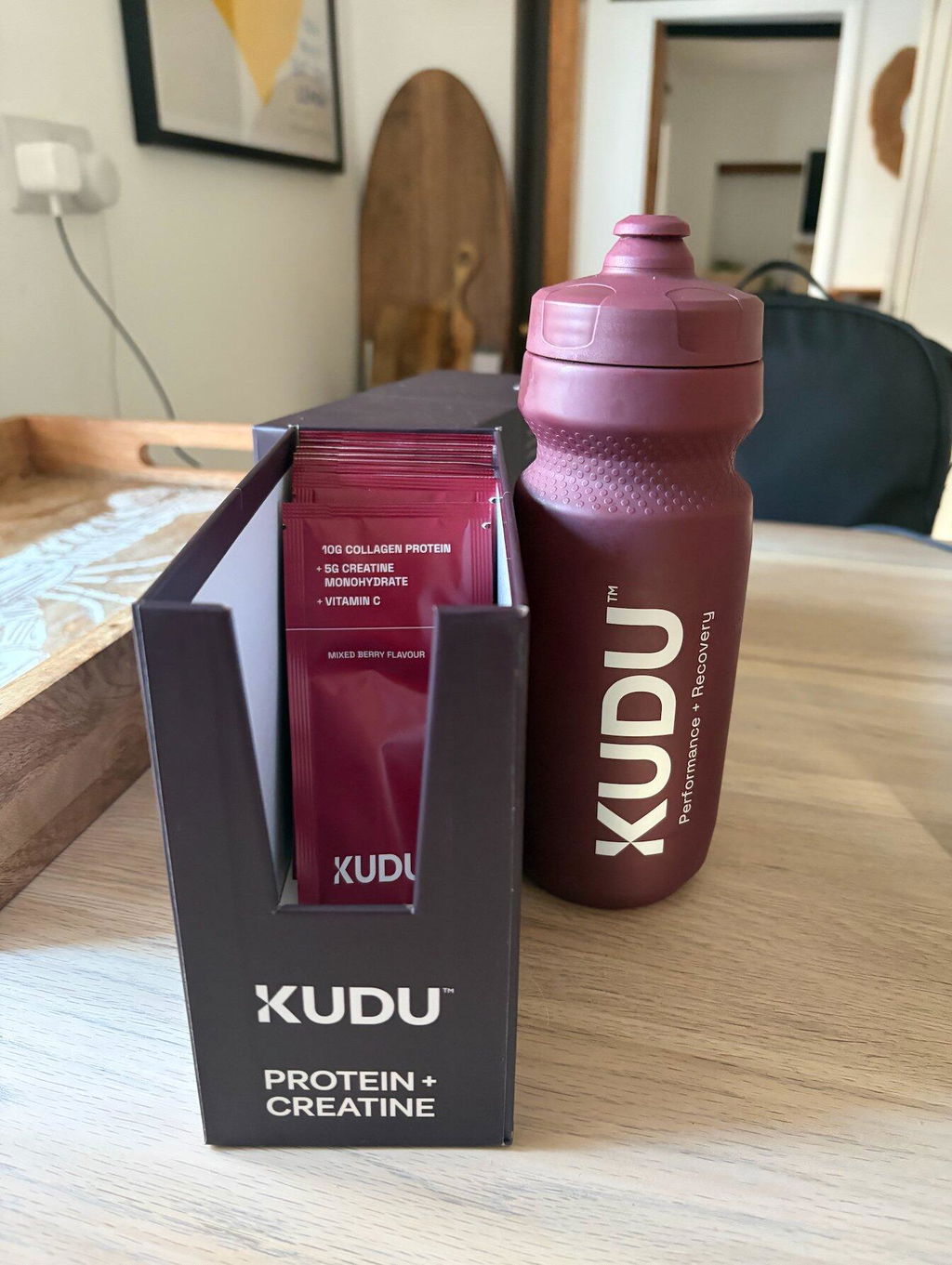
If the evidence for collagen has caught your attention, Kudunutrition makes it straightforward to add to your training routine. Their liquid collagen protein sachets deliver 20 g of collagen protein per serving in a convenient, ready-to-drink format with no mixing required.
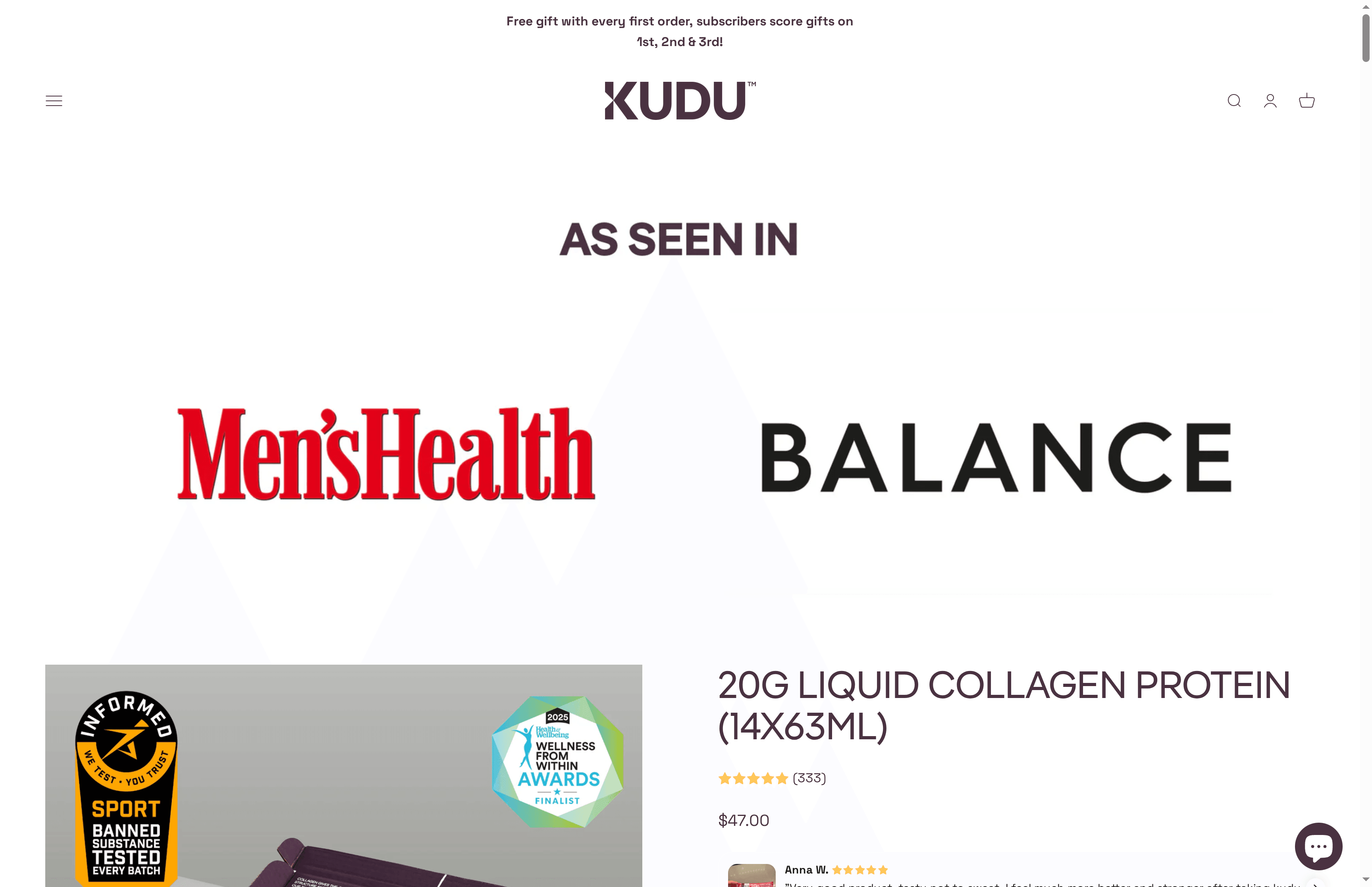
Each sachet is designed for athletes who want the structural benefits of collagen without the inconvenience of powders. The range is third-party tested, clearly labelled, and available in multiple flavours including sour cherry. If you want to test the product before committing, the collagen protein trial pack is the lowest-risk starting point. For athletes who also want creatine support, Kudunutrition offers a collagen and creatine daily sachet combining both in one product.
FAQ
What is the best protein for athletes overall?
The best single answer depends on the goal. For strength and fat-free mass, collagen ranks highest in a 2026 network meta-analysis of 78 studies. For acute post-workout muscle protein synthesis, whey hydrolysate is the most effective option due to its leucine content and fast absorption.
How much protein do athletes need per day?
Most sports nutrition guidelines recommend 1.6 to 2.2 g of protein per kilogram of body weight per day for athletes in regular training. Distribution across meals matters as much as the total, with each meal ideally containing 20 to 40 g depending on the protein source.
Is plant-based protein effective for sport?
Plant-based protein is effective when consumed in sufficient quantities and as complementary blends such as pea combined with rice. Soy isolate is a complete protein on its own. The key is meeting daily leucine targets across all meals, not just relying on a single plant source.
Does collagen count as a complete protein?
Collagen is not a complete protein because it lacks tryptophan. It should be used alongside complete protein sources rather than as a sole protein supplement. Its unique amino acid profile makes it highly effective for connective tissue repair and structural strength gains.
Why does casein require a higher dose than whey?
Casein digests slowly, releasing amino acids over four to seven hours. Research shows that 40 g before sleep increases overnight muscle protein synthesis by approximately 22%, while 30 g produces no measurable effect. The slower release rate means a larger dose is needed to cross the threshold for MPS stimulation.