

TL;DR:
- Animal-derived collagen, especially types I and II, shows the strongest evidence for joint support.
- Clinical benefits from collagen supplements typically appear after 3 to 6 months of consistent use.
- Pairing collagen with vitamin C and regular movement maximizes joint repair and pain reduction.
If you are trying to manage joint discomfort or speed up recovery after exercise, the sheer number of protein options on the market is genuinely confusing. Whey, collagen, pea, soy — they all claim joint benefits, but the evidence behind them varies enormously. Collagen types I, II, and III from animal sources form the backbone of clinical guidance for joint care. This article cuts through the noise and gives you a clear, evidence-backed framework so you can choose the right protein for your joints with confidence.
Table of Contents
- How to select the best protein for joint support
- Animal-based collagen sources: proven options
- Plant-based protein options: support for joint health
- Comparing top protein sources for joint care: summary table
- The overlooked truth about protein for joints
- Where to buy collagen protein for joint care
- Frequently asked questions
Key Takeaways
| Point | Details |
|---|---|
| Collagen is key | Animal-derived collagens, especially types I and II, are consistently linked to improved joint health. |
| Plant proteins support synthesis | Plant-based proteins do not contain collagen but help provide the amino acids and vitamin C needed for its formation. |
| Expect gradual results | Noticeable benefits from collagen supplements for joint pain usually appear after three to six months of consistent use. |
| Combine for best effect | Combining collagen intake with vitamin C and regular movement amplifies its impact on joints. |
How a KUDU shot compares to other collagen formats
Most collagen products give you a fraction of the dose the studies used, and make you mix it yourself. Here is how the common UK formats stack up on the numbers that matter.
| KUDU liquid shot | Collagen powder | Beauty collagen shots | Tablets / capsules | |
|---|---|---|---|---|
| Collagen per serving | 20,000mg | 5,000–10,000mg per scoop | typically 5,000–10,000mg | 500–1,000mg per tablet |
| Preparation | Ready to drink, two sips | Scoop, mix, shake | Ready to drink | 10–20 pills for a 10g dose |
| Sugar | 0g | Varies (often flavoured) | Often 2–5g | 0g |
| Calories | 85 kcal | ~40 kcal per 10g | 30–60 kcal | Negligible |
| Batch-tested for sport | Informed Sport certified | Some brands | Rarely | Rarely |
| Cost per 1,000mg collagen | 12.5p (one-time price) | UK average ~34p across formats | Usually the most expensive per mg | High per mg |
Powder, beauty-shot and tablet columns describe typical mainstream UK products; ranges are indicative. KUDU figures are per 63g sachet. The 34p UK average is KUDU's own comparison of 15 UK brands' listed one-time prices, shown on the 14-pack product page.
How to select the best protein for joint support
Not all proteins work on joints in the same way. Before picking a supplement or food source, it helps to understand what actually matters for cartilage, synovial fluid, and pain reduction.
There are three criteria worth prioritising:
- Bioavailability — how efficiently your body absorbs and uses the protein. Hydrolysed collagen peptides score exceptionally well here because they are broken into smaller chains that the gut absorbs rapidly.
- Collagen content and type — types I, II, and III matter most for joints. Type II is found almost exclusively in cartilage, making it the most targeted option for conditions like osteoarthritis (OA).
- Clinical evidence — is there robust, peer-reviewed data? Randomised controlled trials (RCTs) with real outcome measures like pain score changes and mobility assessments are the gold standard.
Animal proteins vs. plant proteins: a quick comparison
- Animal-derived collagen proteins: High bioavailability, direct source of types I, II, and III collagen, supported by multiple RCTs, rich in the key amino acids glycine, proline, and hydroxyproline
- Animal-derived (non-collagen) proteins (e.g., whey): Good bioavailability, excellent for muscle repair, but negligible collagen content and limited evidence for joint pain specifically
- Plant-derived proteins: No direct collagen at all, but provide amino acids that the body can use to synthesise collagen internally; evidence for direct joint pain relief is weaker
Hydrolysed collagen peptides provide the precise amino acid profile your body needs for cartilage repair and measurably reduce joint pain and stiffness in multiple clinical settings. The amino acid profile of collagen is unlike almost any other protein — roughly one-third of it is glycine, which plays a central role in connective tissue formation.
Learning more about collagen and mobility can help you understand why standard whey protein, despite its popularity in gyms, simply does not deliver the same joint-specific results.
Expert note: Reduction in joint pain scores from collagen supplementation is consistently observed in trials lasting 12 to 24 weeks, with some participants reporting meaningful functional improvements in stair climbing and walking endurance within eight weeks.
Pro Tip: Take your collagen supplement alongside a vitamin C-rich food or drink — orange juice, kiwi fruit, or a vitamin C tablet. Vitamin C is essential for the enzymes that convert collagen peptides into structural collagen within the joint. Pairing this with light movement or resistance exercise maximises uptake into cartilage tissue.
Animal-based collagen sources: proven options
Once you know what criteria to apply, the next step is identifying which animal-derived sources actually deliver. The options range from everyday foods to targeted clinical supplements.

Top animal-based food sources of collagen
Bone broth, chicken cartilage, fish skin, beef tendons, and chicken skin are among the most bioavailable whole-food collagen sources you can eat. Each provides a slightly different collagen profile:
- Bone broth (beef or chicken): Primarily types I and III collagen; also contains glycine, glucosamine, and chondroitin from the bone marrow
- Chicken cartilage: Rich in type II collagen; one of the few whole-food sources that targets articular cartilage directly
- Fish skin and scales: Predominantly type I collagen; research suggests marine collagen has smaller peptide size than bovine sources, which may aid absorption slightly
- Beef and pork skin: Types I and III collagen; widely available and cost-effective
Pro Tip: Chicken cartilage and fish skin are often discarded, but they are among the highest-yield collagen foods available. If you are making stock or broth, leave the cartilage in and simmer for at least four hours to maximise collagen extraction.
Collagen supplements: peptides vs. UC-II
Beyond food, two categories of supplements stand out in the research:
- Hydrolysed collagen peptides — these are broken-down chains of collagen (mostly types I and III) that the gut absorbs efficiently. Typical clinical doses range from 5g to 15g per day, and the research points to consistent reductions in pain scores over 12 to 24 weeks.
- Undenatured type II collagen (UC-II) — this works through a completely different mechanism. Rather than providing building blocks for repair, UC-II works via oral tolerance, training the immune system to reduce its inflammatory response to cartilage proteins. Remarkably, UC-II outperforms glucosamine and chondroitin for knee osteoarthritis pain and function, often at a much lower dose (just 40mg per day).
| Source | Collagen type | Typical dose | Primary benefit |
|---|---|---|---|
| Hydrolysed peptides | I and III | 5–15g/day | Cartilage repair, pain reduction |
| UC-II | II (undenatured) | 40mg/day | Immune modulation, OA symptom relief |
| Bone broth | I and III | Variable | General joint and gut support |
| Chicken cartilage | II | Variable | Targeted cartilage support |
| Marine collagen | I | 5–10g/day | Structural repair, skin and joint |
Clinical trials confirm that both UC-II and hydrolysed collagen reduce joint pain and improve mobility, though they do so through different pathways. The choice between them often depends on the severity of the condition and individual tolerance.
Understanding collagen dosing for joints is essential before you commit to a product. More is not always better, particularly with UC-II where the clinical dose is deliberately low.
Plant-based protein options: support for joint health
If you follow a vegan or vegetarian diet, you will not find collagen in any plant food — plants simply do not produce it. That is not a reason to give up on joint health, but it does mean adjusting your strategy.
Plants can support collagen synthesis by providing the raw materials your body uses to make it internally. The key nutrients to prioritise include:
- Glycine and proline: Found in legumes, soy protein, and pumpkin seeds; these are the two most critical amino acids in collagen structure
- Vitamin C: Abundant in kiwi, peppers, citrus, and strawberries; absolutely essential for the enzymes that cross-link collagen into stable tissue
- Copper: Found in cashews, sesame seeds, and lentils; a cofactor for lysyl oxidase, the enzyme that strengthens collagen fibres
- Zinc: Present in chickpeas, hemp seeds, and oats; plays a role in collagen synthesis and immune regulation within joints
- Antioxidants (quercetin, resveratrol): Reduce oxidative damage in cartilage, which can slow joint degradation over time
Plant proteins like legumes, soy, and dairy provide the glycine and proline that the body needs for endogenous (self-made) collagen production. Pairing these with vitamin C and collagen synthesis strategies is essential for plant-based dieters who want to maximise joint support.
The honest limitation: A plant-based diet can support joint health through anti-inflammatory mechanisms and collagen precursor supply, but it cannot replicate the direct cartilage-targeted effects of hydrolysed collagen peptides or UC-II. The evidence for measurable pain score reductions is significantly less consistent in plant-only protocols.
A note on evidence strength: For individuals with confirmed osteoarthritis or significant exercise-related joint wear, relying solely on plant-based protein for joint care means working with indirect mechanisms. The gap in clinical outcomes between collagen supplements and plant protein for pain relief is real and documented.
Plant proteins are genuinely valuable as part of a broader joint care strategy. They reduce systemic inflammation, provide key amino acids, and support overall metabolic health. They are, however, a supporting act rather than the lead when direct joint repair is the goal.
Comparing top protein sources for joint care: summary table
Having reviewed all the options, here is a practical head-to-head comparison to help you identify the best fit for your situation.
| Protein source | Joint pain relief | Cartilage repair | Mobility improvement | Suitable for |
|---|---|---|---|---|
| Hydrolysed collagen peptides | Strong | Strong | Moderate to strong | OA, athletes, general joint support |
| UC-II (undenatured type II) | Strong | Moderate | Strong | OA specifically, immune-mediated inflammation |
| Bone broth | Moderate | Moderate | Moderate | General wellness, early-stage joint discomfort |
| Marine collagen | Moderate to strong | Strong | Moderate | Skin and joint combined goals |
| Plant-based amino acids | Mild | Mild | Mild | Vegans, anti-inflammatory support |
| Whey protein | Negligible | Negligible | Mild (via muscle support) | Muscle recovery, not joint-specific |
Who should consider which source?
- Active adults with exercise-related joint soreness: Hydrolysed collagen peptides at 10–15g daily, ideally with vitamin C, taken about 30 minutes before exercise for maximum cartilage uptake
- People with diagnosed osteoarthritis: UC-II at 40mg daily shows the strongest clinical outcomes; consider stacking with hydrolysed peptides for a dual-mechanism approach
- Older adults focused on mobility and bone density: A combination of hydrolysed collagen (types I and III) and bone broth provides a broad structural benefit
- Vegan or vegetarian individuals: Focus on glycine and proline-rich legumes, maximise vitamin C intake, and consider a vegan glucosamine supplement for additional cartilage support
Empirical benchmarks from clinical trials set realistic expectations: meaningful pain reduction (as measured by the VAS pain scale) typically requires 3 to 6 months of consistent daily intake. The CTX-II biomarker, which reflects cartilage breakdown in urine, can be used to track whether collagen supplementation is slowing tissue degradation.
For personalised guidance on which combination suits your lifestyle, the joint health nutrition tips on the KUDU Nutrition blog offer practical, evidence-led advice tailored for active adults.
The overlooked truth about protein for joints
Here is something most supplement articles will not tell you: the protein source matters less than you think if everything else is wrong.
We see it constantly. People invest in high-quality collagen supplements, take them for three weeks, notice nothing, and conclude that collagen does not work. But the mechanisms at play are both structural and immunological. Oral tolerance, where consistent low-dose exposure to collagen proteins gradually reduces inflammatory responses in joint tissue, takes months to establish. There is no shortcut.
The research is also clear that benefits are strongest for OA sufferers and heavy exercisers, while the effect on muscle mass is inconsistent without accompanying resistance training. If you are sedentary and hoping collagen alone will reverse joint pain, you will likely be disappointed. If you are exercising regularly and supporting your intake with good habits, the difference is measurable.
The most impactful thing you can do is treat collagen as a long-term lifestyle choice rather than a short-term fix. Pair it with collagen lifestyle habits like adequate sleep, resistance training, and anti-inflammatory nutrition, and the clinical benefits compound.
“Supplements are not magic. Adherence and synergy with daily habits are what amplify the effect — the research consistently shows this across populations and supplement types.”
Pro Tip: Keep a simple journal for your first three months of collagen supplementation. Note your pain levels on waking, after exercise, and at rest. This makes it far easier to objectively assess whether the supplement is working for your specific body and lifestyle, rather than relying on general impressions.
Where to buy collagen protein for joint care
If you are ready to act on what the evidence supports, quality and dose both matter enormously. Many collagen products on the market underdose, use low-grade sources, or lack third-party certification.

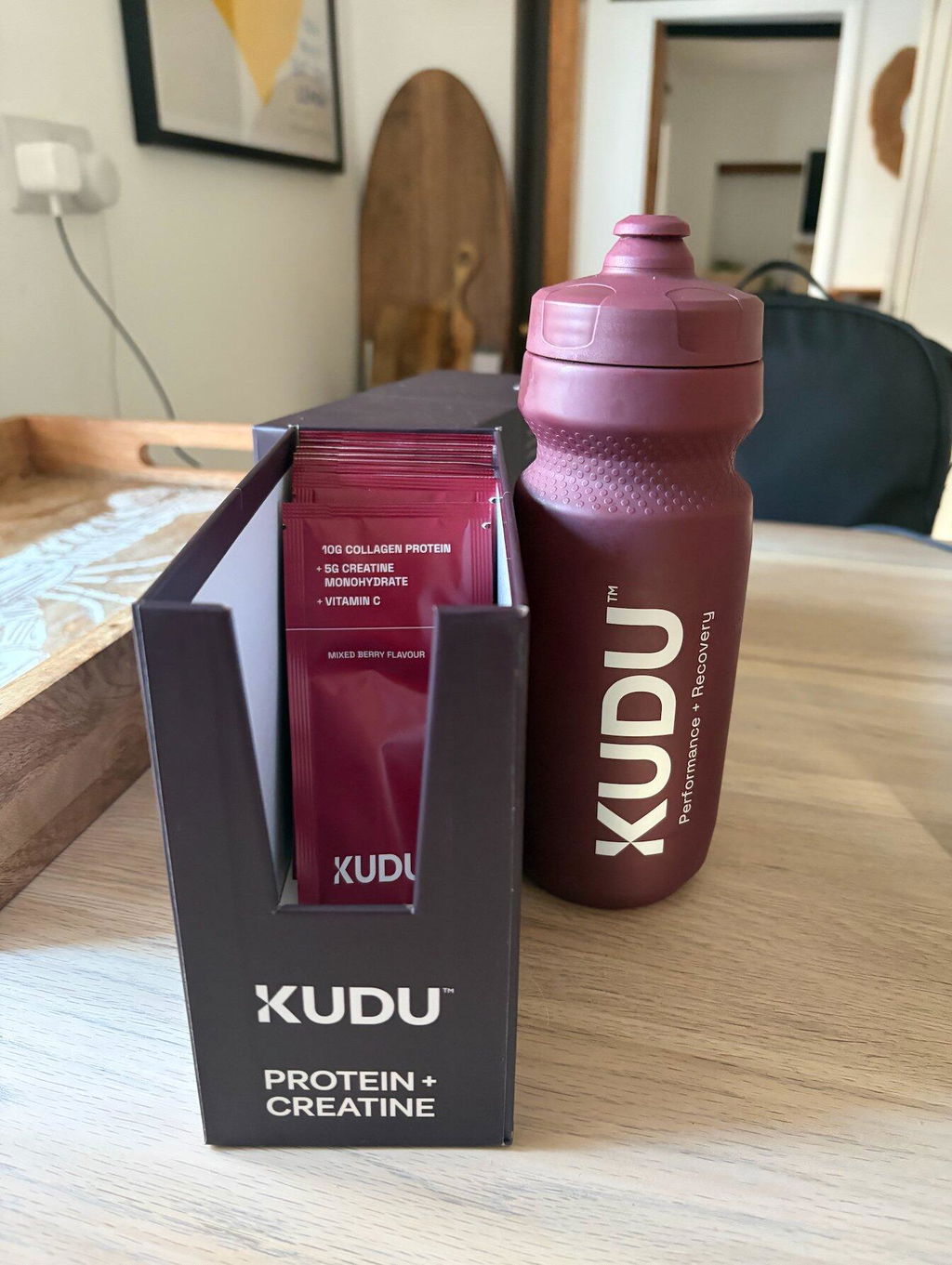
KUDU Nutrition’s collagen protein supplements are formulated to deliver clinically relevant doses in every sachet. Each liquid collagen sachet provides 20g of high-quality collagen protein, is Informed Sport certified, and is designed to taste genuinely good — which matters more than it sounds when you are taking something daily for months. For a convenient starting option, the liquid collagen for joints 14-pack gives you a full two-week run to establish the habit. Explore the full range of collagen benefits and find the format that fits your routine.
Frequently asked questions
What type of protein is best for joint care?
Animal-derived collagens, particularly types I and II, have the strongest clinical evidence for joint health and pain reduction. No other protein class comes close in terms of cartilage-specific outcomes.
How long does it take collagen supplements to work for joints?
Noticeable improvements typically take 3 to 6 months of daily use. Some individuals report reduced stiffness within 8 weeks, but sustained pain score reduction requires consistent, long-term supplementation.
Are plant-based proteins effective for joint pain?
Plants do not contain collagen, but they provide amino acids and antioxidants that support the body’s own collagen production. Their effect on joint pain is indirect and generally weaker than dedicated collagen supplements.
Should collagen be combined with other nutrients for best results?
Yes. Benefits are clearly stronger with exercise and vitamin C. Taking collagen alongside a vitamin C source and incorporating regular movement creates the optimal environment for joint tissue uptake and repair.