
TL;DR:
- A protein shake in the morning provides a quick, nutritious meal with 20 to 40 grams of protein to support muscle repair and satiety.
- Using the Protein-Fat-Fibre framework and blending ingredients in the correct order creates a balanced, energy-sustaining beverage that can be prepared in under five minutes.
- Pre-portioning dry ingredients and timing intake around exercise ensures consistency, nutritional completeness, and optimal recovery benefits.
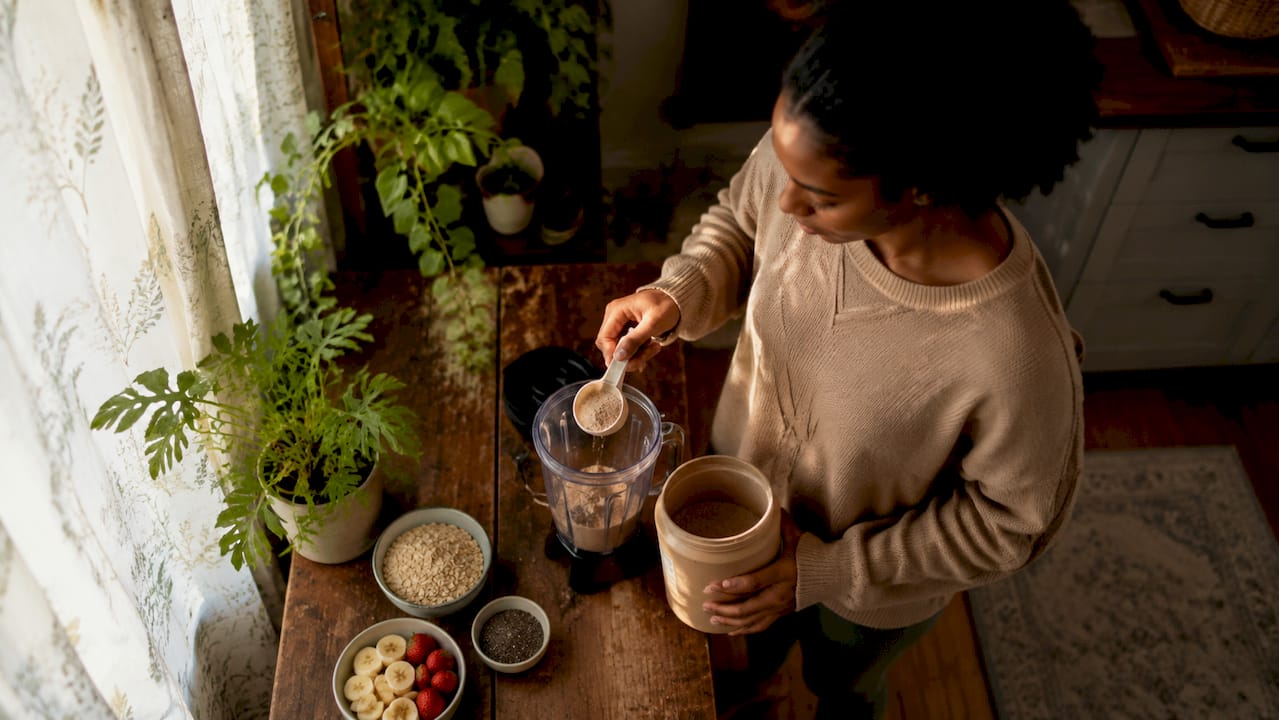
A protein shake in the morning is a fast, nutritious breakfast that delivers 20 to 40 grams of protein to fuel muscle repair, stabilise blood sugar, and keep hunger at bay until lunch. Unlike a bowl of cereal or a slice of toast, a well-built breakfast protein shake functions as a complete meal when you include the right combination of protein, fat, and fibre. The approach is backed by nutrition science and suits anyone managing fitness goals, weight, or simply a packed schedule. This guide covers what to put in your shake, how to prepare it in under five minutes, when to drink it, and how to avoid the most common mistakes.
What makes a protein shake in the morning effective and balanced?
The single most important factor in a morning protein shake is hitting the right protein target. Aiming for 20 to 40 grams of protein at breakfast supports muscle protein synthesis and prevents the mid-morning energy crash that follows a high-carb meal. That range is wide enough to suit both a 60kg recreational runner and a 90kg strength athlete, so adjust to your body weight and training load.
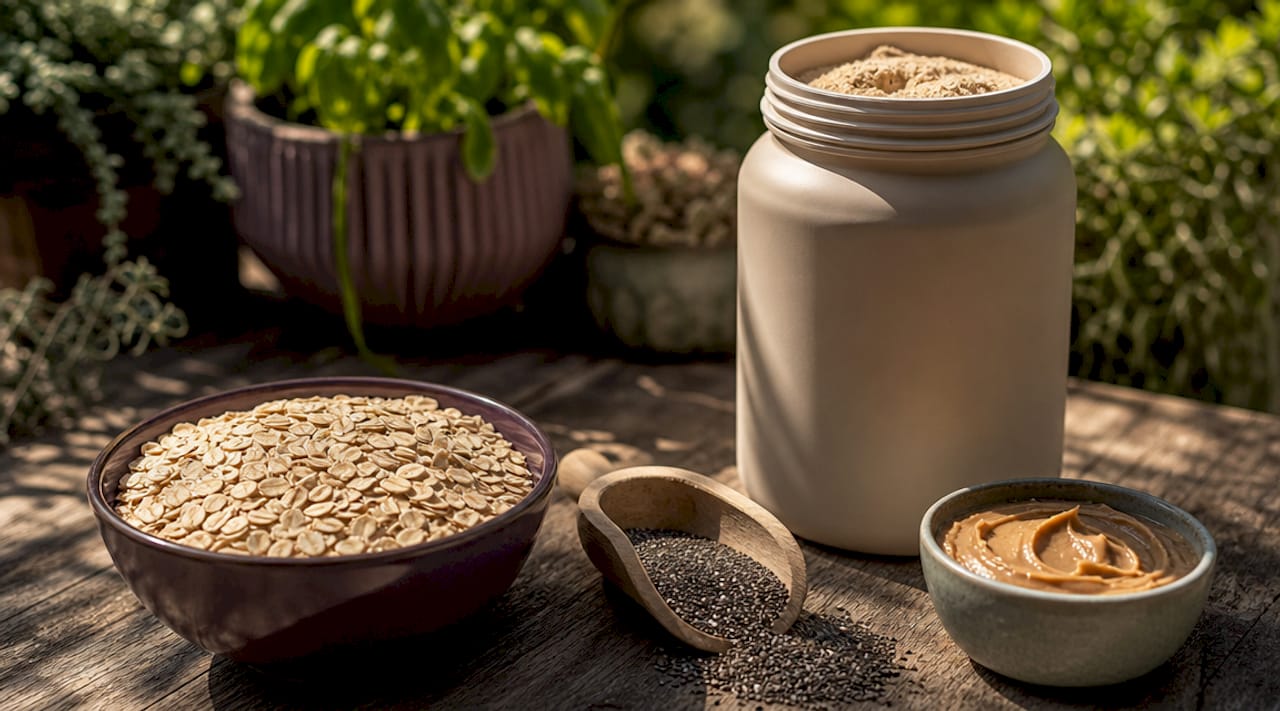
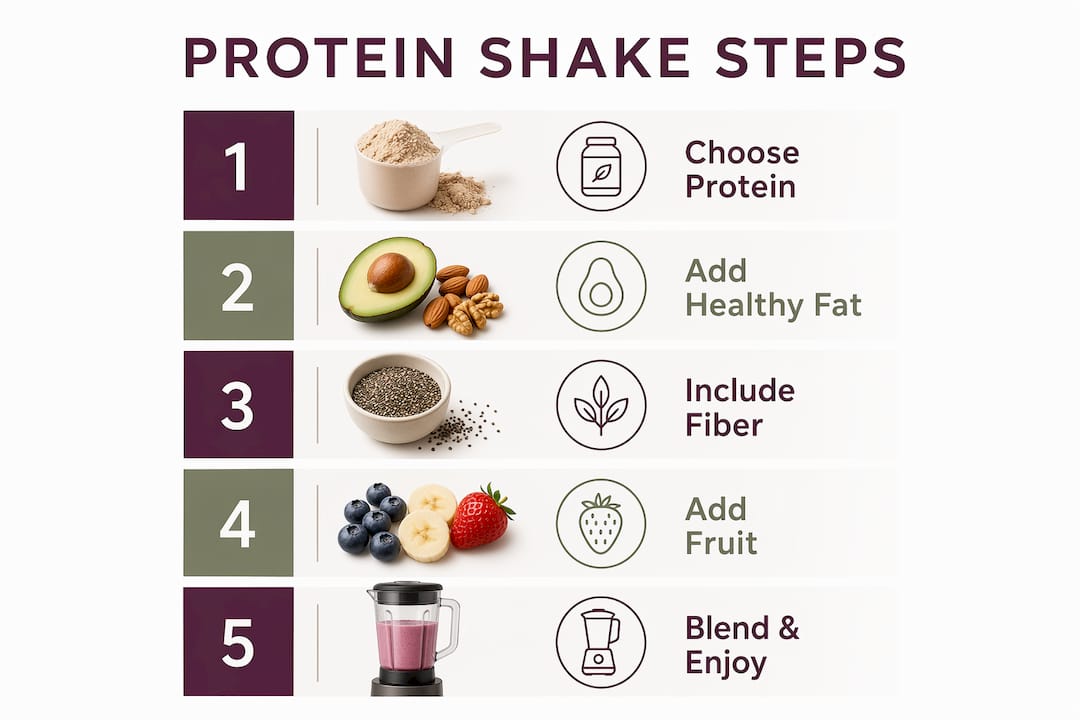
Protein alone is not enough. The Protein-Fat-Fibre (PFF) framework is the most reliable structure for a breakfast shake that sustains energy rather than causing a sugar spike. Each component plays a distinct role: protein triggers satiety hormones, fat slows gastric emptying, and fibre feeds gut bacteria while blunting glucose absorption.
Choosing your ingredients
The table below maps common ingredients to their nutritional role, so you can build a shake that genuinely replaces a meal.
| Ingredient | Category | Key benefit |
|---|---|---|
| Whey, collagen, or pea protein powder | Protein | Delivers 20 to 30g protein per serving |
| Greek yogurt or kefir | Protein + fat | Adds creaminess and probiotics |
| Rolled oats or chia seeds | Fibre | Slows digestion, stabilises blood sugar |
| Almond butter or flaxseed | Healthy fat | Sustains fullness for 3 to 4 hours |
| Spinach or kale | Micronutrients | Adds iron, folate, and vitamin K without altering flavour |
| Frozen berries or banana | Carbohydrate | Provides natural sweetness and antioxidants |
Incorporating fibre and healthy fats such as rolled oats, chia seeds, and nut butters enhances fullness and blood sugar stability far beyond what a plain protein-and-milk shake achieves. That distinction matters if you are trying to manage appetite through a long morning at a desk or between training sessions.
Pro Tip: Add a tablespoon of chia seeds to every shake. They absorb liquid and thicken the texture while contributing 5 grams of fibre and a useful dose of omega-3 fatty acids.
How do you prepare a morning protein shake quickly?
Speed is the whole point of a morning shake, and the preparation sequence matters more than most people realise. Adding liquid first, then solid ingredients, and protein powder last prevents clumping and produces a uniformly smooth texture. Reversing that order traps dry powder under the blades, leaving gritty pockets no amount of blending will fix.
Follow these steps for a consistently smooth result every time:
- Pour 250 to 300ml of your chosen liquid (milk, oat milk, or water) into the blender.
- Add soft ingredients: Greek yogurt, nut butter, or kefir.
- Add solid bulk ingredients: rolled oats, frozen fruit, or spinach.
- Add protein powder or a liquid collagen sachet last, on top of everything else.
- Blend on high for 45 to 60 seconds.
- Adjust thickness with an extra splash of liquid or a few ice cubes.
The table below compares the two main preparation approaches so you can choose what fits your routine.
| Approach | Time required | Best for |
|---|---|---|
| Fresh blend each morning | 3 to 5 minutes | Those with a blender on the counter and fresh ingredients to hand |
| Pre-portioned dry mix + frozen fruit | Under 60 seconds | Busy mornings, travel, or batch-prep weekends |
Pre-portioning dry ingredients the night before, combined with frozen fruit kept in the freezer, reduces morning preparation to under one minute. This single habit removes the main friction point that causes people to skip their shake and grab something less nutritious instead.
Pro Tip: Portion five days of dry ingredients (oats, protein powder, chia seeds, flaxseed) into small zip-lock bags or glass jars on Sunday evening. Each morning, tip one bag into the blender, add liquid and frozen fruit, and blend. The whole process takes less time than making toast.
Before or after a workout: when should you drink it?
Timing a protein shake around exercise is one of the most searched questions in morning nutrition, and the answer is more straightforward than the fitness industry suggests. Protein intake timing is secondary to total daily protein consumption. Whether you drink your shake before or after a morning workout, the benefits for muscle recovery are largely equivalent as long as you hit your protein target across the day.
That said, practical considerations do influence the decision:
- Before training: A lighter shake (20g protein, minimal fat and fibre) digests faster and reduces the risk of discomfort during exercise. Liquid collagen sachets work particularly well here because they are absorbed quickly and do not sit heavily in the stomach.
- After training: A fuller shake with oats, nut butter, and 30 to 40g protein supports glycogen replenishment and muscle repair. This is the better option if you train fasted or if your next meal is more than three hours away.
- On rest days: Protein intake still matters. Muscle protein synthesis continues for up to 48 hours after resistance training, so a daily morning supplement routine that includes adequate protein supports recovery even when you are not in the gym.
For a deeper look at how pre and post-workout nutrition compare, the Kudunutrition guide on pre vs post-workout nutrition covers the evidence clearly. The practical takeaway is to let your appetite and schedule guide timing rather than rigid rules.
Common problems with breakfast protein shakes (and how to fix them)
Most people who abandon their morning shake routine do so because of texture, taste, or a nagging sense that they are missing something nutritionally. All three problems are solvable.
Texture issues are almost always a sequencing or ingredient problem. Gritty shakes result from adding powder before liquid. Watery shakes lack bulk ingredients. Overly thick shakes need more liquid or less oat content. The fix is methodical: follow the liquid-first blending sequence and adjust one variable at a time.
Taste fatigue sets in when you use the same recipe every day. Rotating your fruit base (mango in summer, frozen cherries in winter, banana year-round for creaminess) and varying your protein source prevents boredom. Whole-food protein sources such as Greek yogurt, hemp hearts, and nut butters improve both digestibility and flavour compared to relying solely on powder.
Nutritional gaps are the most serious issue. Relying solely on protein shakes can lead to missing essential micronutrients, particularly vitamin D, calcium, magnesium, and B vitamins. The solution is to build your shake like a meal by adding a handful of spinach or kale, a tablespoon of ground flaxseed, and rotating your fruit choices to cover a range of antioxidants.
Pro Tip: If you find protein powders cause bloating, switch to a hydrolysed collagen protein or a plant-based blend with digestive enzymes. Liquid collagen sachets are particularly easy on the gut because the protein is already partially broken down.
- Use frozen spinach instead of fresh. It blends smoother and has no detectable flavour.
- Add a pinch of cinnamon to any shake. It improves taste and has a mild blood-sugar-regulating effect.
- Store pre-blended shakes in a sealed jar in the fridge for up to 12 hours. Shake well before drinking as separation is normal.
- Avoid adding too many ingredients. Five to seven components is the practical ceiling before the calorie count and preparation time both spiral upward.
Key takeaways
A morning protein shake works best when it follows the PFF framework: protein, fat, and fibre combined in one meal-sized drink that sustains energy and controls appetite for hours.
| Point | Details |
|---|---|
| Hit the protein target | Aim for 20 to 40g of protein per shake to support muscle synthesis and satiety. |
| Use the PFF framework | Combine protein, fat, and fibre to prevent sugar spikes and sustain energy. |
| Blend in the right order | Add liquid first, solids second, protein powder last for a smooth, clump-free result. |
| Prep ahead to stay consistent | Pre-portion dry ingredients the night before to reduce morning prep to under 60 seconds. |
| Build in micronutrients | Add spinach, berries, or ground flaxseed to prevent nutritional gaps from shake-only breakfasts. |
Why I think most people overcomplicate their morning shake
The fitness industry has a habit of turning a five-ingredient blender drink into a 47-step optimisation project, and morning shakes are a prime example. I have seen people spend more time researching the perfect protein-to-carb ratio than they spend actually making the shake. That is the wrong priority.
What I have found actually works is ruthless simplicity. Pick a protein source you enjoy, add one fat, one fibre, one fruit, and a liquid. That is your base. Once that habit is locked in, then you can experiment with collagen for joint support, adaptogens, or greens powders. But the base has to be automatic first.
The other thing I would push back on is the idea that shakes are a lesser breakfast than whole food meals. A well-built shake with Greek yogurt, oats, chia seeds, and a quality protein source contains more nutritional density than most people’s actual breakfasts. The format is not the issue. The ingredients are.
Where I do agree with the sceptics is on variety. Drinking the same shake every day for six months is a fast route to abandoning the habit entirely. Treat your shake like a recipe you are always refining, not a prescription you are following. Swap the fruit seasonally, try a liquid collagen sachet instead of powder once a week, add a handful of frozen cauliflower for creaminess without flavour. The habit sticks when it stays interesting.
— Sam
Upgrade your morning shake with Kudunutrition

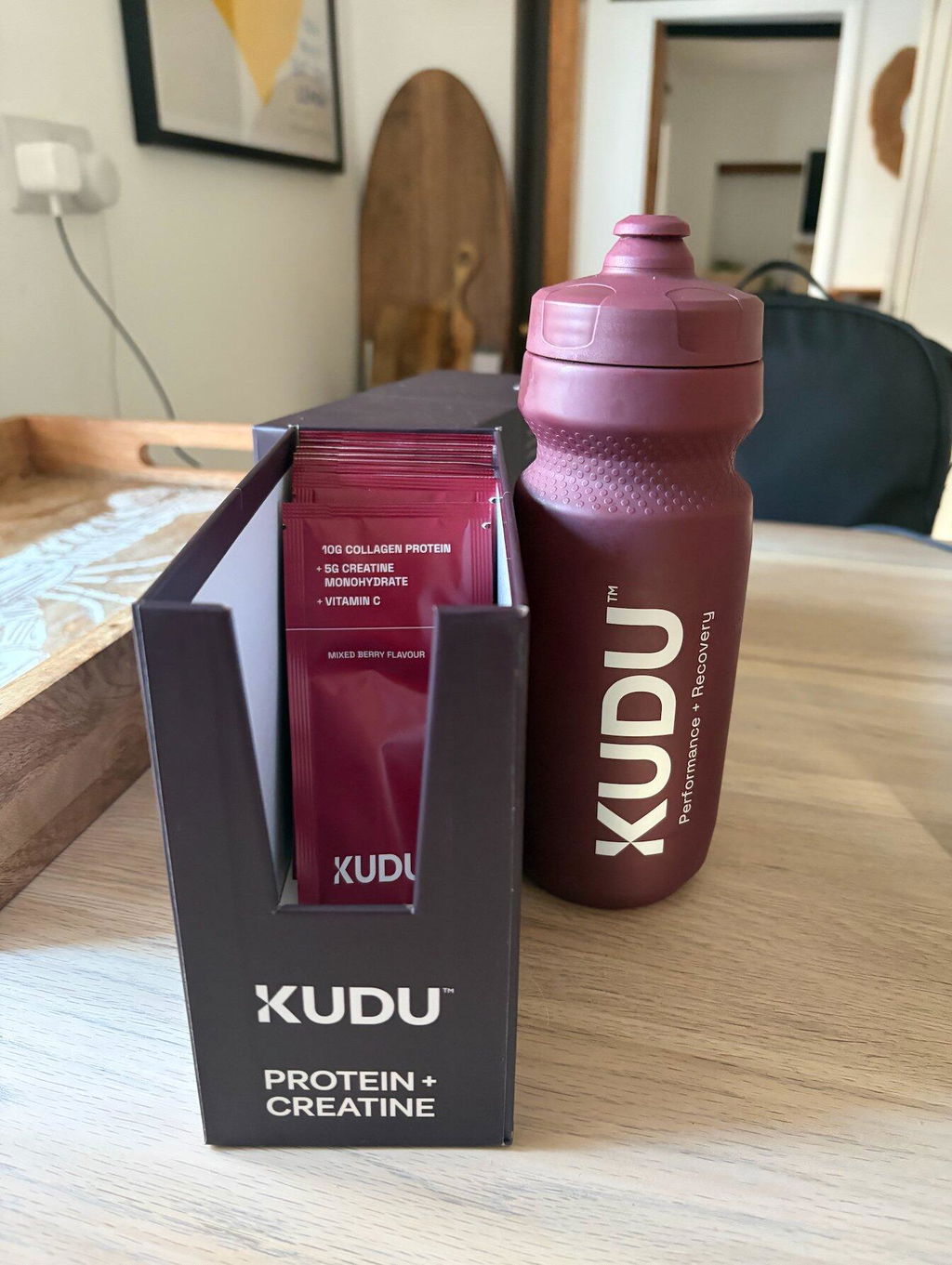
If you want a protein source that dissolves cleanly, tastes good, and adds genuine functional benefits beyond muscle support, Kudunutrition’s collagen protein sachets are worth adding to your morning routine. Each sachet delivers 20g of high-quality collagen protein, certified by Informed Sport, which means every batch is tested for banned substances. Beyond muscle recovery, collagen protein supports skin elasticity, joint health, and bone density, making it a practical choice for anyone who trains regularly or simply wants more from their breakfast shake. The 14-pack collagen protein gives you two weeks of morning shakes with zero preparation complexity. Tip one sachet into your blender with your usual ingredients and you are done.
FAQ
How much protein should a morning shake contain?
A breakfast protein shake should contain 20 to 40 grams of protein to support muscle synthesis and sustain satiety through the morning. Adjust toward the higher end if you train before breakfast or have a long gap until your next meal.
Can a protein shake replace breakfast entirely?
A protein shake can replace breakfast when it is built like a meal, including protein, healthy fat, fibre, and fruit or vegetables for micronutrients. A shake containing only protein powder and milk is not a nutritionally complete meal replacement.
Is a homemade protein shake better than a ready-made one?
A homemade protein shake gives you full control over ingredients, calorie content, and nutrient balance, which makes it easier to avoid added sugars and artificial fillers common in many commercial options. Ready-made shakes are a practical fallback for travel or very early starts.
When is the best time to drink a morning protein shake?
Protein timing is less critical than total daily intake. Drink your shake before training if you prefer a lighter stomach, or after training if you need fuller recovery nutrition. On rest days, drinking it within 30 minutes of waking supports appetite control through the morning.
What can I use instead of protein powder in a morning shake?
Greek yogurt, hemp hearts, chia seeds, and nut butters are all effective whole-food protein sources that improve digestibility and texture compared to powder-based shakes. A combination of Greek yogurt and two tablespoons of hemp hearts delivers roughly 20 grams of protein without any powder.