
TL;DR:
- Protein powders in smoothies effectively boost daily protein intake, support muscle recovery, and enhance satiety without overhauling diets. Blending powder with liquid first prevents gritty texture, with unflavoured options offering versatile flavor compatibility. Combining powders with whole foods like Greek yogurt or tofu optimizes protein content, while third-party testing ensures purity and quality.
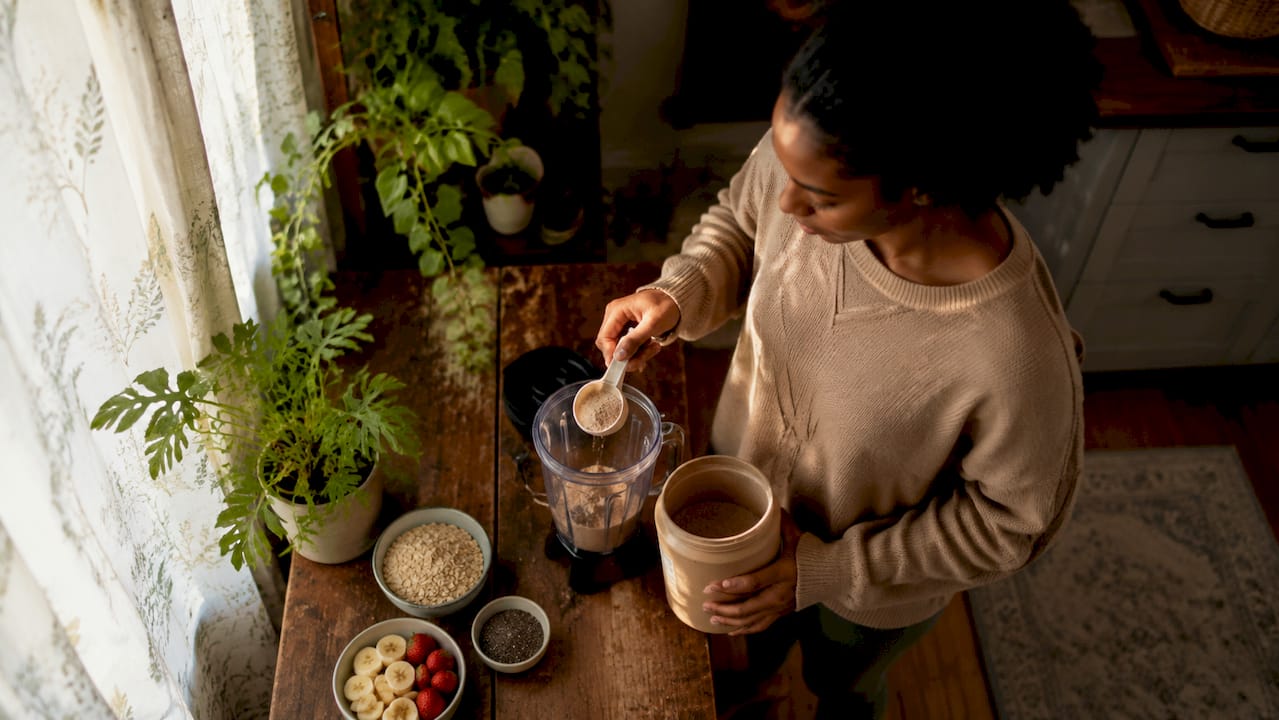
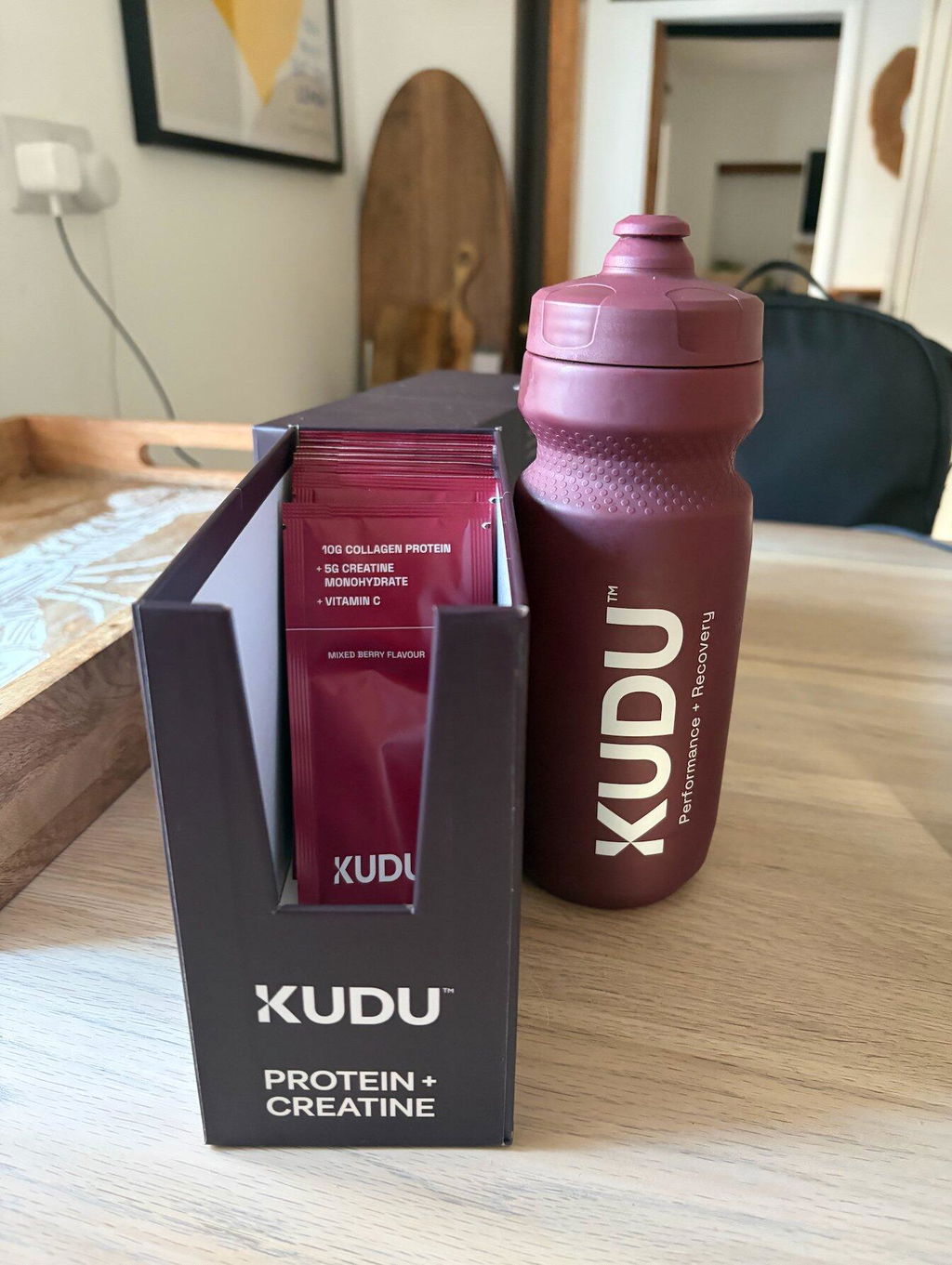
Protein powder for smoothies is one of the most practical ways to increase daily protein intake, support muscle recovery, and improve satiety without overhauling your diet. A single scoop of a quality powder, blended with fruit, liquid, and the right whole-food additions, can deliver 30 to 45 grams of protein in one drink. The options available in 2026 range from whey isolate and plant-based blends to collagen peptides, each with distinct nutritional profiles and blending characteristics. Brands like Optimum Nutrition Gold Standard Whey, Form Superblend, and Kudunutrition collagen gels represent the breadth of what is now available. This guide covers how to choose the right protein type, blend it properly, and build recipes that actually taste good.
What protein powder is best for smoothies?
Choosing the best protein for smoothies depends on your goals, dietary preferences, and how the powder behaves in a blender. Three main categories dominate the market, and each performs differently in texture, flavour, and nutrition.
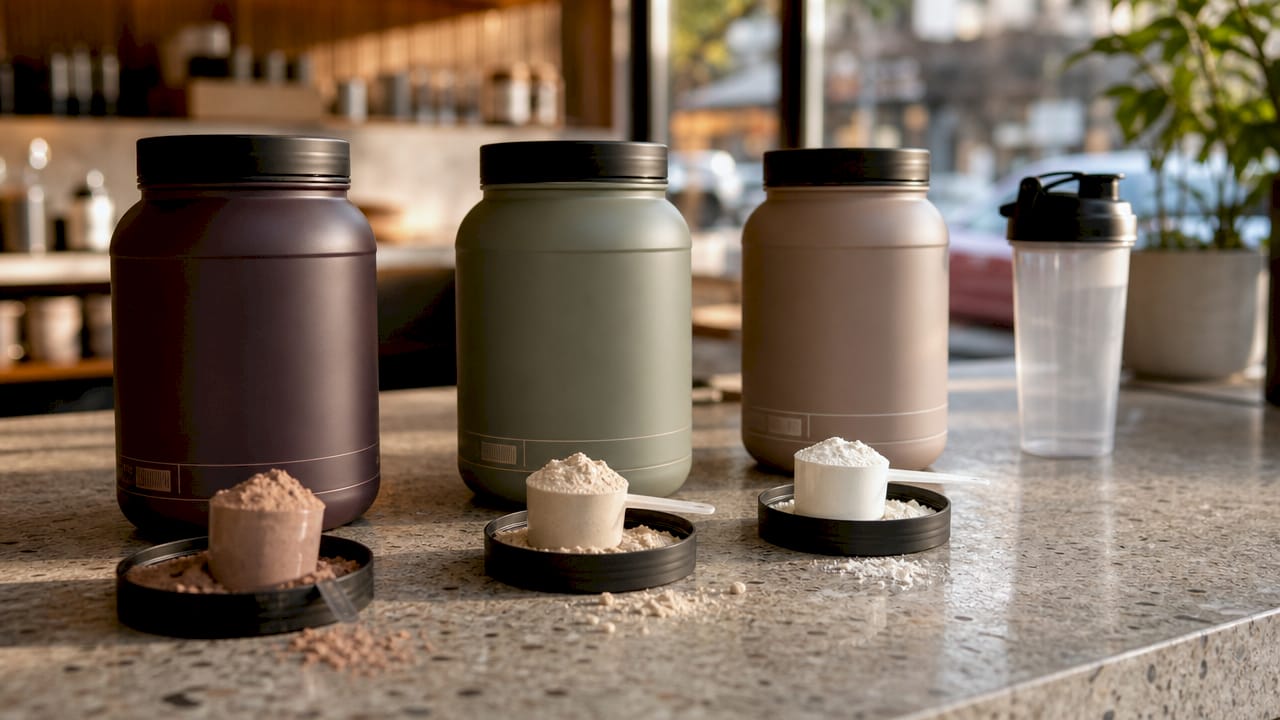
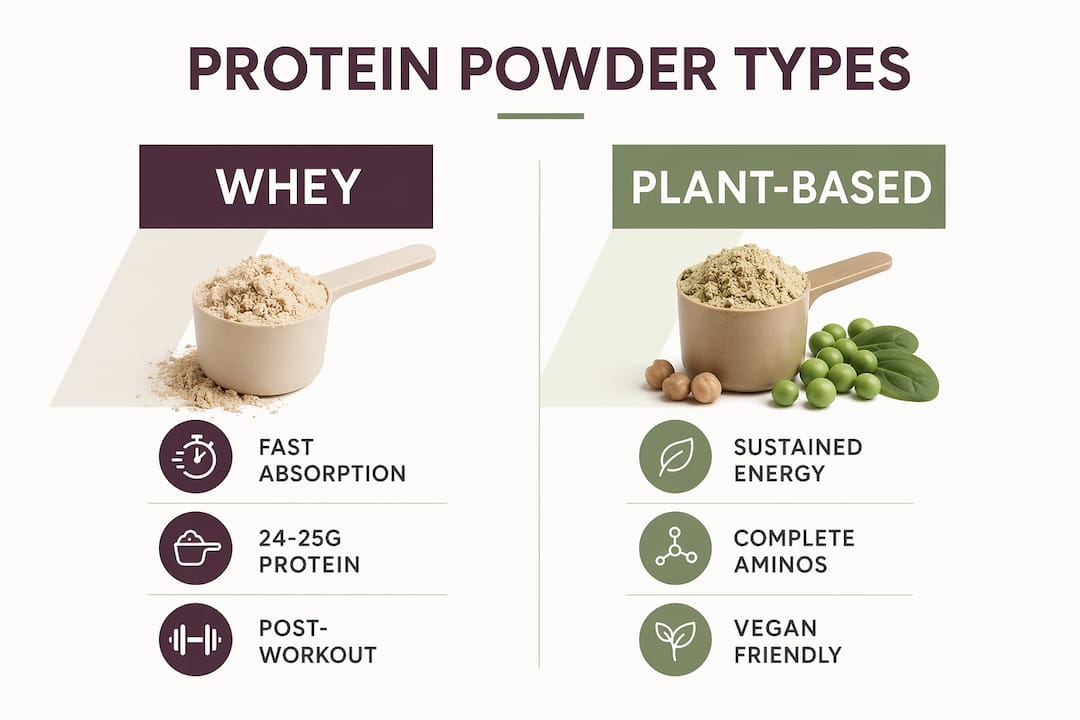
Whey protein isolate is the most studied option for post-workout recovery. Whey isolates typically deliver 24 to 25 grams of fast-absorbing protein per serving with 1 gram or less of sugar and minimal fat. That speed of absorption matters after training, when muscle protein synthesis is most active. Transparent Labs Grass-Fed Whey and similar isolates blend smoothly into cold liquids and carry a mild flavour that pairs well with banana, berries, or oats.
Plant-based protein blends use combinations of pea, brown rice, hemp, and mung bean proteins to build a complete amino acid profile without animal products. Form Superblend is a well-regarded example, combining multiple plant sources to compensate for the lower leucine content found in single-source plant powders. These blends are vegan-friendly and suit those with lactose intolerance, though they can produce a slightly grainier texture than whey. Choosing a blend rather than a single-source powder is the smarter move for amino acid completeness.
Collagen peptides occupy a different category. They support skin elasticity, joint health, and connective tissue repair, making them popular with athletes and those interested in beauty-focused supplementation. Collagen is not a complete protein for muscle building on its own, as it lacks tryptophan, but it contributes meaningfully to daily protein totals and recovery. Collagen protein supplements typically provide 20 grams per serving in a format that dissolves cleanly into smoothies.
| Type | Protein per serving | Flavour profile | Best use |
|---|---|---|---|
| Whey isolate | 24 to 25g | Mild, slightly creamy | Post-workout recovery |
| Plant-based blend | 20 to 22g | Earthy, varies by source | Vegan, everyday nutrition |
| Collagen peptides | 20g | Neutral | Skin, joint, and recovery support |
| Mung bean protein | 20 to 22g | Light, clean | Allergen-free, versatile |
Pro Tip: Look for powders with a certificate of analysis (COA) from a third-party lab. Third-party tested powders confirm purity, amino acid accuracy, and the absence of contaminants, which matters far more than marketing claims on the front of the packet.
How to add protein powder to smoothies without a gritty texture
Texture is the most common complaint about protein smoothies, and it is almost always caused by blending order or powder quantity. The fix is straightforward once you understand why it happens.
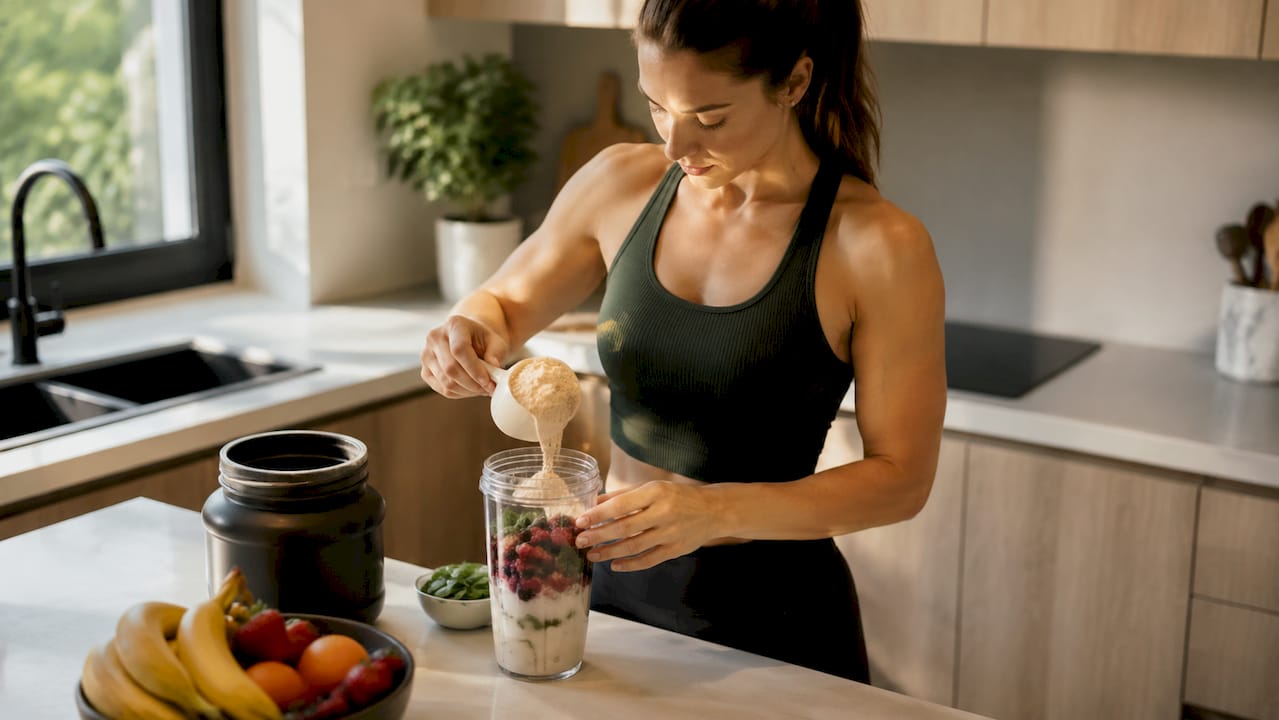
Blending powder with liquid first for 30 to 60 seconds before adding frozen fruit or ice prevents clumping and eliminates the chalky residue that puts people off. Protein powders, particularly plant-based ones, need full hydration before they encounter cold or frozen ingredients. Adding frozen banana or ice cubes too early locks the powder into dry pockets that no amount of further blending will fully break down.
Follow these steps for a consistently smooth result:
- Add your liquid base first. Milk, oat milk, almond milk, or water all work. Use 250 to 300ml as a starting point.
- Add the protein powder directly to the liquid and blend on high for 30 to 60 seconds.
- Add soft ingredients next: Greek yogurt, nut butter, or silken tofu.
- Add frozen fruit, ice, or frozen greens last and blend for a further 30 seconds.
- Taste and adjust. If the texture is too thick, add liquid in 50ml increments rather than extra powder.
The choice of blender matters. A high-speed blender such as a Vitamix or Ninja will produce a noticeably smoother result than a standard countertop model, particularly with plant-based powders that contain fibrous ingredients like hemp or brown rice protein.
Unflavoured protein powders offer the best versatility for flavour combinations. Vanilla or chocolate powders can clash with citrus fruits, matcha, or savoury additions like spinach and ginger. An unflavoured powder lets the natural ingredients carry the flavour without interference from artificial sweeteners.
Pro Tip: A tablespoon of natural peanut butter or almond butter acts as an emulsifier, binding the powder into the liquid and adding creaminess. It also adds around 4 grams of protein and healthy fats that slow digestion and improve satiety.
Protein powder smoothie recipes and whole-food boosters
The most effective approach to high-protein smoothies combines powder with whole-food protein sources rather than relying on multiple scoops of powder alone. Combining powder with whole foods like silken tofu or Greek yogurt allows you to reach 35 to 45 grams of protein per serving without the textural problems that come from doubling your powder dose.
Basic protein smoothie template:
Start with 250ml of your chosen liquid, one scoop of protein powder (20 to 25g protein), one whole-food protein booster, one cup of frozen fruit, and an optional handful of greens. That framework covers the majority of smoothie protein options and adapts to any dietary preference.
Three recipe ideas to try:
Recovery smoothie (whey-based): 250ml whole milk, one scoop whey isolate, 150g frozen banana, 100g Greek yogurt, one tablespoon peanut butter. Protein: approximately 42 grams.
Plant-based green smoothie: 300ml oat milk, one scoop Form Superblend, 80g silken tofu, one cup frozen mango, one large handful of spinach, one teaspoon chia seeds. Protein: approximately 35 grams.
Collagen skin and recovery smoothie: 250ml coconut water, one Kudunutrition collagen gel sachet, 100g frozen mixed berries, one tablespoon hemp seeds, half an avocado. Protein: approximately 28 grams with added healthy fats and collagen peptides.
Whole-food protein boosters to keep stocked:
- Greek yogurt: 10 to 17g protein per 100g serving, adds creaminess and probiotics. Greek yogurt provides more than twice the protein of standard yogurt.
- Silken tofu: 6 to 8g protein per 100g, blends invisibly and adds body without flavour.
- Hemp seeds: 10g protein per 30g serving, rich in omega-3 fatty acids.
- Chia seeds: 5g protein per 30g serving, adds fibre and thickens the smoothie over time.
- Peanut butter: 4g protein per tablespoon, improves texture and adds healthy fats.
For a deeper look at how these sources compare for recovery, the protein sources for muscle recovery guide from Kudunutrition breaks down the science behind each option.
Common mistakes when making protein powder smoothies
Most protein smoothie problems come down to three errors: too much powder, wrong blending order, and poor ingredient choices. Understanding these avoids the frustration of a gritty, overpowering drink that puts you off the habit entirely.
- Using too much powder. Excessive protein powder causes gritty or chalky texture and an overpowering flavour. One scoop per smoothie is the standard starting point. If you need more protein, add whole-food sources rather than a second scoop.
- Adding frozen ingredients too early. Blending frozen fruit or ice before the powder is fully hydrated creates dry clumps that persist through the rest of the blend. Always hydrate the powder in liquid first.
- Choosing powders with added sugars or artificial sweeteners. Many flavoured powders contain sucralose, acesulfame potassium, or maltodextrin. These can clash with fresh fruit and contribute unnecessary additives to what should be a clean drink.
- Ignoring storage guidance. Protein powders absorb moisture and can clump or degrade in flavour if stored near heat or humidity. Keep them sealed in a cool, dry cupboard, not on a kitchen counter near the kettle.
- Skipping third-party verification. A powder without a COA or recognised certification such as Informed Sport is a powder you cannot fully trust. This matters particularly for athletes subject to anti-doping rules.
Protein powders are tools to fill nutritional gaps, not requirements for every meal. Daily protein targets vary significantly by activity level, and the RDA represents a minimum to avoid deficiency rather than an athletic optimum. Build your protein base with whole foods first, then use powder to reach higher targets when needed.
Key takeaways
The most effective protein smoothie combines one scoop of a third-party tested powder with whole-food boosters like Greek yogurt or silken tofu, blended in the correct order to achieve a smooth, high-protein result of 35 to 45 grams per serving.
| Point | Details |
|---|---|
| Choose the right protein type | Whey isolate suits post-workout recovery; plant-based blends suit vegan diets; collagen supports skin and joints. |
| Blend in the correct order | Add powder to liquid and blend 30 to 60 seconds before adding frozen fruit to prevent gritty texture. |
| Combine powder with whole foods | Greek yogurt, silken tofu, and hemp seeds raise protein to 35 to 45g without overloading on powder. |
| Prioritise third-party testing | COA certificates and certifications like Informed Sport confirm purity and amino acid accuracy. |
| Use unflavoured powders for versatility | Unflavoured options avoid flavour clashes with fruit, greens, and spices in complex recipes. |
What I have actually learned from years of protein smoothies
The advice I would give my past self is simple: stop chasing the highest protein number per scoop and start thinking about the whole drink. For a long time, I doubled up on scoops thinking more powder meant better results. What I actually got was a chalky, overly sweet drink I dreaded finishing.
Switching to unflavoured powders changed everything. Suddenly a smoothie with frozen mango, ginger, and oat milk tasted like a drink I wanted, not a supplement I was tolerating. The powder became invisible, which is exactly what it should be.
I have also found that the types of protein for sport matter less than most people think once you are eating a varied diet. The obsession with whey versus plant-based is largely a marketing conversation. What matters more is whether the powder is clean, tested, and fits your digestion. I have worked with collagen-based options more recently and found them genuinely useful for recovery without the digestive heaviness that some whey concentrates produce.
The one thing I would push back on in mainstream smoothie advice is the idea that you need a protein smoothie every day. Some days a whole-food meal serves you better. Use smoothies to fill gaps, not to replace the habit of eating real food. When you do use them, build the recipe around flavour and whole ingredients first, then add the powder as a top-up. That shift in thinking produces better drinks and, over time, a more sustainable nutrition habit.
— Sam
Add clean collagen protein to your smoothie routine
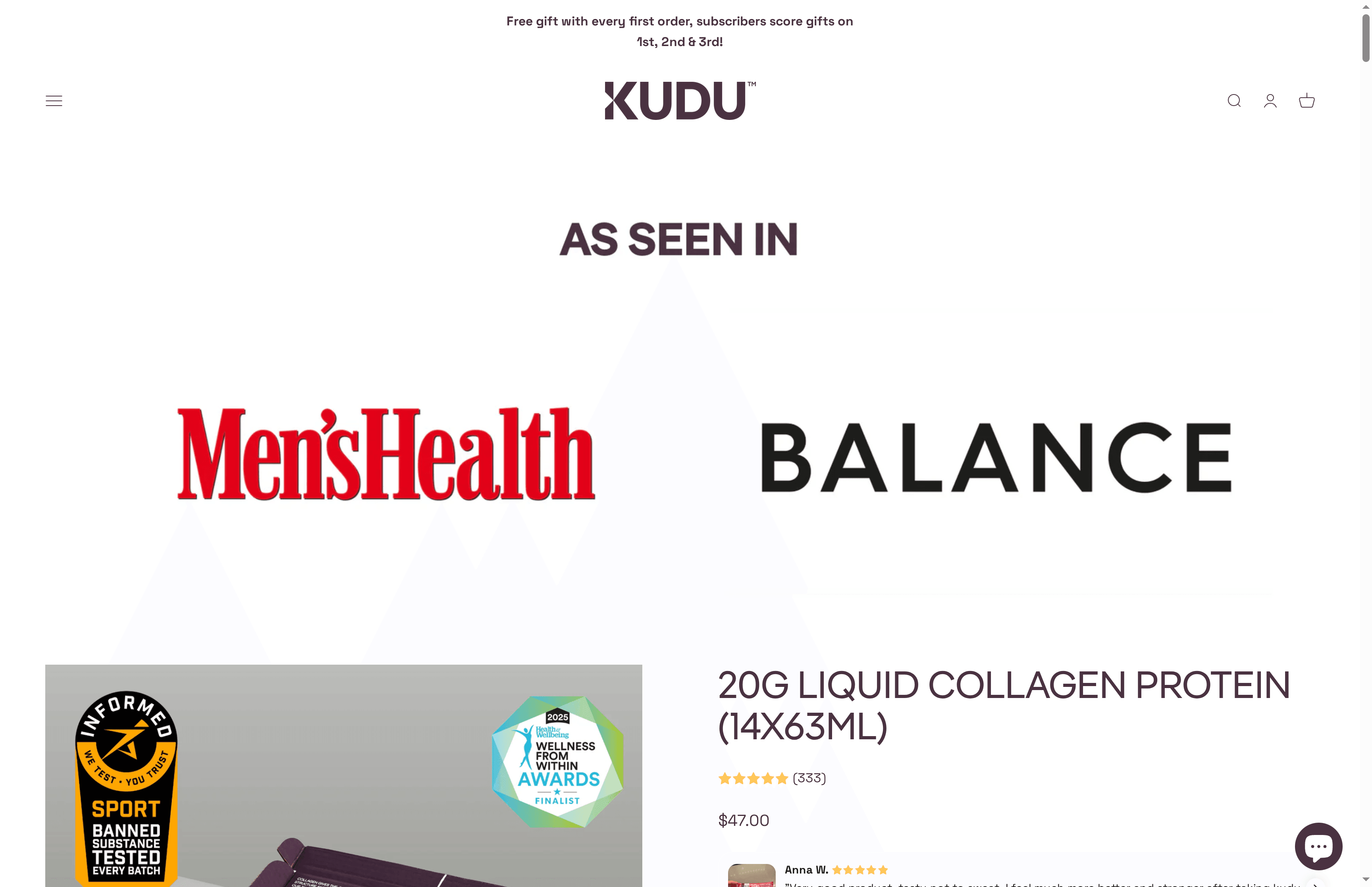
If you are looking for a protein option that supports recovery, skin health, and joint function without the bulk of a traditional powder tub, Kudunutrition’s collagen protein gels are worth adding to your routine. Each sachet delivers 20 grams of collagen protein in a convenient, portable format that blends cleanly into any smoothie base. The product is Informed Sport certified, meaning every batch is tested for banned substances and purity. For health-conscious smoothie enthusiasts who want a clean, effective protein boost with added benefits for skin and connective tissue, this is a practical and well-formulated choice.
FAQ
How much protein powder should I add to a smoothie?
One scoop, typically delivering 20 to 25 grams of protein, is the standard serving for a single smoothie. Adding more than one scoop increases the risk of a gritty texture and provides diminishing returns if whole-food protein sources are already included.
Can I use plant-based protein powder in smoothies?
Plant-based protein powders work well in smoothies, particularly blends combining pea, brown rice, and hemp proteins for a complete amino acid profile. Blending with liquid first for at least 30 seconds reduces the slightly grainier texture common in single-source plant powders.
What is the difference between whey and collagen protein for smoothies?
Whey isolate provides a complete amino acid profile with 24 to 25 grams of fast-absorbing protein per serving, making it the stronger choice for muscle building. Collagen protein delivers around 20 grams per serving and specifically supports skin, joint, and connective tissue recovery rather than muscle protein synthesis alone.
Does protein powder change the taste of a smoothie?
Flavoured powders can significantly alter the taste of a smoothie, sometimes clashing with fresh fruit or vegetables. Unflavoured powders dissolve into the background and allow the natural ingredients to carry the flavour, which most smoothie enthusiasts find preferable for complex recipes.
When is the best time to have a protein smoothie?
Post-workout is the most studied timing for protein intake, as muscle protein synthesis is elevated after training. That said, a protein smoothie works equally well as a breakfast or mid-morning meal when whole-food protein intake has been low.