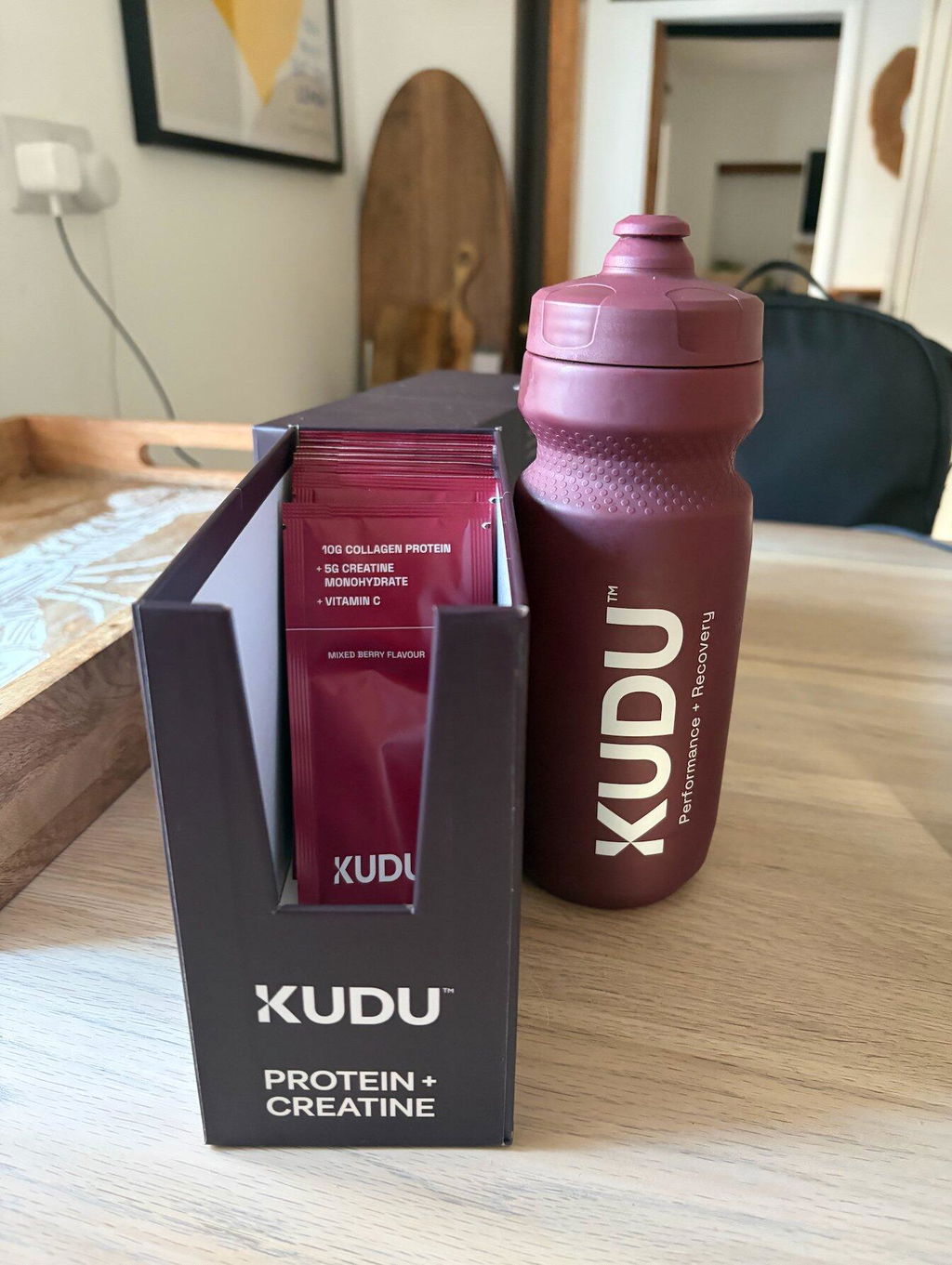


The beauty supplement market is flooded with bold promises, making it genuinely difficult to know what actually works. Collagen is the most abundant structural protein supporting skin, joints, and bones, yet most people either take it alone or pair it with the wrong nutrients. The truth is, collagen works best as part of a carefully chosen nutrient team. This guide cuts through the noise and shows you exactly which beauty nutrients are worth your attention, why they work, and how to combine them for real, visible results.
Table of Contents
- What makes a nutrient a ‘beauty nutrient’?
- Collagen: The beauty protein and why it works
- Vitamin C: The essential collagen co-factor
- The amino acids behind beauty: Glycine, proline, lysine
- Supporting beauty minerals: Zinc, copper, and silica
- How beauty nutrients work together: Synergies and effect boosters
- Comparing the best beauty nutrients: Benefits and food sources
- How to choose the right beauty nutrients for your needs
- Supercharge your beauty routine with premium collagen and nutrients
- Frequently asked questions
Key Takeaways
| Point | Details |
|---|---|
| Collagen leads | Collagen remains the most critical beauty nutrient for skin and joint health, with broad scientific support. |
| Synergy matters | Combining collagen with vitamin C, zinc, copper, and silica amplifies visible and lasting results. |
| Dosing is crucial | Significant changes require the right doses and duration—at least 5-10g of collagen daily for 8 weeks or more. |
| Food-first approach | A nutrient-rich diet maximises results naturally, with supplements filling in where gaps may exist. |
| Evidence is mixed | Some benefits depend on study quality, individual response, and nutrient source so personalisation is key. |
What makes a nutrient a ‘beauty nutrient’?
Not every supplement earns the label. A true beauty nutrient directly influences the health and appearance of your skin, hair, nails, or joints through a clear biological mechanism. It must be backed by research showing measurable, visible outcomes, not just theoretical benefits.
The core mechanisms to look for include:
- Elasticity support: Helps skin bounce back and resist sagging
- Hydration retention: Keeps skin plump and moisture-locked
- Firmness and structure: Strengthens the skin’s scaffolding from within
- Repair and regeneration: Speeds up recovery from damage, UV exposure, or ageing
“The best beauty results don’t come from a single ingredient. They come from collagen working in concert with vitamin C, zinc, and other co-factors that activate and sustain its effects.”
Collagen is the primary beauty nutrient with proven effects on both skin and joints, but understanding why collagen is important for health reveals just how central it is to your entire beauty strategy.
Collagen: The beauty protein and why it works
Collagen makes up roughly 70-80% of your skin’s dry weight, directly controlling its firmness, texture, and moisture levels. As production naturally declines from your mid-twenties, the visible signs of ageing accelerate. Supplementing smartly can slow that process significantly.
Here’s what you need to know about collagen types:
- Type I: The most abundant type, found in skin, tendons, and bones. Best for skin firmness and anti-ageing goals
- Type II: Concentrated in cartilage. Ideal for joint comfort and mobility
- Type III: Found alongside Type I in skin and blood vessels. Supports skin elasticity and wound healing
82% of clinical trials show improvements in skin and joint health with collagen supplementation. That’s a compelling track record. The key is choosing the right form: hydrolyzed collagen peptides from animal sources deliver the best absorption and results, particularly from marine or bovine origins.
For skin benefits, aim for 2.5 to 10g daily. For joint support, studies use up to 15g. Consistency over 4 to 12 weeks is where the real transformation happens. Explore the full breakdown of beauty collagen for skin and joints and the specific advantages of Type I collagen to match your goals precisely.
Vitamin C: The essential collagen co-factor
Paired with collagen, vitamin C is arguably the most important supporting nutrient in your beauty toolkit. Without it, your body simply cannot form stable collagen fibres. It activates two enzymes, prolyl hydroxylase and lysyl hydroxylase, that are essential for weaving collagen into the strong, structured protein your skin relies on.
Vitamin C is required for collagen synthesis and plays a direct role in skin health and repair. A deficiency doesn’t just cause health problems. It visibly ages your skin faster, slows wound healing, and leaves you looking tired.
Top food sources to prioritise:
- Citrus fruits: Oranges, lemons, and grapefruit
- Bell peppers: Red peppers contain nearly three times the vitamin C of an orange
- Berries: Strawberries, blackcurrants, and rosehips
- Leafy greens: Kale, spinach, and Brussels sprouts
Pro Tip: Take your collagen supplement alongside a vitamin C-rich food or a dedicated vitamin C supplement. This pairing actively supports your body’s collagen synthesis process and amplifies the results you’ll see in your skin.
The amino acids behind beauty: Glycine, proline, lysine
Collagen’s remarkable effects on skin and joints come down to its unique amino acid profile. Three stand out above the rest: glycine, proline, and lysine. Together, they form the triple-helix structure that gives collagen its extraordinary tensile strength.
Glycine, proline, and lysine are key amino acids for collagen’s effects on skin and joints, and understanding them helps you choose supplements more intelligently. Glycine supports tissue repair and sleep quality. Proline is critical for skin regeneration. Lysine helps form the cross-links that make collagen fibres resilient.
Best food sources for these amino acids:
- Bone broth: Rich in all three, particularly glycine and proline
- Gelatin: A cooked form of collagen, excellent for cooking and baking
- Animal skin and connective tissue: Chicken skin, pork rind, and fish skin
- Eggs: Particularly egg whites, which are high in proline
Low-molecular-weight collagen peptides, those under 300 daltons, appear most effective for absorption and delivery to skin tissue. When you combine these amino acids in collagen with vitamin C and zinc, you create the ideal conditions for visible beauty results.
Pro Tip: If you follow a plant-based diet, focus on lysine-rich foods like legumes and quinoa, and pair them with vitamin C to maximise what your body can do with the amino acids available.
Supporting beauty minerals: Zinc, copper, and silica
Minerals rarely get the spotlight in beauty conversations, but they quietly power some of collagen’s most important functions. Overlook them and you’re leaving results on the table.

Zinc and copper are essential for collagen synthesis and overall skin health. Zinc activates the enzymes responsible for tissue repair and helps regulate oil production, making it particularly valuable for skin clarity. Copper stabilises collagen and elastin proteins, keeping skin firm and resilient over time.
Silica is the lesser-known hero. It supports the structural scaffolding of both skin and hair, contributing to thickness, strength, and a healthy sheen.
Key food sources for each mineral:
- Zinc: Oysters, pumpkin seeds, lentils, and chickpeas
- Copper: Shellfish, dark chocolate, cashews, and sunflower seeds
- Silica: Oats, bamboo shoots, cucumber, and wholegrains
For a practical, step-by-step guide to collagen intake that incorporates these minerals effectively, it’s worth building your routine around both diet and targeted supplementation. Pairing collagen with beauty-boosting superfoods can further enhance your mineral intake naturally.
Pro Tip: Zinc and copper compete for absorption, so avoid taking high-dose supplements of both simultaneously. A balanced, food-first approach keeps these minerals in the right ratio naturally.
How beauty nutrients work together: Synergies and effect boosters
Individual nutrients are effective. Combined strategically, they become genuinely powerful. The science of nutrient synergy shows that certain combinations amplify each other’s effects in ways that single ingredients simply cannot match.
Synergistic combinations of collagen with vitamin C and minerals yield measurably stronger effects on beauty, bones, and muscle recovery. Recent clinical evidence confirms that duration and dose are just as important as the combination itself.
| Combination | Primary benefit | Recommended duration |
|---|---|---|
| Collagen + vitamin C | Skin firmness and elasticity | 8 to 12 weeks |
| Collagen + zinc + copper | Tissue repair and skin clarity | 8 to 16 weeks |
| Collagen + silica | Hair strength and skin hydration | 12 weeks |
| Collagen + calcium + vitamin D | Bone density and joint support | 12 to 24 weeks |
| Collagen + resveratrol | Anti-ageing and antioxidant protection | 8 to 12 weeks |
For skin-focused goals, the collagen and vitamin C pairing is your starting point. For joint and bone health, adding calcium and vitamin D to the mix strengthens outcomes considerably. The grass-fed collagen benefits article explores how sourcing quality also plays a role in synergy effectiveness.
Pro Tip: Aim for at least 5 to 10g of hydrolyzed collagen daily, taken consistently for a minimum of eight weeks. Results before that window are possible, but the most significant changes in skin texture and joint comfort typically emerge after two months of consistent use.
Comparing the best beauty nutrients: Benefits and food sources
With so many options available, a clear side-by-side comparison helps you prioritise. RCTs and meta-analyses confirm improvements in skin hydration, elasticity, and bone density when beauty nutrients are used consistently and correctly.
| Nutrient | Primary benefit | Best food sources | Supplement form | Evidence rating |
|---|---|---|---|---|
| Collagen (Type I/III) | Skin firmness, hydration | Bone broth, fish skin | Hydrolyzed peptides | ★★★★★ |
| Vitamin C | Collagen synthesis, brightness | Citrus, bell peppers | Ascorbic acid | ★★★★★ |
| Zinc | Tissue repair, clarity | Oysters, pumpkin seeds | Zinc gluconate | ★★★★☆ |
| Copper | Elastin stability | Shellfish, cashews | Copper bisglycinate | ★★★☆☆ |
| Silica | Hair and skin structure | Oats, bamboo | Orthosilicic acid | ★★★☆☆ |
| Collagen (Type II) | Joint comfort, mobility | Chicken cartilage | Undenatured Type II | ★★★★☆ |
For those following a vegan or vegetarian diet, direct collagen supplementation is not possible from plant sources. Focus instead on vitamin C, zinc, silica, and collagen-rich foods that stimulate your body’s own production. Understanding joint health and collagen can also help you tailor your approach based on your specific concerns.
How to choose the right beauty nutrients for your needs
The best beauty results come from a food-first approach supported by targeted supplements where diet falls short. Here’s how to build your personal strategy:
- Define your primary goal. Skin firmness, joint comfort, hair thickness, anti-ageing, or overall glow? Each goal has a lead nutrient.
- Assess your diet honestly. Do you eat oily fish, leafy greens, and varied protein regularly? If not, supplementation becomes more important.
- Match nutrients to your goal. Skin: collagen Type I plus vitamin C. Joints: collagen Type II plus vitamin D. Hair: silica plus zinc.
- Choose quality over quantity. Look for Informed Sport certified supplements, transparent ingredient lists, and hydrolyzed collagen from marine or bovine sources.
- Factor in your lifestyle. High sun exposure, smoking, and low physical activity all accelerate collagen breakdown. Address these alongside supplementation.
- Commit to a timeline. Eight weeks minimum. Track changes in skin texture, joint comfort, and energy levels to assess what’s working.
For a detailed step-by-step collagen guide for joint health, we’ve mapped out exactly how to structure your intake. Combining this with broader collagen lifestyle guidance gives you a complete picture.
Pro Tip: Keep a simple weekly photo log of your skin and note any joint discomfort levels. Objective tracking over 8 to 12 weeks makes it far easier to see genuine progress and adjust your routine with confidence.
Supercharge your beauty routine with premium collagen and nutrients
You now have the science. The next step is making it effortlessly part of your daily life. KUDU Nutrition’s 20g collagen protein gels deliver a research-backed dose of hydrolyzed collagen in a convenient, great-tasting sachet format, no mixing, no mess, no compromise on quality.
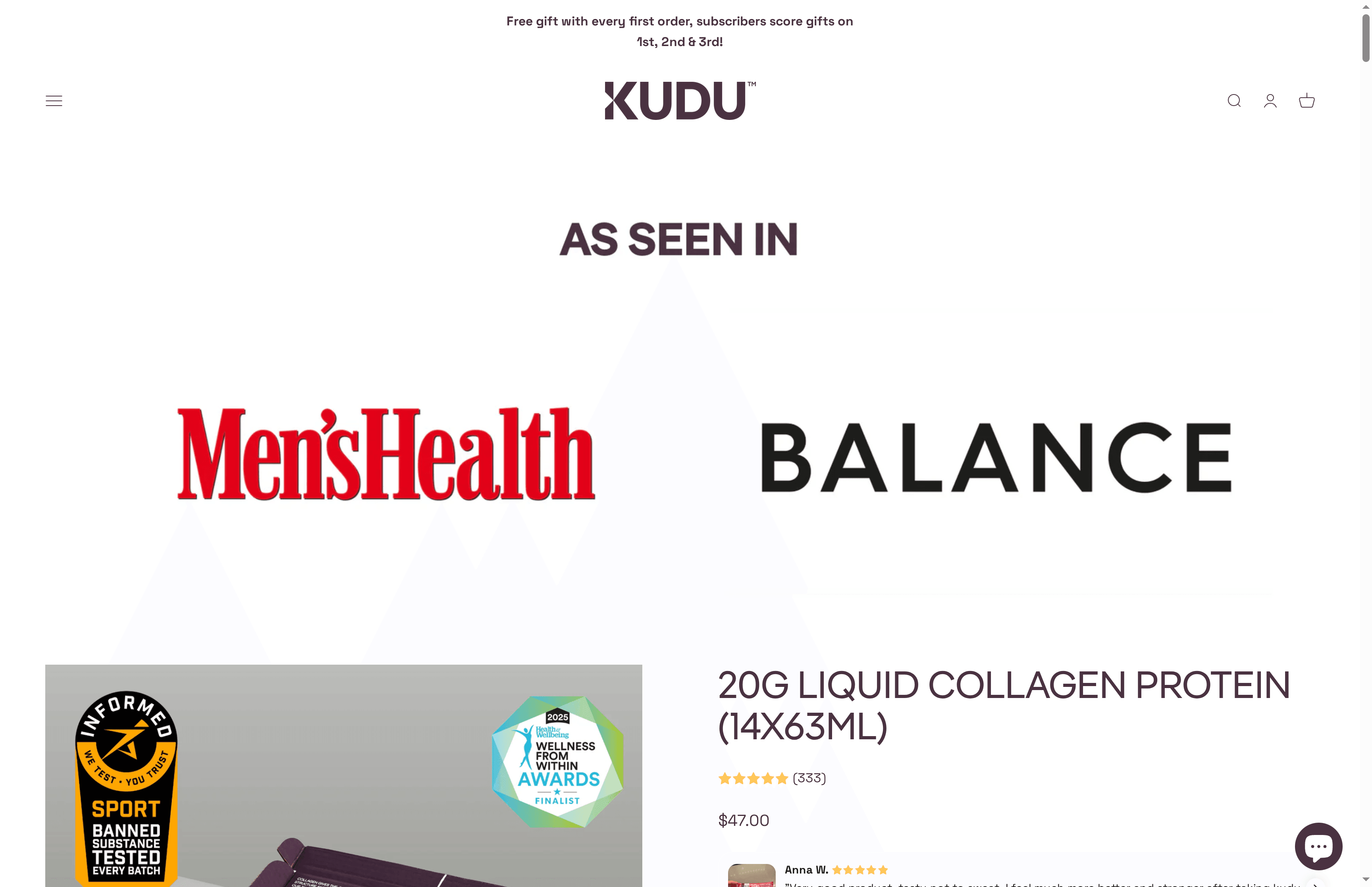
Each sachet is Informed Sport certified, meaning every batch is tested for banned substances and quality assurance. With 20g of collagen per serving, you’re hitting the optimal dose for both skin and joint benefits in a single, portable format. Whether you’re targeting radiant skin, stronger joints, or faster fitness recovery, the 20g collagen protein 14-pack is the ideal way to start. Explore the full range of collagen and beauty solutions and find the combination that fits your goals and lifestyle.
Frequently asked questions
What is the most important beauty nutrient for skin?
Collagen is the primary beauty nutrient with proven effects on skin strength, smoothness, and hydration, confirmed across multiple clinical trials. It forms the structural foundation that all other beauty nutrients support.
Can I get enough beauty nutrients from food alone?
A varied diet rich in protein, vitamin C, and minerals covers many bases, but prioritising diet for collagen support alongside targeted supplements is the most effective approach for visible results.
What’s the ideal dose and duration for beauty nutrient results?
Studies recommend 5 to 10g of collagen daily, paired with vitamin C and key minerals, for a minimum of eight weeks. Dose and duration are key for collagen efficacy, and consistency matters more than any single large dose.
Are plant-based or marine collagens effective?
Animal-derived collagen outperforms plant alternatives for beauty effects due to its unique amino acid profile. Marine collagen is particularly well absorbed and favoured for skin-focused goals.
Is there a risk in taking beauty nutrient supplements?
Most beauty supplements are safe at recommended doses, but clinical evidence on collagen advises consulting a health professional if you have dietary restrictions, allergies, or existing medical conditions before starting a new supplement routine.