


TL;DR:
- Athletic supplementation involves using dietary products to enhance performance, recovery, and health alongside proper training and nutrition. Most effective supplements are protein, creatine, β-alanine, and caffeine, supported by strong scientific evidence. Supplements should support foundational nutrition and be verified by third-party certifications to ensure safety and efficacy.
Athletic supplementation is the deliberate use of dietary products to support performance, recovery, and health alongside a structured training and nutrition plan. The term sits within the broader field of sports nutrition, where the recognised industry phrase is “dietary supplementation for athletes.” No single legal or scientific definition covers every product on the market, which is precisely why the US Dietary Supplement Health and Education Act (DSHEA) and third-party schemes like Informed Sport certification exist. Kudunutrition builds its product range around that same principle: transparent ingredients, verified quality, and a clear role within a food-first approach. Understanding what athletic supplementation actually means is the first step to using it well.
What is athletic supplementation and which supplements have the strongest evidence?
Athletic supplementation is most useful when it targets a specific, measurable gap in your nutrition or performance. The global sports nutrition market grew from US$4.2 billion in 2009 to US$5.67 billion in 2016, reflecting how widely athletes now rely on these products. That scale also means the market is crowded with products that range from well-evidenced to entirely unsupported.
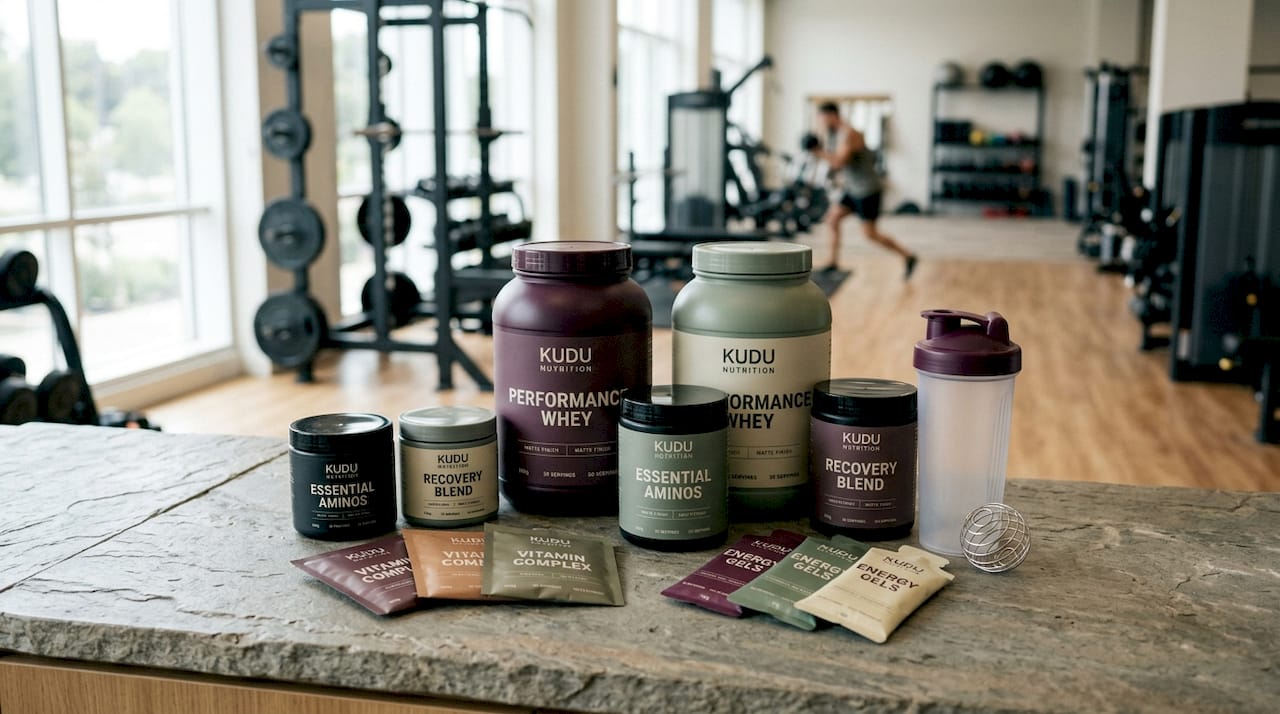
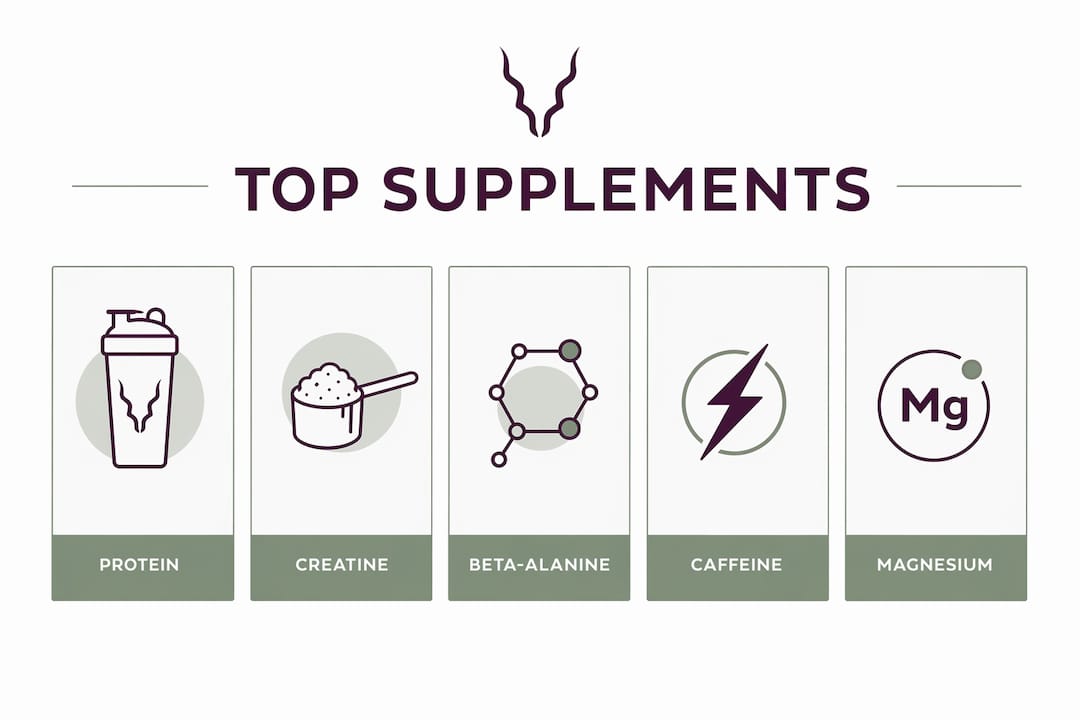
The supplements with the clearest evidence base are protein, creatine, β-alanine, and caffeine. Protein supplementation produces a standardised mean difference (SMD) of 0.64 for muscular strength, which is a meaningful effect in research terms. Creatine and β-alanine each show significant improvements in jump and power performance, with SMDs of 0.30 and 0.41 respectively. These are not marginal gains for competitive athletes.
Caffeine is equally well-supported. A dose of 200–400 mg taken 30–60 minutes before exercise improves both endurance and power output. That translates to roughly 3–6 mg per kilogram of body weight for most athletes. Timing and dose both matter, so guessing your intake is not a sound strategy.
Magnesium and vitamin D are worth considering too, though they require more personalised management. Magnesium citrate is more bioavailable than other forms, and vitamin D needs can vary widely between individuals. Neither should be supplemented without first assessing your baseline status.
| Supplement | Primary benefit | Evidence strength |
|---|---|---|
| Protein | Muscular strength and mass | Strong (SMD 0.64) |
| Creatine | Power and jump performance | Strong (SMD 0.30) |
| β-alanine | Power and jump performance | Moderate (SMD 0.41) |
| Caffeine | Endurance and power output | Strong |
| Magnesium citrate | Muscle function and recovery | Moderate, dose-dependent |
| Vitamin D | Bone health and immune function | Moderate, status-dependent |
Pro Tip: Sports dietitian Tavis Piattoly notes that creatine remains underused despite its strong safety profile and evidence base. If you have not assessed whether creatine suits your training phase, that is a straightforward place to start.
How does supplementation fit into a broader nutrition plan?
Supplements are secondary to foundational nutrition. MSU expert Nicholas Mortensen is direct on this point: nutrition, hydration, and recovery are the primary drivers of athletic performance, and supplements play a supporting role only. Athletes who prioritise supplements over adequate protein intake, carbohydrate timing, and balanced meals consistently underperform those who get the basics right first.
A food-first approach means building your daily intake around whole foods before reaching for any product in a sachet or tub. Carbohydrates fuel training sessions. Protein repairs and builds muscle tissue. Healthy fats support hormonal function. Hydration underpins every physiological process involved in sport. Supplements cannot compensate for a deficit in any of these areas.
Foundational practices (non-negotiable):
- Adequate total calorie intake matched to training load
- Sufficient protein distributed across meals (not just post-workout)
- Carbohydrate timing aligned to session intensity
- Consistent hydration in recovery before, during, and after training
- Quality sleep and structured rest days
Where supplementation adds value:
- Filling verified nutrient gaps (e.g., low vitamin D or magnesium)
- Supporting connective tissue repair with collagen protein
- Providing a convenient protein source when whole-food options are limited
- Enhancing specific performance markers where evidence supports use
Pro Tip: Before adding any supplement, track your food intake for at least one week. You may find the gap you are trying to fill is actually a dietary habit issue, not a supplementation gap.
What safety considerations should athletes follow before using supplements?
The absence of a universal definition for dietary supplements creates real risk. No single legal or scientific definition covers every product sold as a supplement, which means regulatory oversight varies considerably between countries and product categories. Athletes cannot assume a product is safe simply because it is sold legally.
Contamination is the most serious practical risk. Supplements can contain banned substances not listed on the label, either through poor manufacturing practices or deliberate adulteration. A positive doping test resulting from a contaminated product can end a competitive career regardless of intent. Third-party certification from schemes like Informed Sport or NSF Certified for Sport provides meaningful protection. These programmes test products for banned substances before they reach the market.
Evaluation checklist before using any supplement:
- Confirm the product carries Informed Sport or NSF certification
- Check the full ingredient list against your sport’s banned substance list
- Conduct a comprehensive nutritional assessment before starting
- Research the specific claim the product makes and look for peer-reviewed evidence
- Avoid products promoted primarily through social media influencers without cited research
- Consult a registered sports dietitian for personalised guidance
Genetic variability adds another layer of complexity. Supplement efficacy varies with individual genetics and sport-specific demands, so what works well for one athlete may produce no benefit for another. The CYP1A2 gene polymorphism, for example, directly affects how quickly your body metabolises caffeine. Monitoring your individual response to any new supplement is not optional. It is the only reliable way to know whether a product is actually working for you. For a thorough overview of supplement safety practices, it is worth reading up before committing to any new product.
What types of performance supplements are available, and how are they best used?
Supplements come in several forms, each with practical advantages and limitations depending on your training context. Powders are the most common format for protein and creatine, offering flexibility in dosing and easy mixing with food or drinks. Pills and capsules suit micronutrients like vitamin D and magnesium, where precise dosing matters. Liquid formats, including ready-to-drink sachets, offer the fastest absorption and the greatest convenience for athletes training on the move.
| Form | Advantages | Limitations |
|---|---|---|
| Powder | Flexible dosing, cost-effective | Requires preparation, less portable |
| Capsule/pill | Precise dose, convenient | Slower absorption, harder to adjust dose |
| Liquid sachet | Fast absorption, portable, no preparation | Higher cost per serving |
| Bar | Convenient, combined macros | Often higher in sugar, less precise dosing |
Timing matters as much as form. Caffeine works best when taken 30–60 minutes before a session. Protein is most effective when distributed across the day rather than consumed in one large post-workout dose. Collagen protein, which supports connective tissue and joint health, is best taken with a source of vitamin C to support collagen synthesis. Amino acids, including those found in collagen, play a direct role in muscle recovery and performance when timed appropriately around training.
Personalisation is the deciding factor. A marathon runner has different supplementation needs to a rugby player or a gymnast. Training phase matters too: a high-volume endurance block demands different nutritional support to a strength-focused phase. Aligning your supplement choices to your current training demands is more effective than following a generic protocol. Tracking your athletic performance improvements alongside supplement changes gives you the data to make informed adjustments.
How can athletes integrate supplementation into their routine effectively?
Start with a clear nutritional assessment before buying anything. Identify specific gaps in your diet, your training demands, and your recovery quality. A registered sports dietitian can run blood panels and dietary analysis to give you a precise starting point. Generic supplement protocols built for “athletes in general” rarely match your individual needs.
Avoid over-reliance on any single product. Supplements work best as part of a structured plan, not as a substitute for consistent training and recovery. An athlete who sleeps poorly, trains without periodisation, and skips meals will not rescue their performance with supplements. Over-reliance on supplements while neglecting sleep, hydration, and training structure consistently undermines performance gains.
Pro Tip: Introduce one new supplement at a time and monitor your response for at least four weeks before adding another. This makes it far easier to identify what is actually working and what is not.
Product transparency is non-negotiable. Check that every supplement you use lists its full ingredient profile, including doses, not just a proprietary blend. Certification from Informed Sport or NSF Certified for Sport confirms the product has been independently tested. Kudunutrition’s liquid collagen sachets carry quality certification and publish full nutritional data, which is the standard every supplement you use should meet. For athletes managing busy schedules, understanding why on-the-go nutrition matters helps frame where convenient supplement formats genuinely add value.
Key takeaways
Athletic supplementation delivers real performance and recovery benefits only when built on a foundation of sound nutrition, consistent training, and third-party certified products.
| Point | Details |
|---|---|
| Food first, supplements second | Nutrition, hydration, and sleep drive the majority of performance gains before any supplement adds value. |
| Strongest evidence | Protein, creatine, β-alanine, and caffeine have the clearest research support for strength and power athletes. |
| Certification is non-negotiable | Use only Informed Sport or NSF Certified products to avoid inadvertent doping violations. |
| Individual response varies | Genetics and sport demands mean you must monitor your own response rather than follow generic protocols. |
| Timing and form matter | Liquid formats absorb faster; caffeine works best 30–60 minutes pre-exercise; collagen needs vitamin C to be effective. |
Sam’s view: what athletes consistently get wrong about supplements
The most common mistake I see is athletes treating supplements as the primary variable in their performance equation. They spend considerable money on products while sleeping six hours a night, skipping breakfast before morning sessions, and training without any structured periodisation. No supplement closes that gap.
What I have found genuinely useful is the shift that happens when athletes approach supplementation the way they approach training: with specificity, patience, and data. Creatine is a perfect example. The evidence for it is as strong as anything in sports nutrition, yet many athletes dismiss it based on outdated myths or because they have not seen results from using it incorrectly. Correct dosing, consistent use, and adequate dietary carbohydrate intake all affect whether creatine actually works for you.
The other thing worth saying plainly: the supplement industry is large and commercially motivated. Not every product with a credible-sounding label has the research to back its claims. Third-party certification is not a marketing badge. It is the minimum standard for any product you put in your body as a competitive athlete. Build your supplement stack on evidence, not on what is trending.
— Sam
Kudunutrition’s collagen protein: built for athletes who train seriously
Collagen protein is one of the most underrated supplements in an athlete’s toolkit. It supports joint integrity, connective tissue repair, and recovery from high-impact training, areas where standard whey protein offers little targeted benefit.
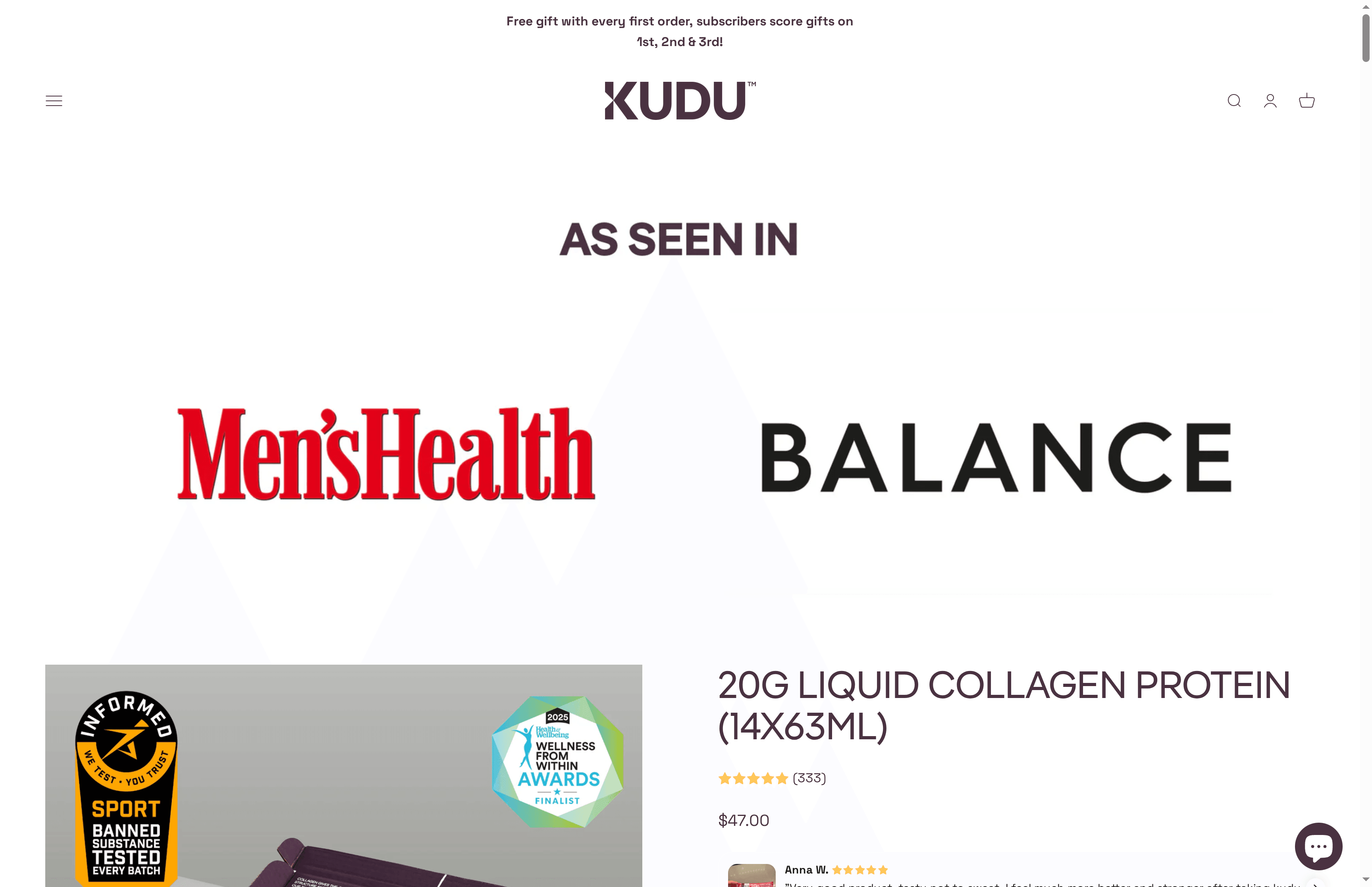
Kudunutrition’s liquid collagen protein sachets deliver 20g of collagen protein per serving in a convenient, ready-to-drink format with no preparation required. Each product carries quality certification and publishes full nutritional data, meeting the transparency standard that serious athletes should demand. Whether you are in a heavy training block or managing a niggling joint issue, the 20g collagen protein range gives you a certified, evidence-aligned option that fits your routine without compromise.
FAQ
What is athletic supplementation?
Athletic supplementation is the use of dietary products, such as protein, creatine, or collagen, to support performance, recovery, and health alongside a structured training and nutrition plan. It complements but does not replace foundational nutrition.
Do athletes actually need supplements?
Most athletes can meet basic nutritional needs through diet alone, but specific gaps, such as low vitamin D or limited protein intake, are where supplementation adds genuine value. A nutritional assessment identifies whether supplementation is necessary for you.
Which supplements have the best evidence for athletes?
Protein, creatine, β-alanine, and caffeine have the strongest research support. Protein supplementation shows an SMD of 0.64 for muscular strength, while caffeine at 3–6 mg/kg taken 30–60 minutes pre-exercise reliably improves endurance and power output.
How do I know if a supplement is safe?
Choose products certified by Informed Sport or NSF Certified for Sport, as these schemes independently test for banned substances. Avoid products that list proprietary blends without disclosed doses.
What is the best way to take collagen protein for athletic recovery?
Take collagen protein alongside a source of vitamin C, which supports collagen synthesis in connective tissue. Liquid formats like Kudunutrition’s sachets absorb quickly and require no preparation, making them practical around training sessions.