• Increased risk of injury: A lack of collagen means lower connective tissue integrity, leading to weaker joints and their surrounding tissues. These tissues are vital for structure and support putting you at a higher risk of tears, strains, sprains, osteoarthritis and tendinopathy.
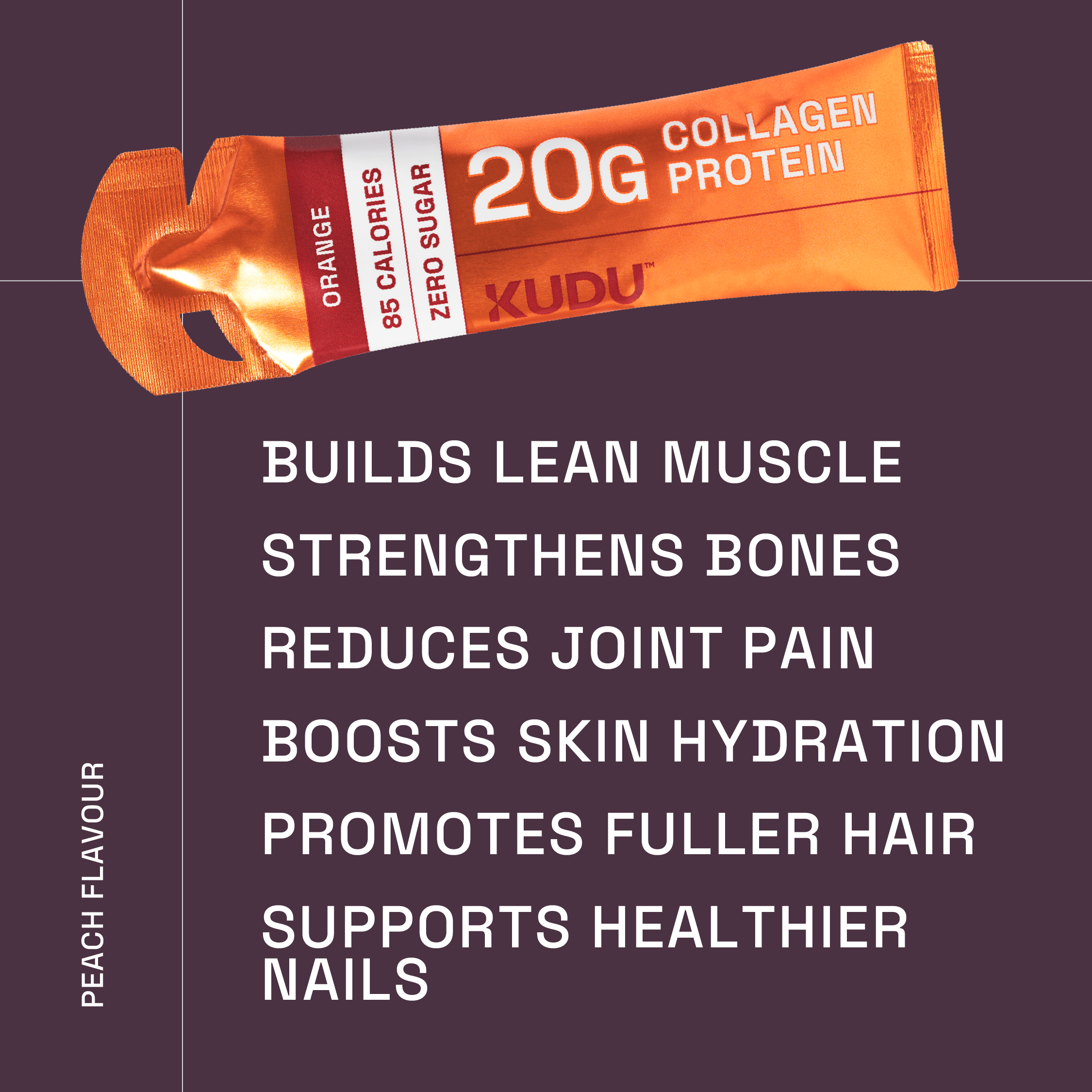
• Joint Discomfort: Collagen is essential for maintaining the health of your joints. A decline in collagen can lead to joint discomfort, stiffness, and reduced mobility.
• Muscle Weakness: Collagen contains amino acids that support muscle repair and growth. A decline in collagen can affect your muscle health and recovery after physical activity.
• Bone Health: Collagen provides structural support to your bones. A decrease in collagen may contribute to reduced bone density and an increased risk of fractures and osteoporosis.
• Wrinkles and Sagging Skin: Collagen is a key component of your skin's structure. Reduced collagen production can result in wrinkles, fine lines, and sagging skin, contributing to visible signs of ageing.
• Brittle Nails and Thinning Hair: Collagen plays a role in maintaining the strength and health of your nails and hair. Without adequate collagen, you may experience brittle nails and thinning hair.
• Digestive Issues: Collagen can support the integrity of your gut lining. A decrease in collagen can therefore contribute to digestive issues, including leaky gut syndrome, which may lead to food sensitivities and other digestive problems.
• Loss of mobility and flexibility: Collagen is responsible for the elasticity in various connective tissues, including tendons and ligaments. Decreased collagen can result in reduced flexibility and range of motion in the joints.
• Overall Wellness: Collagen is not only about beauty, it's about overall wellness. It plays a role in numerous bodily functions, and its decline can impact your general health and functionality.